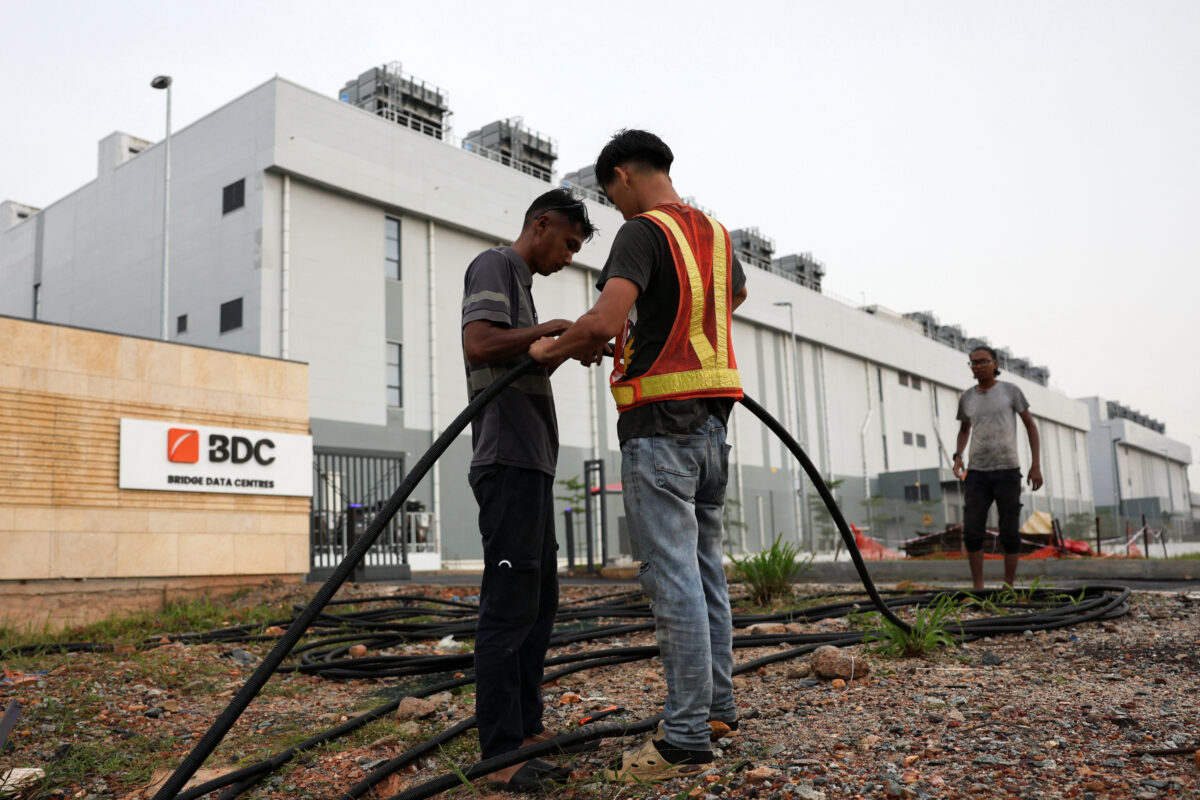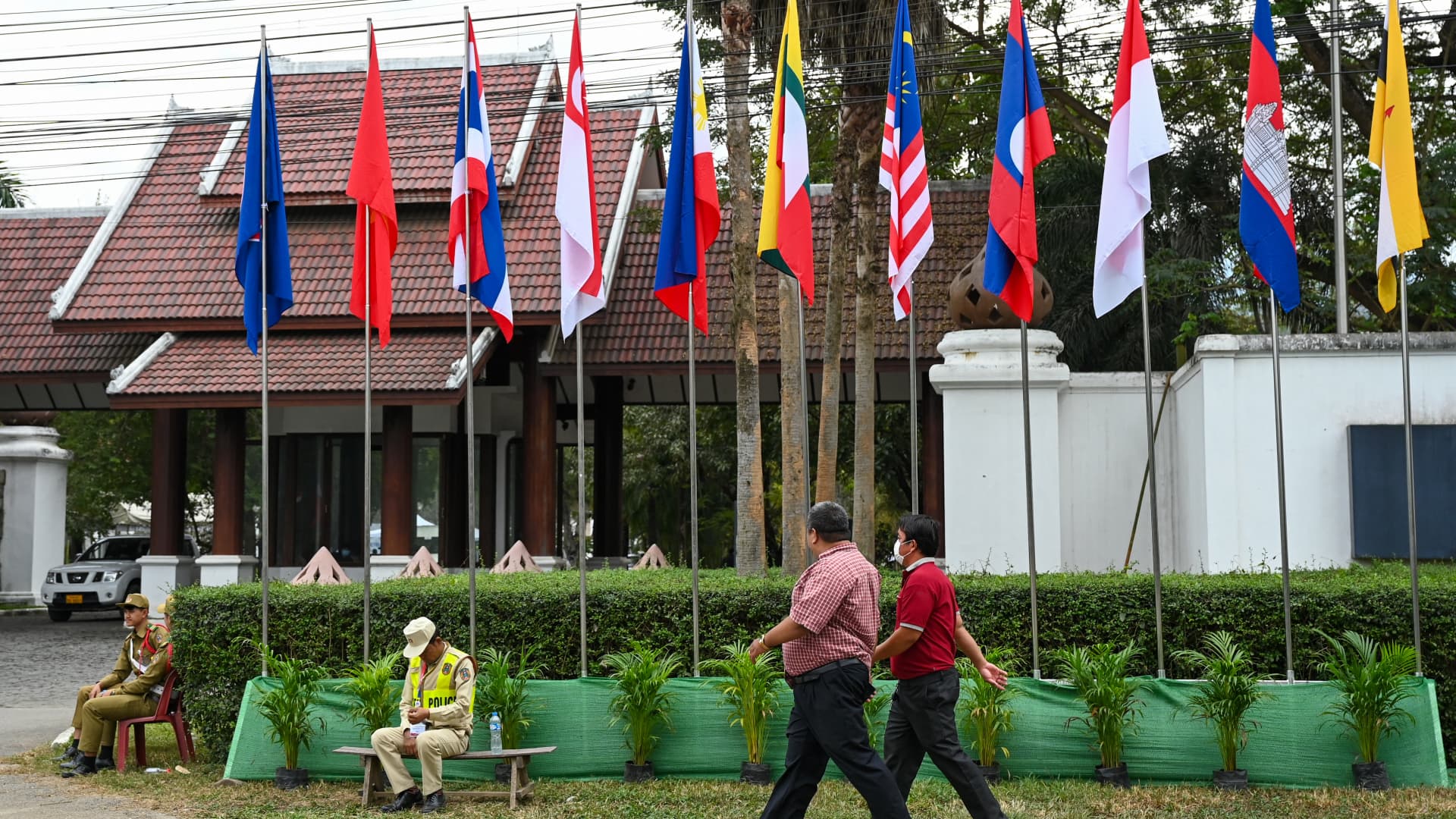
AI is expensive. Processors are expensive, data centers are expensive, power and water are expensive, data acquisition is expensive. Giants like the U.S. and China can bear these costs. But can other smaller regions—like Southeast Asia, home to the largest group of unconnected people in the world outside of Sub-Saharan Africa—keep up?
Yet experts at the Fortune Innovation Forum in Kuala Lumpur, Malaysia, last week were hopeful that smaller countries could invest in AI that works for them, even as they pointed out many of the constraints that still held back investment.
“There’s an opportunity to really leverage what has come to be known as ‘small AI,’ which is much more targeted, potentially suitable for offline use, and doesn’t necessarily compete with some of the large innovations we’re seeing [come] out of larger countries,” Mahesh Uttamchandani, regional practice director for digital for East Asia, South Asia and the Pacific at the World Bank, said.
Jon Omund Revhaug, Asia head for Telenor, agreed that there was “ample opportunity” for smaller countries to invest in sovereign AI.
Countries like Singapore, Malaysia and Thailand are trying to build their own AI industries, whether by encouraging the development of new AI models more aligned with local conditions, investing in infrastructure like power and data centers, or passing regulations to maintain data sovereignty.