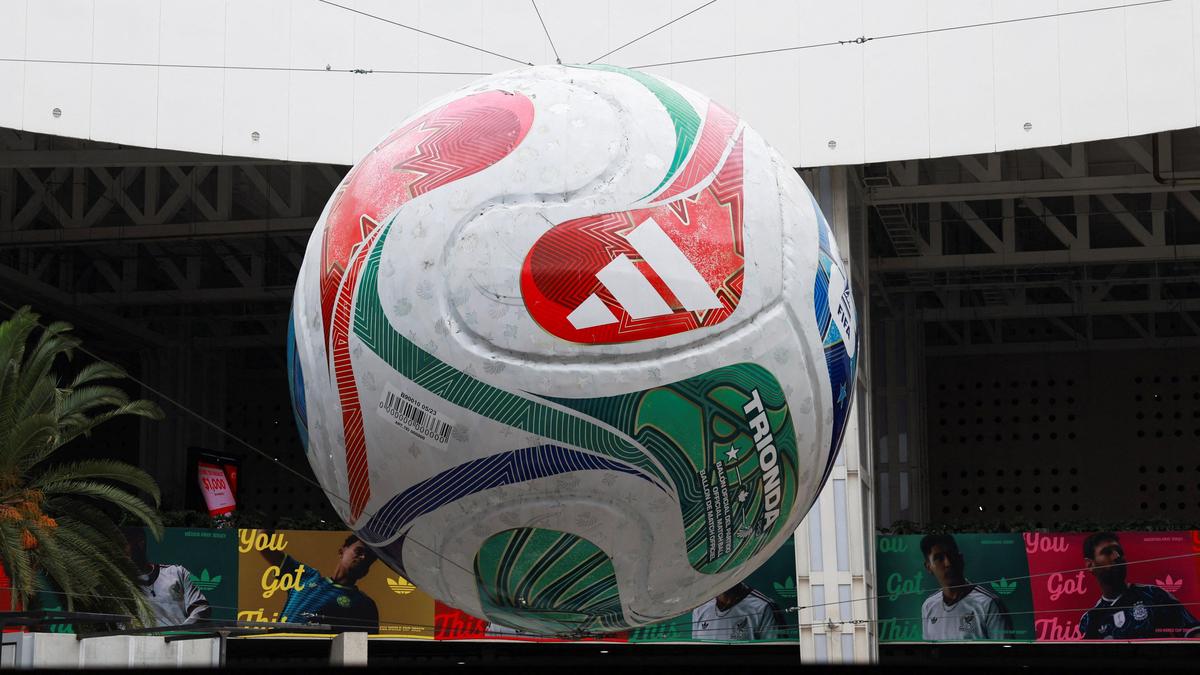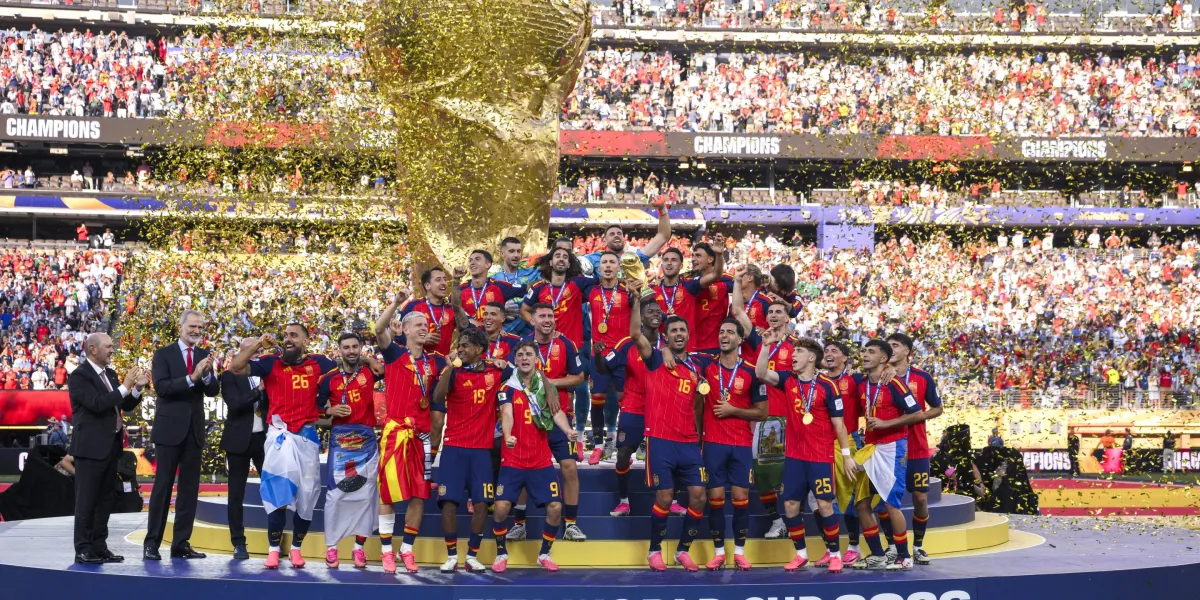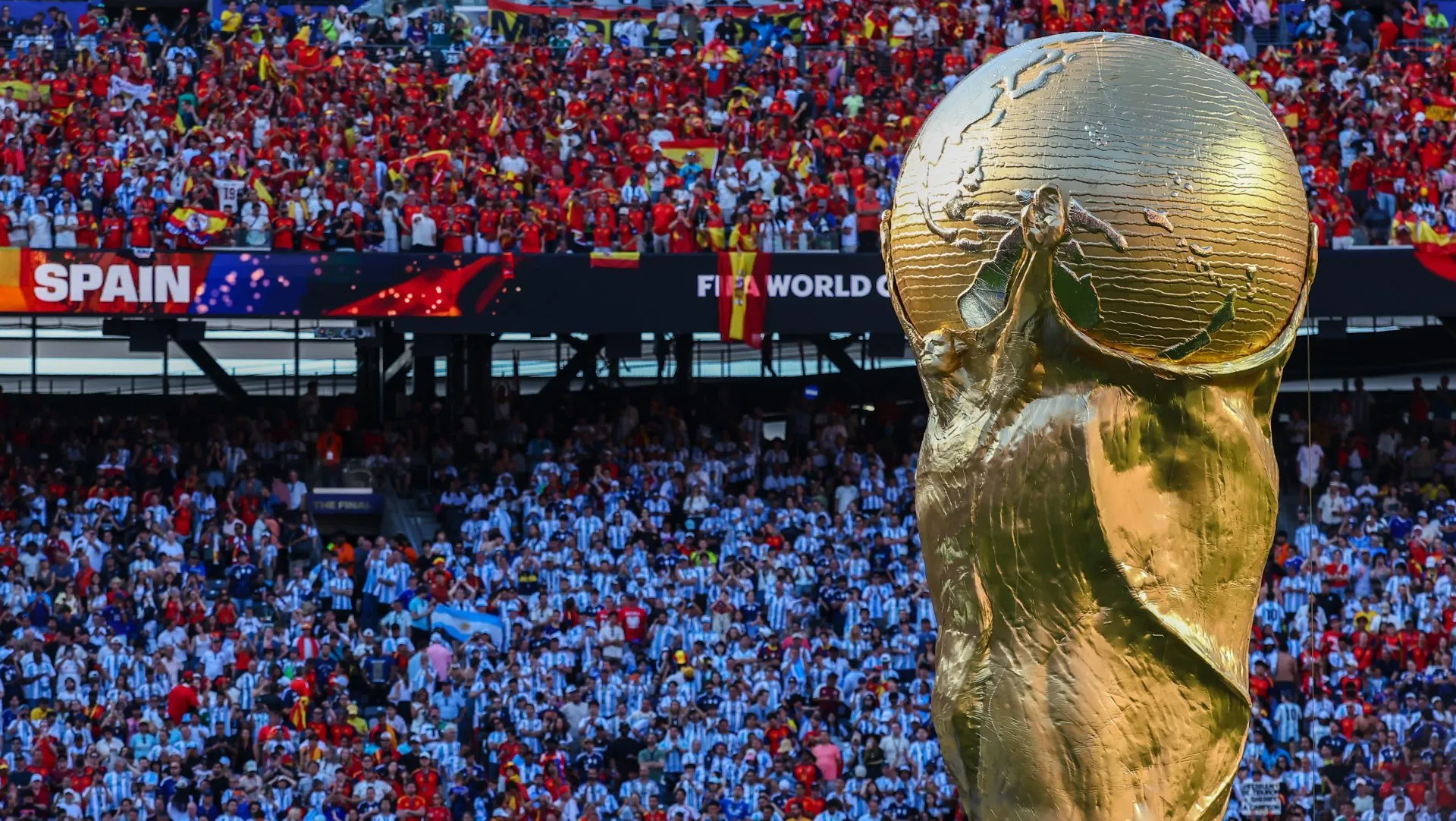
The largest and most lucrative World Cup ever is over.
FIFA’s expanded 48-team, 104-match tournament across the U.S., Mexico, and Canada is estimated to have made $15 billion in revenue. Off the pitch, the tournament was defined by travel and visa issues, high ticket prices, and a presidential intervention on behalf of the biggest host nation. On the pitch, teams given a chance in the expanded tournament punched above their weight but also lashed out against the referees in the later stages.
Now that the tournament is done, FIFA faces major decisions. Its U.S. media-rights deals with Fox and Telemundo are up. Its leaders are considering expanding the tournament further. It must decide whether to keep or ditch changes in video refereeing, hydration breaks, and dynamic ticket pricing.
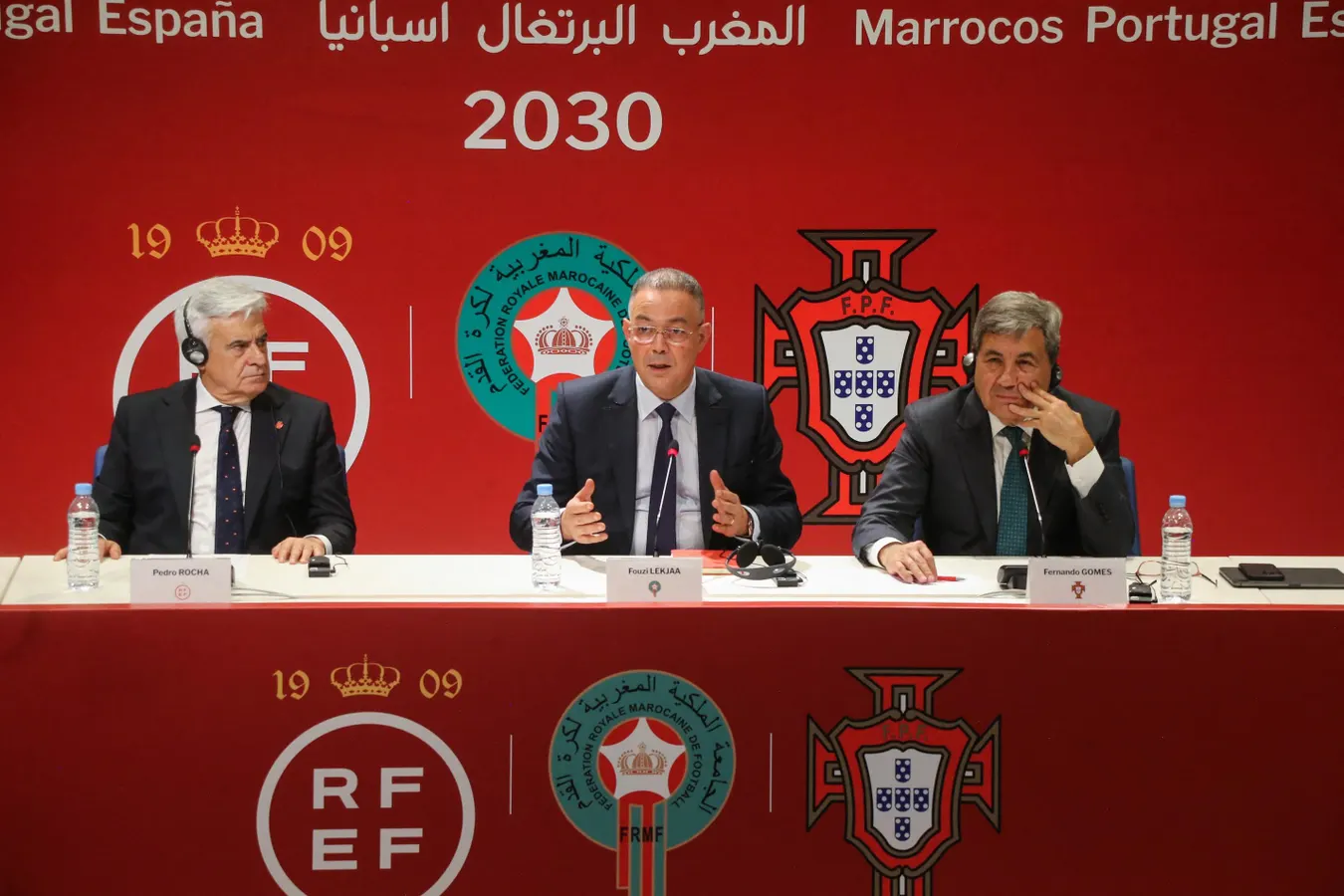
The next men’s World Cup in 2030 will be spread across six countries. To commemorate the 100th anniversary of the first World Cup, the tournament will open at Estadio Centenario in Uruguay, and also play one match each in Argentina and Paraguay before heading across the Atlantic. Spain, Morocco, and Portugal will split the vast majority of matches, with the location of the final yet to be announced.
Based on what we learned from the 2026 tournament, here’s a realistic wish list of things Front Office Sports staff would like to see in 2030.