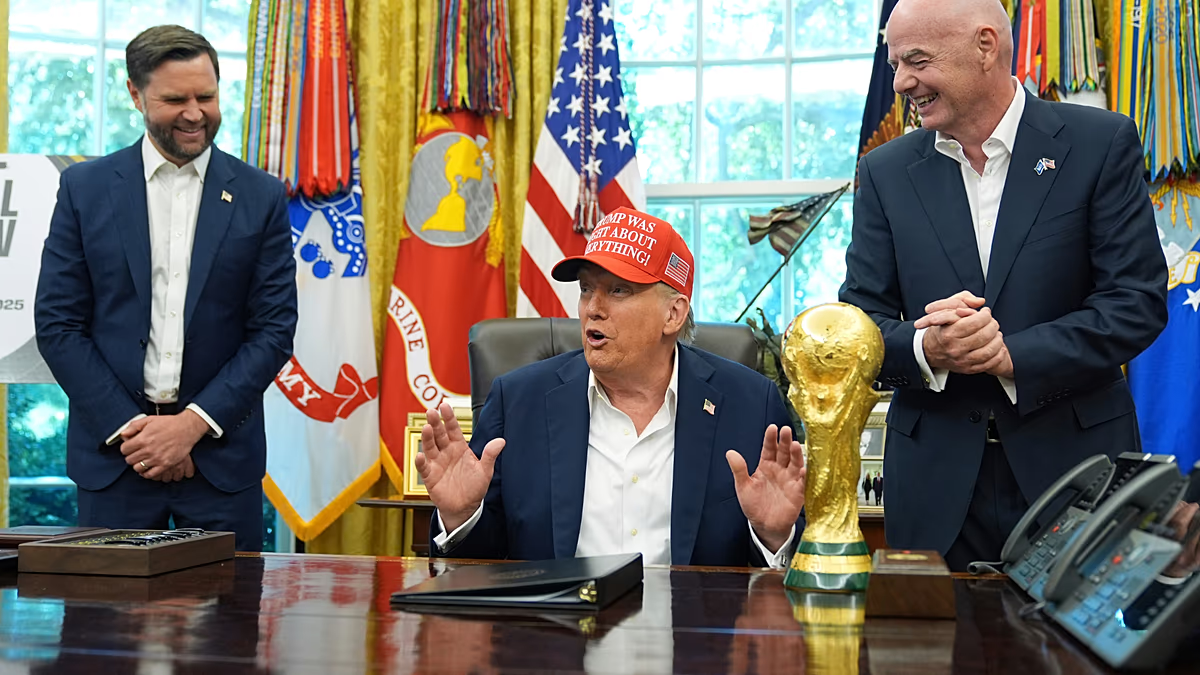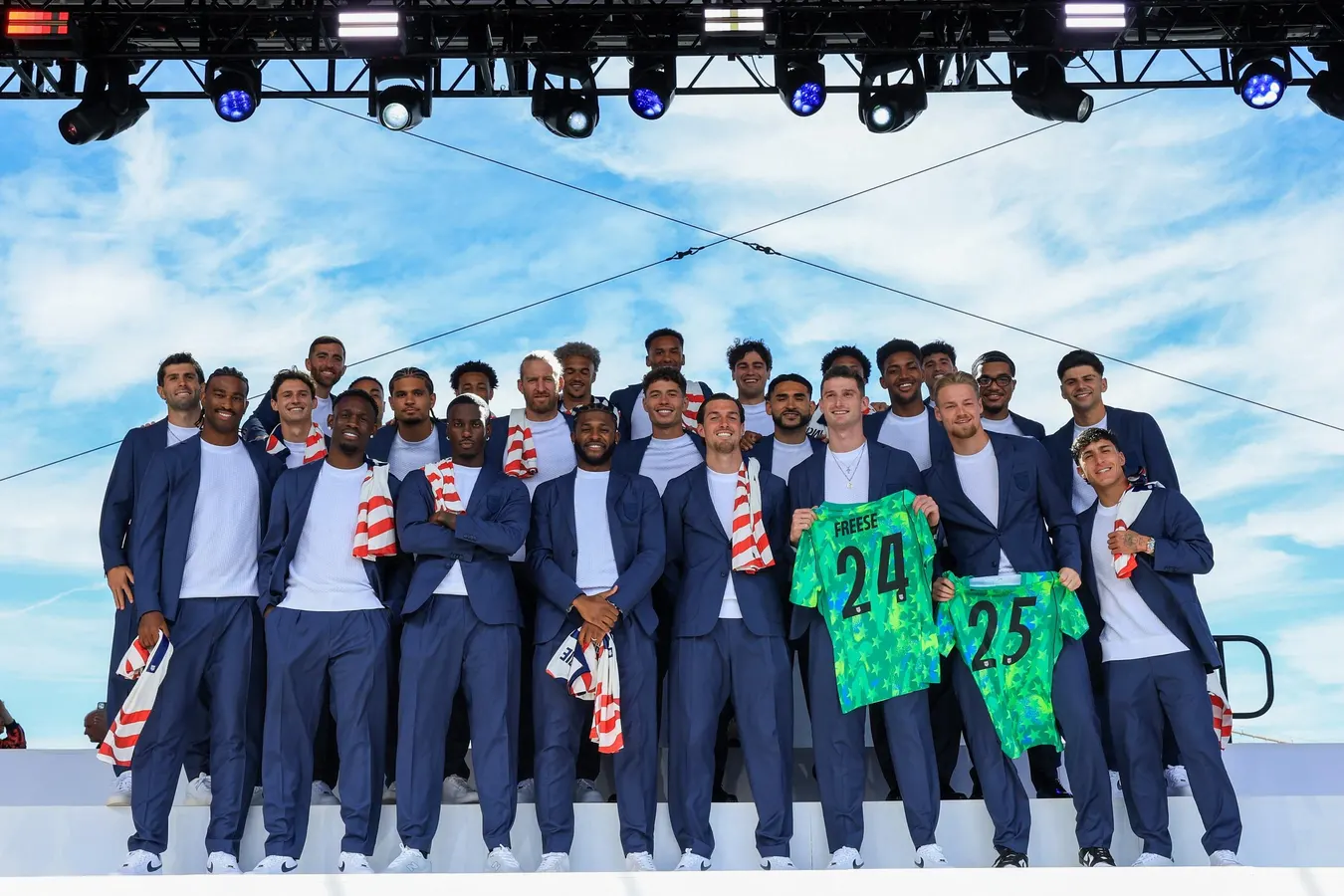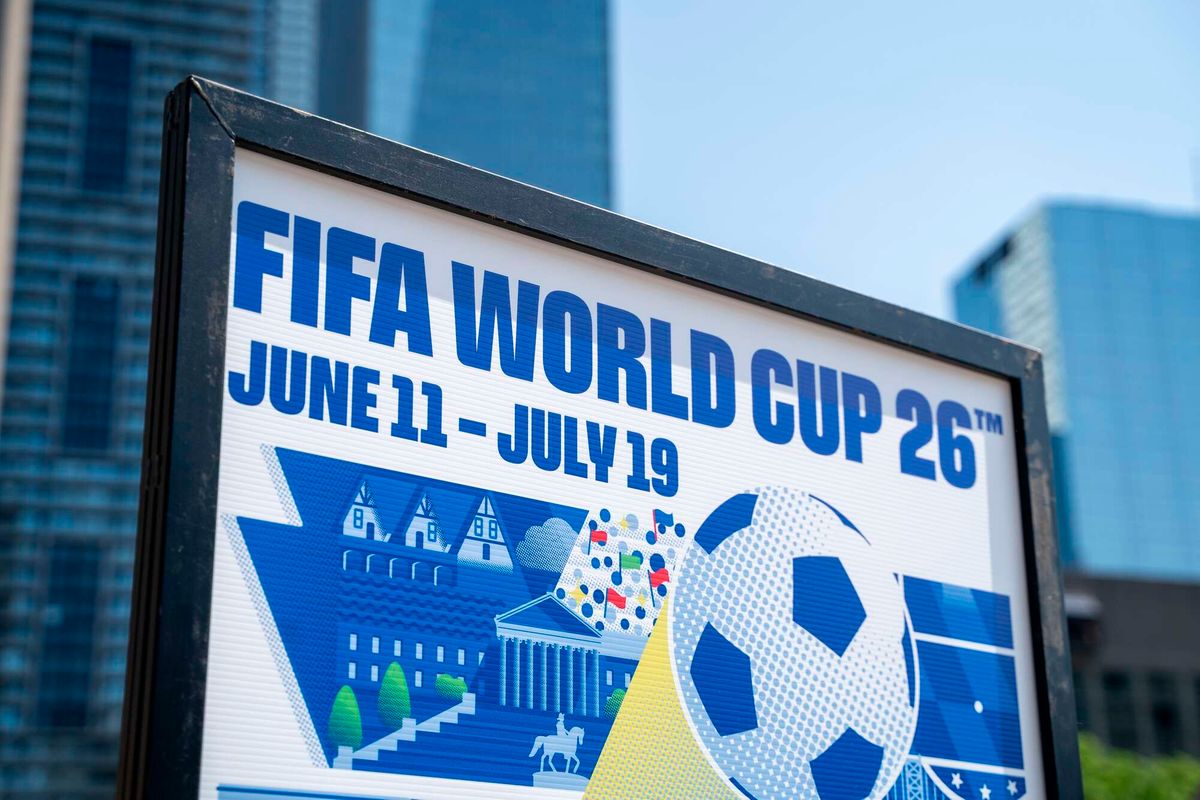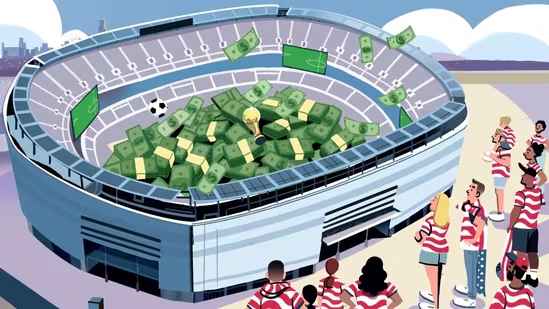
The World Cup that kicks off next month in North America was supposed to be the most spectacular edition yet of the planet’s most popular sporting event. It promised an unprecedented 48 teams in 16 cities playing 104 Super Bowls.FIFA's target, boosted by an expanded field of 48 teams in this year's World Cup, is a projected record of $11 billion in revenue.That meant the sudden creation of a gigantic market for more than 6 million tickets to be sold to supporters around the globe. Fans were left in the dark about what they might cost or how many would be available to them. But one thing soon became clear.They were about to experience the most expensive World Cup of all time.All but a handful of tickets to most World Cup games start in the hundreds of dollars and soar into the thousands. And the chief culprit has been the use of demand-driven dynamic pricing by FIFA, soccer’s global governing body, a variable that has made ticket-buying stressful and unpredictable. A steady drumbeat of reports from angry fans even prompted the New York and New Jersey attorneys general on Wednesday to serve FIFA with subpoenas, compelling it to open up about its sales tactics.“No one should be manipulated into paying sky-high prices for seats, and fans should be able to trust that the tickets they purchase will be the ones they receive,” New York attorney general Letitia James said.FIFA declined to comment on the subpoenas.To anyone familiar with FIFA, the cost of this tournament should come as little surprise. Ever since the tournament hosting rights were awarded to the U.S., Canada and Mexico in 2018—with three-quarters of the games to be played in the U.S.—the organization has viewed America as a potential cash cow.The buying power of the richest nation on earth has only increased since it hosted the 1994 World Cup and American demand for premium events, in particular, has surged since the pandemic. And FIFA was ready to meet this lucrative moment. In the buildup to the tournament, it deployed a radically different approach to how it generates and uses revenue.Not long ago FIFA kept World Cup ticket prices relatively affordable to suit hardcore fans. Now, it is leveraging the potent cocktail of an American World Cup to pack its war chest with money it plans to redistribute to FIFA’s 211 member nations around the world.FIFA’s stated target is a projected record of $11 billion in revenue.“FIFA’s taken it away from the ordinary fan, and are selling it to the highest bidder,” said Davie Hood, a Scotland fan who paid $1,800 for three tickets, one for each of his country’s group stage games.But that was only the beginning of his World Cup expenses. Hood and thousands of other Scotland supporters were so shocked by the cost of accommodation in Boston that they booked rooms in Providence, R.I. They also hired a fleet of school buses to carry them to the stadium in Foxborough, Mass.—to avoid shelling out $95 apiece for a special bus from Boston.FIFA president Gianni Infantino says the governing body has simply priced World Cup tickets for what the market will bear. It’s better to capture the revenue than divert it to ticket resellers, he says. FIFA says it has sold 90% of the roughly 6 million tickets available to the World Cup.Fueled by the proceeds, FIFA expects to distribute a record $2.7 billion around the world over the next four years. That amount has increased eightfold in Infantino’s decade as FIFA president, and there is no question that FIFA’s generosity has consolidated his power. The FIFA president is elected every four years by the 211 member associations, who each carry one vote. Infantino intends to run for re-election next year.“FIFA is simply fulfilling its statutory objectives, which is to invest in football development,” a FIFA spokesman said. “Any claims to the contrary are baseless.”In response to the global outcry over ticket prices, FIFA announced late last year that it would issue a number of $60 tickets for every game. They were made available to each World Cup team’s federation for distribution to the most committed fans. They are, however, extremely scarce: There are only 1,000 per game, or 104,000 in total out of 6 million tickets.And with kickoff less than two weeks away, warning signs have surfaced for local businesses who were promised a windfall. Dozens of games have seats still available. Prices of less desirable games have dropped, while many travelers haven’t materialized.Some 80% of hoteliers in host cities said that bookings were tracking below initial forecasts, according to a recent survey by the American Hotel and Lodging Association. Complicating matters is that this three-host tournament is the most sprawling World Cup in history, from Vancouver to Boston to Mexico City.Hoteliers “started to get a little wary” when they saw just how far fans would have to travel to follow their teams, said Steve Nicholas, managing principal at the Noble Investment Group, which owns hotels in seven U.S. World Cup cities. (Germany, for instance, has group-stage games in Houston, Toronto and New Jersey.)Visa barriers and broader geopolitical concerns are also “significantly suppressing” international demand, according to the hotel association.At the city level, World Cup contracts put most of the financial obligations on local organizers with little help from FIFA. That spawned a surge in local prices to offset operating costs. None drew more ire from fans than the $12.90 train ticket from New York City to MetLife Stadium in East Rutherford, N.J., which New Jersey authorities spiked to $150 for game days before ultimately settling on $98.“FIFA has worked collaboratively with host cities to lower costs and provide flexibility, including waiving certain hosting obligations,” a FIFA spokesman said.Back in 1994, FIFA was the one pulling back the reins on pricing. The U.S. Soccer Federation president at the time, Alan Rothenberg, who oversaw local World Cup organizing, had proposed selling every ticket to the final at the Rose Bowl for $1,000, but FIFA slammed the brakes.“They said they didn’t want to upset their fans,” Rothenberg said.This time around, some American fans have resigned themselves to getting squeezed at this World Cup.“This is a once-in-a-generation opportunity for them to make as much money as possible,” said Ray Loyola, a Seattle-area fan who spent $3,000 on four tickets to the U.S.-Australia game on June 19.“But that doesn’t make it any more palatable.”Write to Rachel Bachman at Rachel.Bachman@wsj.com
How FIFA’s biggest World Cup unleashed a summer of price gouging
Soccer’s global governing body is leveraging U.S. wealth and an expanded tournament to chase an $11 billion bonanza. | Sports News
1,070 words~5 min read