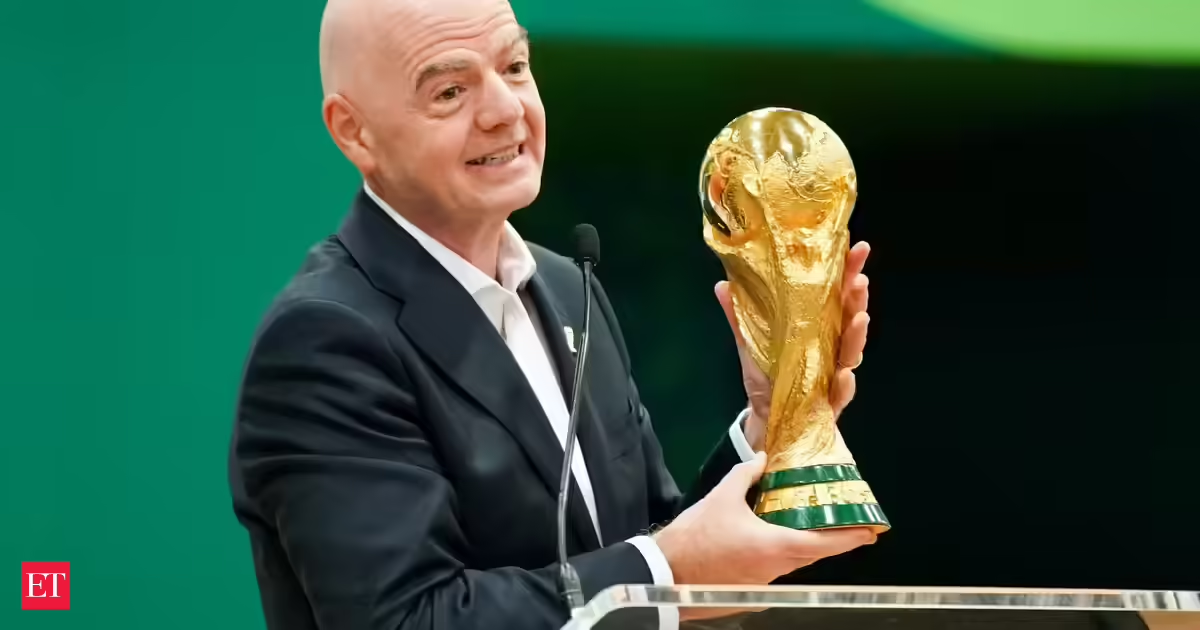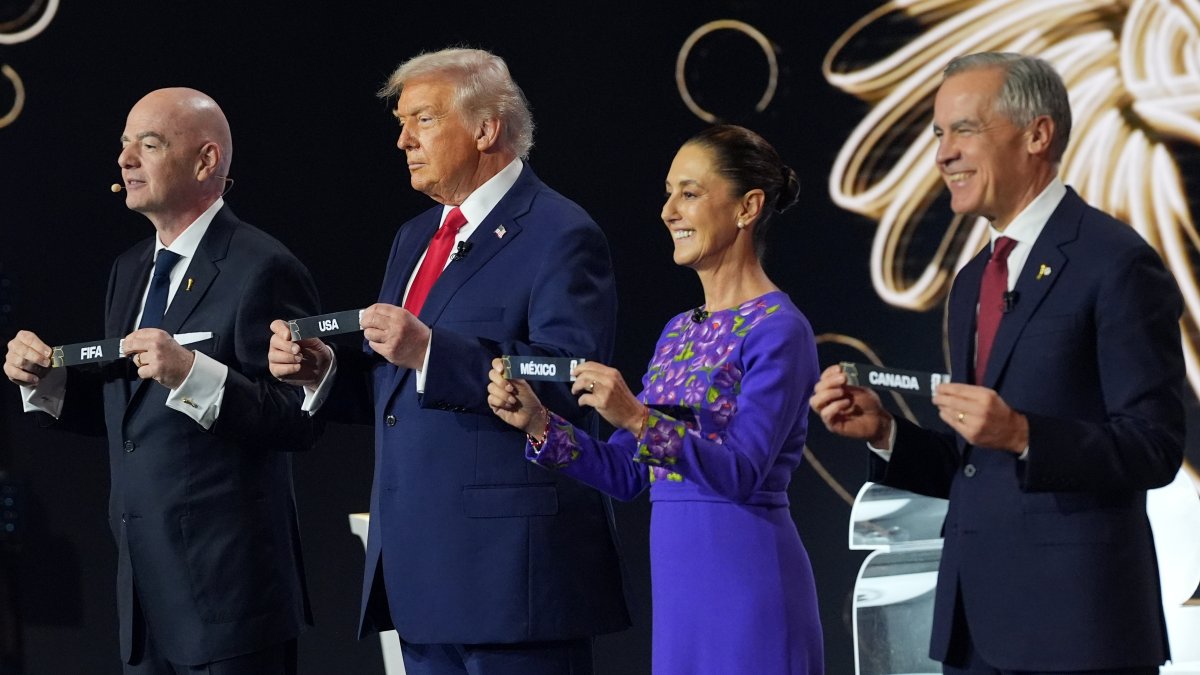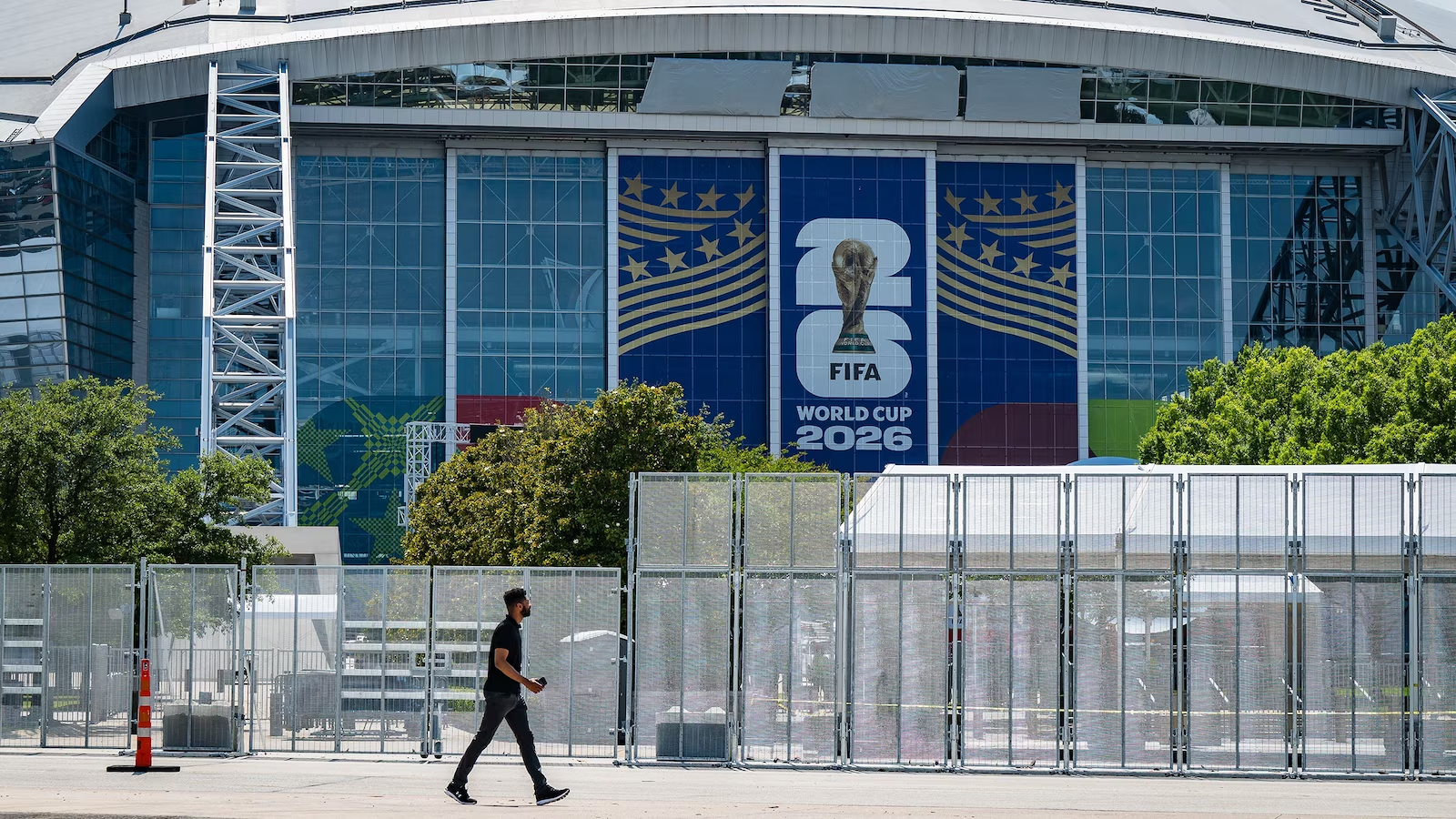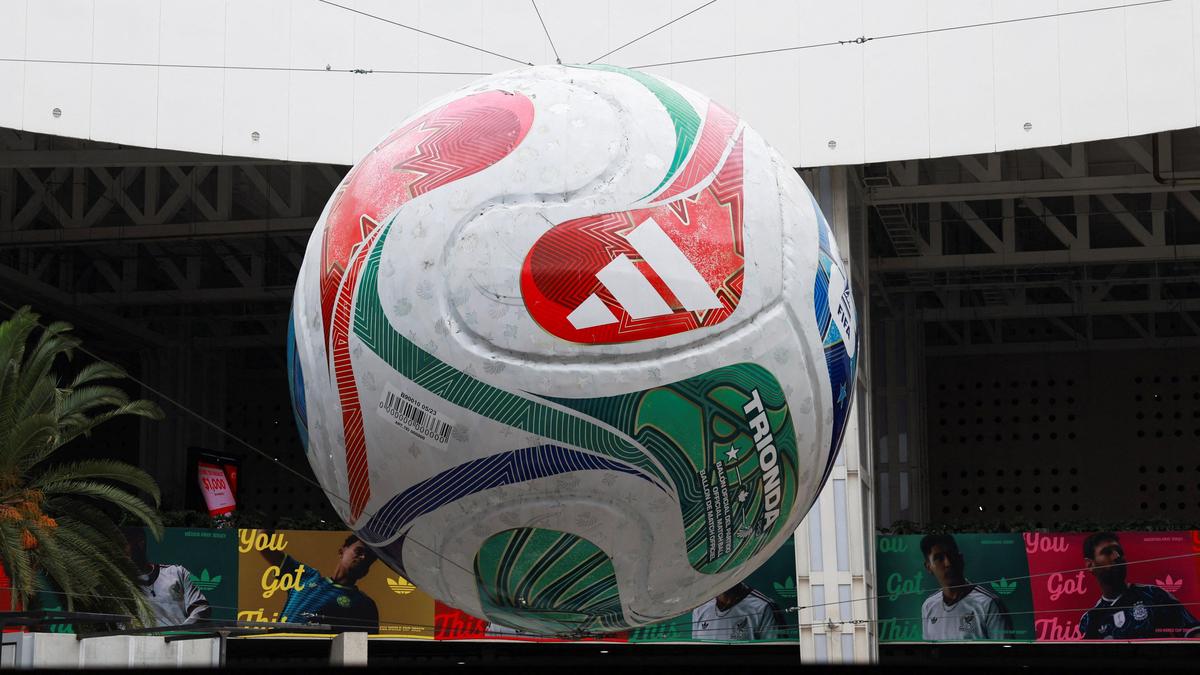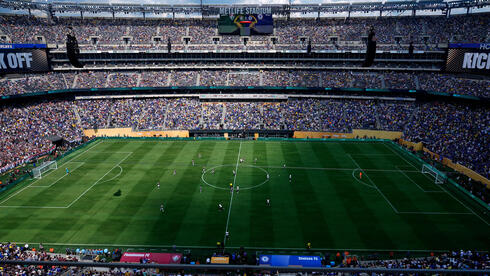
The 2026 FIFA World Cup, which starts on 11 June across the US, Canada and Mexico, is the largest in the tournament's history, with 48 national teams competing across 16 host cities for the first time.
FIFA itself has staked enormous claims on the economic returns, projecting a $30.5 billion (€26.1bn) windfall for the three host nations combined and that the tournament will generate up to $40.9 billion (€35bn) in additional global GDP.
The organisation also estimates that roughly 824,000 jobs directly or indirectly linked to the event will be created.
However, as the opening whistle of the first match draws closer, analysts are warning that the real numbers, when they finally come in, may paint a considerably more modest picture than the current narrative.
FIFA estimates that total costs for this World Cup, including expenditure from the organisation, host cities and investors across the US, Canada and Mexico, will be around $14 billion (€12bn). The US alone is expected to absorb more than $11 billion (€9.4bn) of that sum.