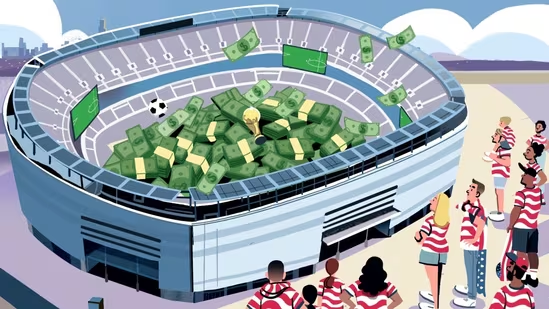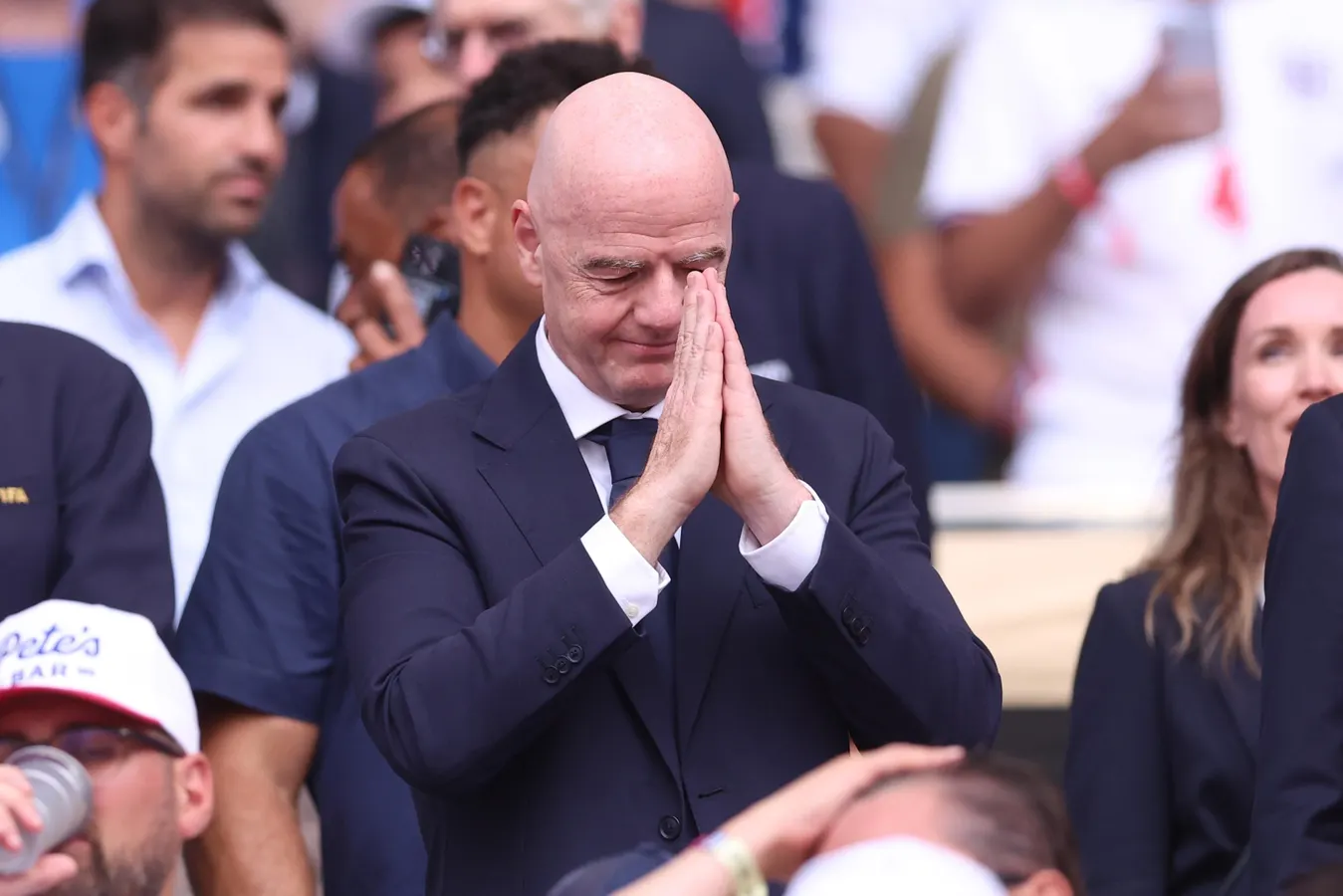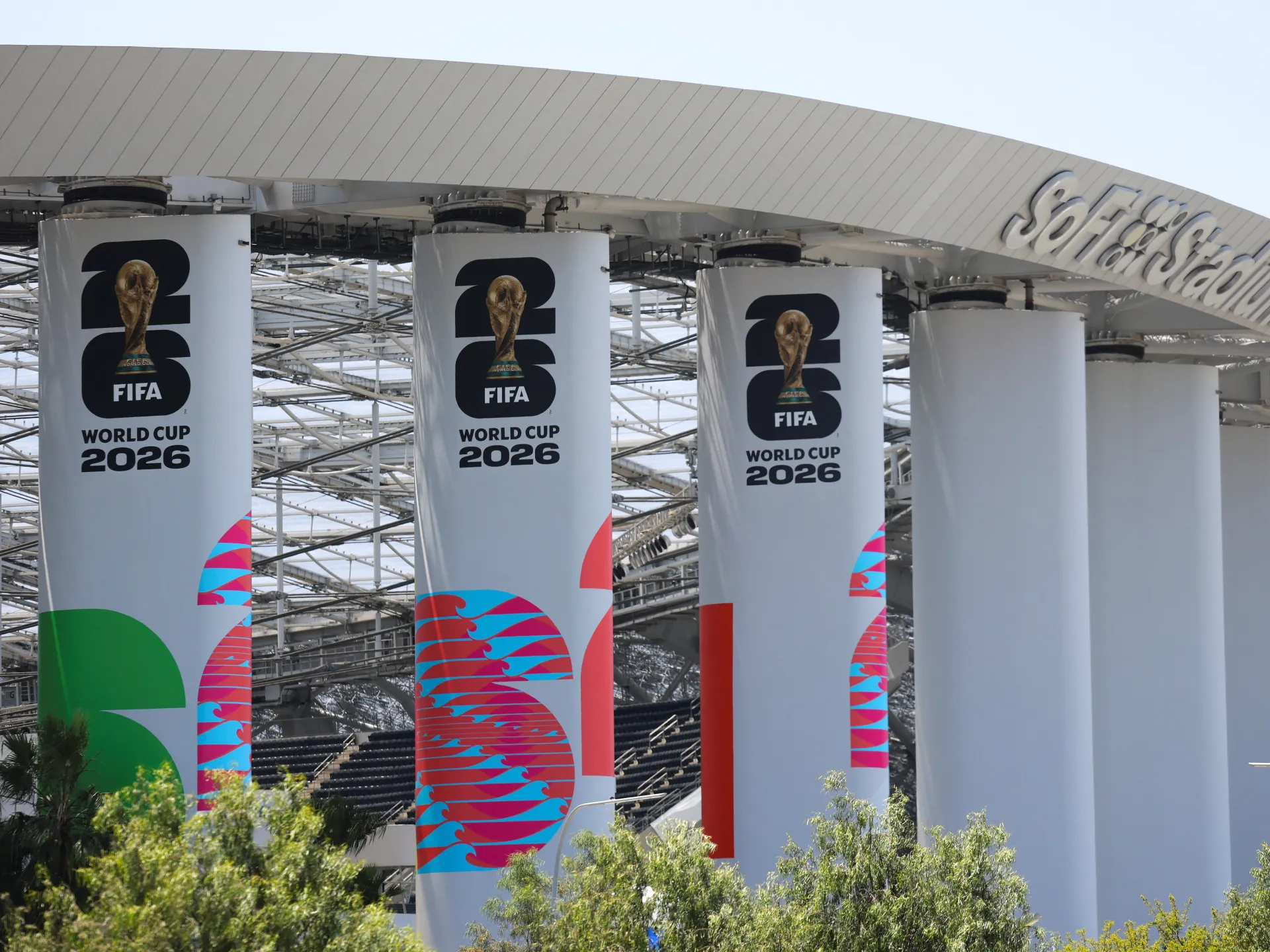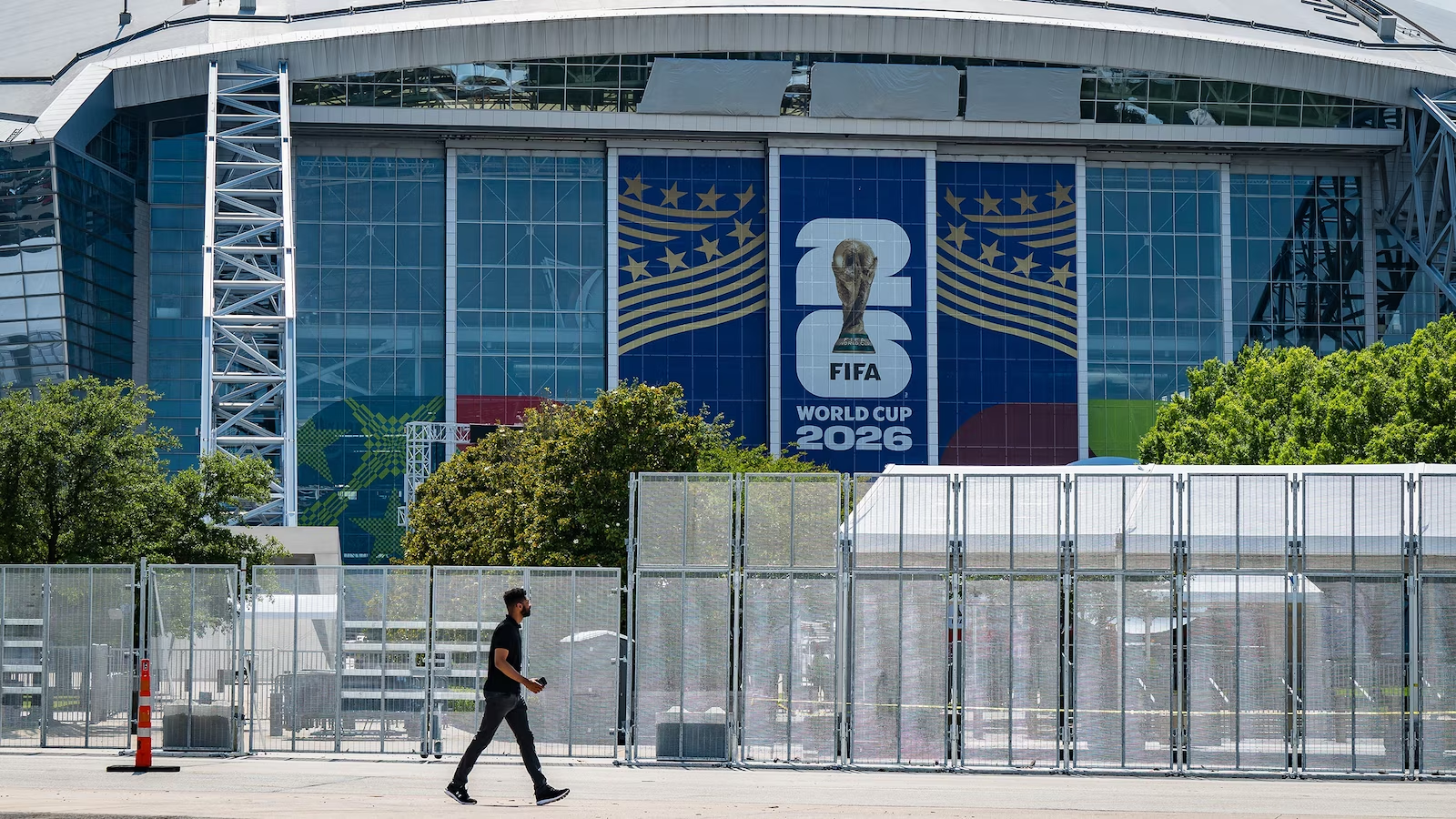
The World Cup, which kicks off next month, could deliver a win for the United States economy no matter how the nation’s soccer team fares.The event is expected by FIFA to carry billions in added spending to the U.S. on a wave of visitors eager for hotel rooms, meals and a good time. For a fraught economy bedeviled by surging inflation and gloomy shoppers, the jolt would be welcome.Not so fast, some analysts told ABC News. Mega events -- a term used by economists to describe major cultural or sports gatherings -- typically underperform the gains forecasted by organizers, they said.Much of the revenue often ends up in the coffers of the business putting on the event, while the tourist dollars largely serve to replace sales that would have happened anyway in major cities during the busy summertime season, the analysts said.Still, they added, some local businesses – like sports bars and hotels in the vicinity of stadiums – will see significant benefits, while others may lose out as crowds turn elsewhere.“We definitely expect some winners and losers here,” Victor Matheson, a sports economist at the College of Holy Cross, told ABC News.The World Cup is expected to deliver $17 billion in additional gross domestic product for the United States, according to a forecast from FIFA, the organization behind the event. The total event-related expenditure, meanwhile, will tally at about $11 billion, FIFA said.While sizable, the GDP gain forecasted by FIFA would amount to a fraction of the vast output from the U.S. economy. The anticipated benefit clocks in at less than 0.1% of annual U.S. GDP, Denmark-based Saxo Bank found in a report this week.“In other words, the 2026 World Cup is not a meaningful growth driver for the United States,” Saxo Bank said.Part of the challenge, Matheson said, is that a large share of money spent on the tournament will be taken in by FIFA through ticket fees, merchandise and other sales. Sky-high ticket prices have drawn criticism as buyers balk at some seats that run well over $1,000, leaving fewer dollars for local businesses and limiting accessibility to the games.“Some money that gets spent in these cities doesn’t stick,” Matheson said. “Money spent on World Cup tickets goes directly into the pocket of FIFA.”Earlier this month, a top FIFA official rebuked criticism over ticket prices, noting the relatively high market prices in North America compared to other regions.A man walks in front of Dallas Stadium as it is decorated for the FIFA World Cup 2026, May 28, 2026, Arlington, Texas.Jessica Tobias/AP Photo/Jessica Tobias“We have to look at the market," FIFA President Gianni Infantino recently told an audience gathered for the Milken Institute Global Conference in Los Angeles. "We are in the market in which entertainment is the most developed in the world, so we have to apply market rates.”Popular Reads“And as a matter of fact, even though some people are saying that the ticket prices we have are high, they still end up on the resale market at an even higher price, more than double our price,” Infantino added.Still, host cities stand to reap some benefits from the games, especially at hospitality businesses located near stadiums, some analysts said. The array of 11 U.S. host cities spans from Boston and Philadelphia to Kansas City to Santa Clara, California.Take Philadelphia, for instance, where the event is expected to generate about $770 million in economic impact, making it the “largest financial boost from a single event in Philadelphia’s history,” according to consulting firm Collier’s.Pastificio Deli, a sandwich and pasta shop located blocks away from Lincoln Financial Field, the city's World Cup site, could benefit from the surge of visitors to the stadium, Anthony Messina, the restaurant's general manager, told ABC News."There is a lot of excitement," Messina said. "Big crowds and hungry people are always welcome."But, he added, extra sales are hardly guaranteed. Messina said he doesn't know whether soccer fans will tailgate before matches, meaning his catering business of hoagie sandwiches and meatball platters may not perform as well as it does before football games.The anticipated traffic could also clog up nearby streets and parking spots, warding off some of his everyday business, Messina said. "It's a crapshoot," he added.Regardless of what happens at Pastificio Deli, the notion of soccer fans crowding out other patrons could play out on a citywide scale, Michael Leeds, a professor of sports economics at Temple University, told ABC News."People who would have come to Philadelphia for the Liberty Bell or Independence Hall may be scared off by the World Cup," Leeds said.While the material benefits of the World Cup may prove mixed, Leeds added, the tournament could still boost morale of residents who attend games or enjoy the surrounding excitement."I think it’s kind of neat that Philly is hosting these matches," Leeds said. "This is just a nice thing to do and a nice thing to have."
'Winners and losers': What the World Cup could mean for the US economy
FIFA forecasts billions of dollars in added economic output.
815 words~4 min read