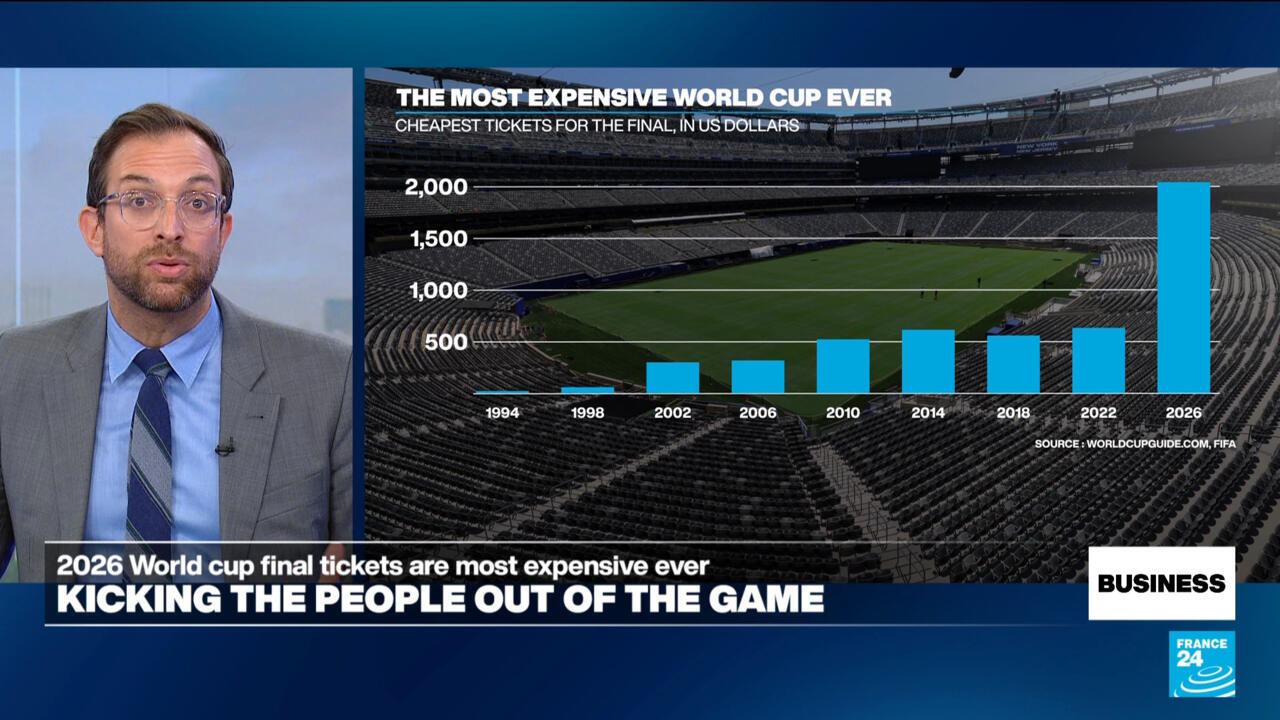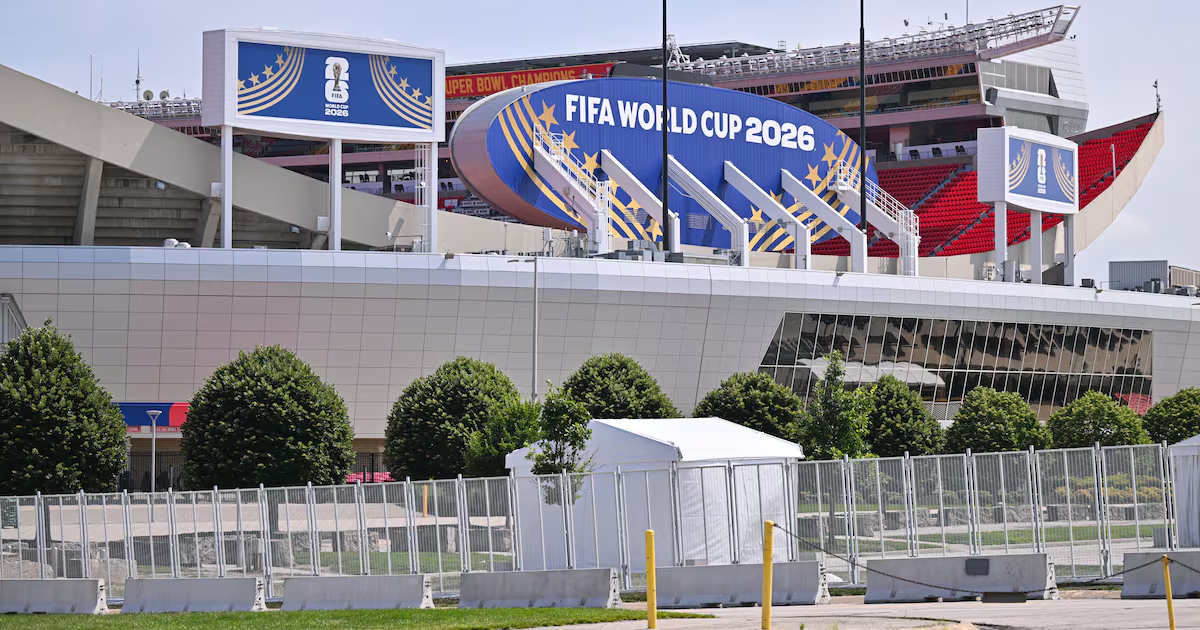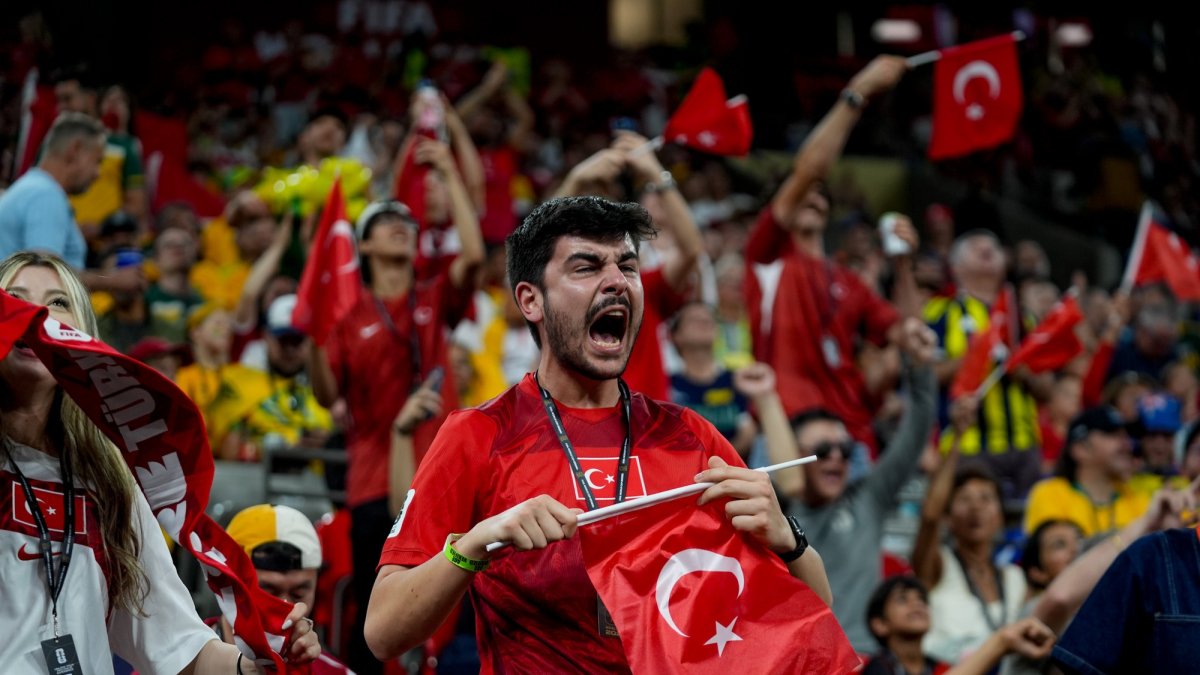
The FIFA 2026 World Cup kicks off next week across Canada, Mexico and the US. But controversy over what’s already the most expensive tournament in history has become its own main event. With ticket prices skyrocketing to six figures, eye-watering costs for everything from transit to parking and fear of the Trump administration’s anti-immigration policies, some fans have sworn off attending at all.Host cities, meanwhile, are scrambling to avoid a loss, looking to offset costs associated with the games by passing them on to consumers and taxpayers. In the New York area, where the World Cup final will be held, New Jersey Transit is offering tickets to Metlife Stadium for $98, a trip that usually costs about $13.Also read: FIFA Group guide: A look at the contenderss in each clusterAnd that’s just one example of the premium tied to the event that promises to earn FIFA as much as $13 billion. On this Bloomberg Originals weekly documentary, we break down the unique nature of this year’s World Cup, and why it may be at risk of an own goal.This was the first year that FIFA introduced dynamic ticket pricing. The governing body of soccer said ticket demand reached unprecedented levels for this tournament, with more than half a billion ticket requests submitted in the first phase of sales.Given the nature of dynamic pricing, more demand causes the prices to rise, which is why the tickets for this year’s World Cup are higher than ever.For host cities, funding for security and transportation was a concern from the beginning. The US government approved $625 million in grants for the 11 US host cities, but it wasn’t distributed until March and still may not be enough to cover expenses.This is especially the case given that cities don’t get any of the revenues from the games — that all goes to FIFA, which says it spends those billions of dollars on developing soccer across the globe. Cities depend on the economic impact of tourist spending and related revenue to recoup their outlay. It rarely happens, however.Also read: FIFA 2026: Japan switches Monterrey training sites ahead of World Cup amidst pitch problems“That’s a good chunk of money, but it’s not nearly enough to deal with the potential security problems,” said Andrew Zimbalist, author and professor of economics at Smith College, of the grants. “If you have that cost on one side and on the other side, you have essentially zero revenues, then you have a net loss of that amount of money. Now, some of that money will be defrayed by local sponsorship deals. Some of it will be defrayed by private donations, but the balance would be defrayed by the taxpayer.”
The hidden cost of the most expensive World Cup ever
The FIFA 2026 World Cup is set to begin soon. However, the tournament is facing significant controversy. Ticket prices have reached unprecedented levels. Host cities are concerned about covering costs. FIFA is expected to earn billions, while cities rely on tourist spending to recoup expenses. This financial model raises questions about potential losses for host locations.
447 words~2 min read