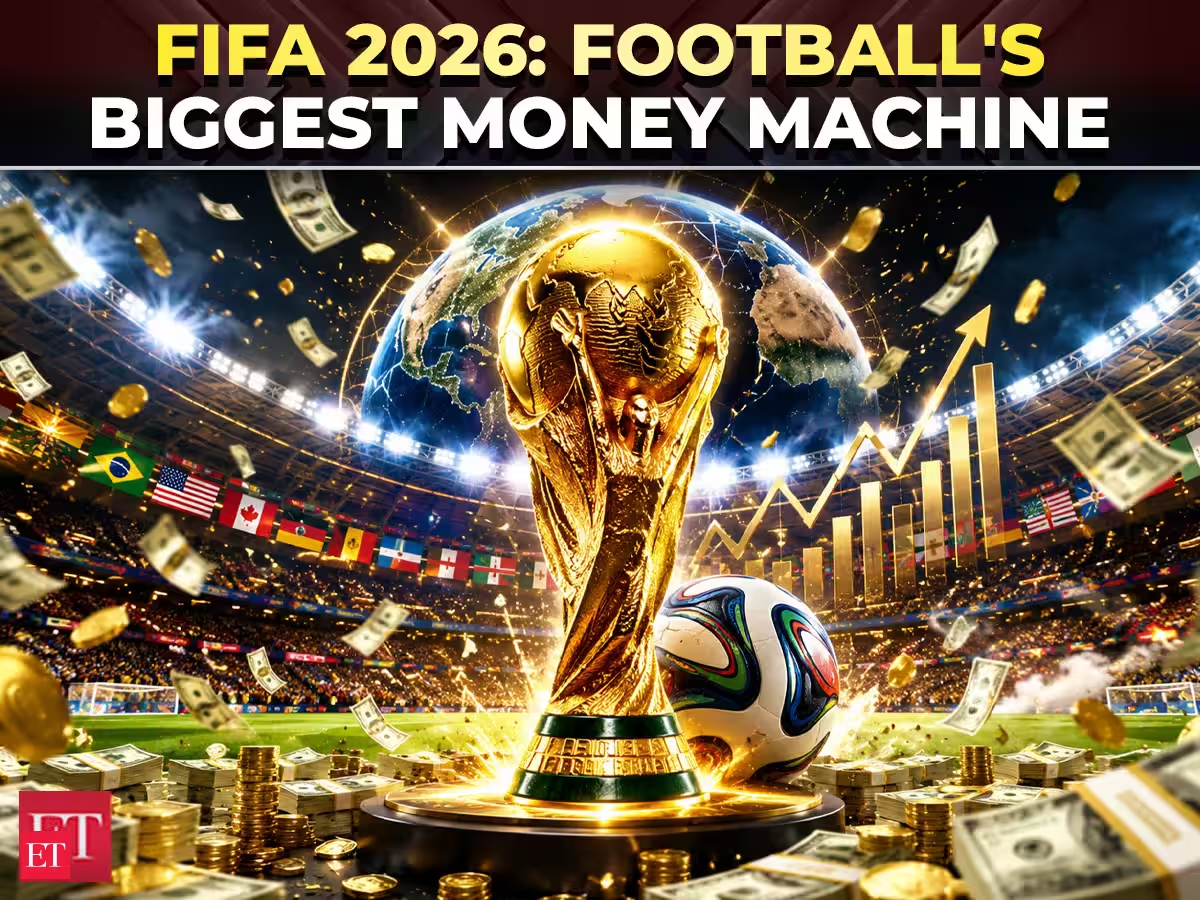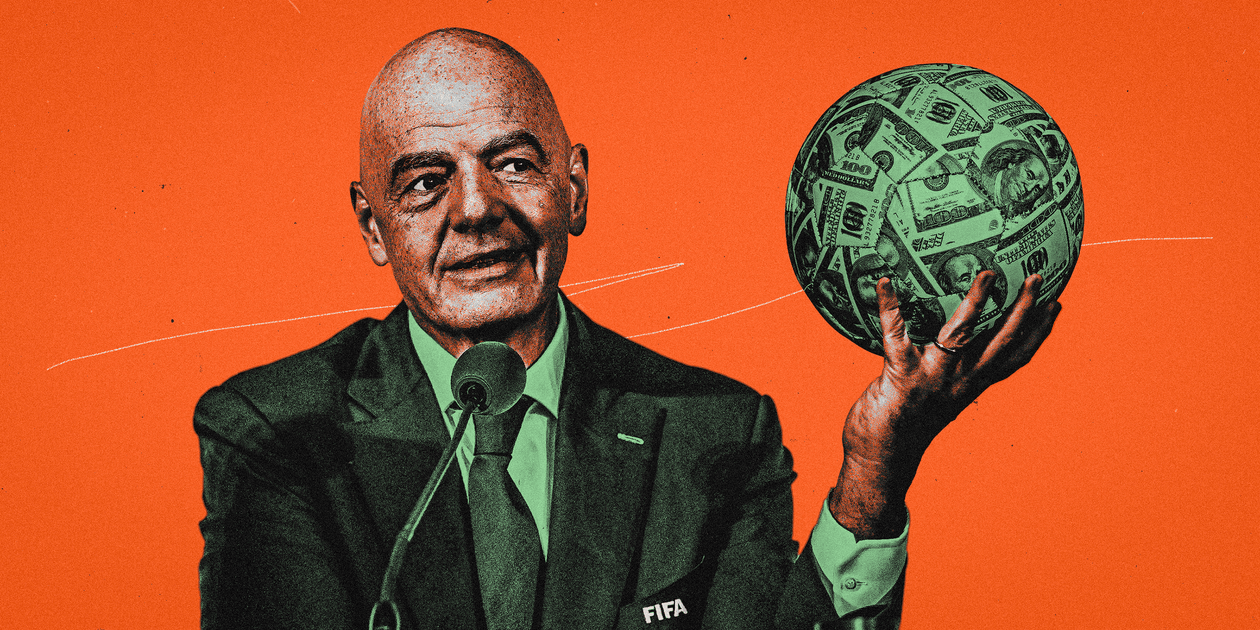
FIFA expects to pull in more than $13 billion from the 2026 World Cup cycle. That would make it the richest football tournament ever staged, by a comfortable margin.
The number reflects the combined haul from broadcasting rights, sponsorship agreements, ticket sales, and other commercial revenue streams tied to a tournament that, for the first time, will feature 48 teams spread across three host nations: the United States, Canada, and Mexico.
Why this World Cup is built different
The expansion from 32 to 48 teams means more matches, more broadcast hours, and more national audiences tuning in for the first time.
The US alone represents the world’s largest advertising market, and staging matches in major American cities gives FIFA access to corporate spending power that European or Middle Eastern host nations can’t quite match. Canada and Mexico add their own sizable media markets to the equation.