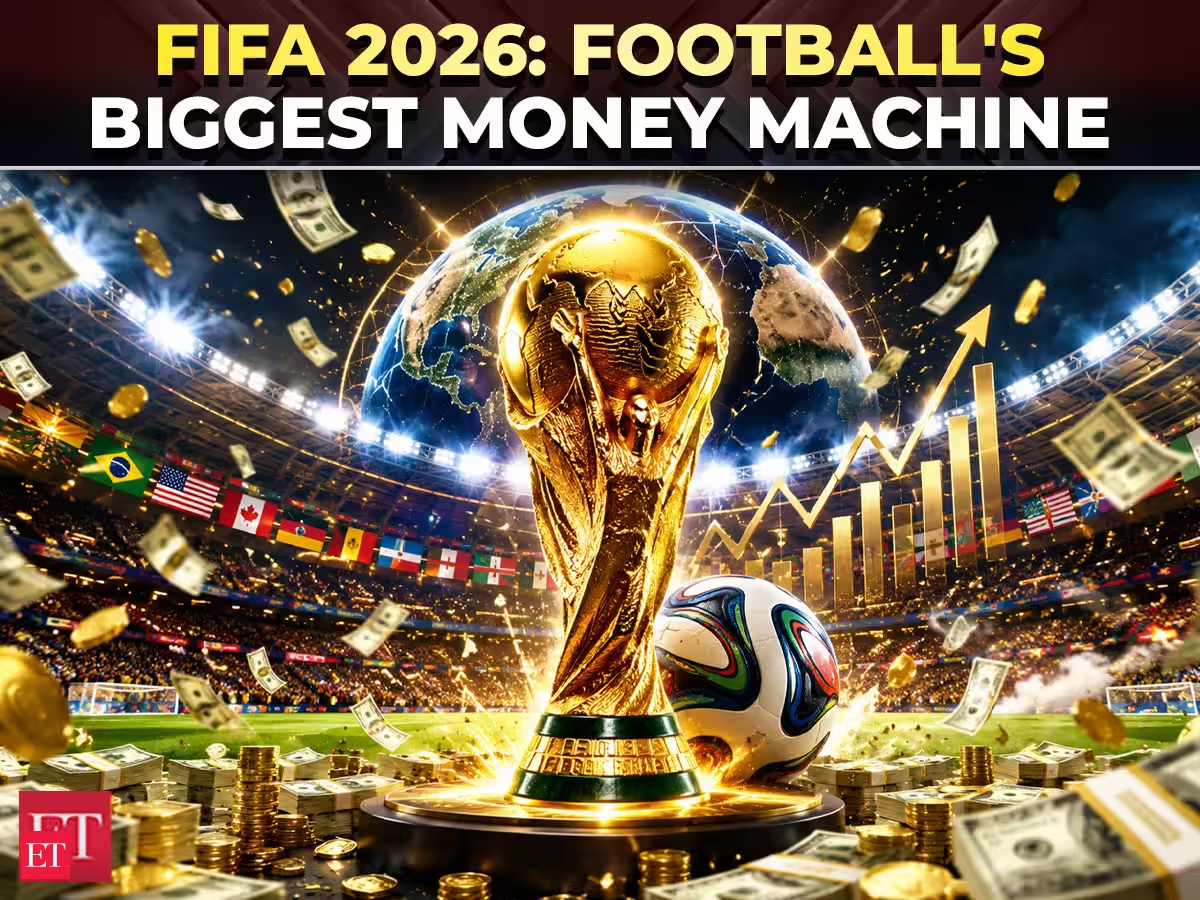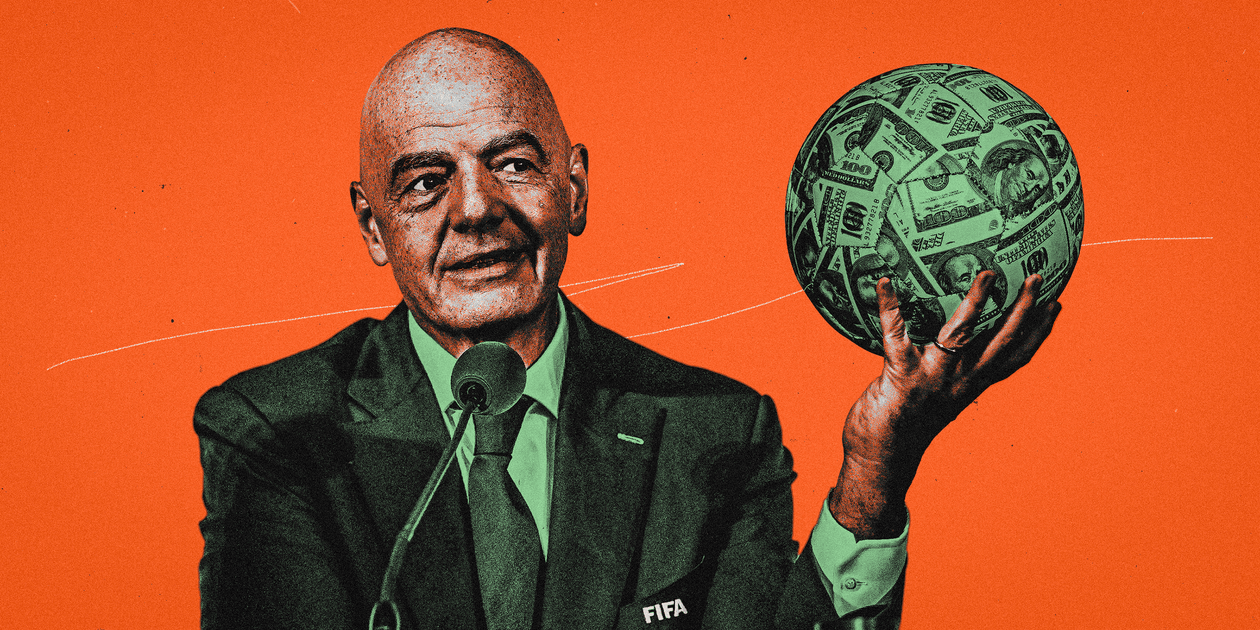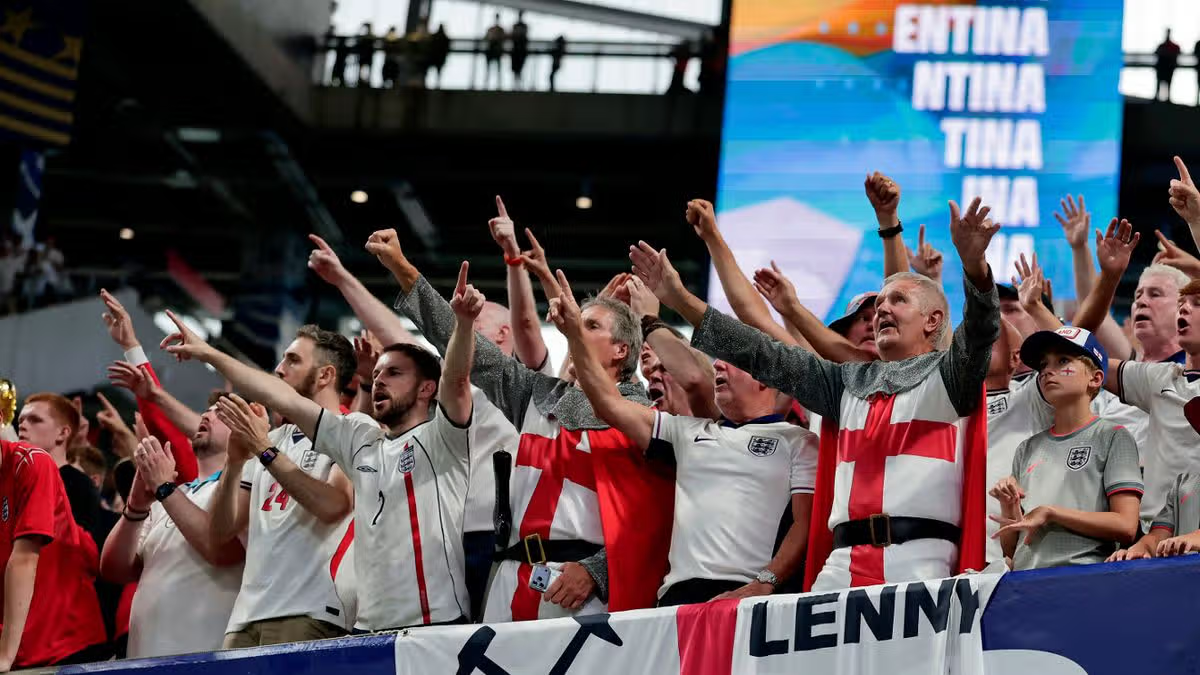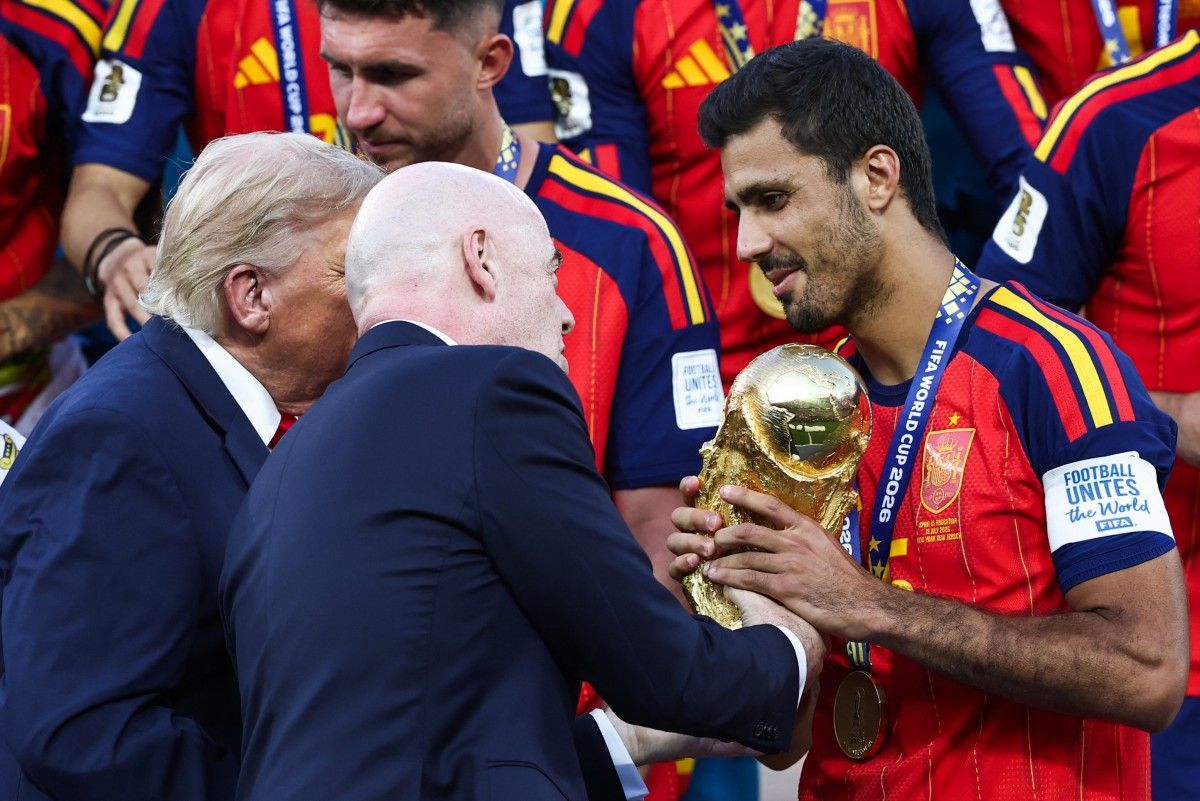
The 2026 FIFA World Cup was not just the biggest tournament in football history, it was also the richest. With 48 teams, 104 matches, record-breaking attendance and unprecedented commercial spending, the tournament underlined how football has evolved into a global business powerhouse.Here's a look at the numbers behind FIFA's finances and the tournament's economic impact:FIFA's biggest revenue cycle yetFIFA is projected to generate $15 billion in revenue during the 2023-2026 cycle, almost double the $7.57 billion earned in the previous four-year cycle. The jump has been driven by an expanded World Cup, higher broadcasting and sponsorship income, and increased commercial activity.By comparison, the NFL generates about $20-23 billion annually, while the International Olympic Committee earns $7-8 billion over an Olympic cycle. UEFA reports $6-7 billion during major competition years, while the BCCI earns around $1-2 billion annually.ET BureauApproximate annual revenueWhere FIFA spends its moneyFootball development remains FIFA's largest area of expenditure. Unlike most major sporting bodies, FIFA is structured as a Swiss non-profit association and reinvests the bulk of its earnings into football rather than distributing profits. That spending spans everything from grassroots development and infrastructure to tournament operations and prize money.$5.1 billion (55%) has been allocated to football development worldwide.$2 billion (22%) will go towards organising the World Cup and other tournaments.$1.25 billion (13%) has been earmarked for prize money and payments to participating teams.The remainder will fund governance, administration and other competitions.Through the FIFA Forward Programme, all 211 member associations receive funding for projects ranging from stadiums and training centres to women's football, grassroots programmes, coaching, refereeing and VAR implementation.ET BureauEstimated spendingRecord prize moneyThe 2026 World Cup features a record prize pool.The expansion from 32 to 48 teams and 64 to 104 matches was accompanied by a 50% increase in performance-based prize money, while every participating nation was guaranteed a minimum payout before the tournament.Champions: $50 millionRunners-up: $33 millionThird place: $29 millionFourth place: $27 millionQuarter-finalists receive $19 million each, while every participating team is guaranteed at least $9 million.ET BureauPrize catchMore than just sponsorshipsThe tournament is estimated to have attracted $10.5 billion in corporate spending globally.While FIFA's sponsorship revenue is estimated at $2.4-2.8 billion, companies are expected to spend another $7.5-8 billion on non-FIFA marketingFans kept spendingThe expanded tournament drew packed stadiums despite premium pricing.According to FIFA, 99.7% of available seats during the group stage were filled, while Reuters reported that more than half of the group-stage matches were sold out.Ticket prices for the final climbed sharply under FIFA's dynamic pricing model, with some seats listed at over $30,000 before the match.The tournament also boosted consumer spending, with quick-commerce platforms, food delivery firms and D2C brands reporting higher sales ahead of the final as fans stocked up on snacks, beverages and party essentials.Beyond the tournamentThe World Cup's economic impact extends beyond football.The event is expected to support 824,000 full-time equivalent jobs globally, including 185,000 jobs in the US and 24,000 in Canada. Regional air transport and airport operations are estimated to receive a $990 million boost.Beyond hosting the event, FIFA continues to invest in long-term legacy projects, including community football centres, coaching programmes, grassroots infrastructure and women's football initiatives across member nations.
FIFAs golden goose and the billions behind the beautiful game
The 2026 FIFA World Cup generated record revenue, becoming football's biggest financial event. FIFA's revenue cycle reached fifteen billion dollars, nearly doubling previous earnings. Football development received the largest share of FIFA's substantial global spending. Corporate spending and fan expenditures significantly boosted the tournament's overall economic impact. The event also created hundreds of thousands of jobs worldwide.
524 words~2 min read