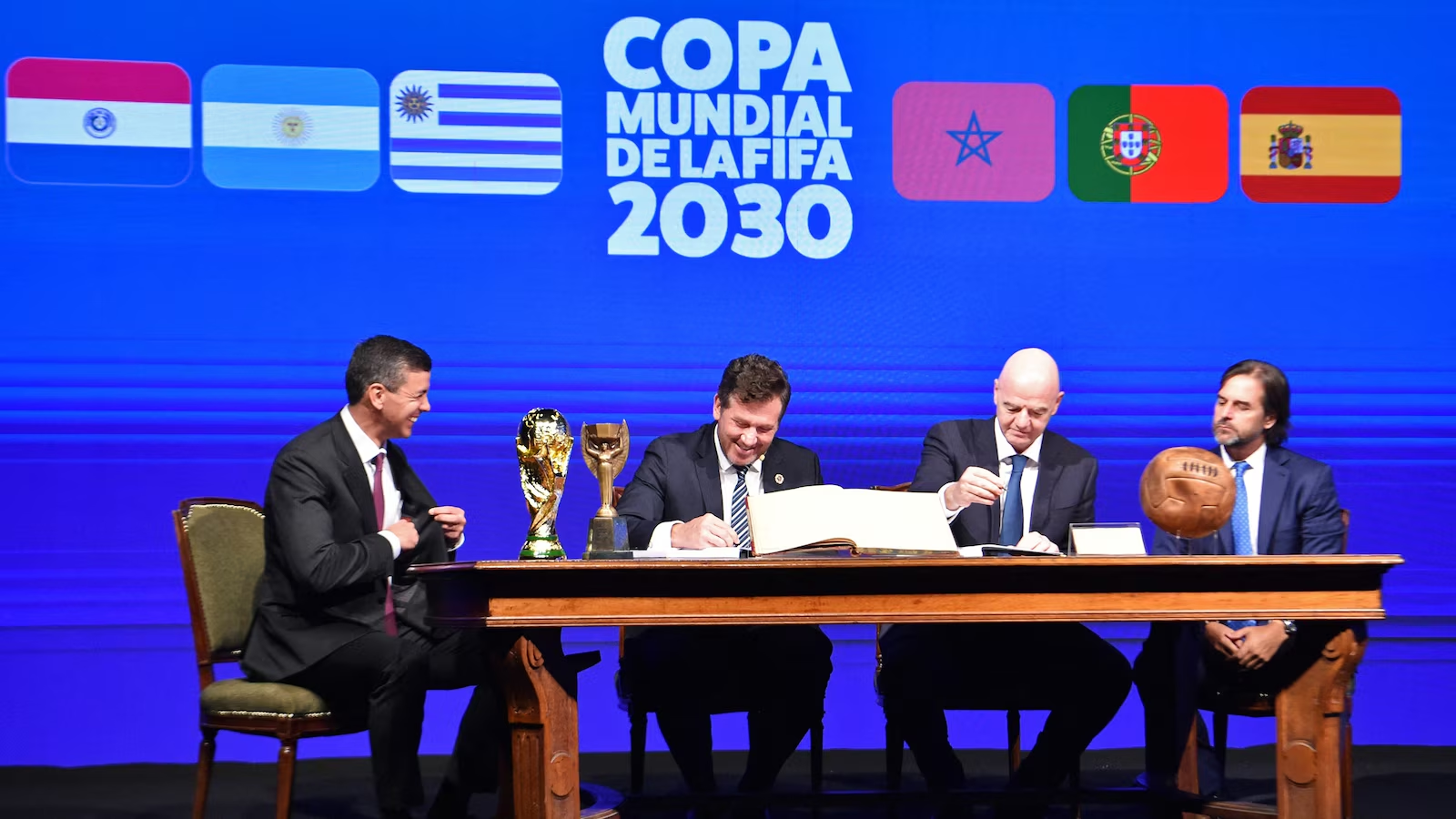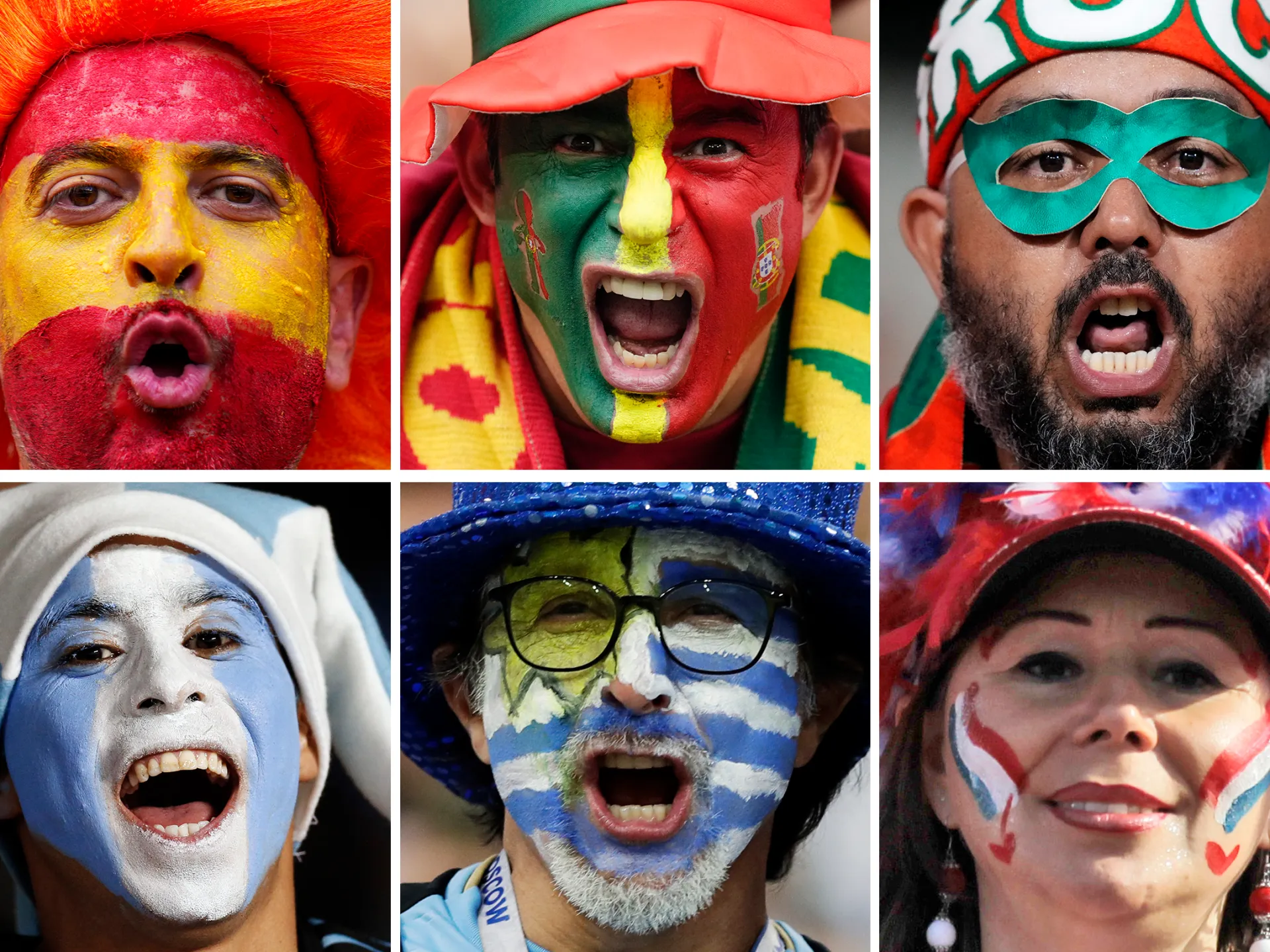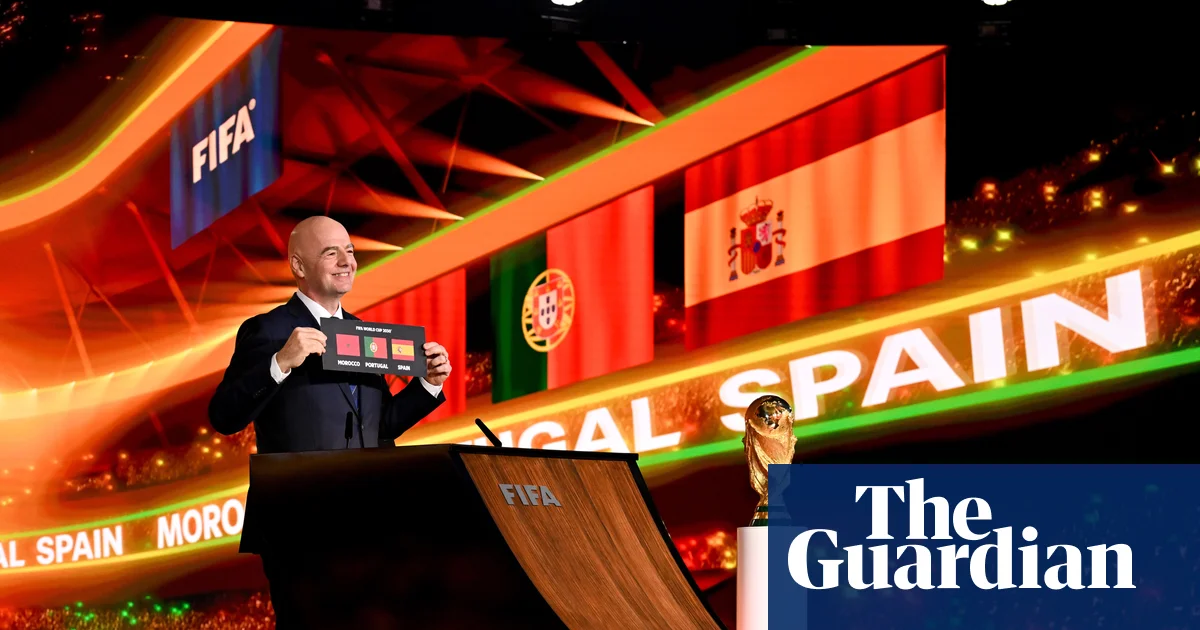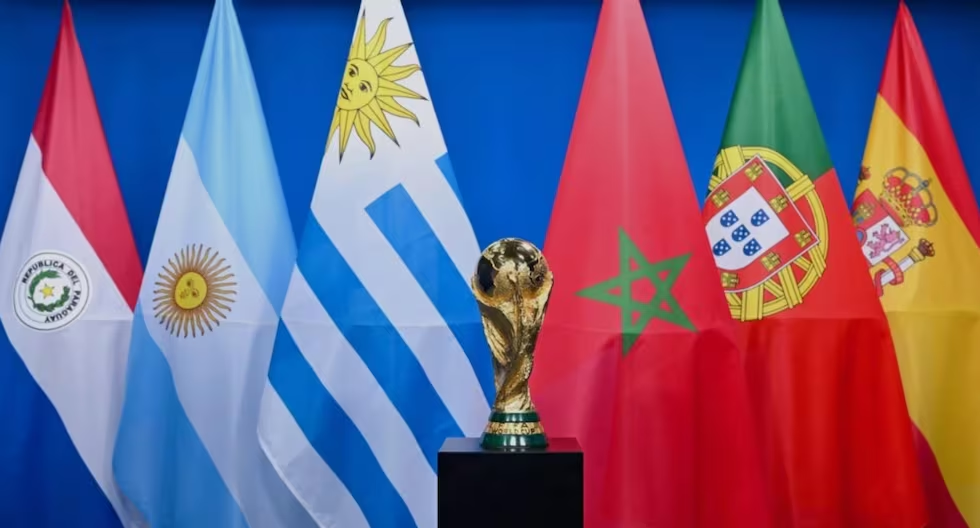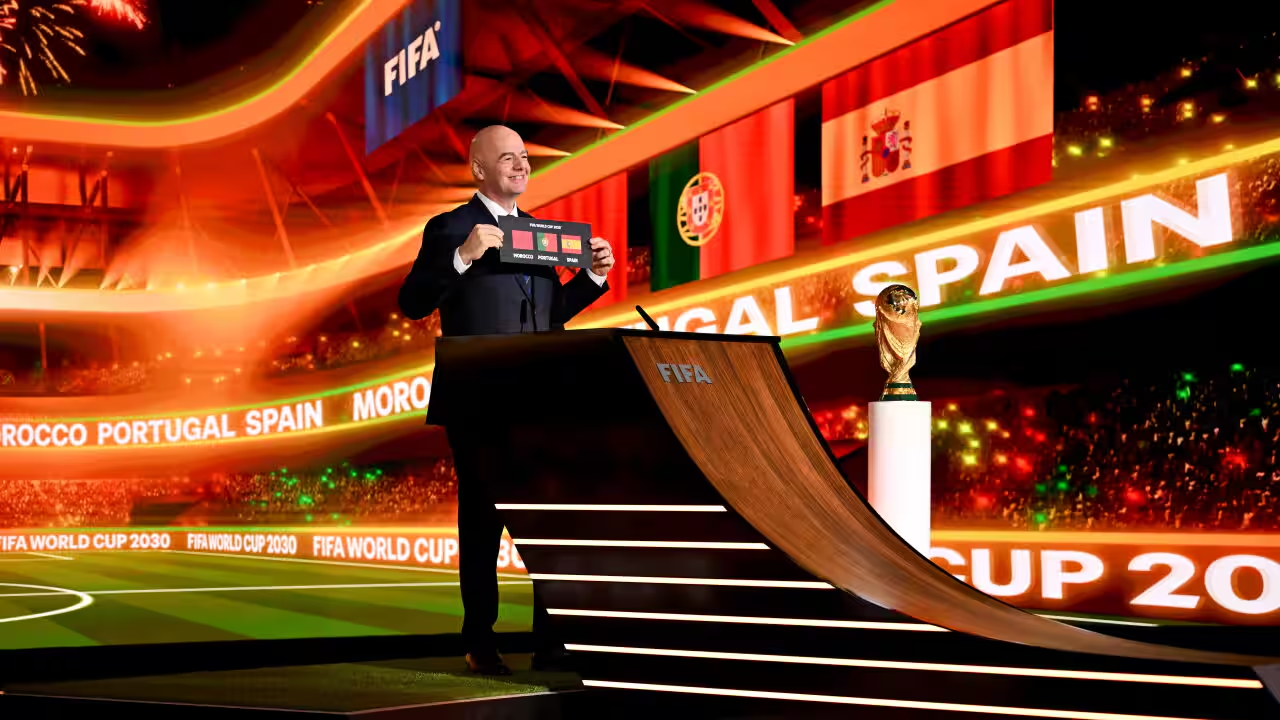
With the 2026 World Cup now in the history books and the expanded tournament delivering plenty of excitement—even if it wasn’t without its flaws—soccer fans are already starting to look ahead to the next global showpiece.The only downside? It’s still four years away, meaning there is plenty of waiting before the world’s best teams meet again on the biggest stage.However, a tournament of this size doesn’t come together overnight. Years of planning, preparation, and coordination are required, meaning much of the groundwork for 2030 is already complete—or well underway.So, where will the tournament be played, what will the format look like and how will the 2030 World Cup unfold?Who Is Hosting the World Cup 2030?FIFA president Gianni Infantino. | Carl Recine/Getty ImagesThe 2026 World Cup made history as the first tournament hosted by three nations, with the United States, Canada, and Mexico sharing the stage.Four years later, the 2030 edition will make history again, with Morocco, Portugal and Spain serving as the main hosts while also celebrating the tournament’s 100th anniversary.As part of the centenary celebrations, a special event and match will be held at Uruguay’s Estadio Centenario in Montevideo, the site of the first World Cup final in 1930. Argentina and Paraguay will also host one match each in Buenos Aires and Asunción.The unique format will make 2030 the first World Cup played across multiple confederations, the first in Africa since 2010 and the first ever held in North Africa. It will also mark hosting debuts for Morocco, Paraguay and Portugal.2030 World Cup Bidding ProcessFIFA opened the bidding process for the 2030 World Cup in 2022, with several nations competing for the right to host the tournament. Due to FIFA’s rotation rules, countries from the AFC and Concacaf confederations were unable to bid after Qatar hosted the 2022 edition and the United States, Canada and Mexico were selected for 2026.Spain and Portugal had already been working on a joint bid, before Morocco joined the proposal in 2023 after several previous unsuccessful attempts to host the tournament.In December 2024, FIFA officially confirmed Morocco, Portugal and Spain as the main hosts of the 2030 World Cup, with Uruguay, Argentina and Paraguay receiving special centenary matches.Which Cities and Stadiums Will Host Matches at the 2030 World Cup?The Camp Nou is still under renovation worrk. | Meng Dingbo/Xinhua/Getty ImagesThe final list of stadiums for the 2030 World Cup is still to be confirmed, but an impressive lineup of proposed venues has already been submitted across the host nations.A total of 23 stadiums were included in the official hosting plans approved by FIFA and its member associations at the Extraordinary FIFA Congress on December 11, 2024.Among the standout venues are some of Europe’s most iconic grounds, including Barcelona’s renovated Camp Nou, which is expected to become the continent’s largest World Cup stadium with a planned capacity of around 105,000. Atlético Madrid’s Metropolitano, Real Madrid’s Santiago Bernabéu, Portugal’s Estádio do Dragão and Benfica’s Estádio da Luz are also part of the proposals.Morocco’s centerpiece will be a brand-new showpiece: the Hassan II Stadium in Casablanca, set to become the crown jewel of the country’s World Cup hosting plans.2030 World Cup: Full List of Proposed VenuesCountryCityStadiumArgentinaBuenos AiresEstadio MonumentalMoroccoAgadirAdrar StadiumMoroccoCasablancaHassan II StadiumMoroccoFezFez StadiumMoroccoMarrakeshMarrakesh StadiumMoroccoRabatPrince Moulay Abdellah StadiumMoroccoTangierIbn Batouta StadiumParaguayAsunciónEstadio Osvaldo Domínguez DibbPortugalLisbonEstádio da LuzPortugalLisbonEstádio José AlvaladePortugalPortoEstádio do DragãoSpainBarcelonaCamp NouSpainBarcelonaRCDE StadiumSpainBilbaoSan Mamés StadiumSpainLas PalmasEstadio Gran CanariaSpainMadridSantiago BernabéuSpainMadridMetropolitano StadiumSpainSan SebastiánAnoeta StadiumSpainSevilleEstadio de La CartujaSpainValenciaNou MestallaSpainVigoBalaídos StadiumSpainZaragozaNueva RomaredaUruguayMontevideoEstadio CentenarioHow Many Teams Will Play at the 2030 World Cup?There will again be 48 teams at the 2030 World Cup. | Omar Vega/FIFA/Getty ImagesAt this stage, the exact number of teams competing at the 2030 World Cup remains undecided.The expectation was that the tournament would follow the same 48-team format introduced at the 2026 World Cup, but FIFA president Gianni Infantino sparked debate in July 2026 by suggesting the competition could expand even further to 64 nations.“These are all issues that we will be examining after the World Cup,” Infantino remarked. “When organizing a World Cup, it’s important to organize it for the whole world - not just Europe and South America, but effectively the entire world. Every nation should be allowed to dream of participating in the World Cup.”A formal proposal from South American governing body CONMEBOL to increase the tournament size was submitted in April 2025, although FIFA has yet to make a final decision.However, the proposal has faced significant opposition. Critics argue that adding more teams could reduce the tournament’s quality, create scheduling problems and place further strain on players.UEFA president Aleksander Čeferin described the idea as a “bad idea,” warning it would negatively impact both the World Cup itself and qualifying campaigns. AFC president Sheikh Salman bin Ibrahim Al Khalifa also rejected the proposal, saying further expansion could create “chaos,” while Concacaf president Victor Montagliani said the idea “doesn’t feel right” and could harm the wider soccer ecosystem.2030 World Cup Qualification ChangesSpain qualify automatically as hosts. | Ryan Pierse/FIFA/Getty ImagesOn top of bringing several historic firsts—from becoming the first World Cup linked to multiple confederations to potentially featuring a record 64 teams—the 2030 tournament will also introduce major changes to qualification, with UEFA and Concacaf both adopting new formats aimed at creating more competitive matches.UEFA’s revamped system will feature a two-tier structure. The 36 highest-ranked European nations, determined by the 2028–29 Nations League rankings, will compete in the top division, split into groups where teams face selected opponents rather than every nation in their group. The strongest performers will secure automatic qualification, while the remaining spots will be decided through playoffs.The continent’s lower-ranked nations will compete in a second division, with the best-performing teams earning a playoff route alongside those who narrowly miss out on automatic qualification. The changes are designed to increase the importance of every match while reducing one-sided fixtures between Europe’s biggest nations and smaller teams.Concacaf will also introduce a three-round qualifying format. After an opening playoff stage, teams will move into group competition alongside the region’s highest-ranked nations. The final phase will feature 12 teams battling for World Cup places, with group winners qualifying directly and additional teams competing through playoffs for the remaining spots.As of now, six teams have already secured their places at the tournament: the three official hosts—Spain, Portugal and Morocco—as well as the centenary celebration hosts—Argentina, Paraguay, and Uruguay.2030 World Cup: Frequently Asked QuestionsWhich Countries are Hosting the World Cup 2030?The 2030 World Cup will be primarily hosted by Morocco, Portugal and Spain. To celebrate the tournament’s 100th anniversary, Uruguay, Argentina and Paraguay will also host one commemorative match each, with the celebrations beginning in South America.Where Is The 2030 World Cup Final Expected To Be Held?The final is expected to take place in Spain, with the Santiago Bernabéu in Madrid and Barcelona’s renovated Camp Nou among the leading contenders to host the tournament’s showpiece match.When Does The 2030 World Cup Start?The tournament is expected to begin in June 2030, with special centenary matches taking place in South America before the main competition gets underway in Morocco, Portugal and Spain. The exact schedule and kickoff dates will be confirmed by FIFA at a later stage.READ THE LATEST WORLD CUP NEWS, PREVIEWS & ANALYSIS HEREAdd us as a preferred source on GoogleFollow
2030 World Cup: Host, Locations and Format
The 2030 World Cup will be a landmark occasion for many reasons, from celebrating the tournament’s 100-year history to creating a format that breaks new ground.
1,200 words~5 min read