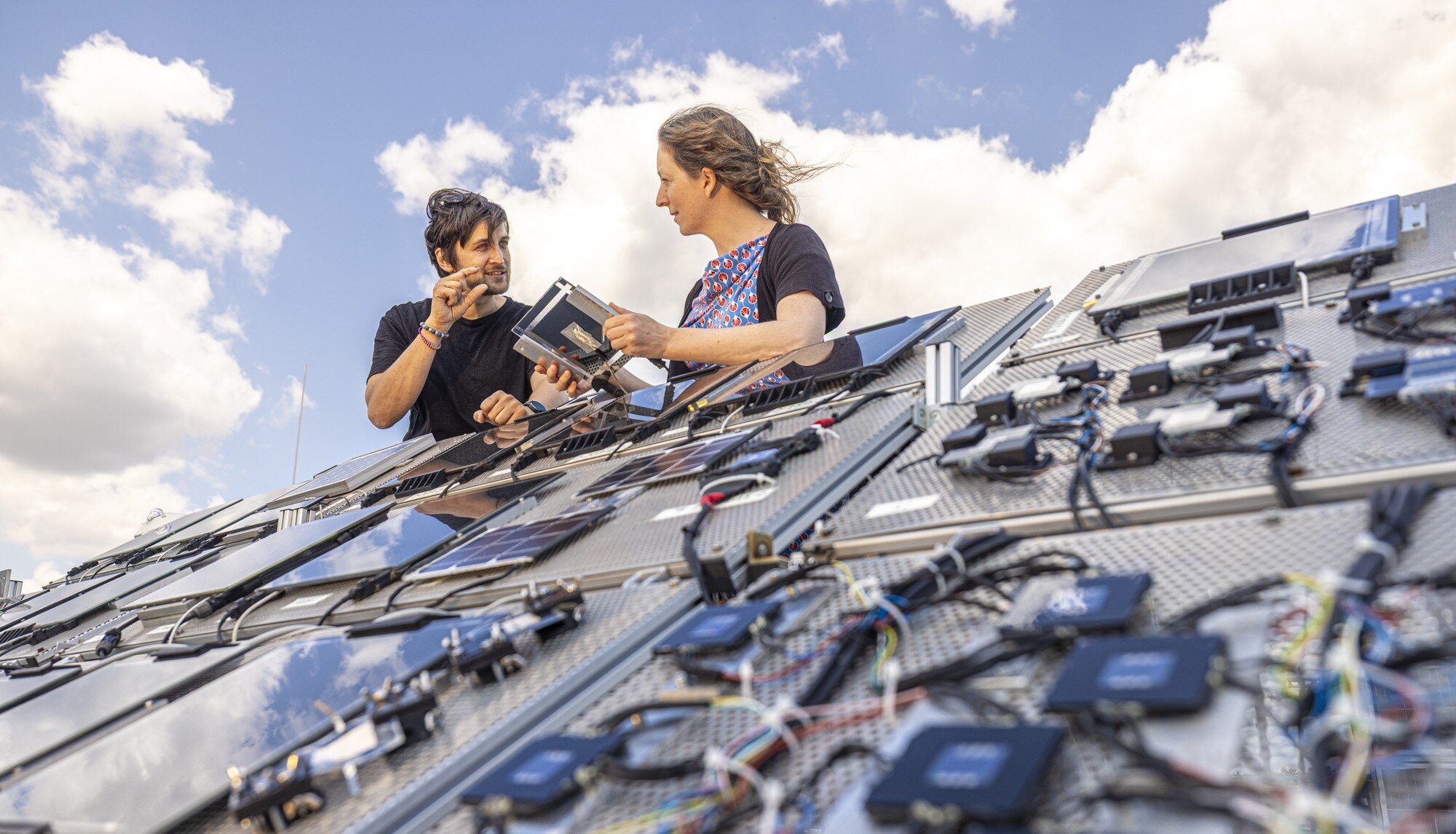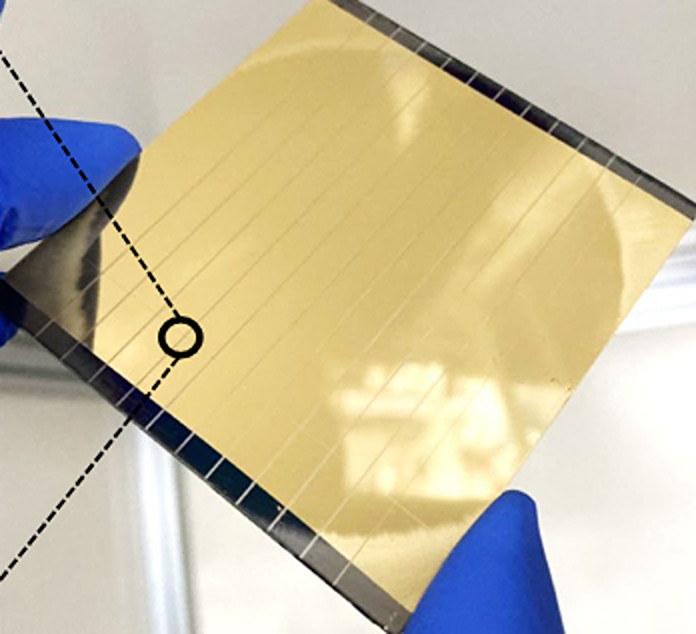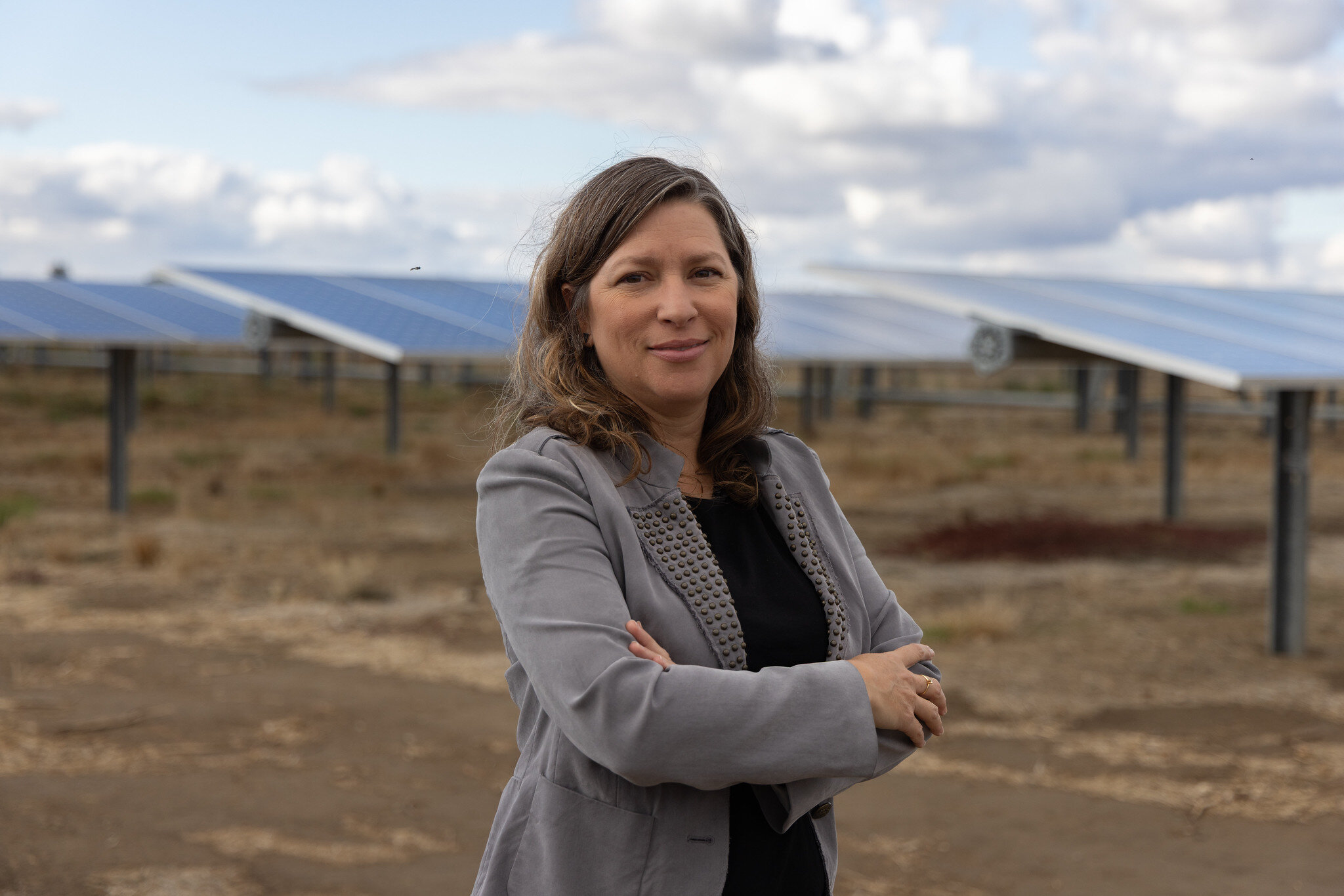
Marina Leite, a UC Davis professor of Materials Science and Engineering, stands in front of rows of solar panels. Her new study focuses on perovskite solar cells, which are cheaper and more efficient but less stable than silicon-based ones. Credit: Mario Rodriguez / UC Davis
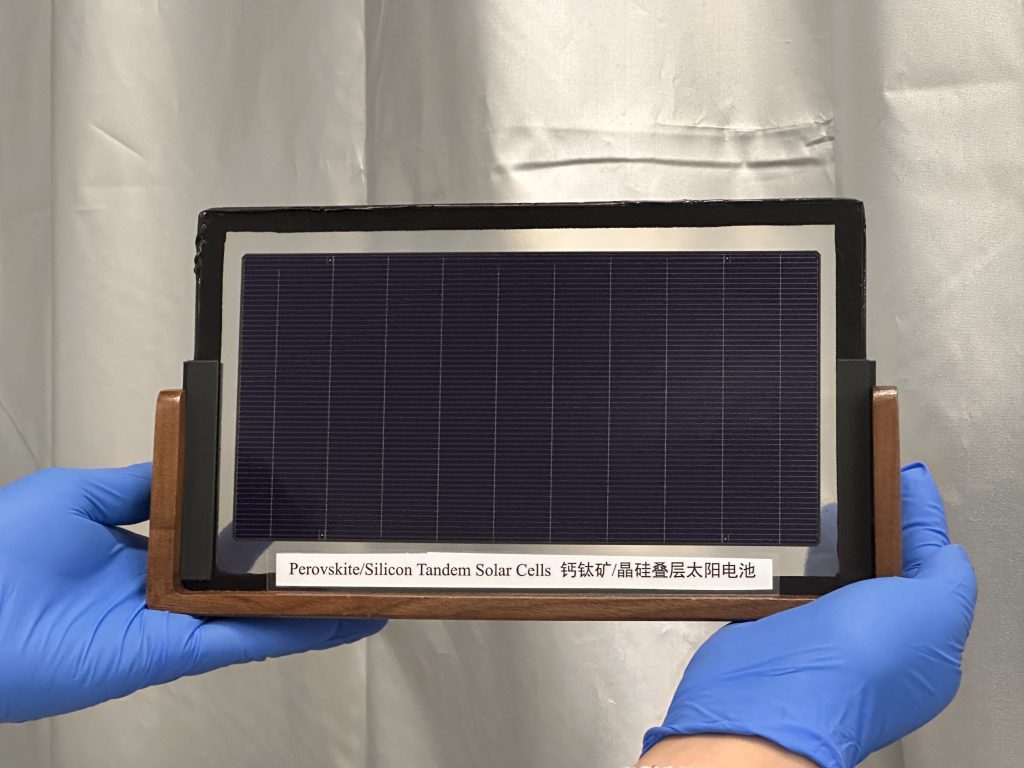
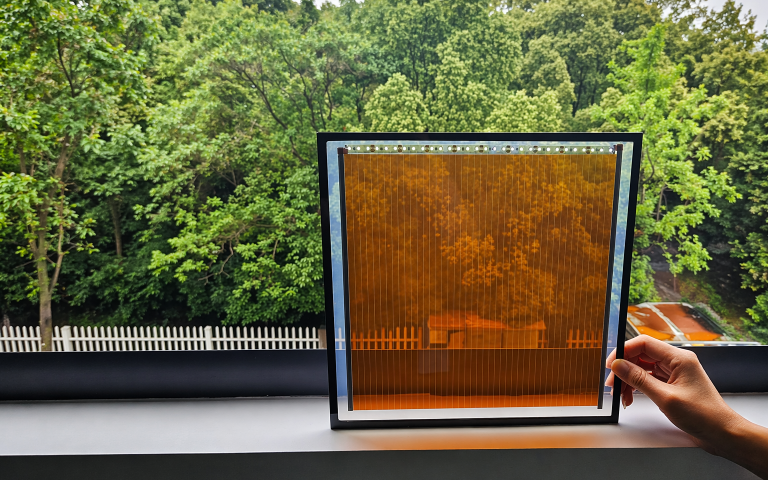
Perovskite solar cells have gained considerable momentum in the search for cheaper, more efficient solar energy. However, the materials degrade over time, limiting their widespread commercial use. To overcome one of the biggest barriers to commercializing perovskite solar cells, Marina Leite, a professor of materials science and engineering at the University of California, Davis, and an interdisciplinary team of researchers are harnessing AI.
In a paper published in Advanced Materials, the researchers demonstrated how AI can dramatically accelerate research. Instead of relying solely on trial-and-error experimentation, the team used AI to learn from thousands of automated experiments and accurately predict how new material compositions will respond to heat, a significant environmental stressor, to identify the most promising materials more quickly.
The search for stable perovskites
Compared with conventional silicon solar cells, perovskites are lighter, more flexible, less expensive to manufacture and highly efficient. However, they are unstable in response to environmental stressors such as heat, moisture and light, which limits their scalability.