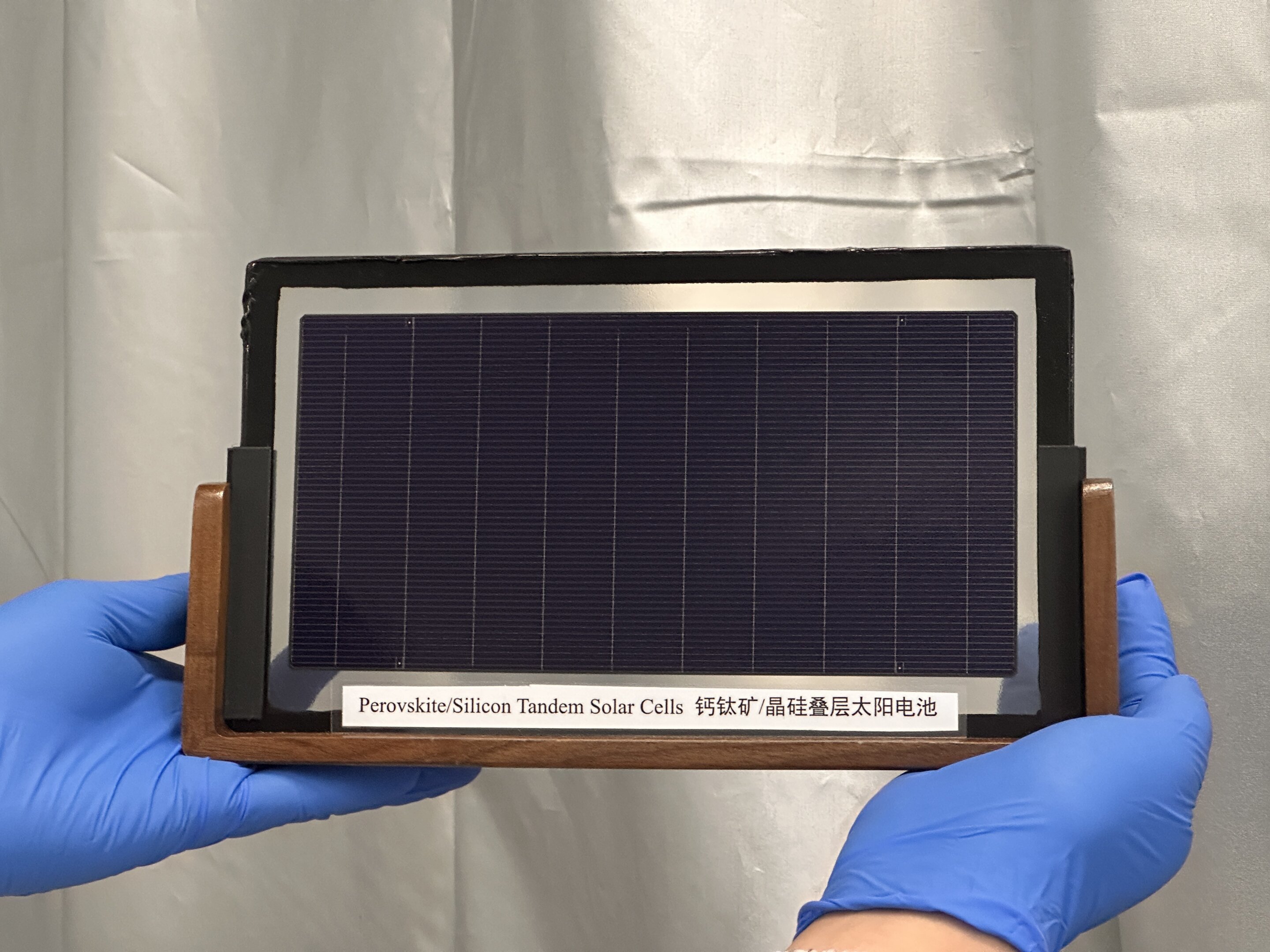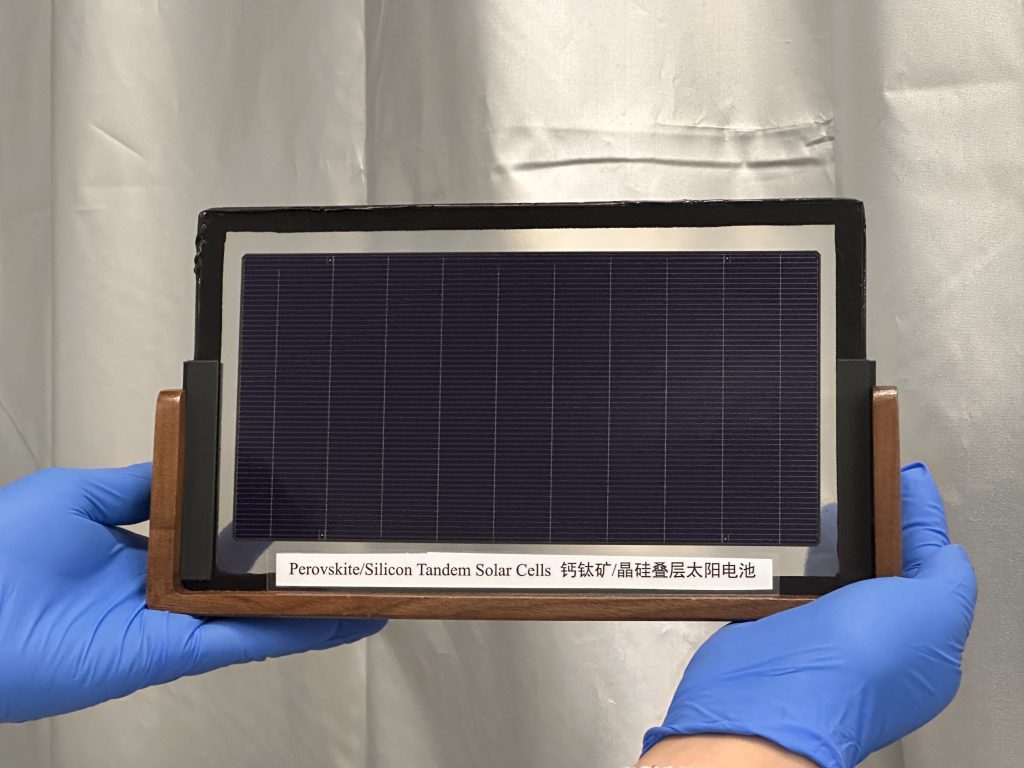
An international team of researchers has successfully built the first high-performance, commercial-scale tandem solar cell that does not rely on indium, a scarce and expensive metal, replacing it instead with a material that is far more abundant and costs one per cent as much.
One of the many challenges facing the clean energy industry is its frequent reliance upon rare earth materials that are, as the name suggests, scarce, therefore expensive, and often mined in morally dubious conditions, at best.
This is specifically the case for indium, which is extracted exclusively as a byproduct of processing base-metal ores such as zinc sulphide. Indium therefore only occurs in trace amounts and, despite its use in a wide range of electronics, its limited supply presents costly challenges for large-scale manufacturing.
In an effort to bypass these inherent inefficiencies, a group of international researchers from China, Australia, and the UK have successfully built a high-performance and commercially sized tandem solar cell that switches out indium-based oxide with tin oxide, without sacrificing performance.
The breakthrough creation, published in the journal Science, could bring next-generation tandem solar cells one step closer to commercial production, paving the way for cheaper solar panels that also generate more electricity from the same amount of sunlight.