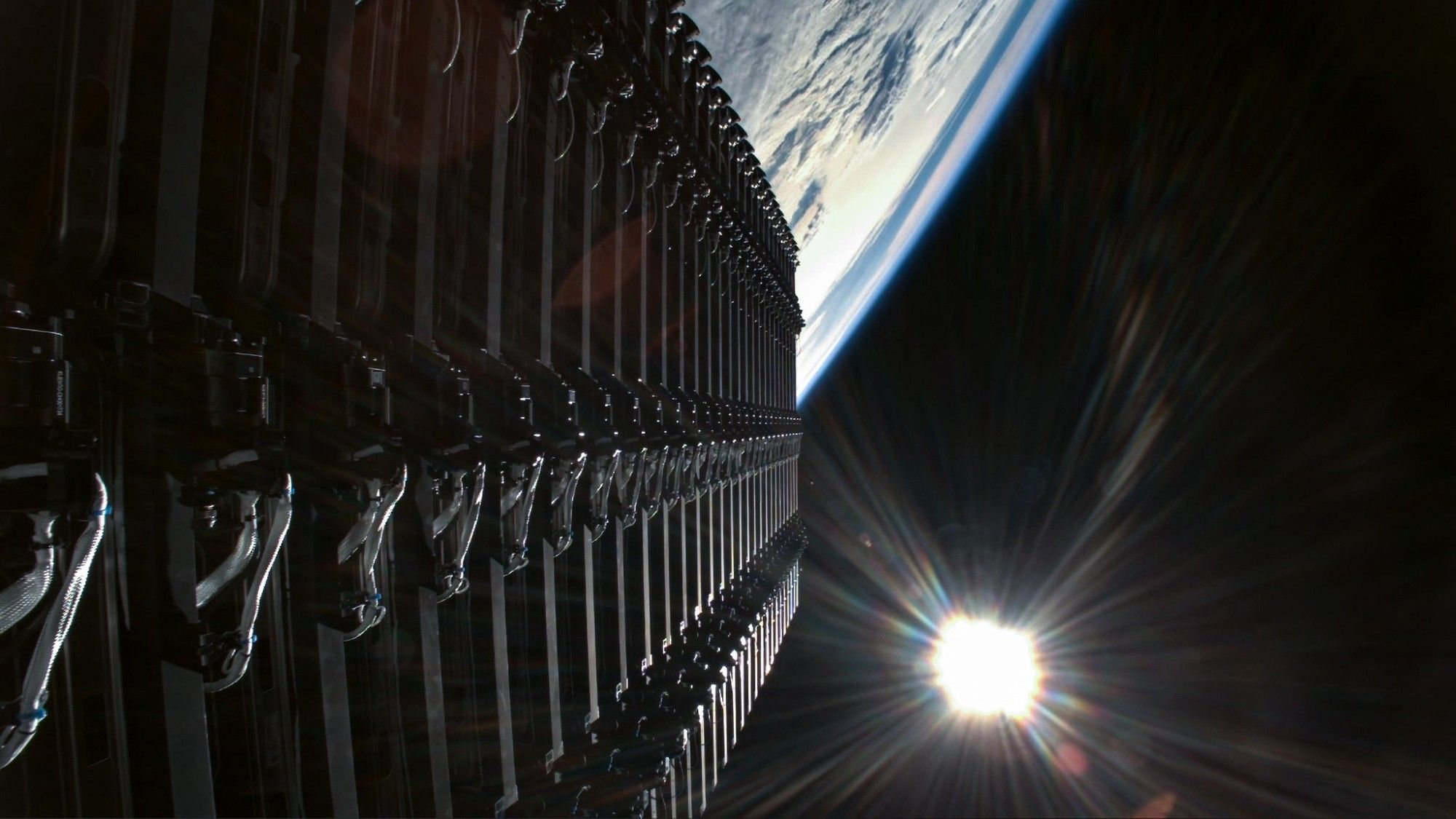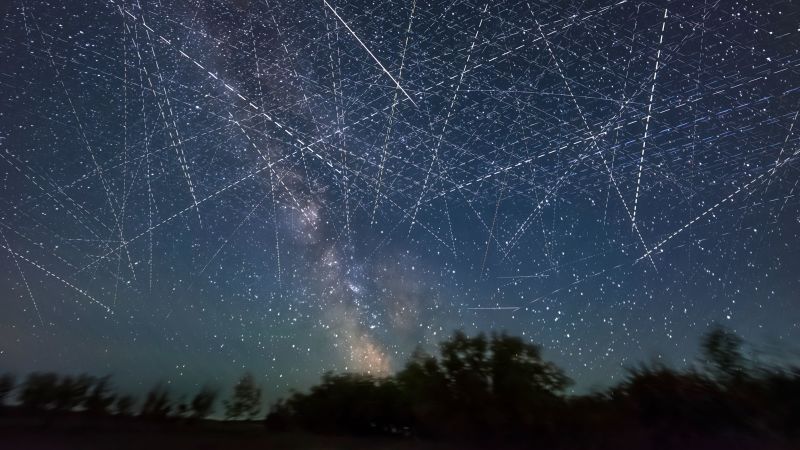
As the number of satellites orbiting Earth continues to grow, so does the risk of crashes between these spacecraft. Such collisions could create fields of debris, potentially rendering entire areas of orbit useless.
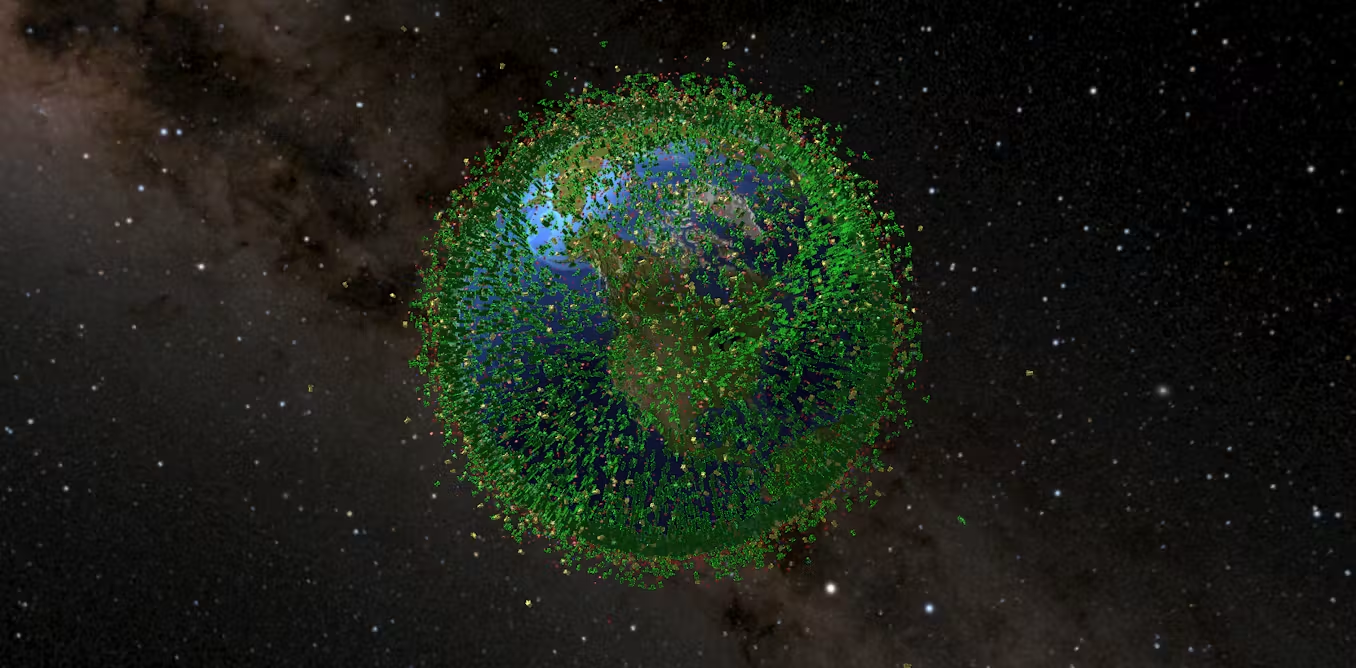
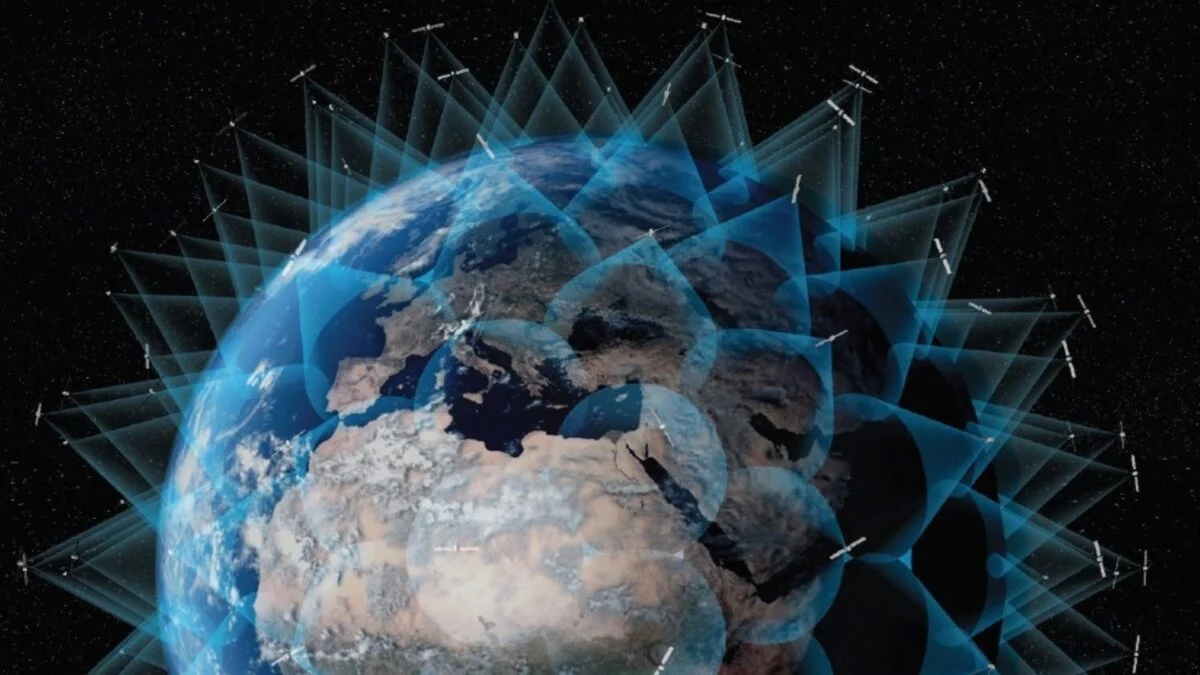
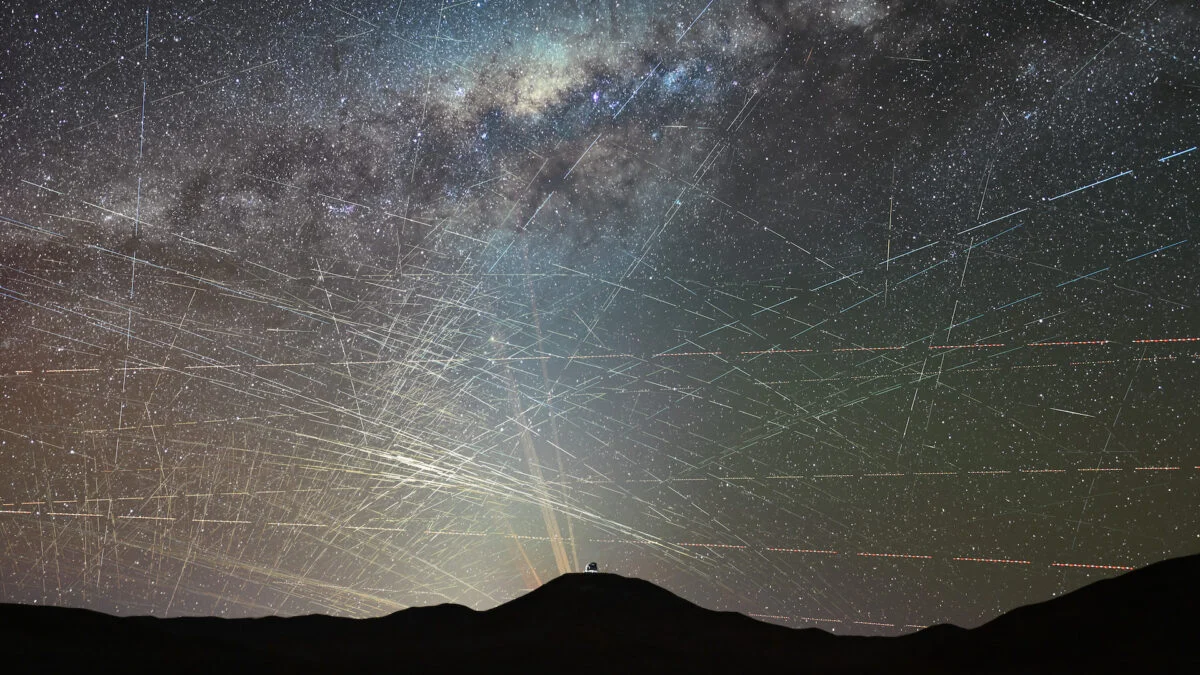
Objects in space have crashed, or had near misses, in the past. But while such incidents remain extremely rare, there are now more than 18,000 active and inactive satellites in orbit — a number that has more than doubled in the past six years alone. And the vast majority of them are located in the same region, low-Earth orbit, where the increased congestion is making collisions statistically more likely.
Now, the US Federal Communications Commission has adopted a new set of rules, which is largely supported by the industry, that would “modernize” the approval process for satellites and create new “space safety” provisions. Specifically, the rules would require satellite operators to share real-time tracking data so that space traffic managers can gain a more holistic understanding of where objects are in orbit. Historically, it has been dangerously difficult to predict potential collisions.
But while the FCC rules themselves are not widely objectionable, they are reigniting a turf war over who gets to call the shots on space.