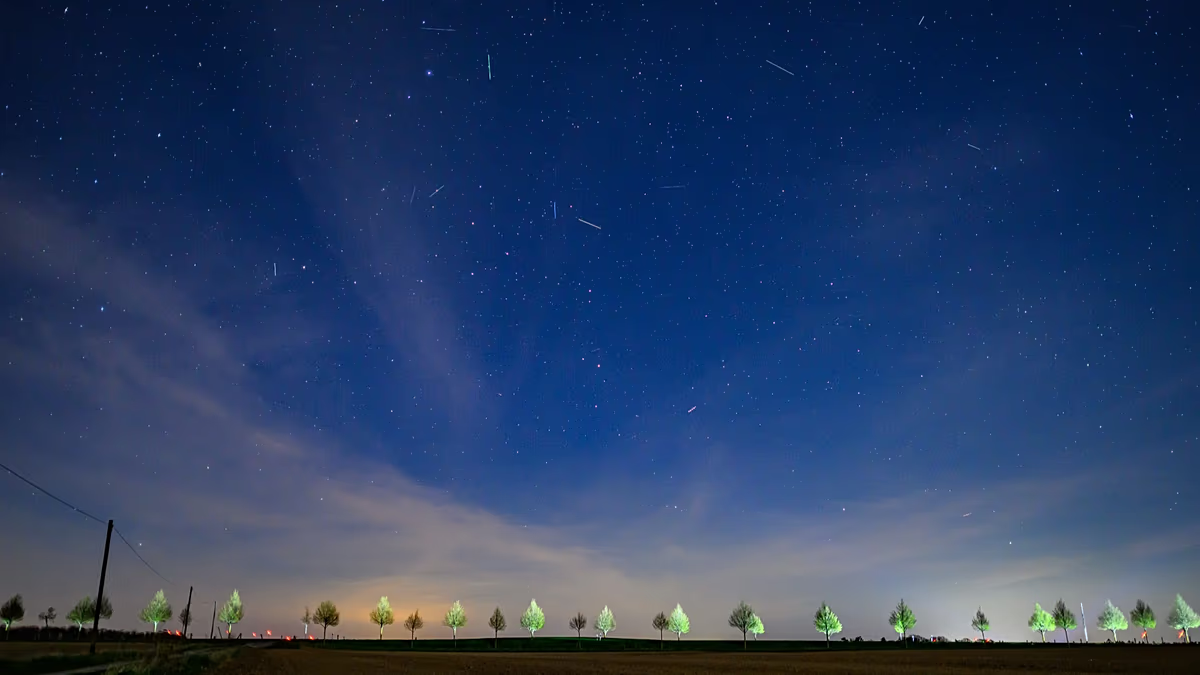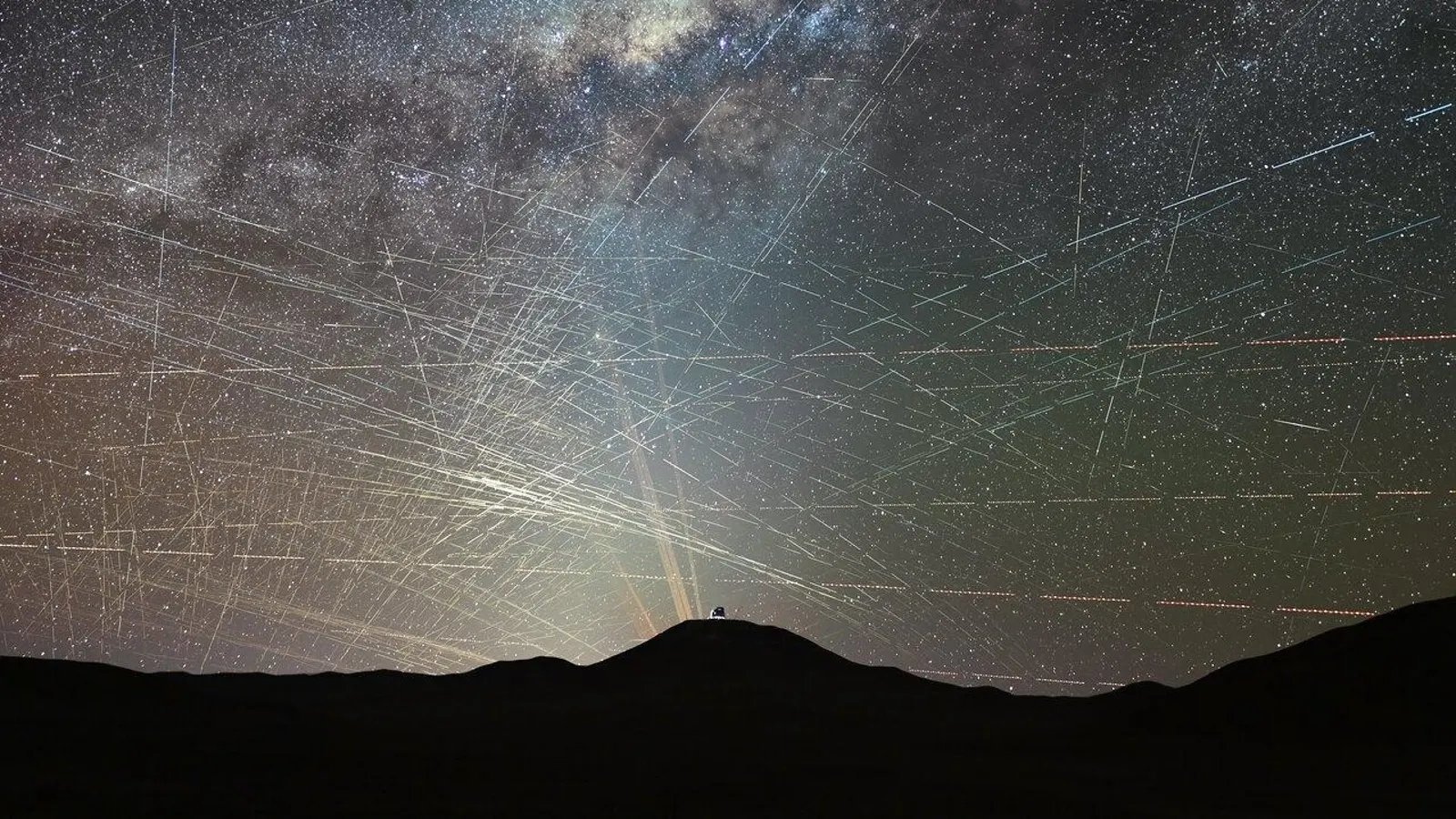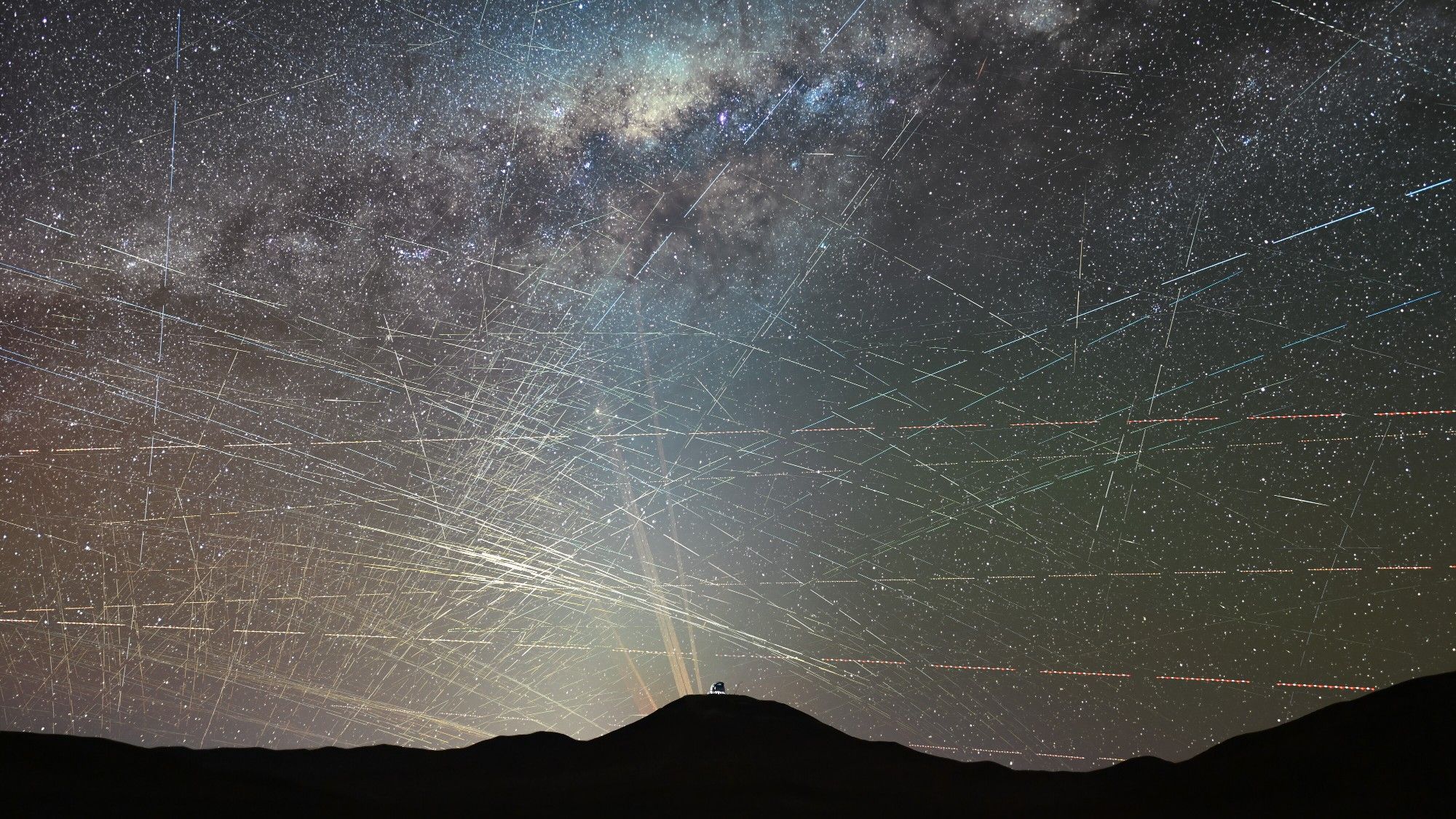
Astronomers warn that large satellite constellations planned by several private companies could have a catastrophic impact on the night sky. A pass of the International Space Station is seen here.
(Image credit: Alan Dyer/VWPics/Universal Images Group via Getty Images)
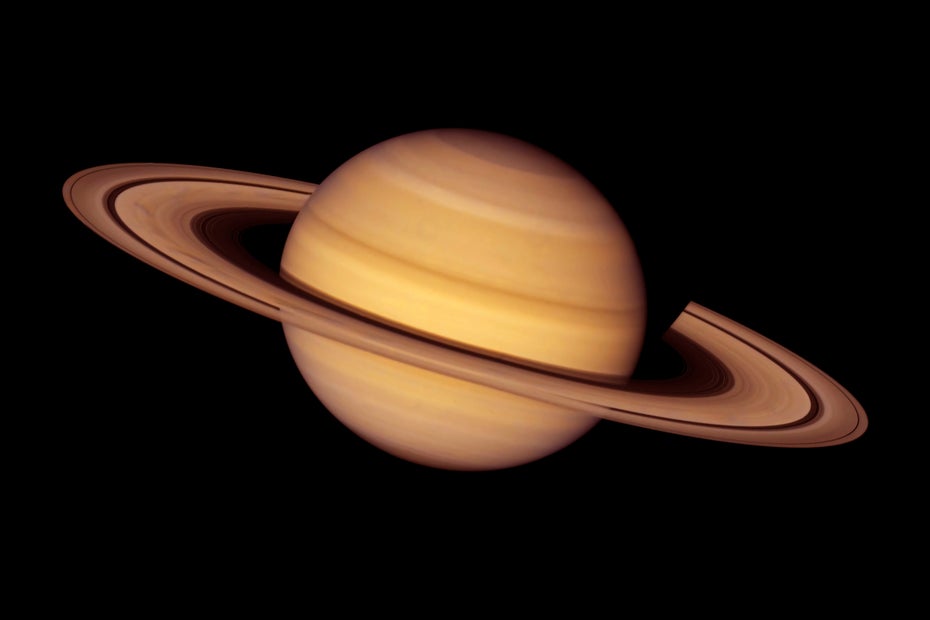
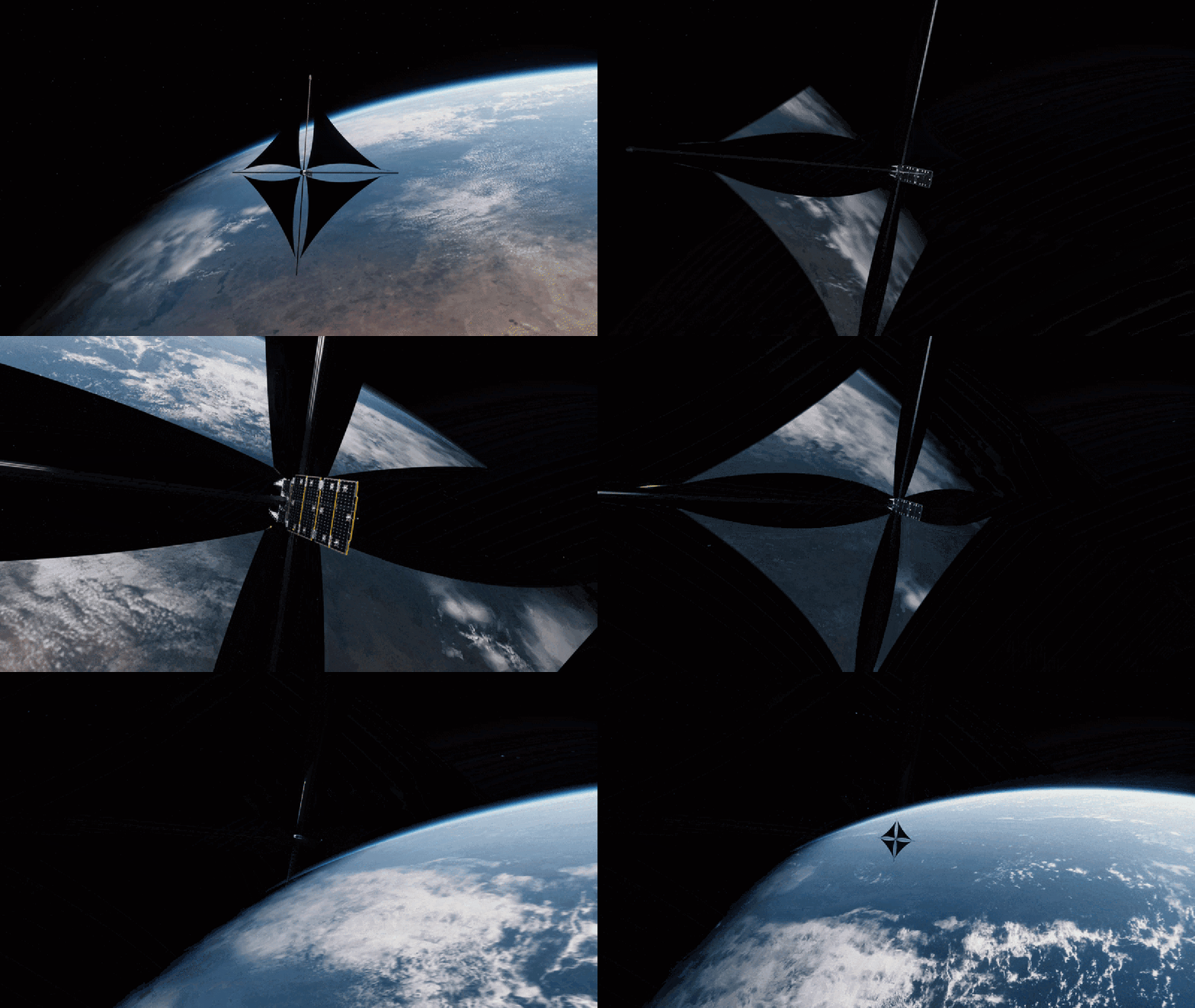
A bright "Saturn's ring" of satellites could circle the night sky if plans to launch a million data center spacecraft and tens of thousands of space mirrors come to pass. This ring, traversing the sky for hours after dusk and before dawn, would outshine every star and planet, and be visible from every spot on Earth.Hugh Lewis, a professor of astronautics at the University of Birmingham in, the U.K., told Space.com that the only way to accommodate the high number of data center constellations that have been proposed is to stack them above another in orbit above the boundary between day and night, creating an artificial "Saturn's Ring" of satellites around the planet. That ring would show in the sky as a luminous band much brighter than any star or planet and even the full moon."If you were to look up at night, they would be all in one plane, really close together, going in the same direction," said Lewis. "The impact on the night sky would be absolutely catastrophic."The next time you're away from urban light pollution, spend some time outdoors after dark and enjoy the view of the Milky Way and the constellations that have inspired awe since humankind woke to consciousness. Chances are those views are not here to stay forever.Such a notion would have seemed like science fiction only a few years ago, but since the orbital data center frenzy kicked off last year, the once-fanciful prospect has become a distinct possibility.A flurry of companies including SpaceX, Starcloud, Cowboy Space, Orbital and Blue Origin have applied to the U.S. Federal Communications Commission (FCC) for licenses to launch more than a million data center satellites combined. China has already jumped on that bandwagon, too, with plans to develop an orbital data center network within the next five years.On top of those projects, California-based Reflect Orbital wants to launch 50,000 orbiting mirrors into space to reflect sunlight to solar power plants on Earth after dusk. Reflect Orbital received its license from the Federal Communications Commission (FCC) on Friday, July 10, to fly the first of these mirrors — a 60 by 60 feet (18 by 18 meter) demonstration satellite named Eärendil-1, which is expected to launch by the end of this year.