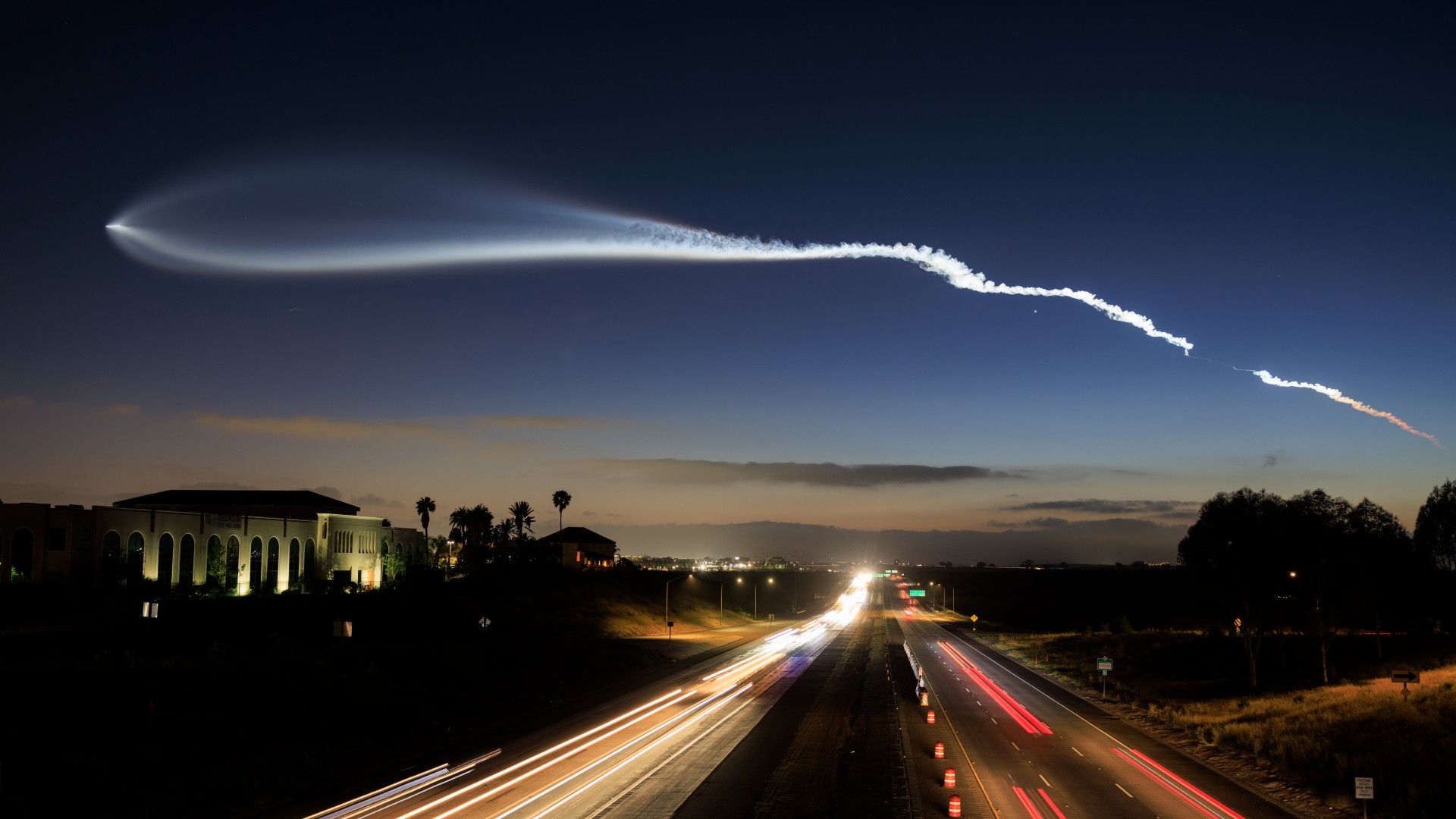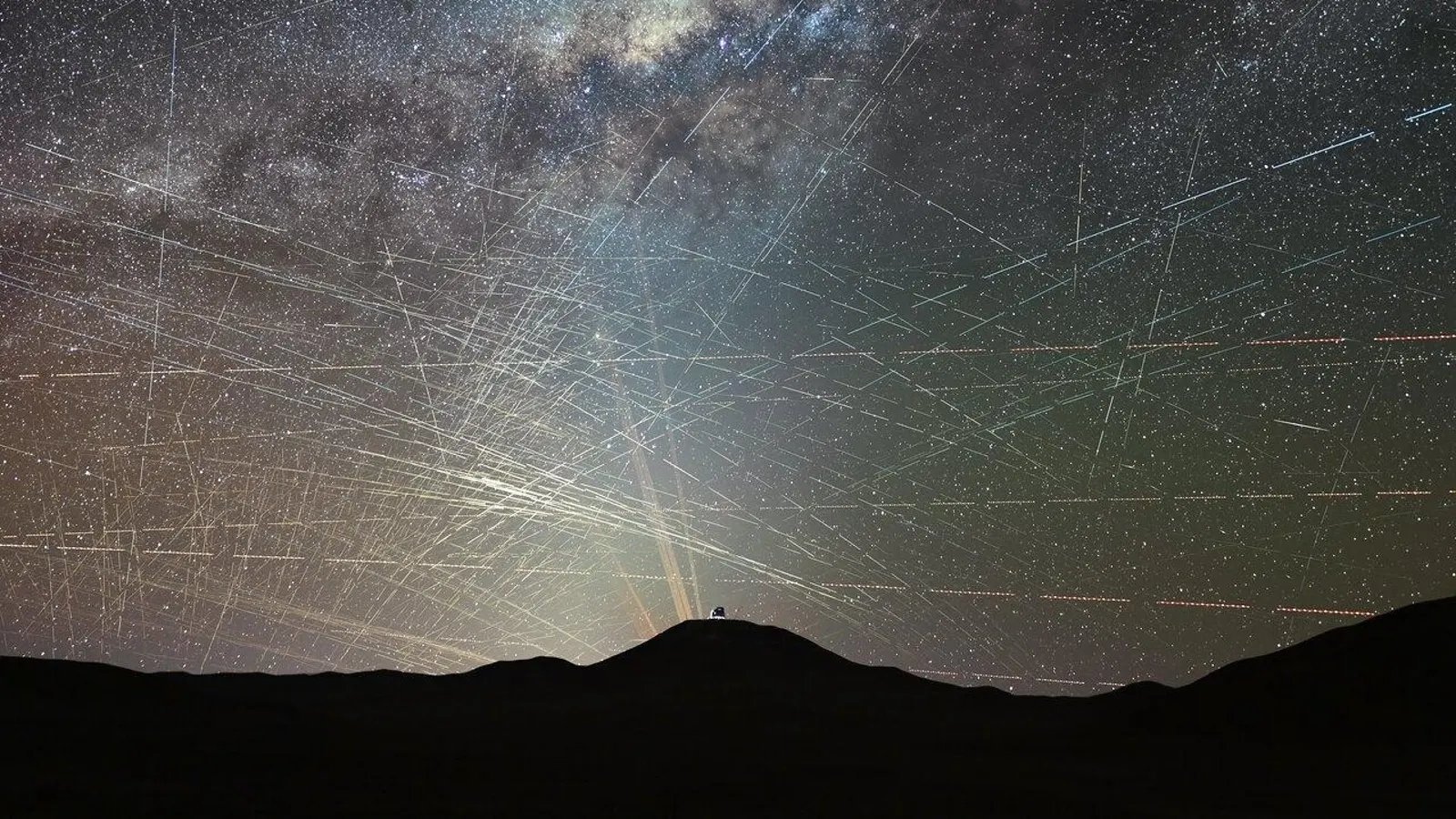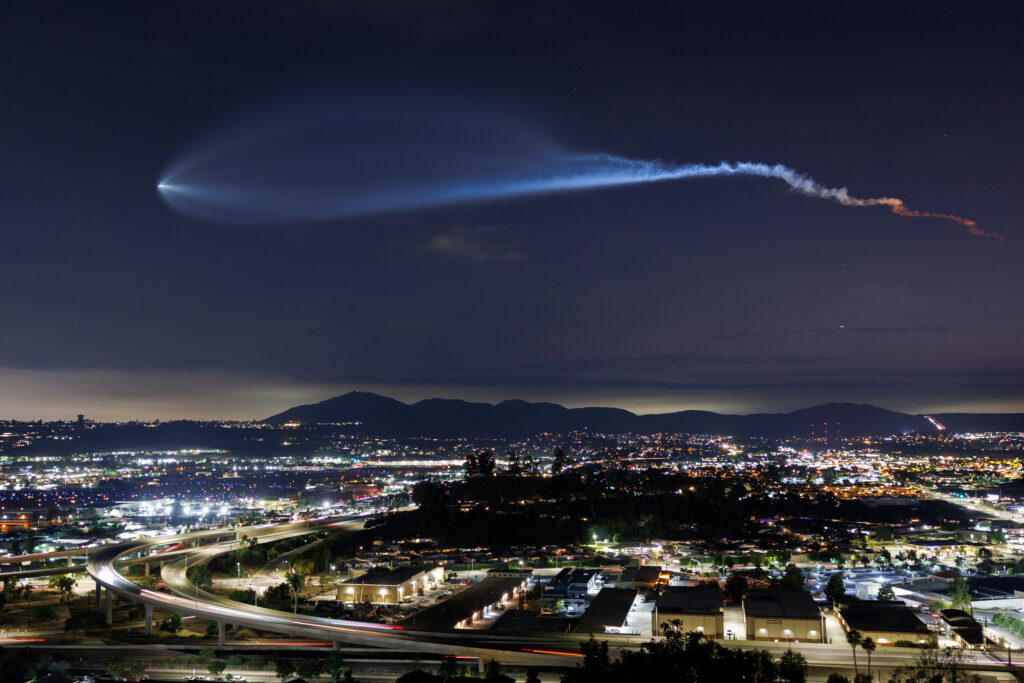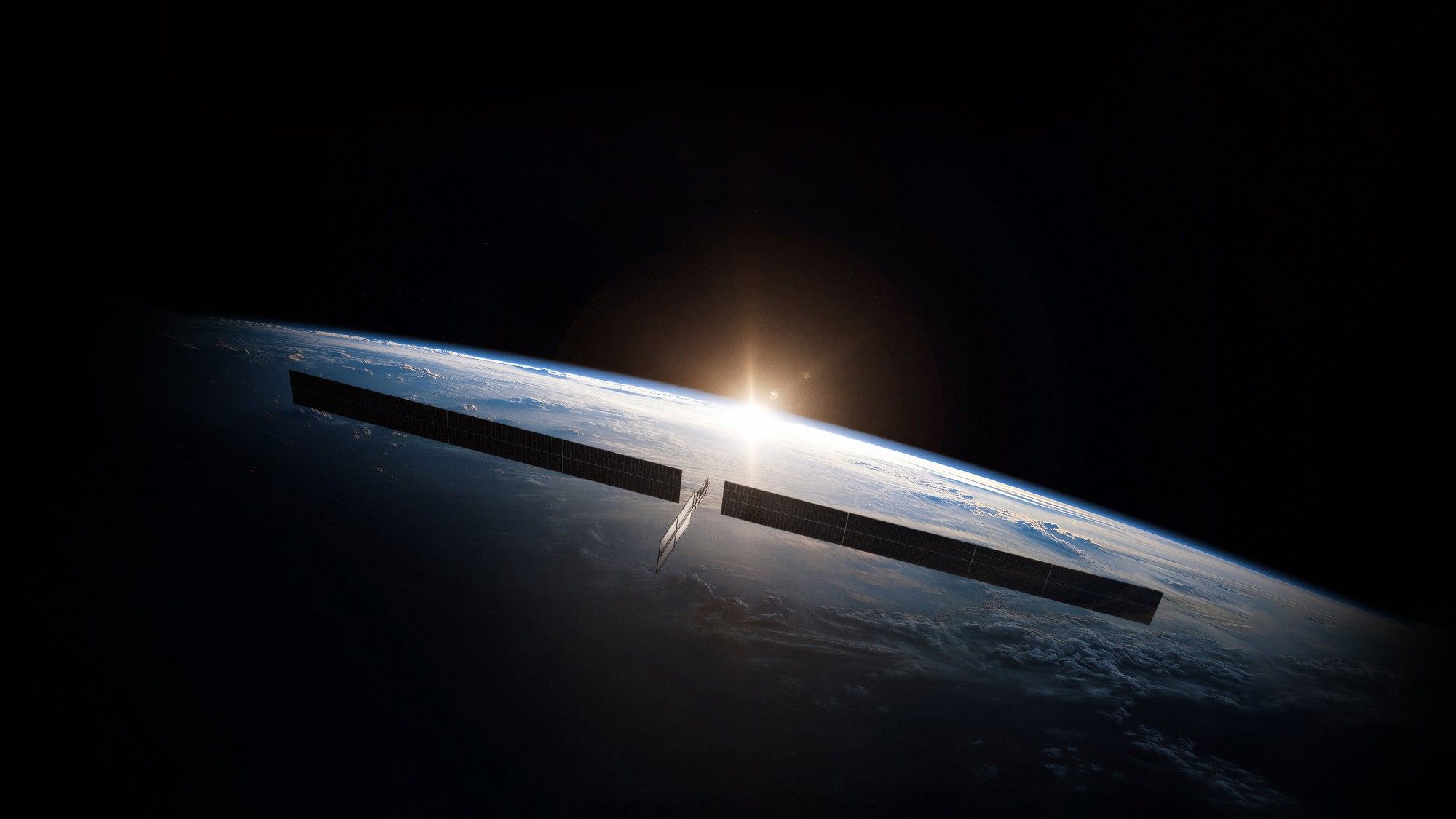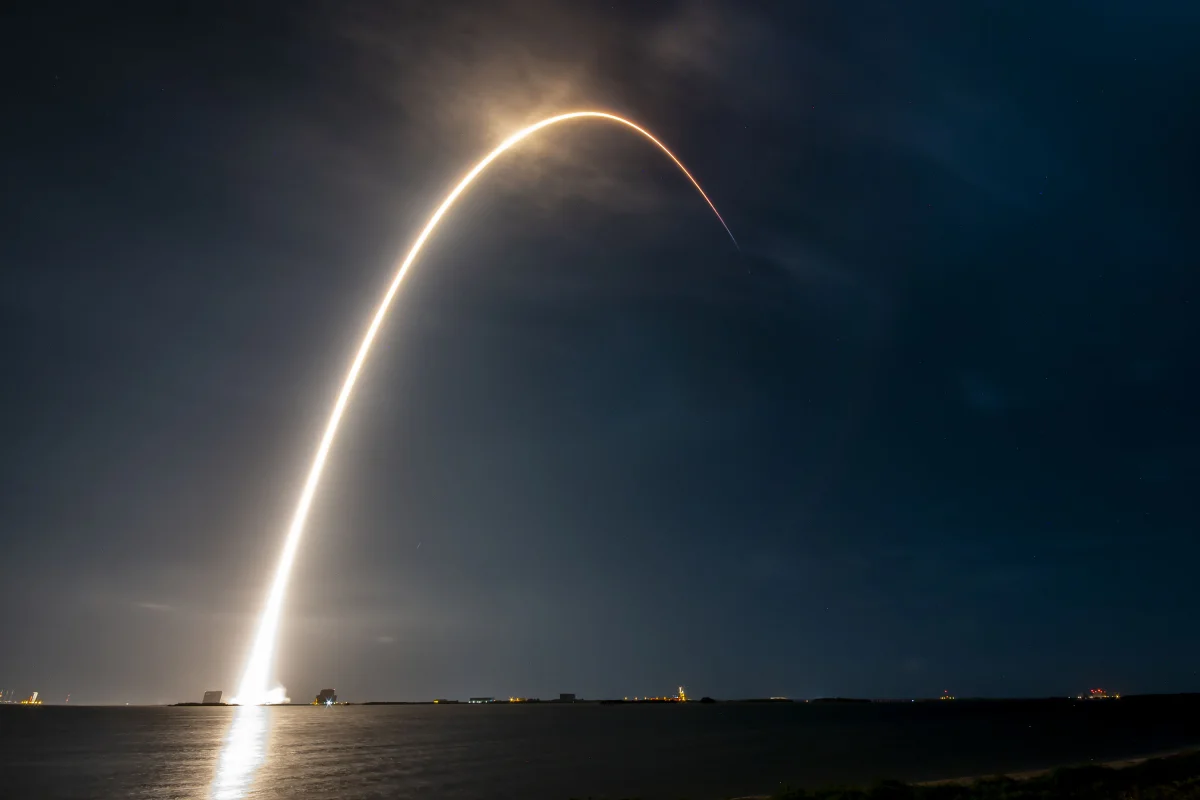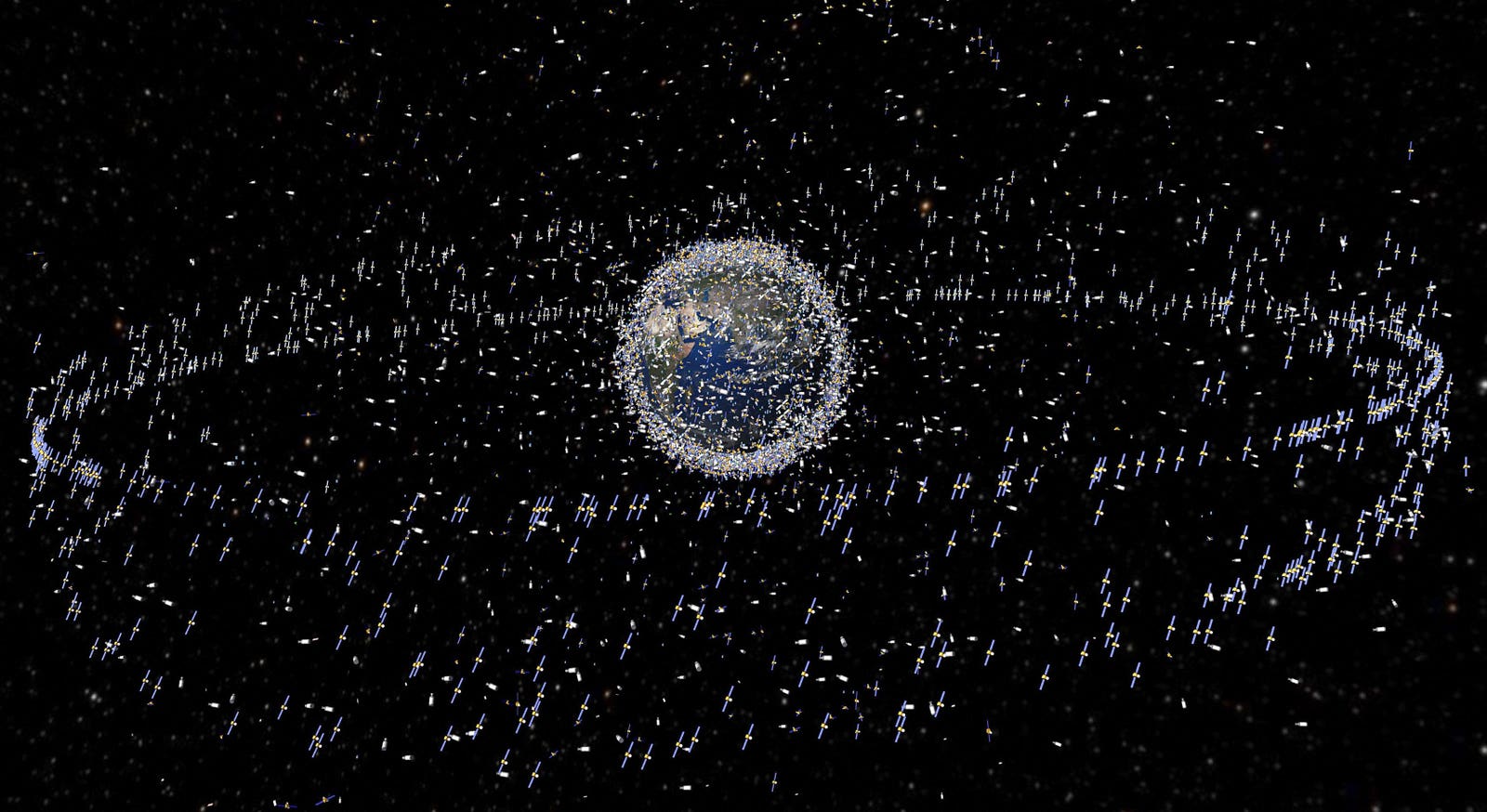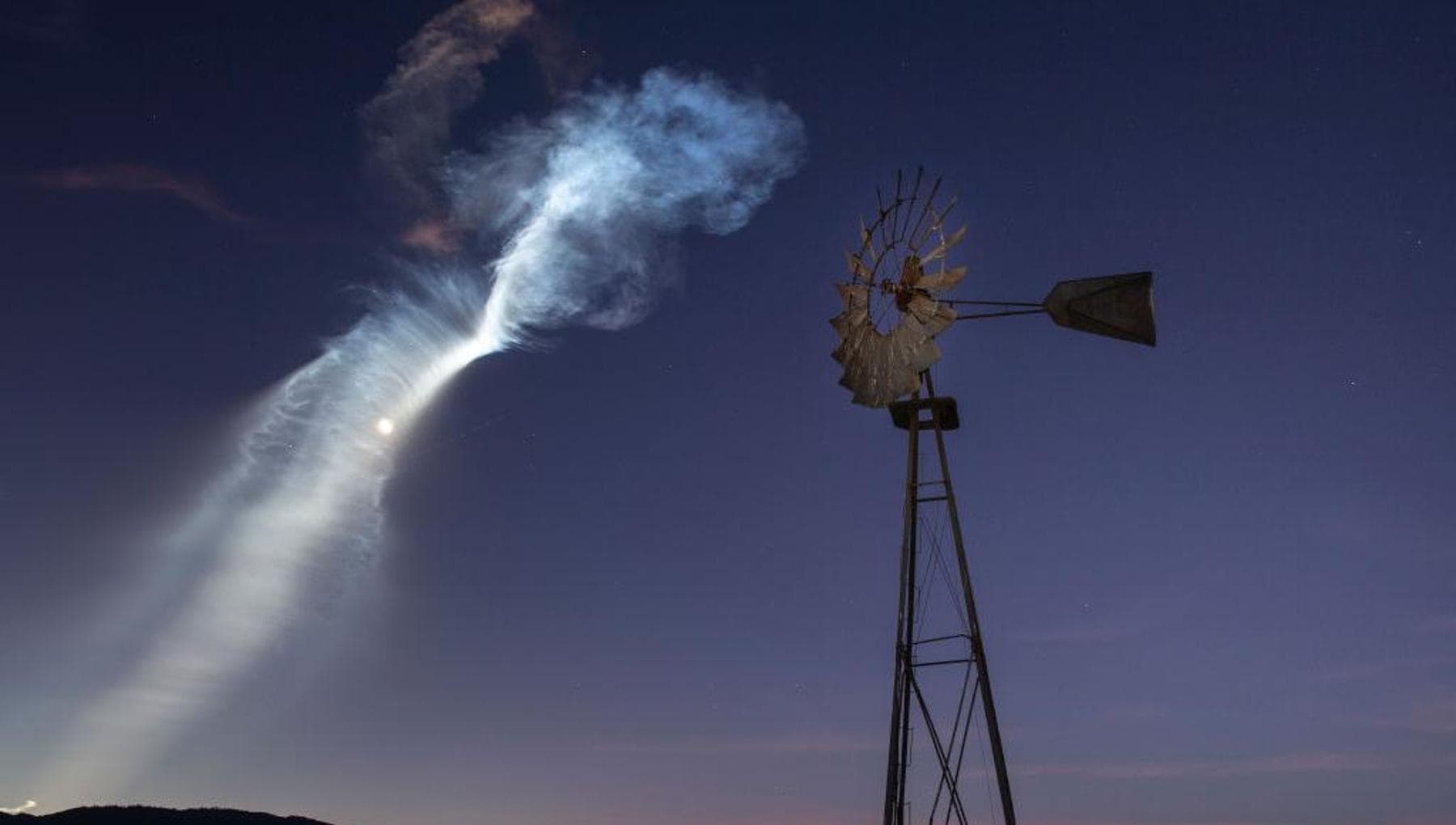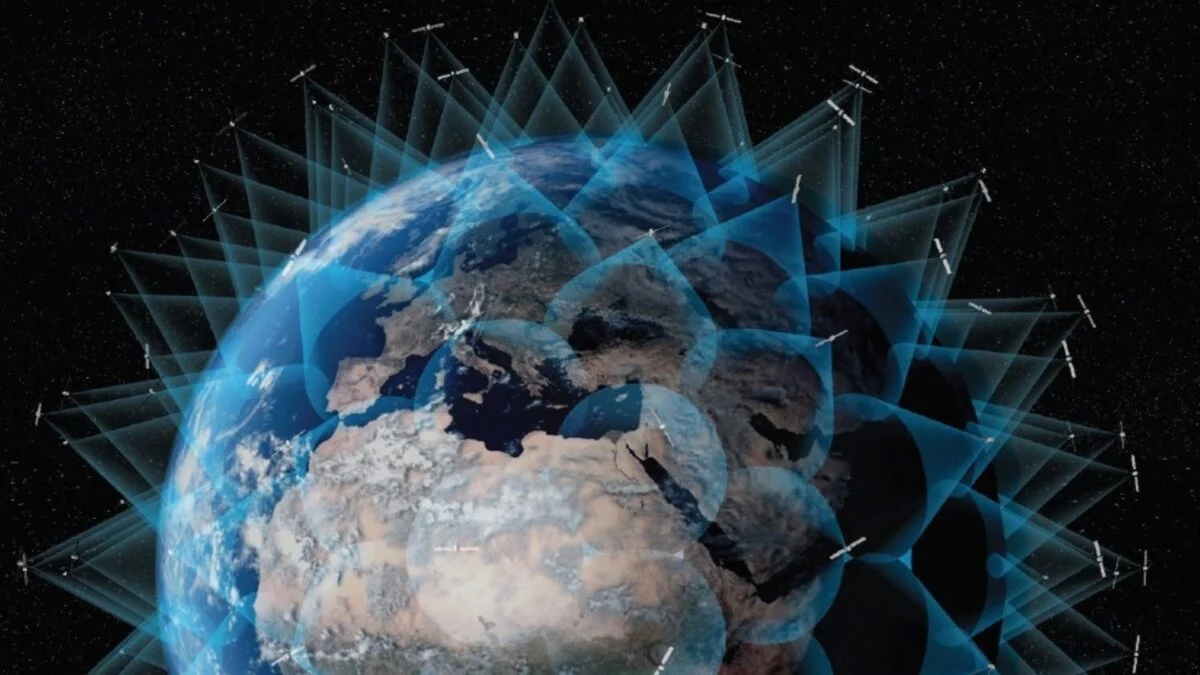
Companies are launching more satellites into space than ever before, and the industry’s biggest players have no intention of slowing down. SpaceX, the owner-operator of the world’s largest satellite constellation, recently applied for permission to launch 1 million Starlinks—on top of the 10,000 already in orbit. Scientists have scrutinized Starlink and other megaconstellations for dangerously overcrowding Earth’s orbit and interfering with astronomical observations, but a new study suggests they could be messing with the climate, too. The findings, published May 14 in the journal Earth’s Future, show that air pollution—particularly black carbon, or soot—associated with megaconstellation deployment will account for nearly half of the climate impact from space sector pollution by the end of the decade. Project lead Eloise Marais, a professor of atmospheric chemistry and air quality at University College London, likened space-industry pollution to an “untested geoengineering experiment with many unintended consequences.” That’s because black carbon particles released roughly 6 to 7 miles (10 to 12 kilometers) above Earth’s surface block incoming sunlight and cool the lower layers of the atmosphere.
The Satellite Industry Boom Is Driving an ‘Untested Geoengineering Experiment,’ Scientists Warn
Companies are launching satellites en masse and polluting the atmosphere in the process.
776 words~4 min read