Earth’s orbit is getting crowded.
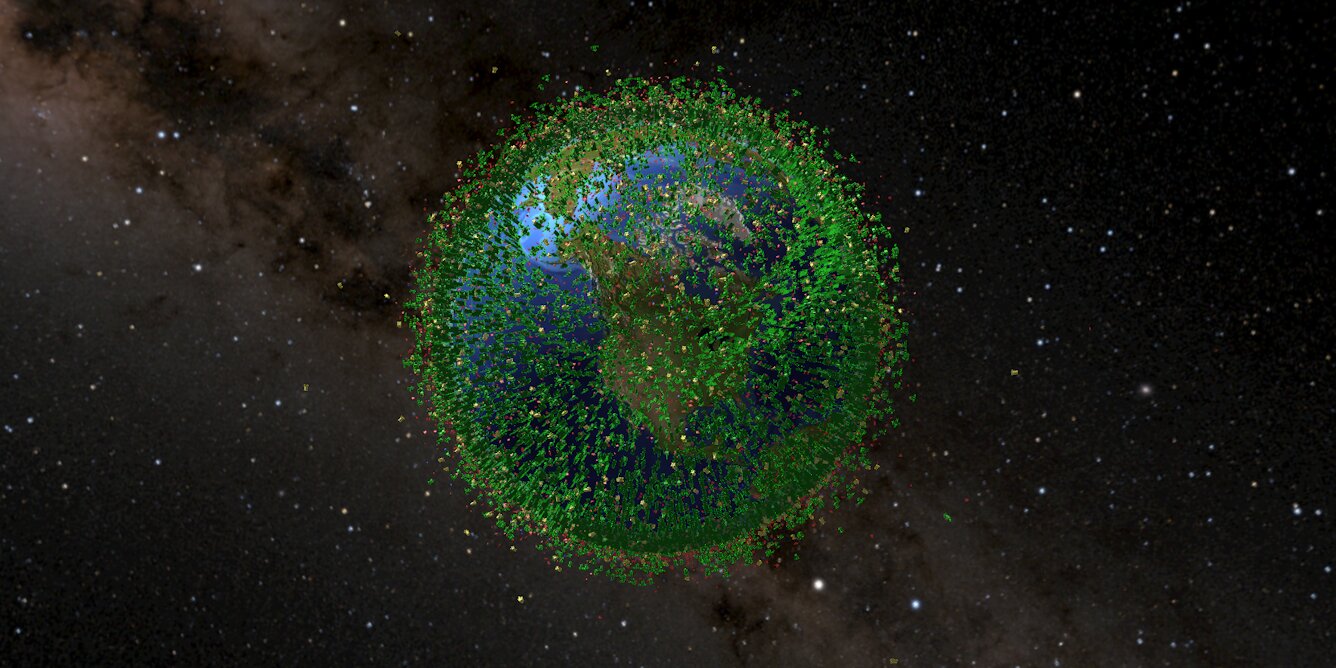
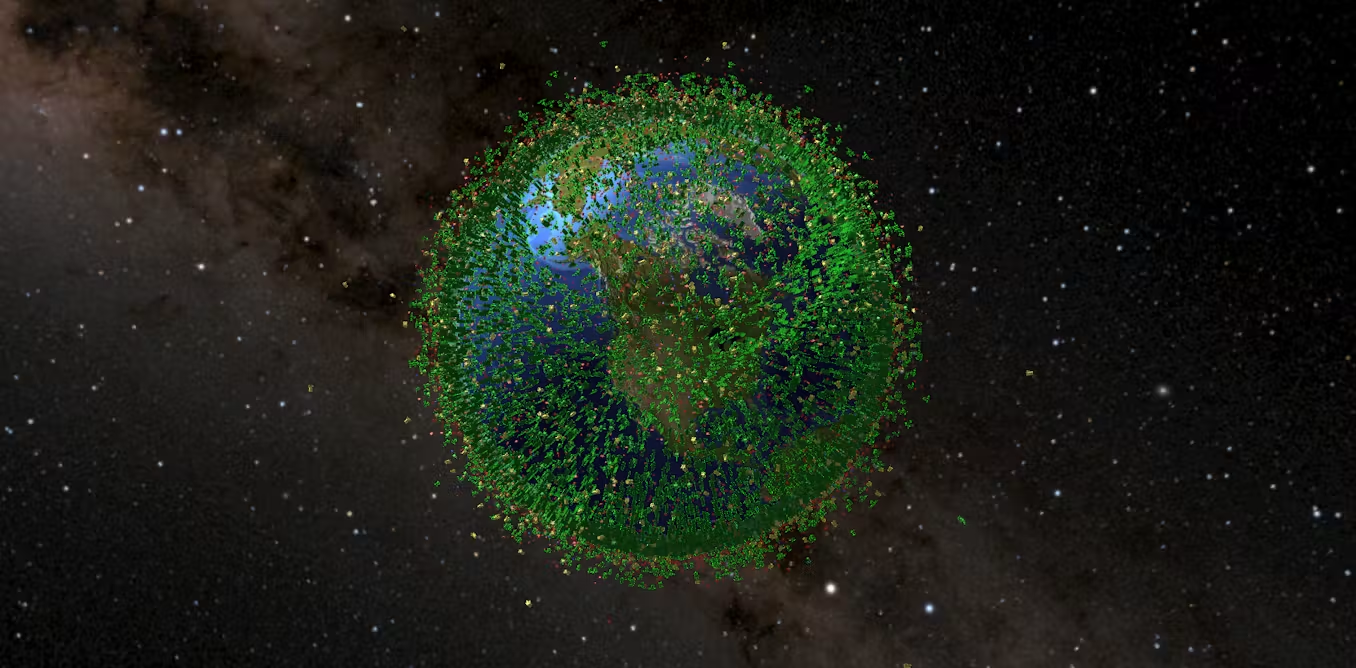
About 16,000 satellites currently circle our planet, supporting everything from GPS navigation and weather forecasting to banking, emergency services and internet communications.
Dozens more are launched every few weeks. Some estimates suggest the total number of satellites could exceed 100,000 within this decade, with more conservative estimates landing on up to 60,000 satellites by 2030 – still a staggering amount.
This rapid growth is creating an important challenge. How do we safely manage an increasingly crowded orbital environment while ensuring the satellites we depend on continue to work reliably?
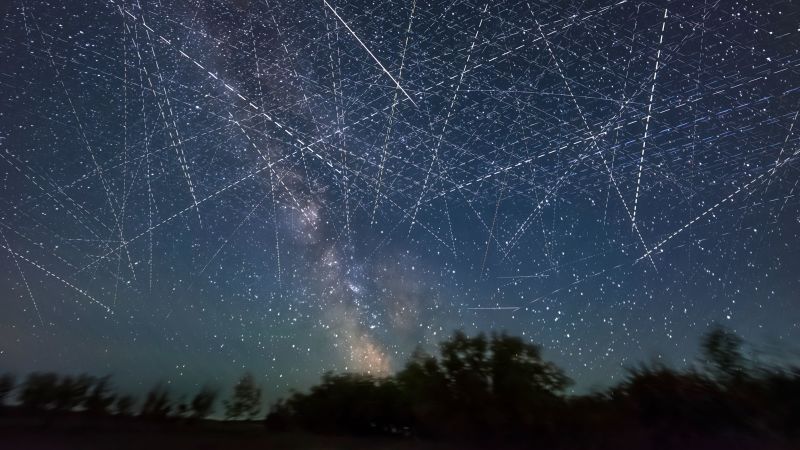
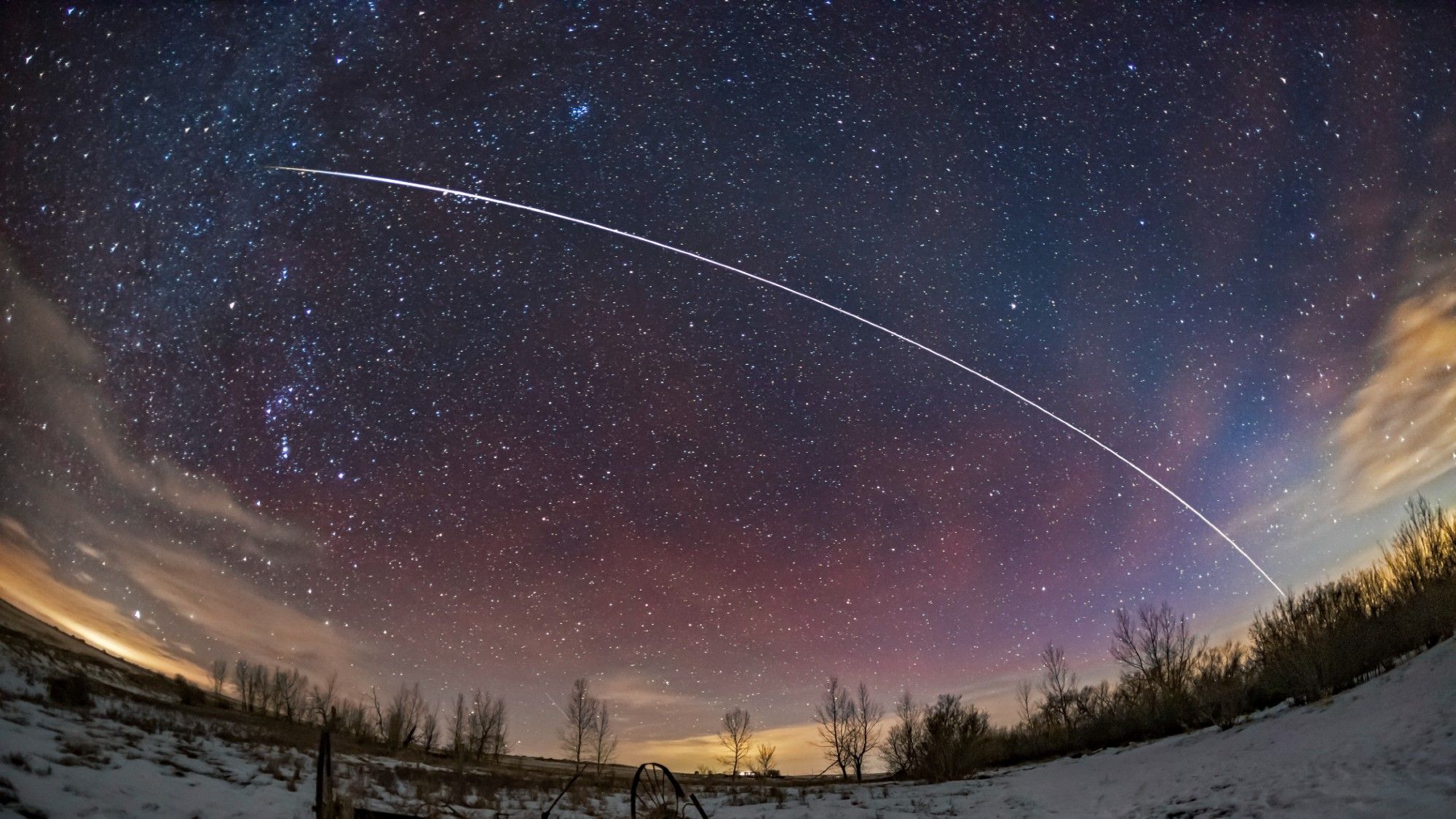
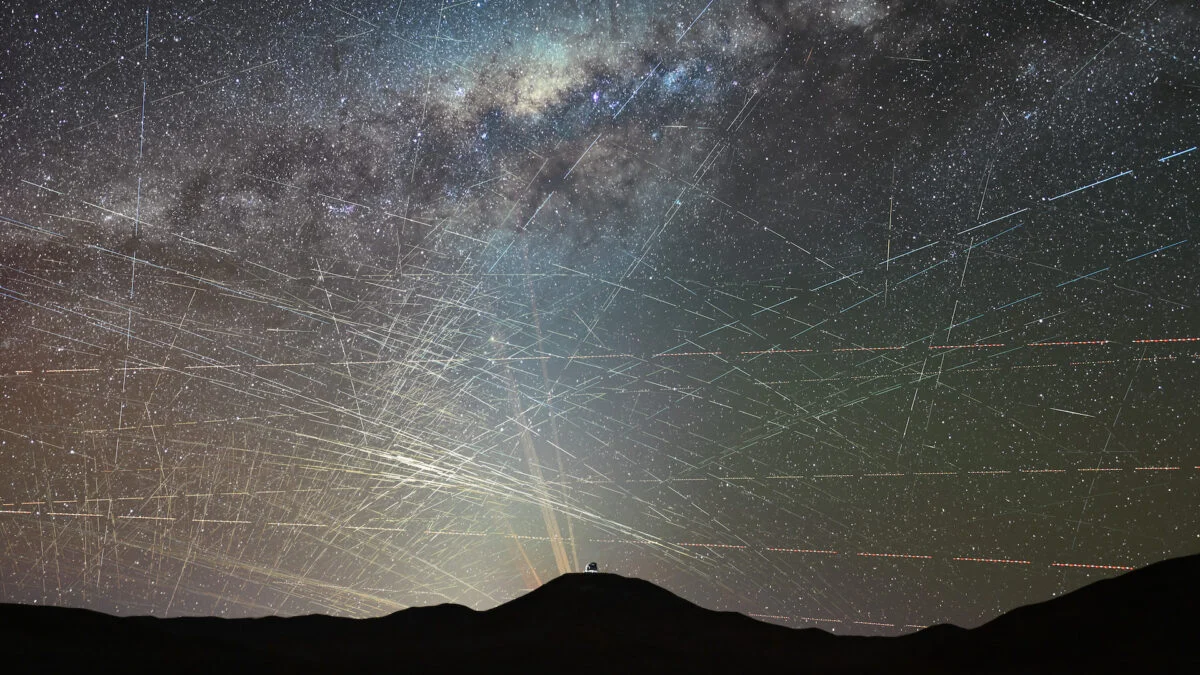
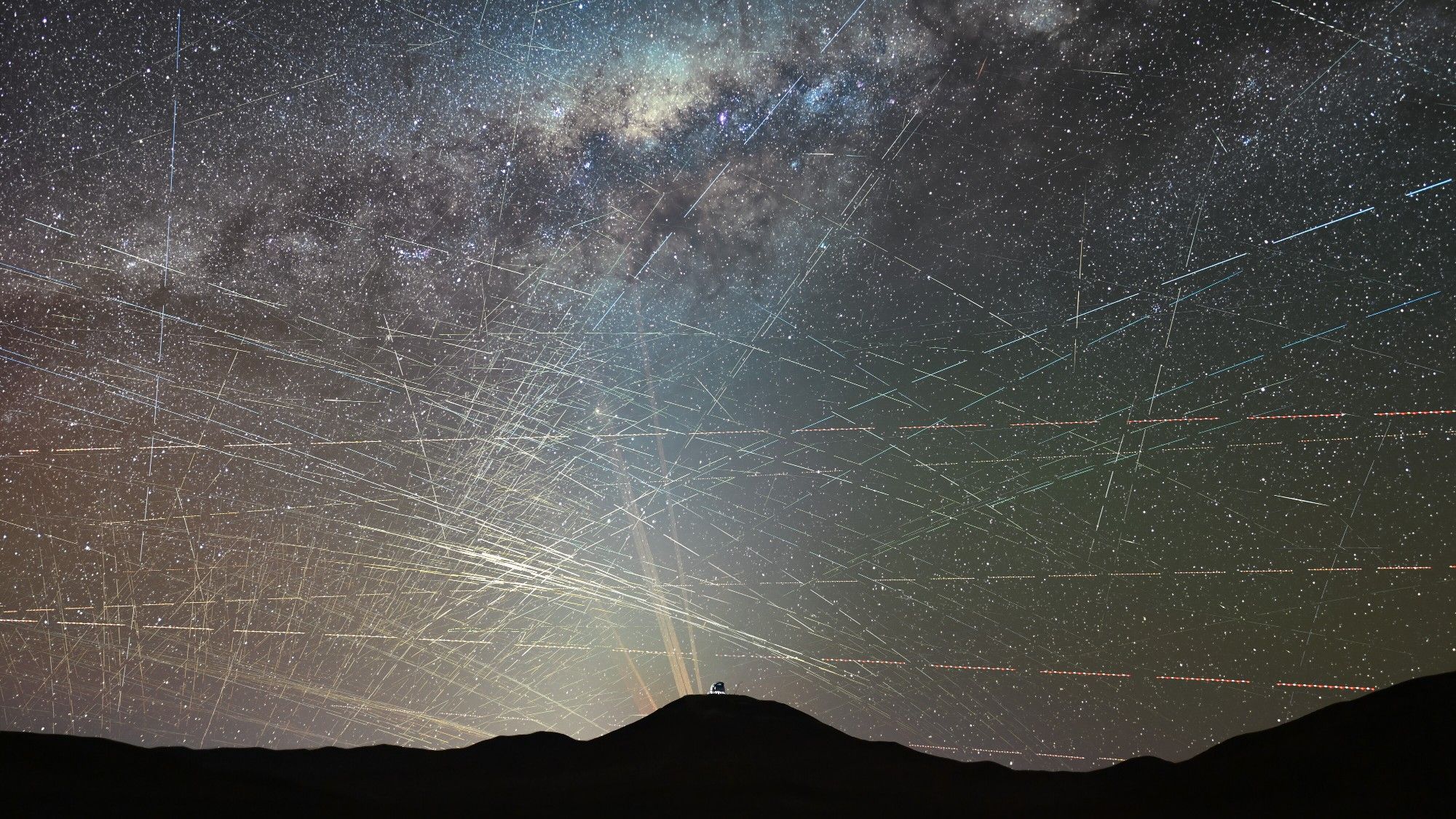
The risks are not difficult to imagine. Large satellite constellations increase light pollution and other disruptions to astronomy and the night sky. More satellites mean more traffic, a greater chance of collisions and an increasing amount of space debris.