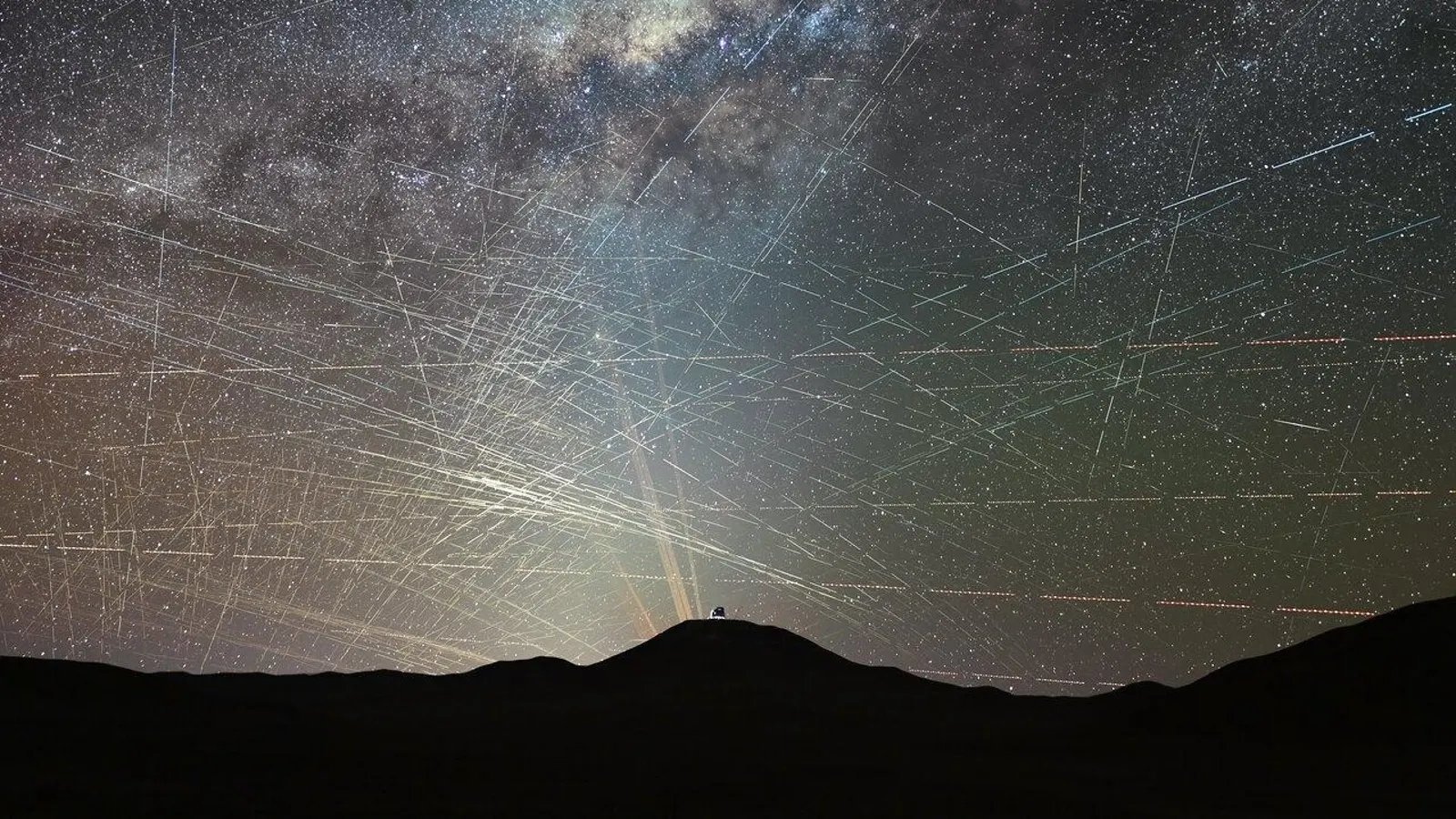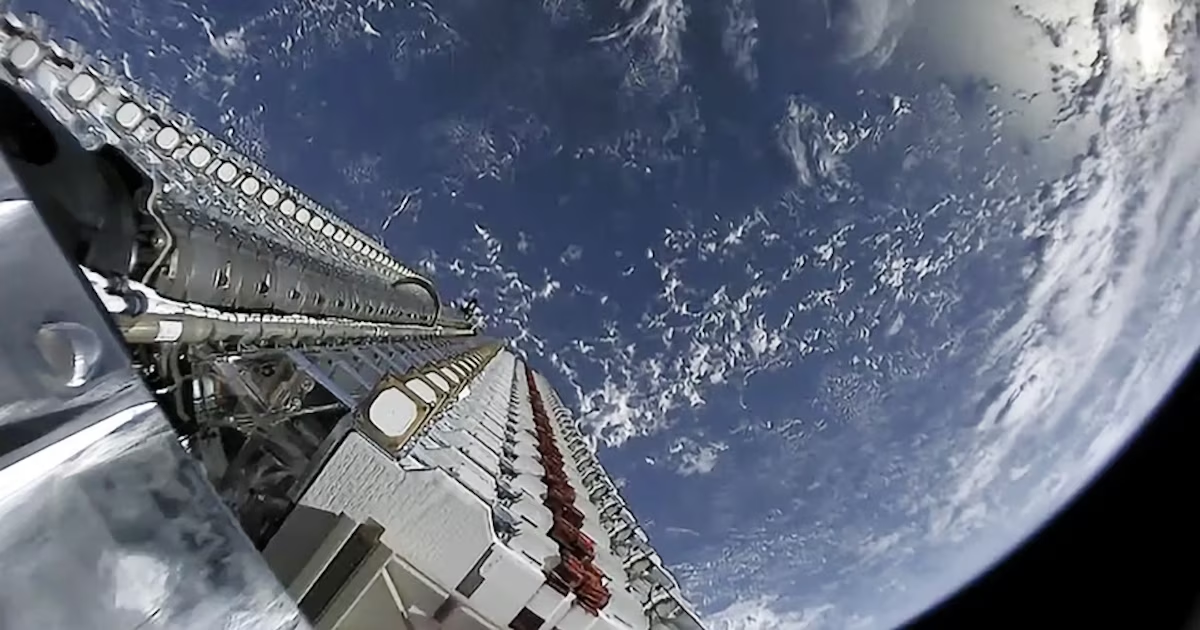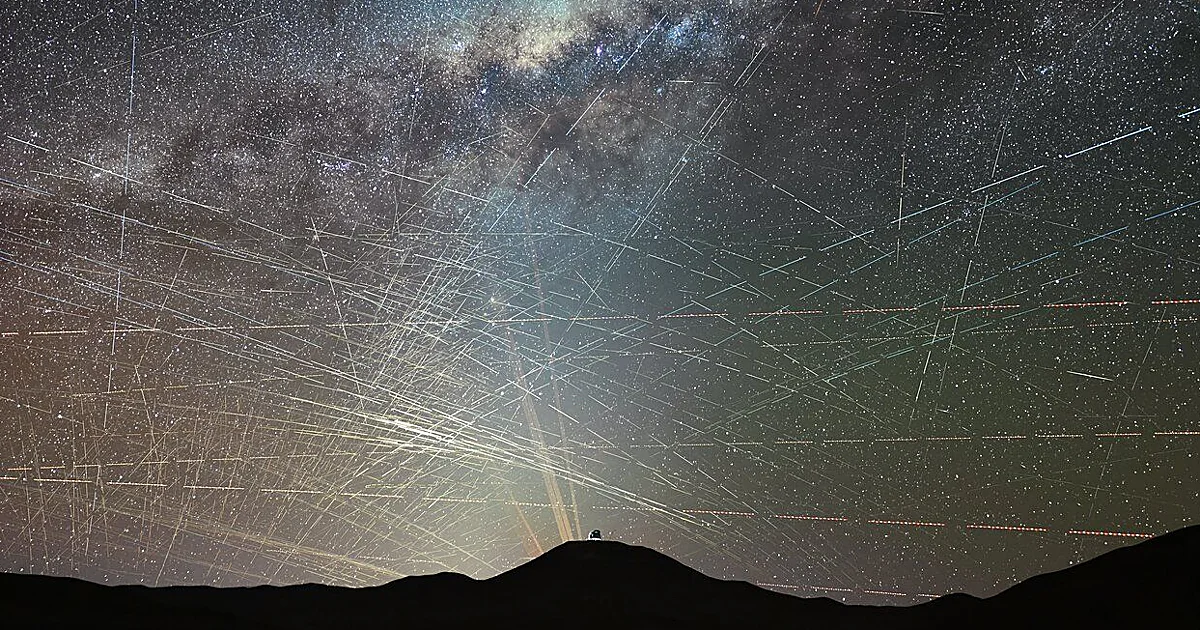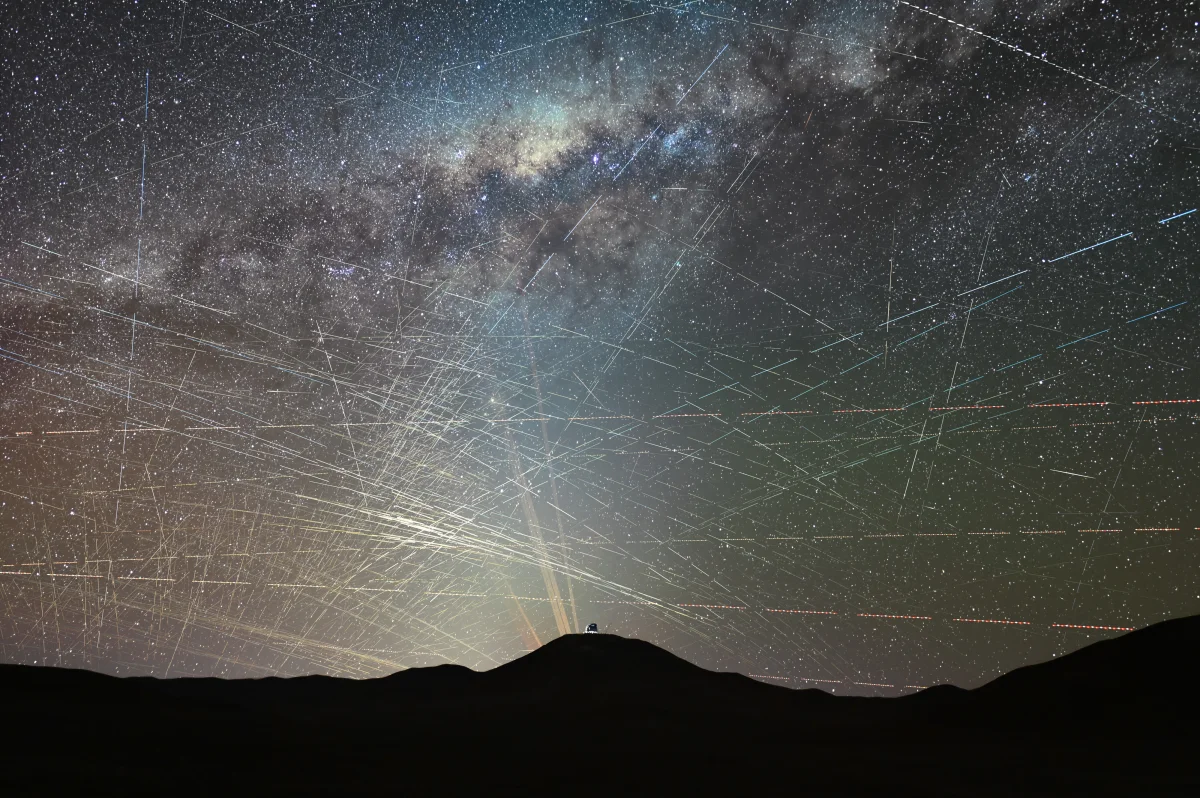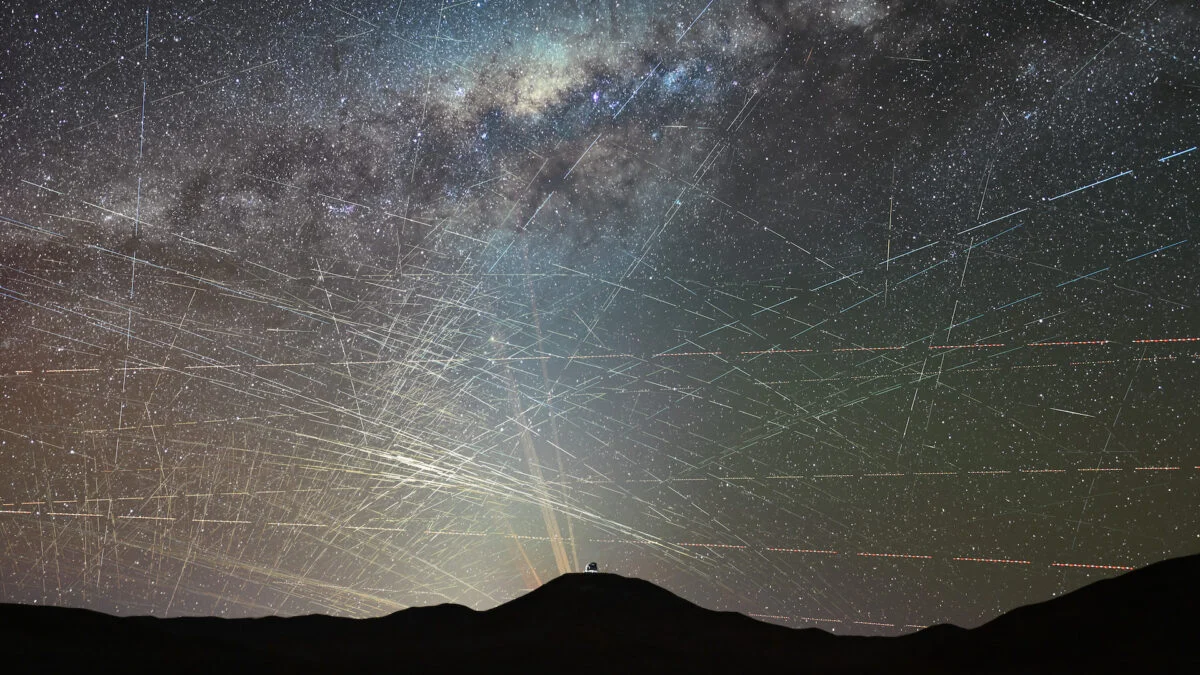
A first-of-its-kind study measured the extent to which bright constellations affect astronomers’ view of the night sky, setting a proposed limit to how many satellites should be in Earth’s orbit. There are currently over 14,000 satellites orbiting Earth, but that number is set to increase dramatically over the next few years. Companies like SpaceX and Reflect Orbital are proposing launching a combined total of 1.7 million satellites, which would have devastating consequences for astronomy, according to the European Southern Observatory (ESO). By measuring the impact of large satellite constellations, researchers at ESO suggest limiting the total number of existing and future satellites to 100,00 that are faint enough not to be seen with the naked eye from a dark site. “This is not a hard number, like 99 999 is good and 100 001 is bad: clearly I’d prefer 50 000,” Olivier Hainaut, an astronomer at ESO and lead author of the new study, said in an ESO statement. “But 100 000 causes losses at about the level of other technical losses, such as equipment failure.”
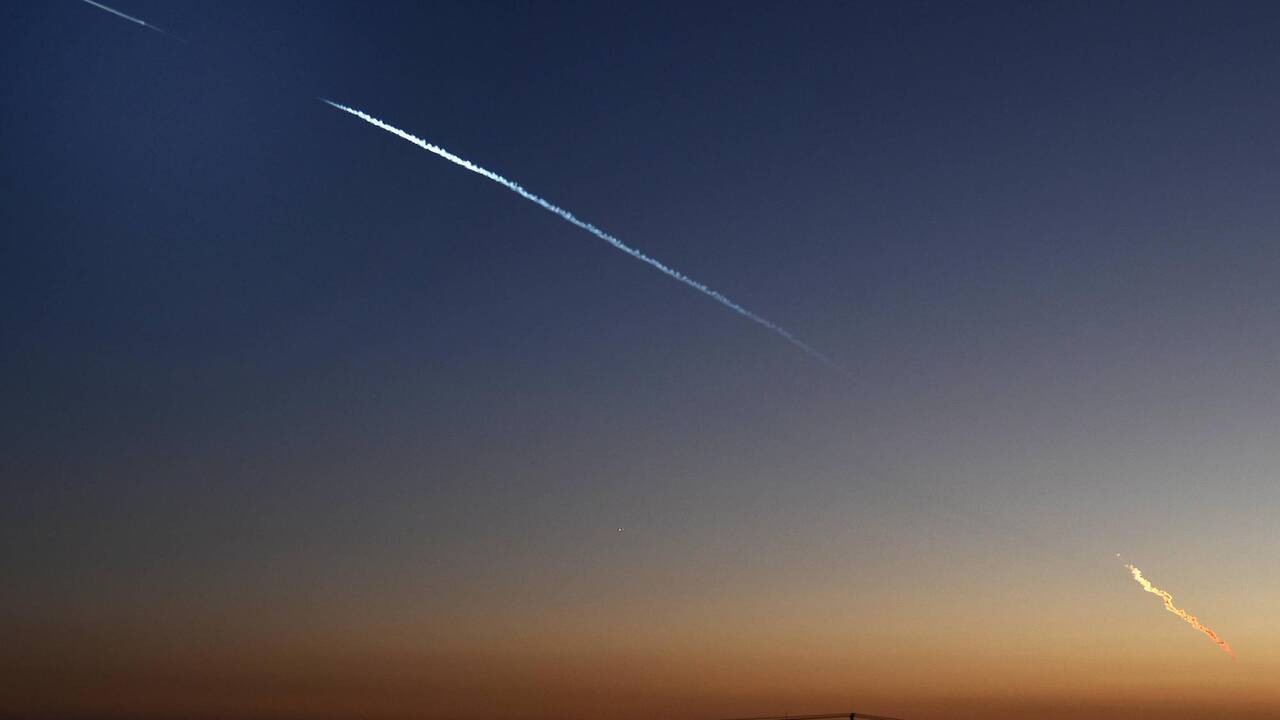
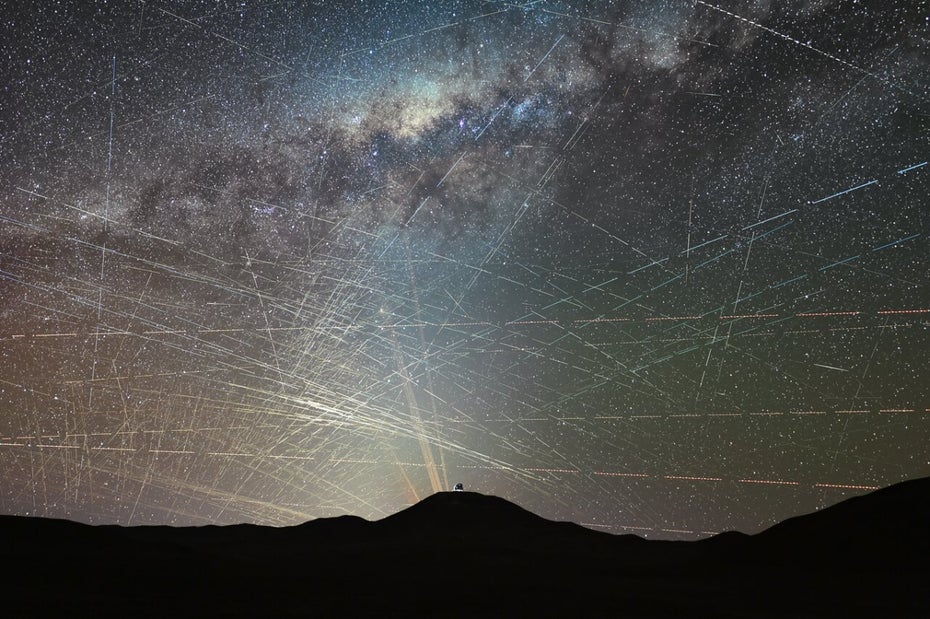
The findings are detailed in a paper that will appear in Astronomy & Astrophysics. The dwindling night skies The number of satellites in Earth’s orbit has nearly doubled in less than three years. Those bright satellites have already been a major nuisance for astronomers, often appearing as bright streaks in telescope images of the universe and tarnishing views of the night skies.