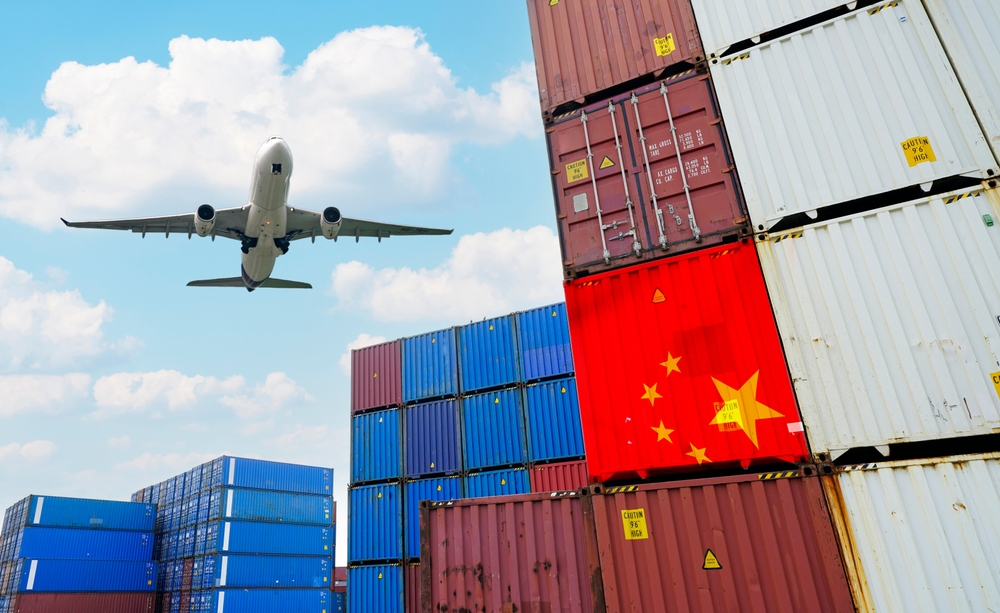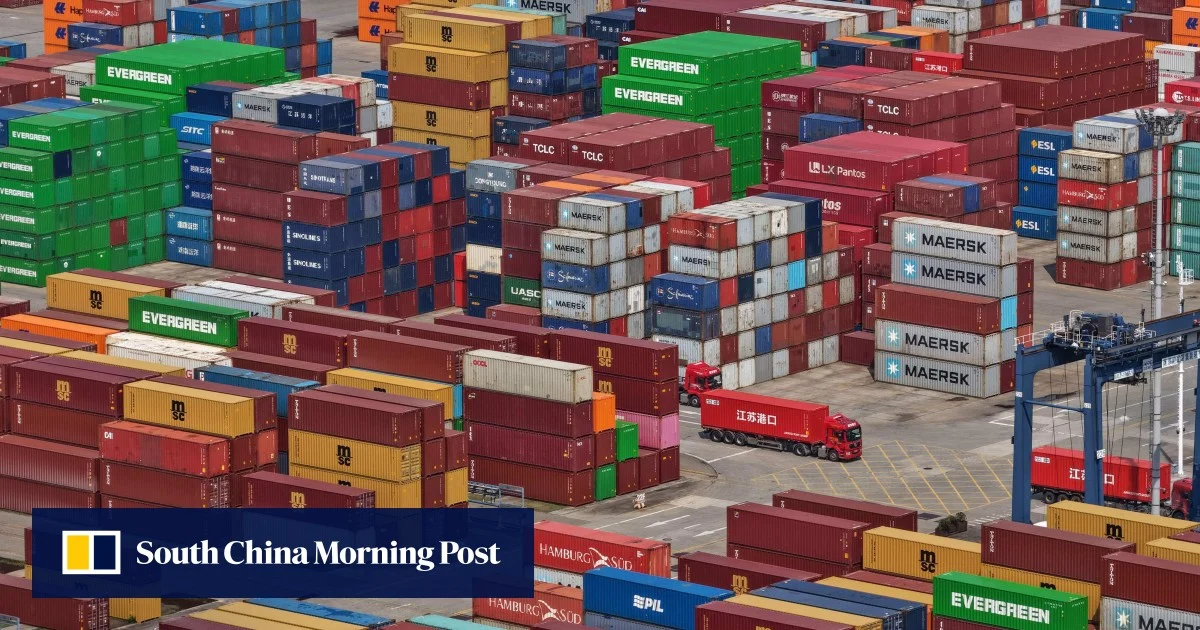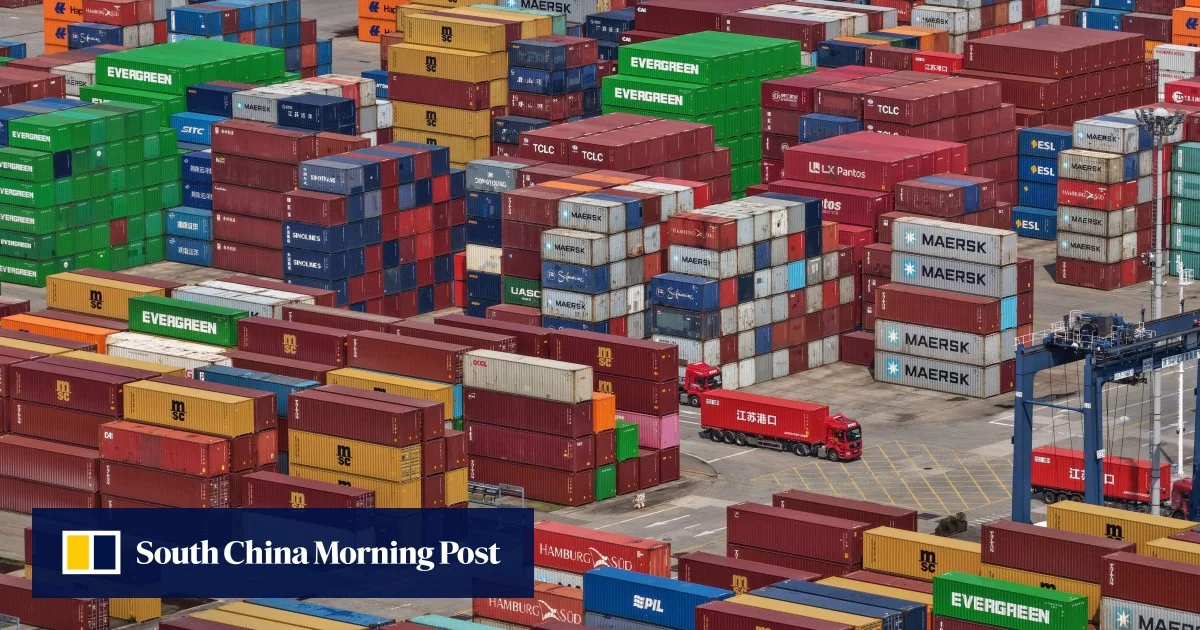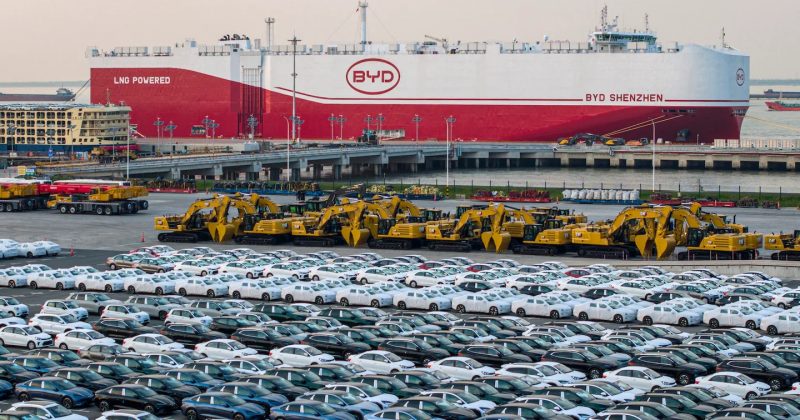
The first China Shock cost the US somewhere between one and two million manufacturing jobs after China joined the World Trade Organization in 2001. Now, two decades later, the sequel has arrived.
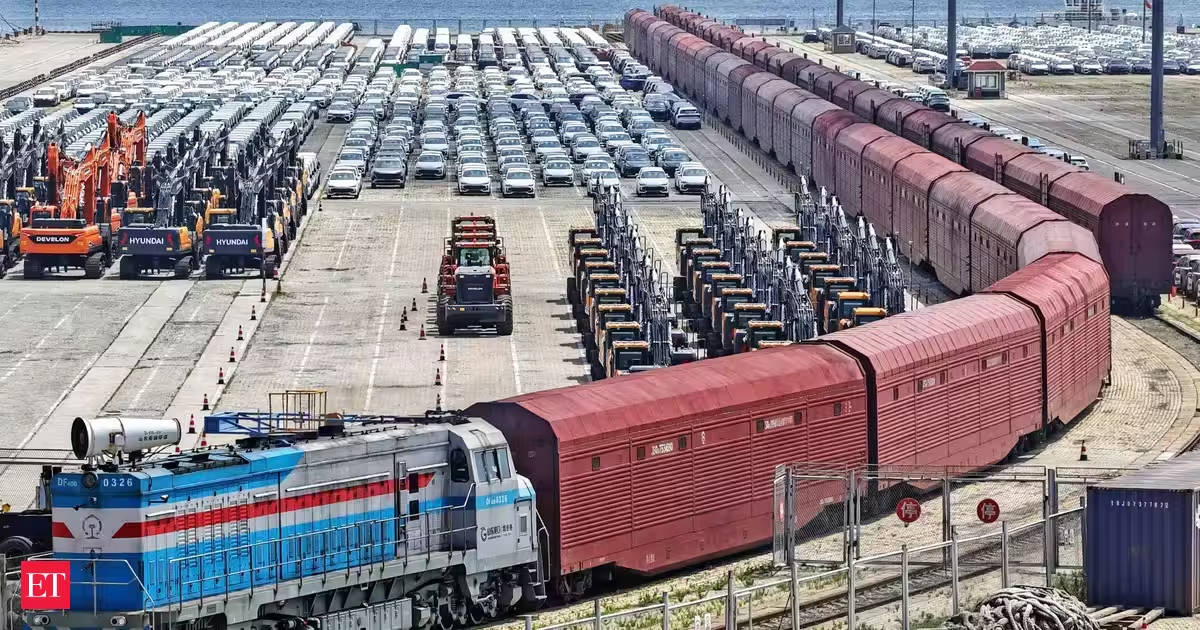
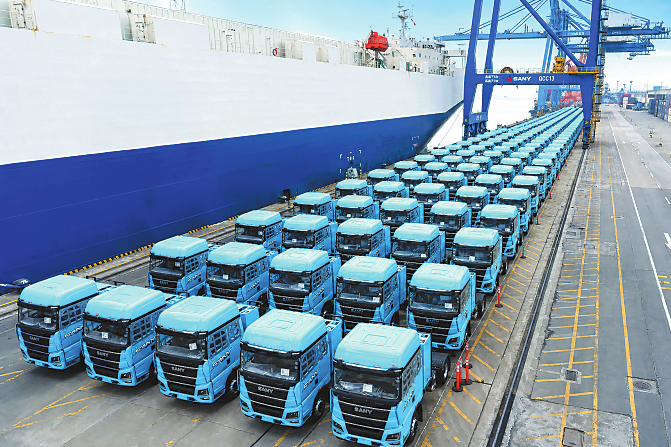
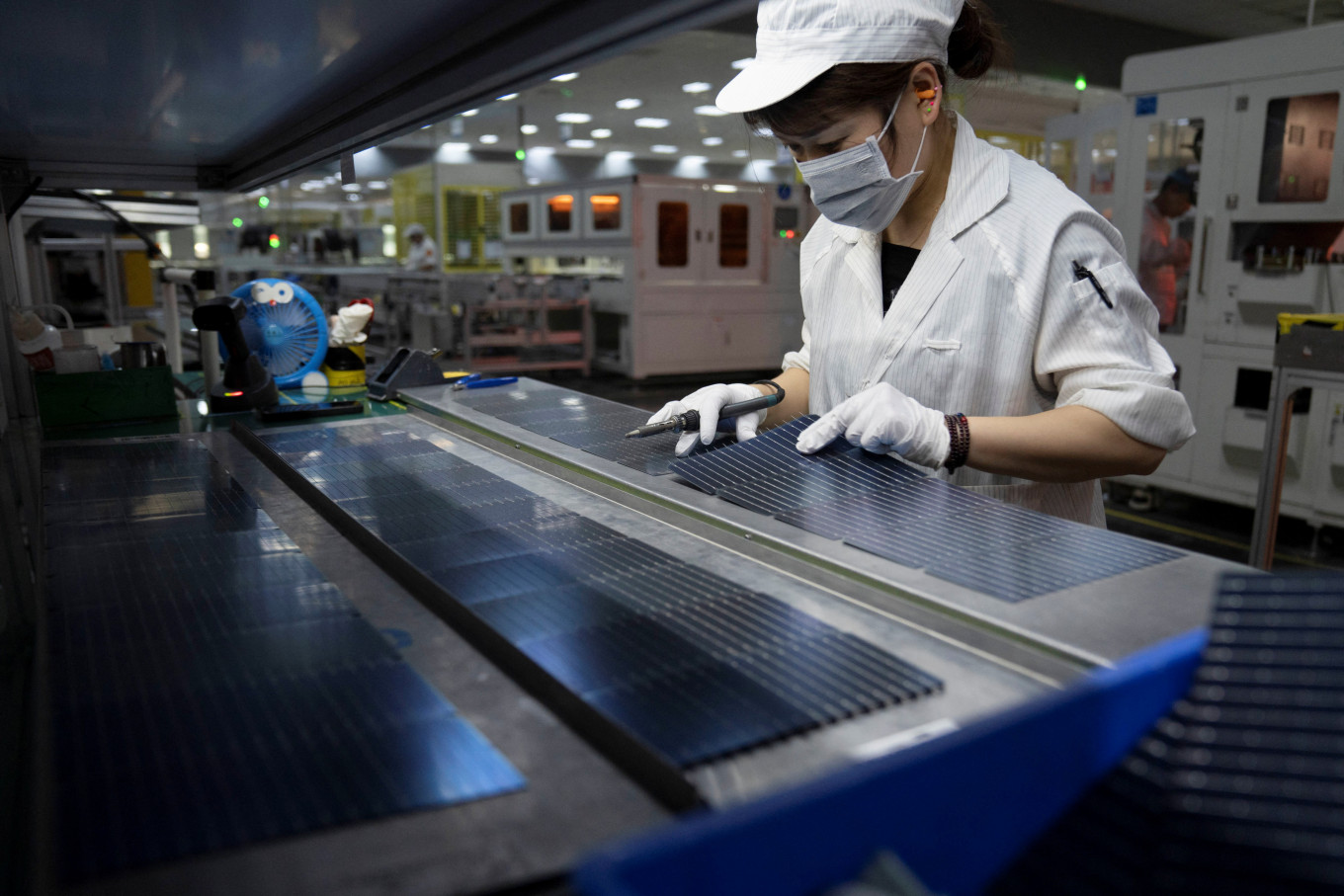
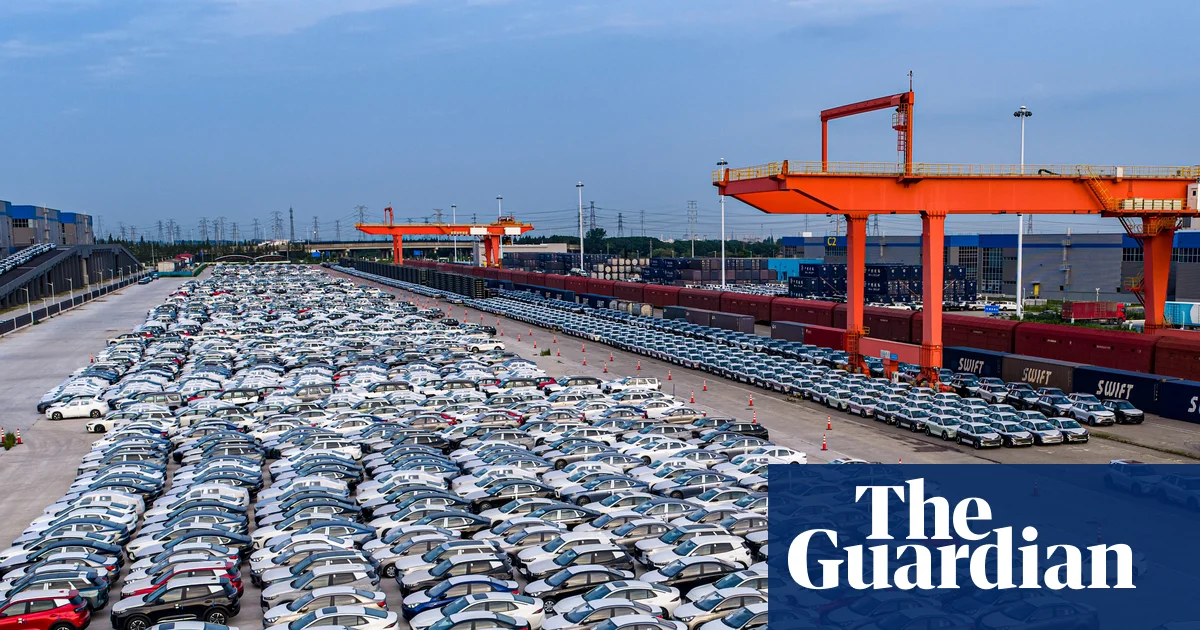
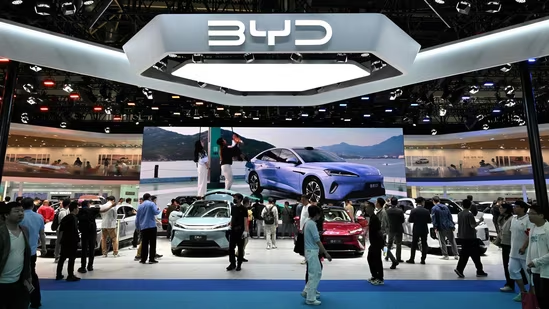
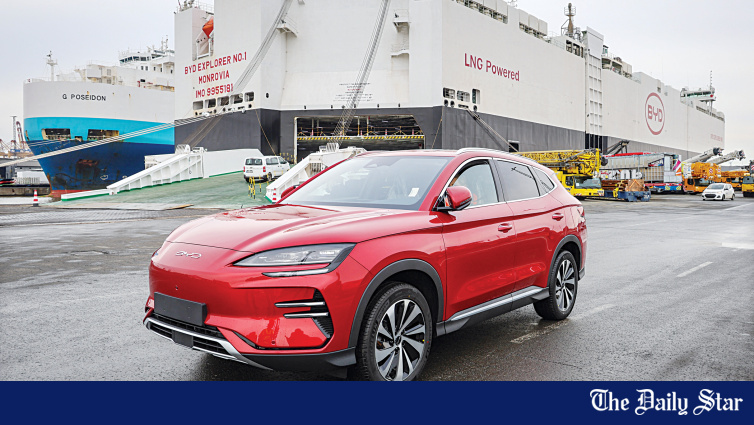
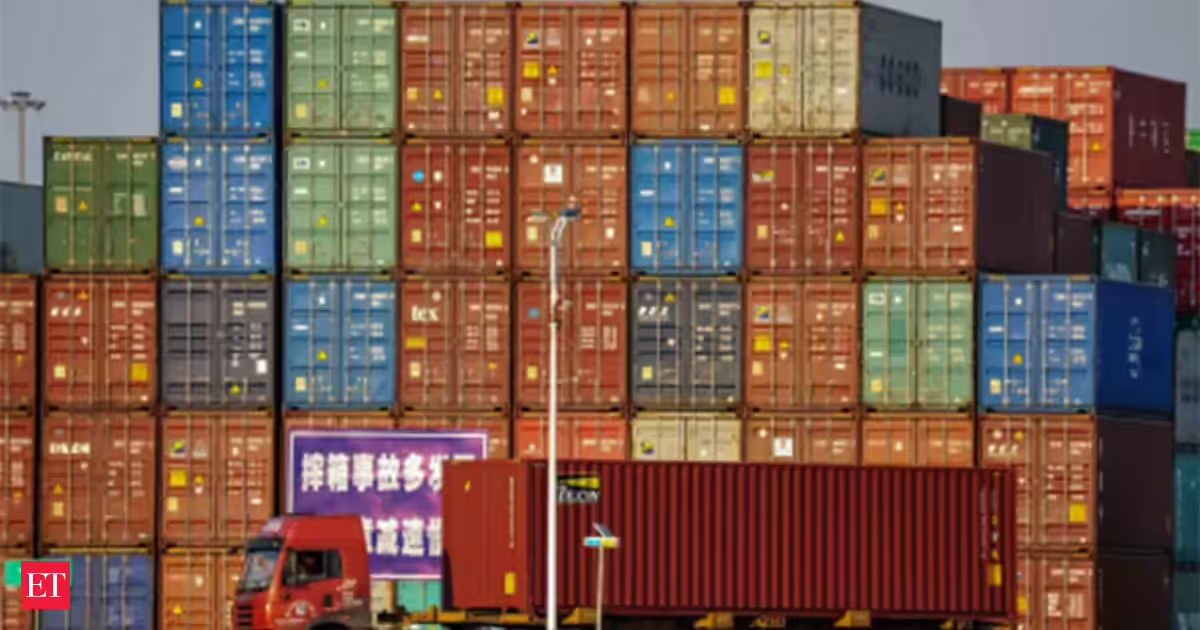
China’s export machine has shifted into a higher gear, this time powered not by cheap textiles and basic electronics, but by electric vehicles, solar panels, advanced machinery, and other high-value manufactured goods. The country’s trade surplus hit a record $1.2 trillion in 2025, a number so large it roughly equals the entire GDP of the Netherlands.
Tariffs as a firewall
Washington’s response has been blunt-force protectionism. US tariffs on Chinese goods climbed to a trade-weighted average of approximately 47.5% by November 2025.
Chinese exports to the US dropped about 20% in the initial aftermath. China has pivoted its export flows toward Southeast Asia, Africa, and Europe. A November 2025 report from the US-China Economic and Security Review Commission laid out the threat in stark terms, warning that “China Shock 2.0” poses serious risks to global manufacturing sectors outside the US.