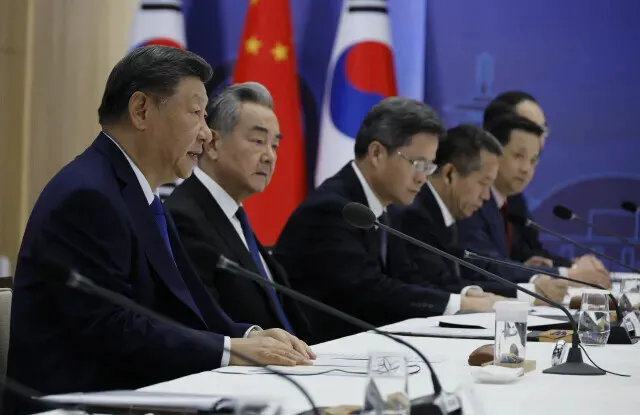
President Xi Jinping of China speaks at the China-South Korea summit held in Gyeongju, South Korea, on Nov. 1, 2025. (pool photo)
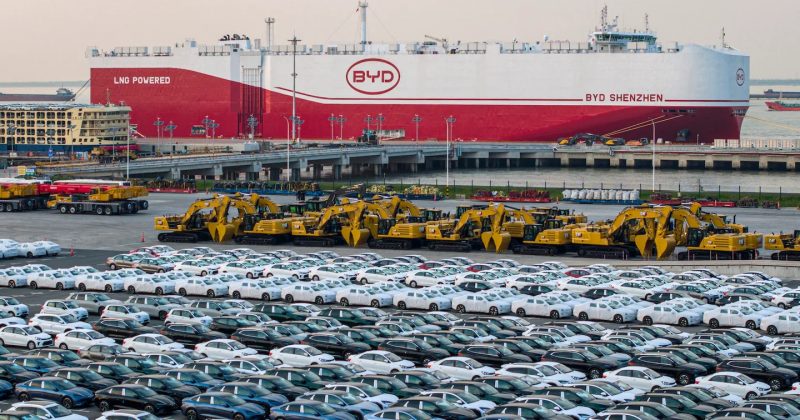
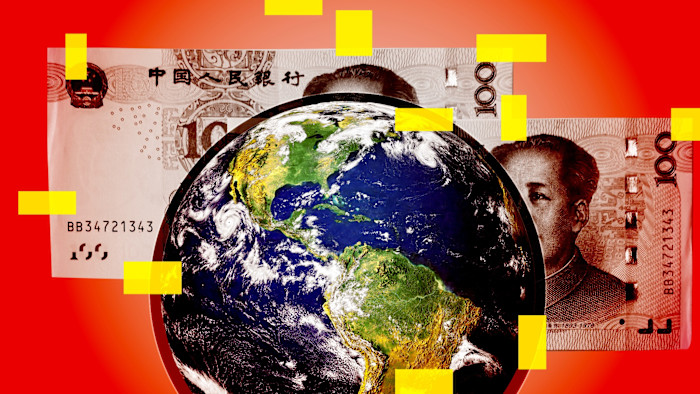
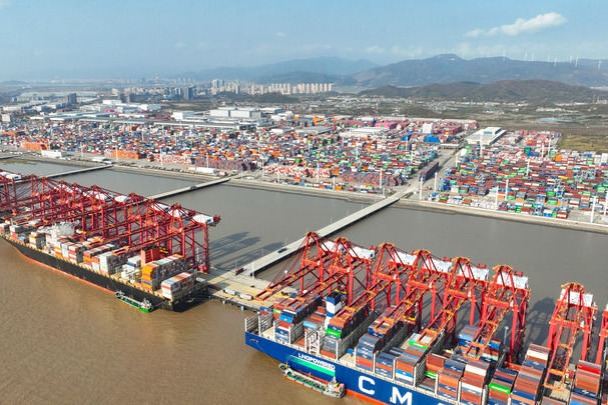
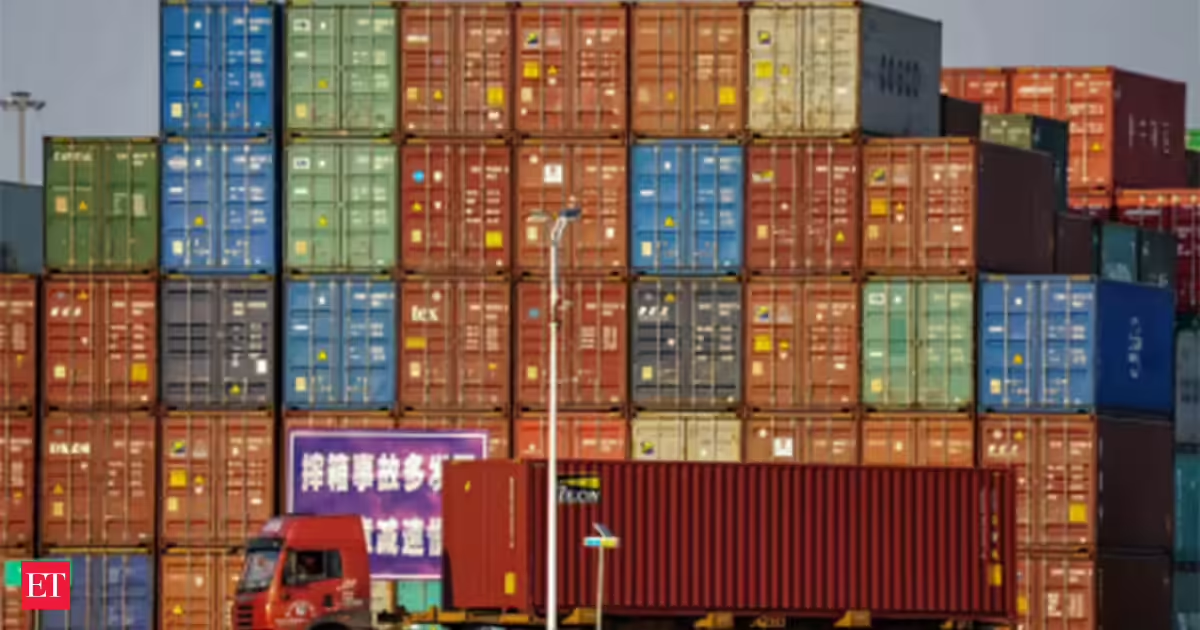
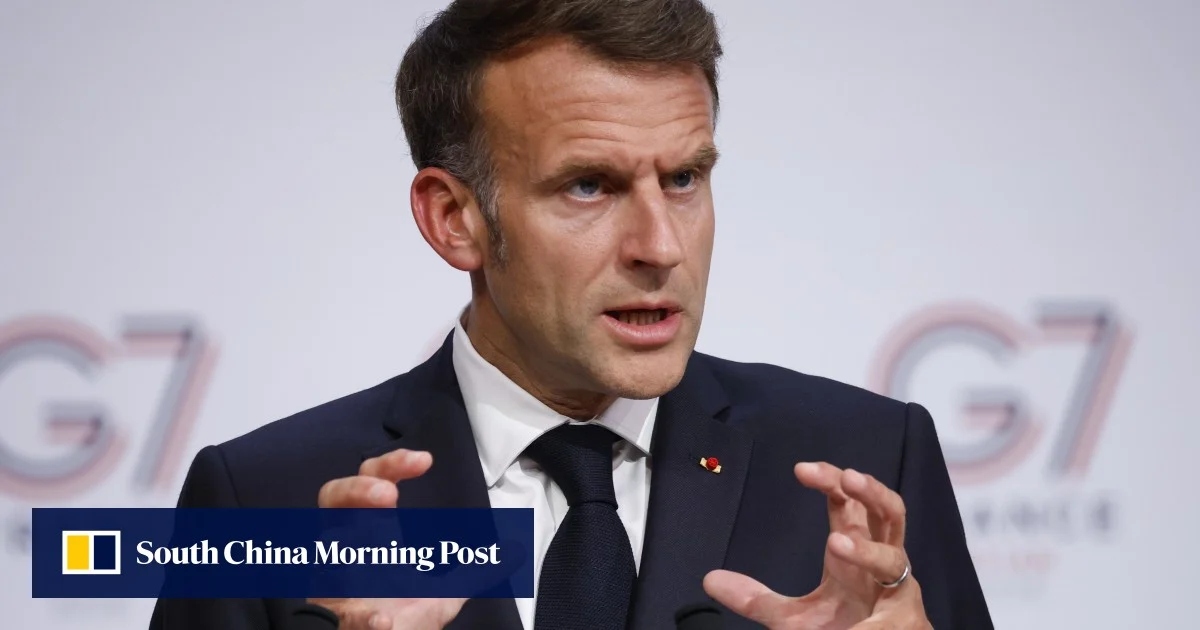
The phrase “China shock” was coined to describe the slump in employment and production in the manufacturing sector in the US and other advanced economies exposed to Chinese-made goods as China ramped up production following its admission to the World Trade Organization in 2001.According to an empirical analysis by David Autor, a professor of economics at MIT, more than 2 million jobs disappeared in the US because of the China shock between 1999 and 2011. That shock was a major factor behind the rise of US President Donald Trump and other proponents of right-wing populism who oppose globalization and advocate protectionism.But today, in 2026, many believe a new China shock is arising. Just as with the first China shock of the early 2000s, China’s trade surplus has been expanding since the late 2010s, sending shockwaves through the global economy. China has recently been dominating the world’s manufacturing export market, including both traditional and cutting-edge industries, provoking serious concerns in other countries. China shock 2.0Despite the US’ tariff hikes, China posted a trade surplus of US$1.2 trillion in 2025, about 20% higher than the previous year. The global trade imbalance exemplified by China’s trade surplus and the US’ trade deficit is expected to continue in 2026. Curiously, the second China shock is impacting not only advanced countries but also developing ones, with major ramifications for the global economy.The UK-based Financial Times published a series of articles in April titled “China shock 2.0” that cover China’s impact on trade since 2018. While China’s export boom and trade surplus relative to GDP are smaller than in the first China shock of the early 2000s, the second China shock is characterized by sharpening competition with advanced countries in highly technology-intensive industries.It’s also notable that the prices of China’s export products have been rapidly suppressed by intense domestic competition and that Chinese imports have not increased as in the past because of the vigorous development of the domestic intermediate goods and capital goods industries. Another difference from the past is that advanced countries have been boosting efforts to respond to the China shock. For example, the US’ protectionist policies have brought about a rapid decrease in the share of Chinese exports bound for the US.The growing strength of China’s manufacturing sector is causing China to become a major competitor in the high-tech industries that have long been dominated by advanced countries. Backed by China’s huge domestic market, its vast pool of skilled labor, and robust government support, Chinese manufacturers have been shipping greater quantities of sophisticated products — such as electric vehicles, solar panels, batteries and wind turbines — to advanced economies.Notably, fierce competition in China’s domestic manufacturing sector is driving down prices and lowering companies’ profit margins, while forging a more advanced and efficient value chain between Chinese companies and the corporate victors.But it’s also true that China’s overcapacity and overheated competition are overwhelming global markets with a flood of Chinese products that are threatening the manufacturing sectors of advanced economies and leading to trade friction. French President Emmanuel Macron has even remarked that China’s increasing exports of cutting-edge manufactured goods are a matter of life and death for Europe’s manufacturing sector. In contrast with the first China shock, China’s exports to Europe are growing, causing fiercer competition with key European industries such as Germany’s automotive sector.Several factors internal to China are increasing its trade surplus. China’s real estate slump and weak social safety net are dragging down domestic consumption, exacerbating the global imbalance. In addition, Chinese bureaucrats reject the oversupply narrative and have pledged manufacturing support in the country’s next five-year plan for 2026-2030.The Chinese Communist Party intends to facilitate both the quantitative and qualitative development of the manufacturing sector over the financial, service and real estate sectors as part of its ambition to become a hegemonic power — a goal encapsulated by the phrase “the US plus a manufacturing sector.”Another important factor is China’s industrial policy, which includes an undervalued real exchange rate, subsidies and tax breaks, cheap land offerings, and loans at low interest rates. The OECD reports Chinese companies enjoy subsidies that are three to nine times greater than those in Western countries. Since the Chinese central government splits value-added tax receipts with the local governments where those taxes originate, local governments aggressively support homegrown companies even if that means going into debt.Despite criticism of such practices, the reality is that China has seen a proliferation of robotics companies reliant on government support, and its solar power industry is also plagued by severe oversupply and loss-making companies. In the end, Chinese companies had to focus on overseas exports, leading to the recent surge in exports of batteries and electric vehicles.Intriguingly, the Financial Times reports that new forms of competition and cooperation are emerging between Europe and China. Amid the world’s increasingly cutthroat competition, Volkswagen and other European companies are moving into Chinese markets by establishing R&D centers there with the goal of utilizing the Chinese value chain and acquiring technology. At the same time, China is exporting more high-tech products, such as electric vehicles and machinery, to Europe and increasing direct investment at factories in Europe producing batteries and other products.Along with actively courting investment by Chinese companies, Europe is drafting a “Made in Europe” law to promote job creation and the development of the European manufacturing sector through technology transfers. Among other provisions, the bill would only permit direct investments in the form of joint ventures, with foreign companies limited to a 49% stake, and prevent EU member states from rejecting investments of 100 million euros or more in strategic industries. In effect, China and Europe are wrangling over Chinese exports and investments.In contrast, it’s widely thought that the US’ strategy of raising tariffs and putting more pressure on China will not prove successful. Autor, the MIT professor, said that the Trump administration’s protectionist approach to trade actually reduces the competitiveness of the US manufacturing sector by increasing uncertainty and making imports more expensive. He stressed the need for an aggressive industrial policy, public investment in research and development, and cooperation with allies. Simply put, the populists’ concerns about the China shock are valid, but their prescriptions are not.