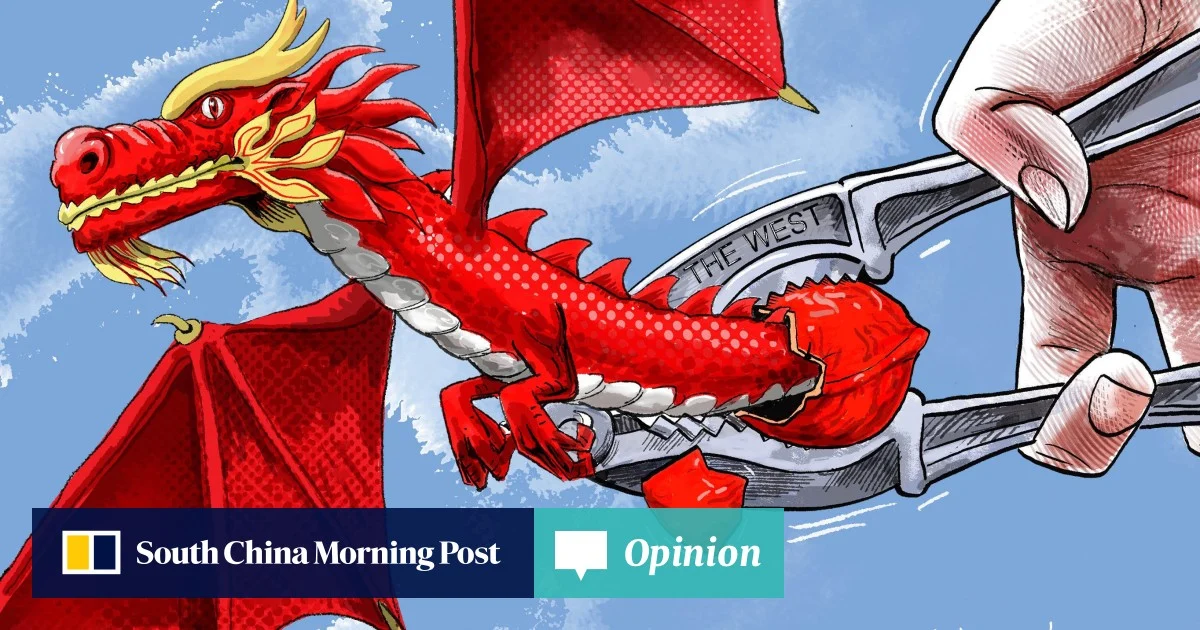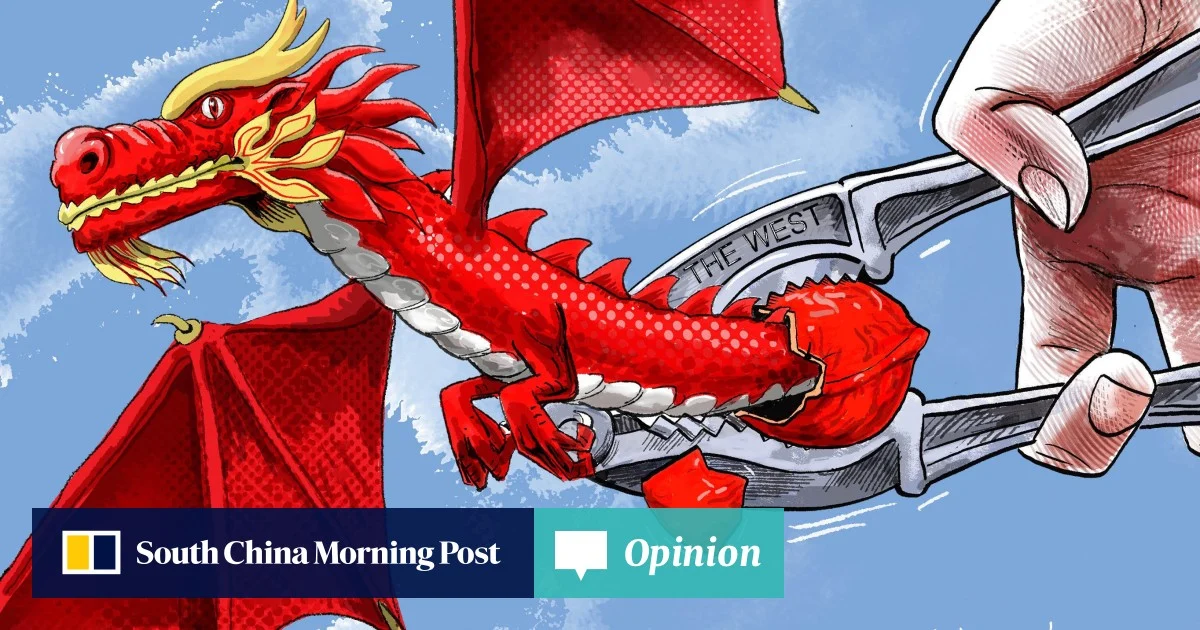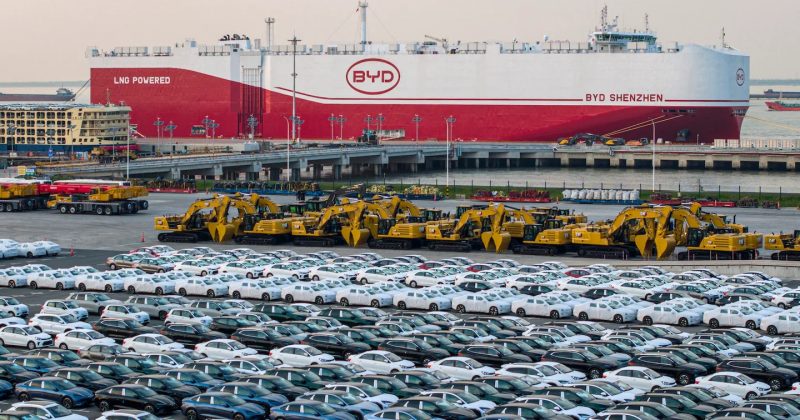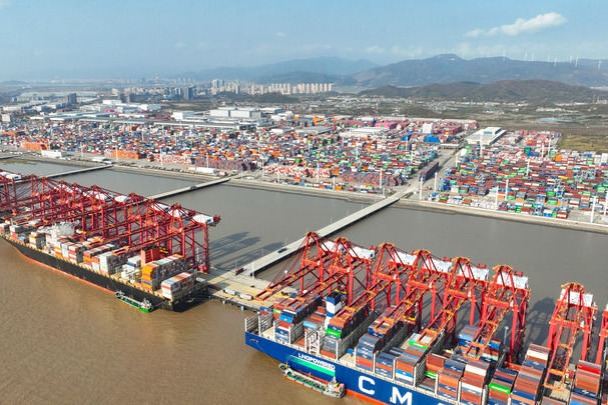
In response to growing rhetoric from the West over the so-called China Shock 2.0, experts say this narrative serves primarily as a political shield for protectionist policies rather than an objective economic assessment.
They warn that such framing could undermine the multilateral trading system and drive up global costs. Rather than viewing China's industrial advancement with hostility, those nations should instead adopt a more sophisticated collaborative mindset, leveraging China's robust supply capabilities to generate shared global benefits, experts urged.
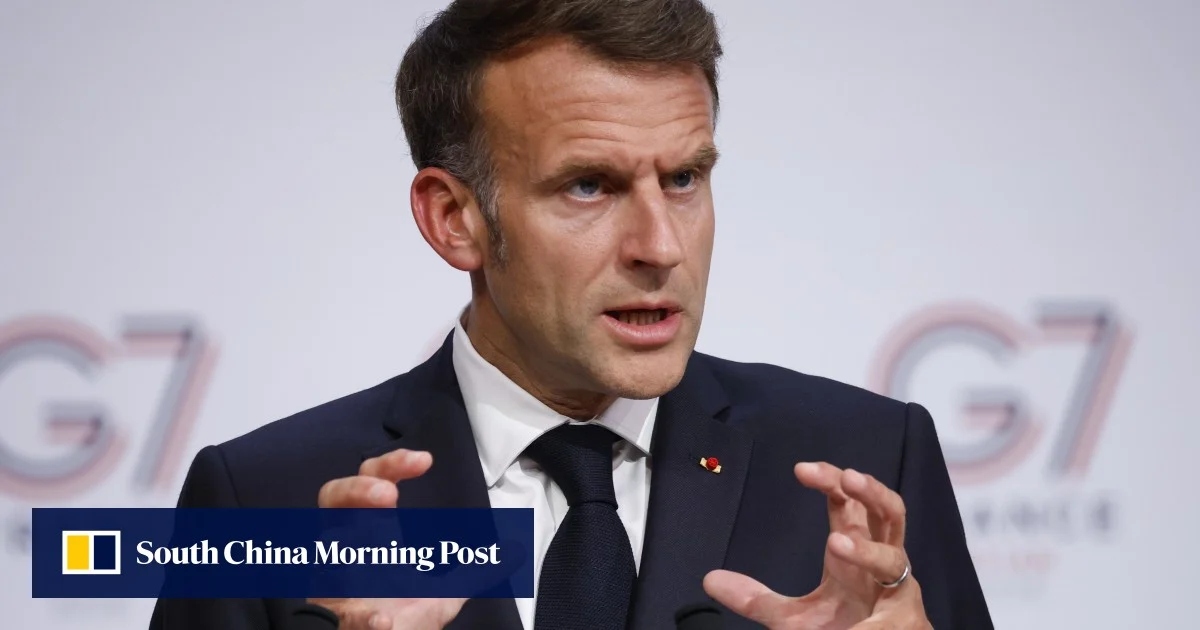
During the three-day G7 summit concluded on Wednesday, European Commission President Ursula von der Leyen said, without naming China directly at first, that "some countries produce too much and do not consume enough", claiming it has been "increasingly dangerous for the stability of the global economy". She then explicitly singled out China, labeling its trade surplus with the European Union "unsustainable".
Her remarks mirror the "China Shock 2.0" narrative that has been gaining traction. Last month, the Centre for European Reform, a Europe-based think tank, published a report claiming that "a new China Shock is reverberating across global goods markets". During the G7 summit, many Western media outlets also leveraged this narrative to justify trade policies targeting China.