China’s first multi-decade disruption to the U.S. market was easy to spot: exports of cheap clothes, furniture and electronics pouring in and the hollowing out of parts of the American manufacturing base. But the second is more subtle, comes with more ramifications for U.S. companies, and seems to have arrived.
“China Shock 2.0 is here,” Torsten Slok, chief economist at Apollo Global Management, wrote in a note on Friday. He argued that this time, China is increasingly exporting the kinds of products that advanced economies once expected to dominate domestically, namely: EVs, semiconductors and other high-tech goods.
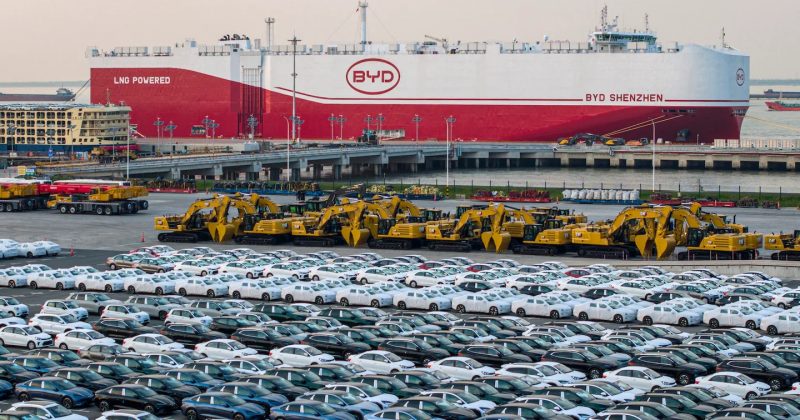
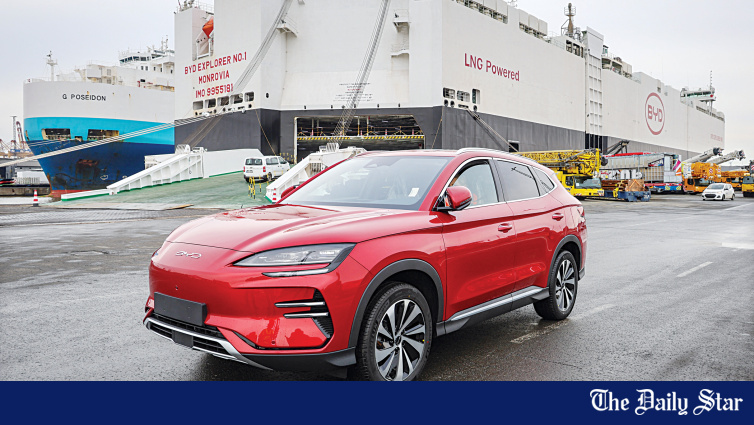
China’s exports rose 24% in July, slowing slightly from the month before but propped up by increased demand for EVs and electronics, with high-tech exports surging nearly 41% in the January-July period from a year before, just as semiconductor exports doubled.
This means that the concern for companies now isn’t just that China is manufacturing cheaper goods, but that it’s competing with the U.S. in higher-value industries. This could threaten American companies even as consumers are less exposed to Chinese products and tech because of tariffs.
China Shock 1.0 was on Walmart shelves, and the new one is in tech