Academia
The latent bias that leads analysts to place the US at the center of the global economy has caused many to overlook just how game-changing Chinese mercantilism has been.
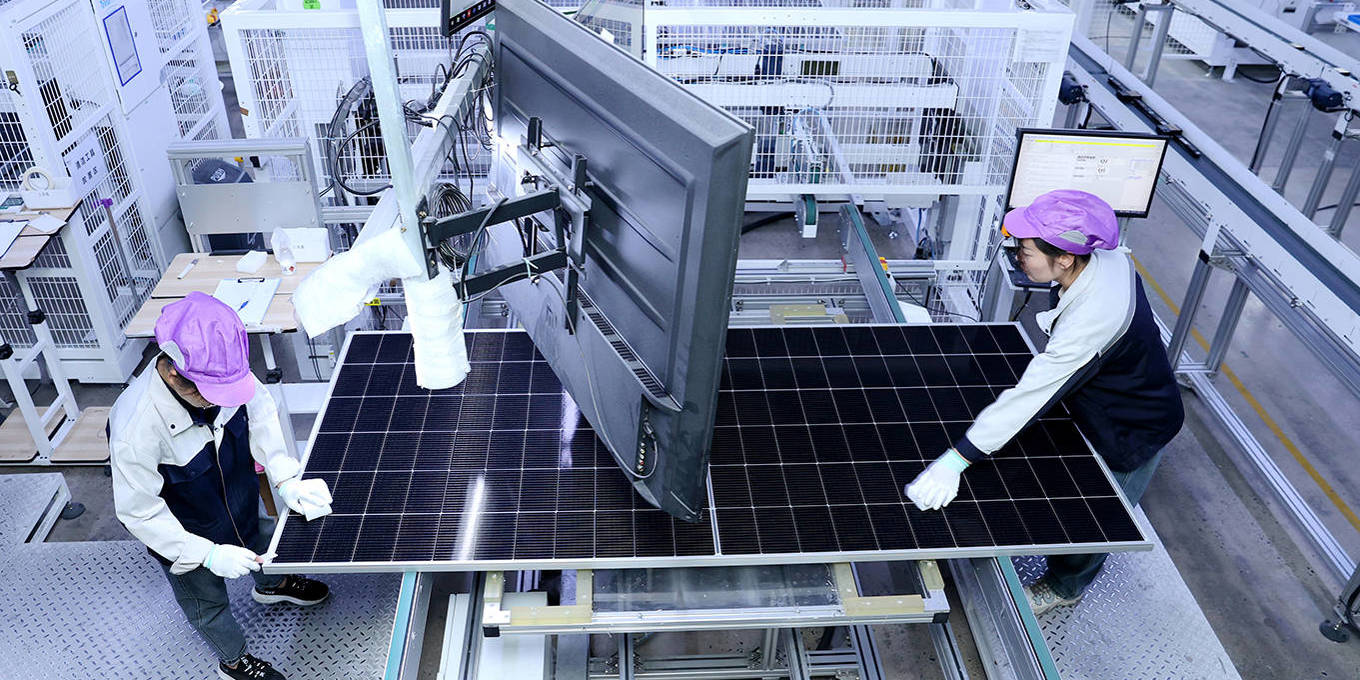
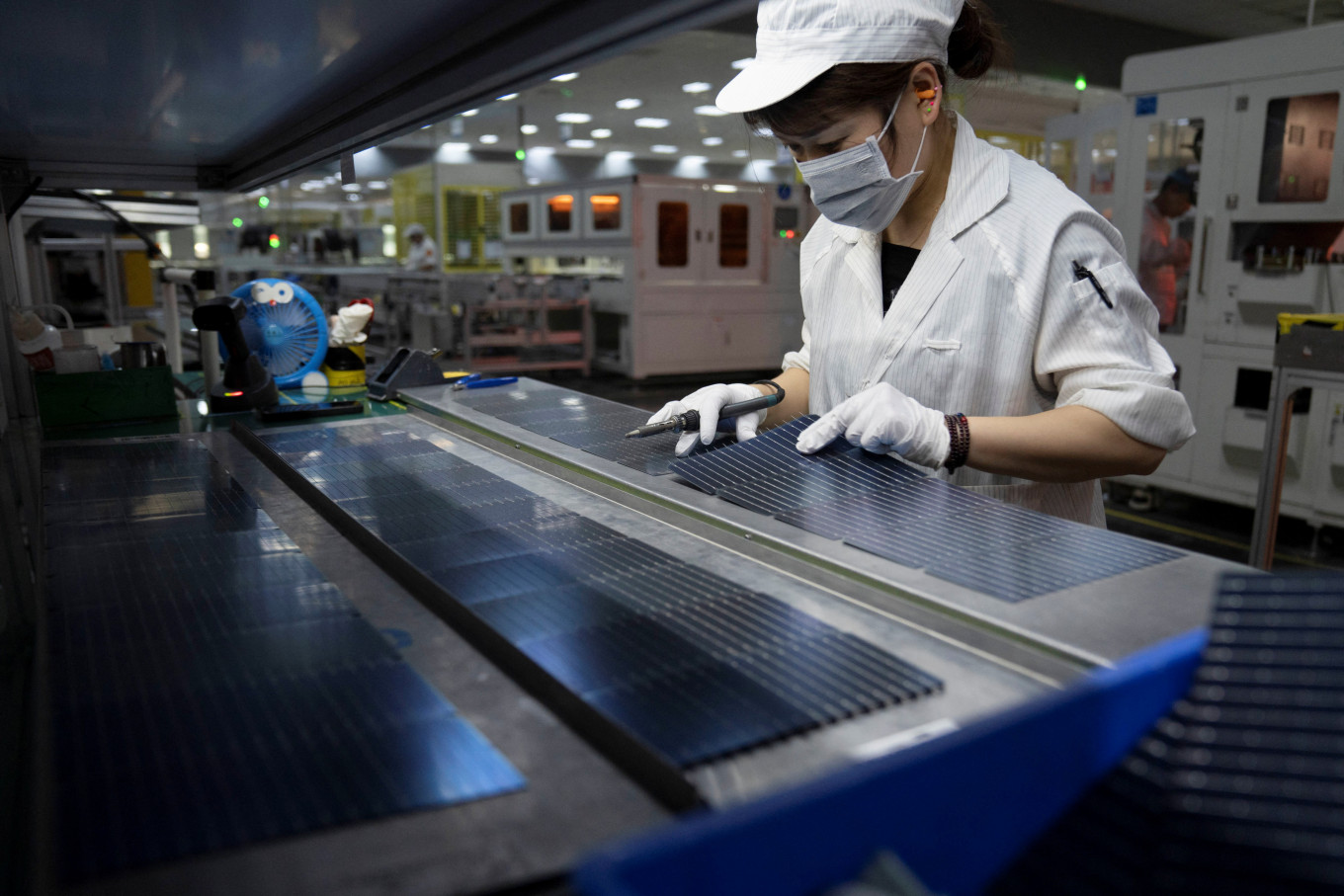
An employee works on the production line for solar panels at a factory of GCL System Integration Technology in Hefei, Anhui province, China, on May 16, 2024. (Reuters/China Daily)
In the long sweep of history, China’s economic performance over the past 50 years will obviously stand out for the sheer scale and pace of quality-of-life improvements within that country. But China’s impact on the rest of the world has still been underappreciated.True, if the retrospective gaze were confined to global shocks in the post-World War II period, a few defining ones would be the 1970s oil embargos, which led to a large and permanent productivity slowdown in advanced economies; and the 2008 financial crisis, which brought globalization to a screeching halt and called into question the American model of finance-addled capitalism. The United States Federal Reserve’s policies have also had clear global effects. For example, Paul Volcker’s tightening in the early 1980s precipitated a developing-country debt crisis, and the quantitative easing that began under Ben Bernanke ultimately fueled capital flows to emerging markets, thus sustaining high growth in the 2000s.