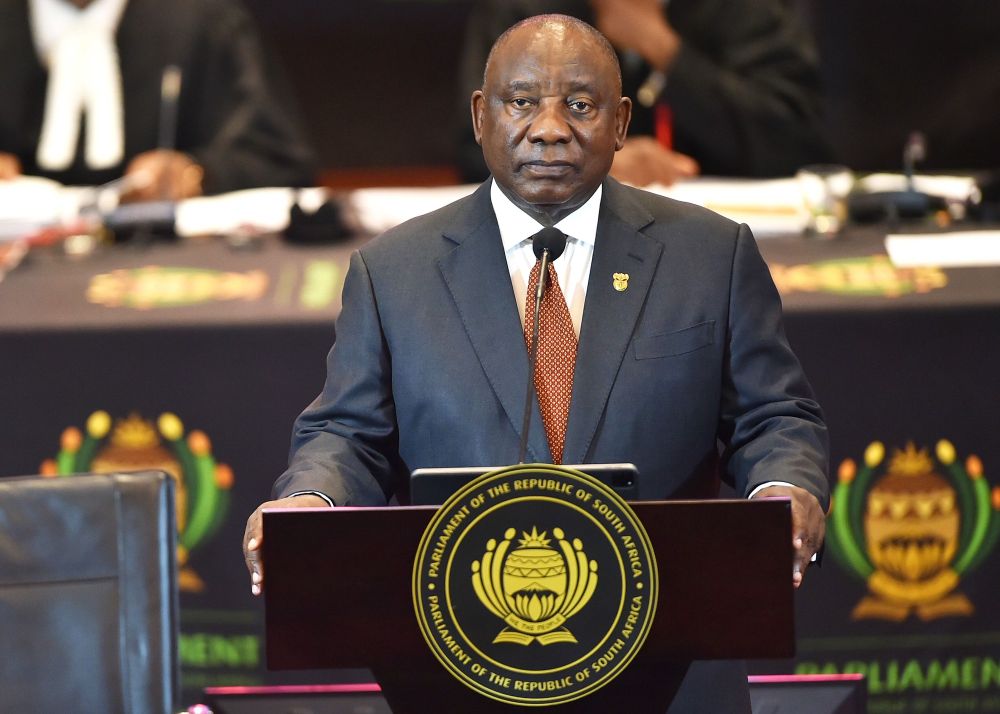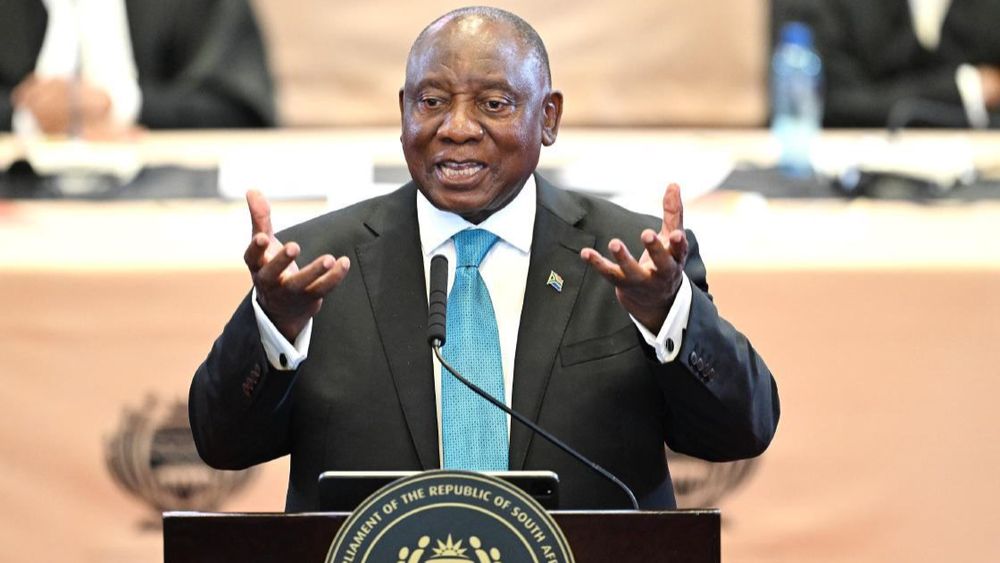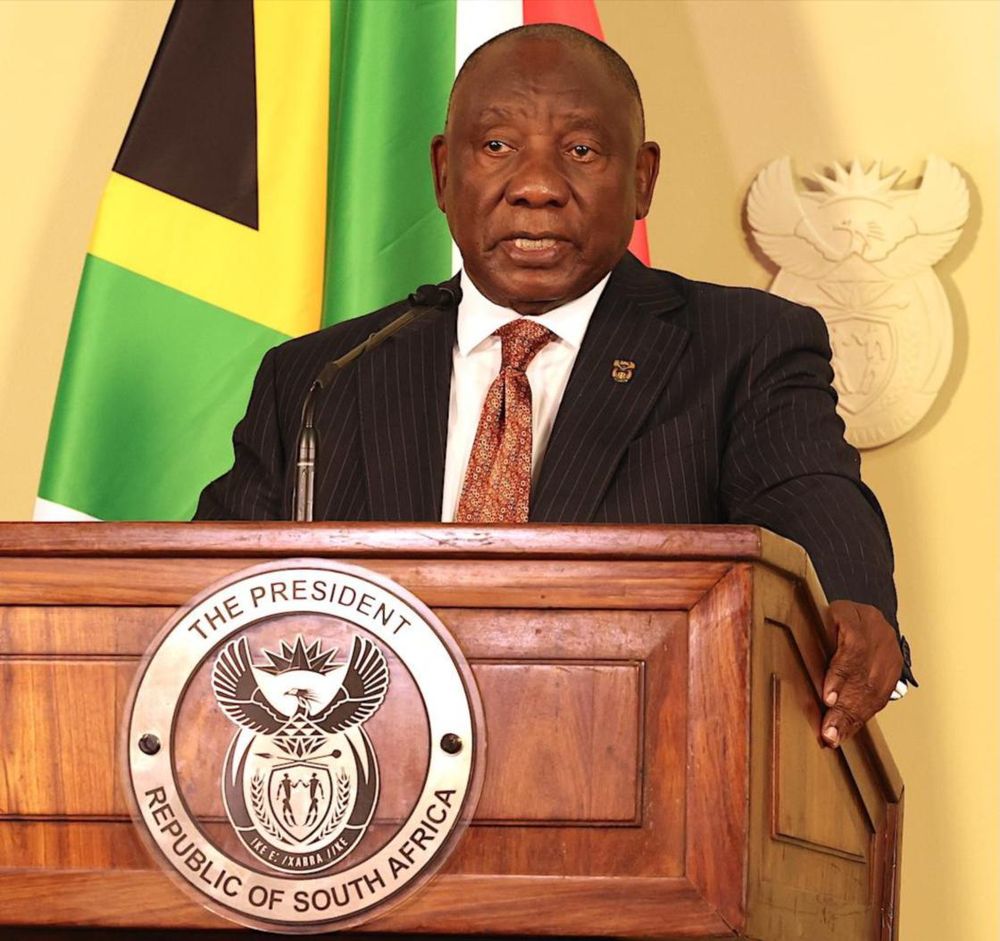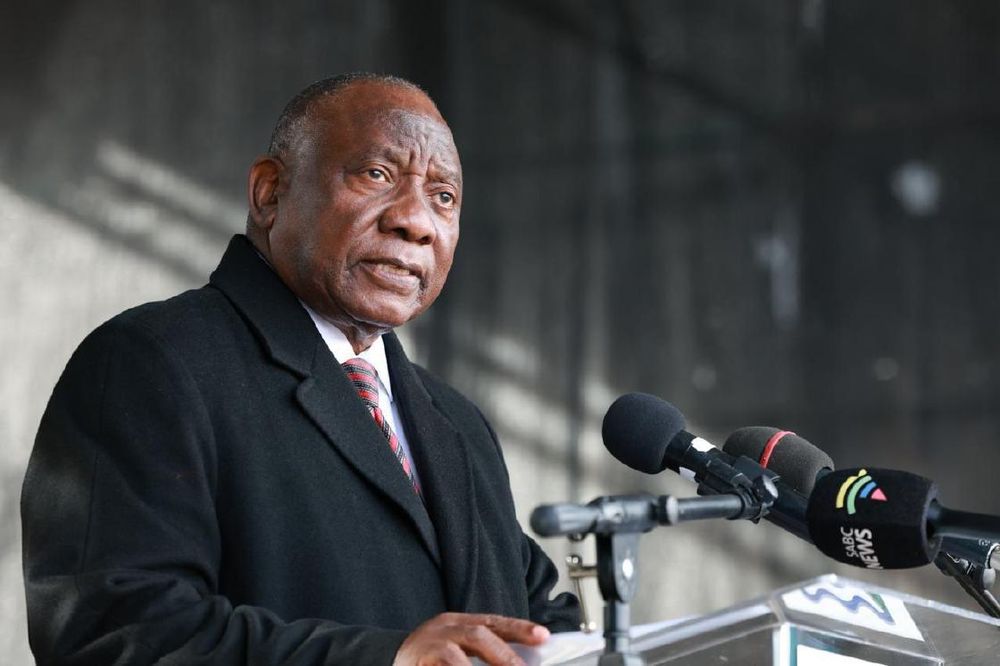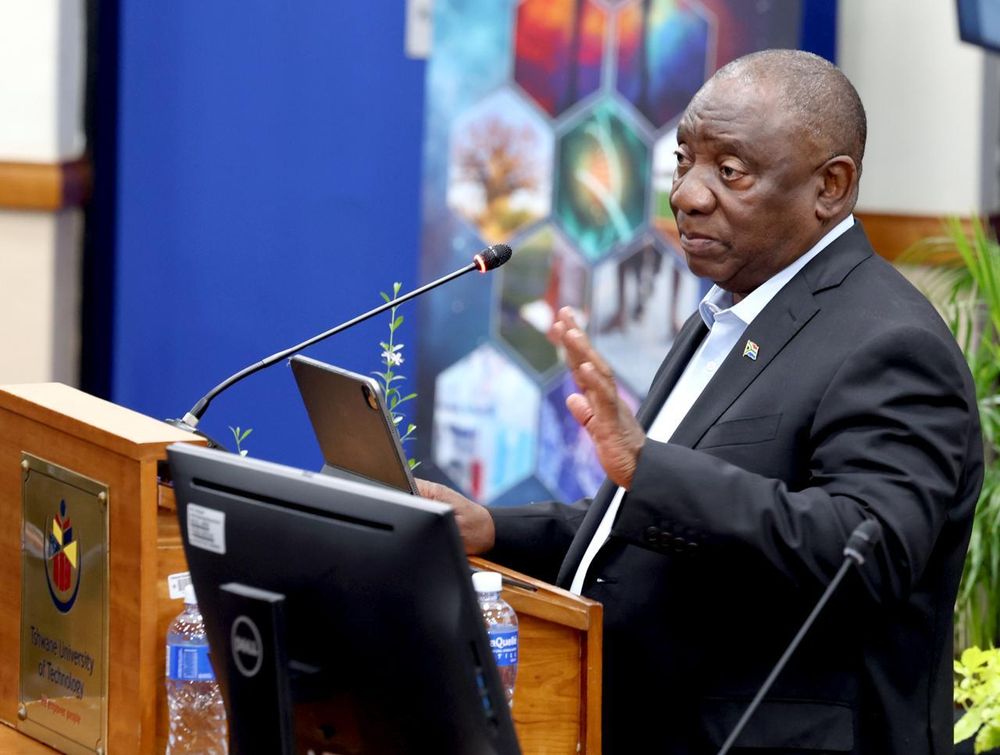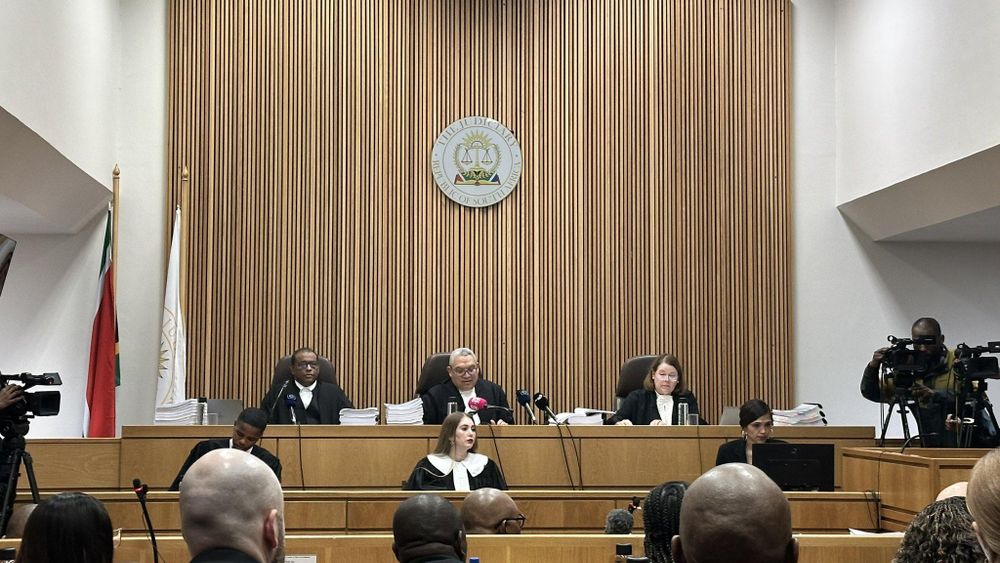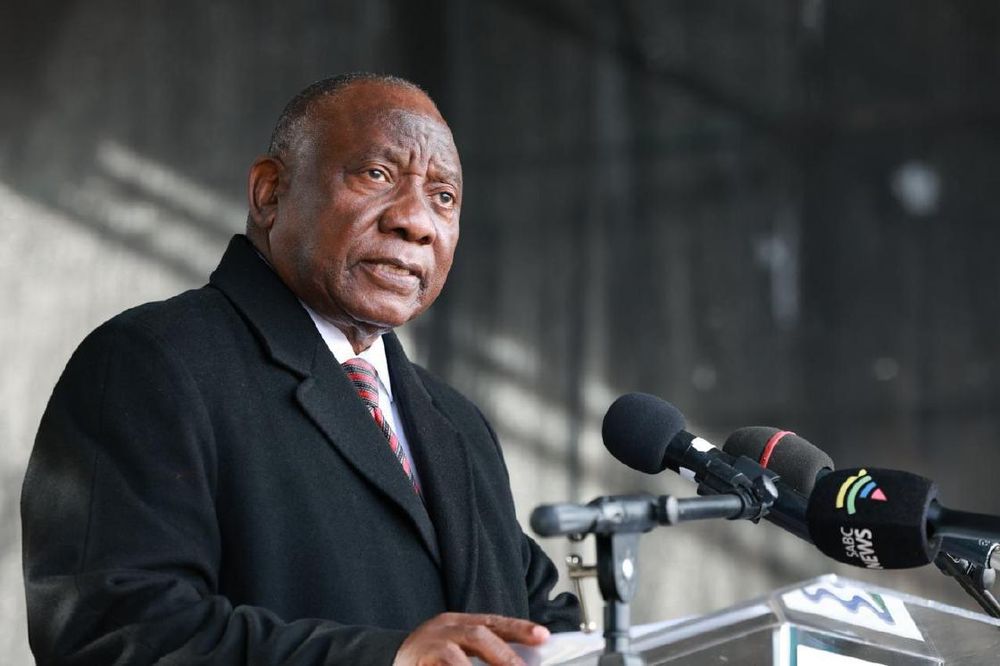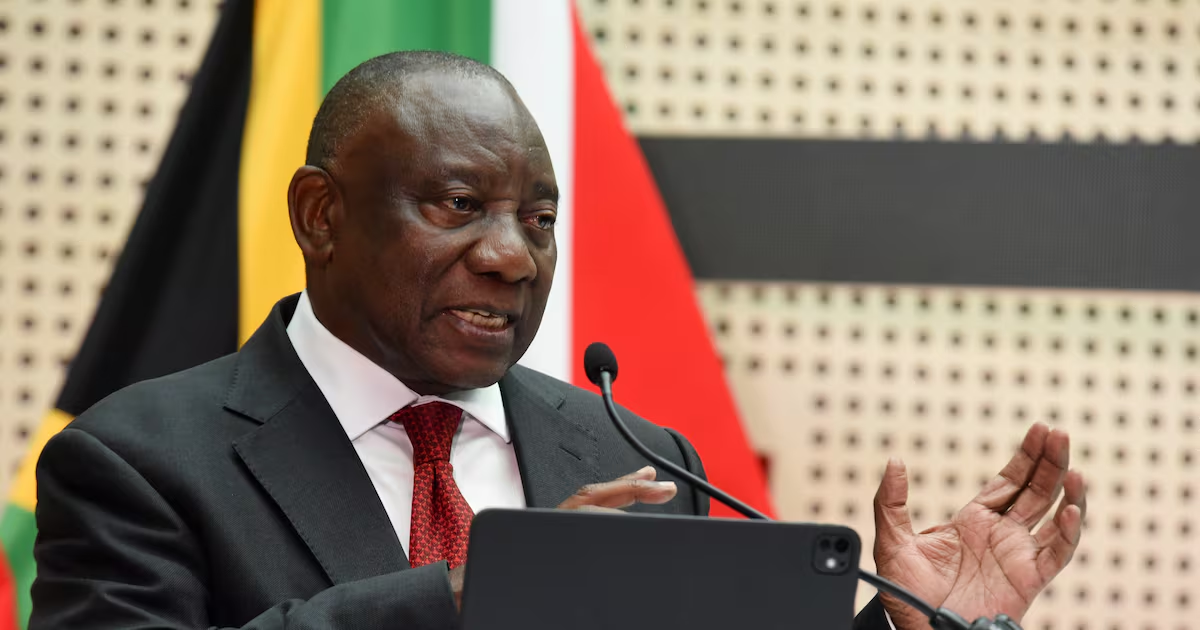
The Western Cape High Court should not grant President Cyril Ramaphosa an interdict halting the impeachment committee proceedings because such an order would undermine the Constitutional Court’s judgment in the Phala Phala saga, advocate William Mokhare argued on Wednesday. The president seeks an interim interdict to halt the committee’s proceedings pending a review application to set aside an independent panel’s report, which found, on a prima facie basis, that the president may have violated the law and the constitution. The panel, led by former chief justice Sandile Ngcobo, was established by parliament to conduct a preliminary probe into the president’s conduct when $538,000 (about R8.8m) was stolen from his Phala Phala game farm in 2020. When a president is removed from office on grounds of serious violation of the constitution or the law, he loses his presidential benefits and pension and cannot serve in any public office. Mokhare, representing the impeachment committee, argued the effect of the interim interdict sought would undermine the Constitutional Court’s order in the matter. The top court in an “extraordinary” judgment in May referred the panel’s report to the impeachment committee. He said the parliamentary committee has to ensure it complies with the order by continuing with the impeachment inquiry; a halt in the process would be contrary to the top court’s order. “The [Constitutional] Court order must still be complied with; otherwise it would be to make a mockery of the stare decisis principle that you have a high court that is going to interpret the Constitutional Court orders in a manner that undermines the very orders that the Constitutional Court has granted in order to give finality to an important matter,” Mokhare argued. “When we are now engaging in litigation, which seeks to undermine that very order, what message are we sending to the nation — that court orders can simply be disobeyed?” he asked.The high court has no jurisdiction in the matter, and the application should have been taken to the top court because the relief sought affects the order of the top court, Mokhare argued. “When there is an order which compels you to do something, that order can only be stayed or rescinded by that very same court. We say that it is a Constitutional Court order; if the president wants to stay it because it’s prejudicial to him, he must go to the Constitutional Court. That is the court that will be able to entertain him because it has the power to do so.” Advocate Wim Trengrove, for the president, argued the high court has jurisdiction in the matter because the top court, in its judgment, said the panel’s “recommendation that a section 89 inquiry be proceeded with must be implemented through a referral to an impeachment committee, unless and until the report is set aside on review”. He argued that Ramaphosa is entitled to the protection of an interdict relief because he would suffer irreparable public humiliation and reputational harm if the “momentous” impeachment hearings continue only for the panel report to be set aside in review proceedings. “It is humiliating to put the president on trial,” Trengrove argued. Trengrove said that without an interdict, should the impeachment inquiry proceed, it would have far-reaching implications for the president while the report, which triggers the entire process, remains a subject of question in review. “Misconduct, which, if he were guilty, would not only disqualify him as president but would also disqualify him for life for any public office or any benefits from the presidency. That public humiliation will do its harm even if the report is ultimately overturned.” The president’s application in challenging the independent panel’s report is premised on the argument the panel made a “mistake” because parliamentary rules required the panel to determine whether sufficient evidence exists to show that the president was guilty of a serious violation of the constitution or law or serious misconduct. The panel, however, interpreted its mandate to mean that it must determine whether there was prima facie evidence that the president was guilty of a serious violation of the constitution or law or serious misconduct. The panel in the report pinned its interpretation of the rules on the fact that it had 30 days and had limited powers, including not having the power to cross-examine witnesses. EFF legal representative advocate Mfesane Ka-Siboto said the panel understood its mandate well — that it was not tasked to conduct a full-blown investigation but to establish whether a prima facie case existed. “There is no merit to the argument the panel misunderstood its merit to the extent it incorporates the word prima facie,” he argued in opposing the president’s application. Advocate Dali Mpofu, for the MK party, argued the court should be cautious in delivering an order that could intrude on parliament’s terrain. “On what basis can this court intrude into the exclusive terrain of the legislator and even intrude into the exclusive terrain of the judiciary? “This case in terms of the so-called separation of powers harm is a heightened one; not only does it want to interfere with the judgment of the Constitutional Court, but it wants to interfere with the functions of the legislature. There is no basis upon which this court can cross into the other lane,” Mpofu argued. Advocate Anton Katz, for ATM, argued the president’s case should be dismissed because there is no argument that the committee in proceeding with the impeachment is acting unlawfully. “You will not find in the pleadings any suggestions by the president that when parliament decided to continue, they acted impermissibly. There is no review of parliament’s decision to continue. There is no suggestion in his papers that it is unlawful,” he argued. He described the application as “extraordinary” but argued the president did not plead a case warranting the granting of the interdict. The hearing of the case continues on Thursday.
Phala Phala | Advocates clash over Ramaphosa impeachment interdict bid
High court lacks jurisdiction to stop Phala Phala hearings, opponents argue
979 words~4 min read