Story audio is generated using AI
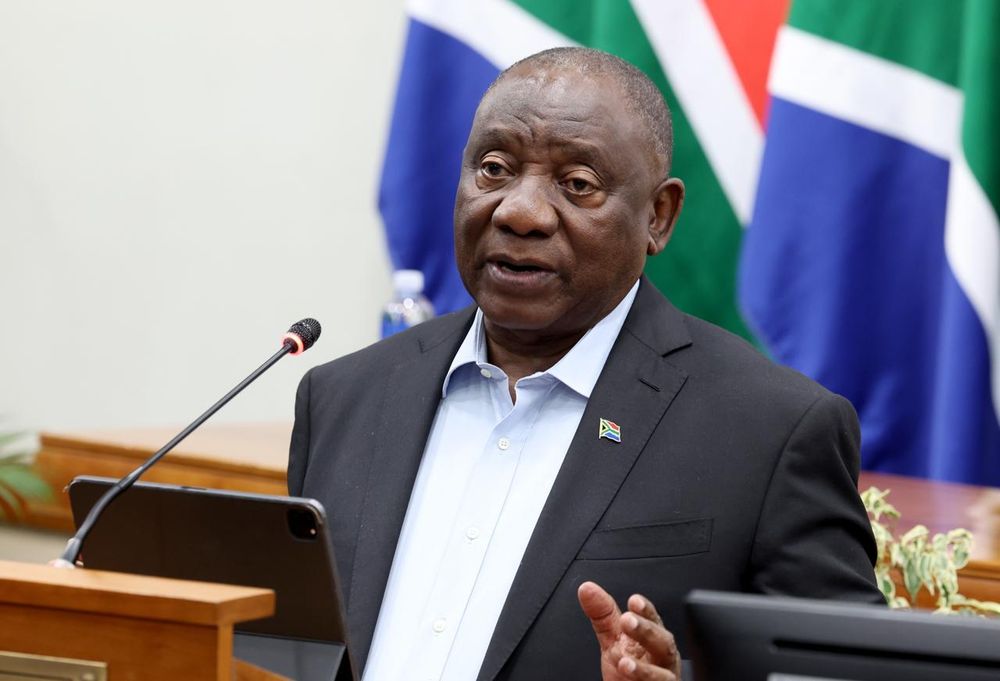
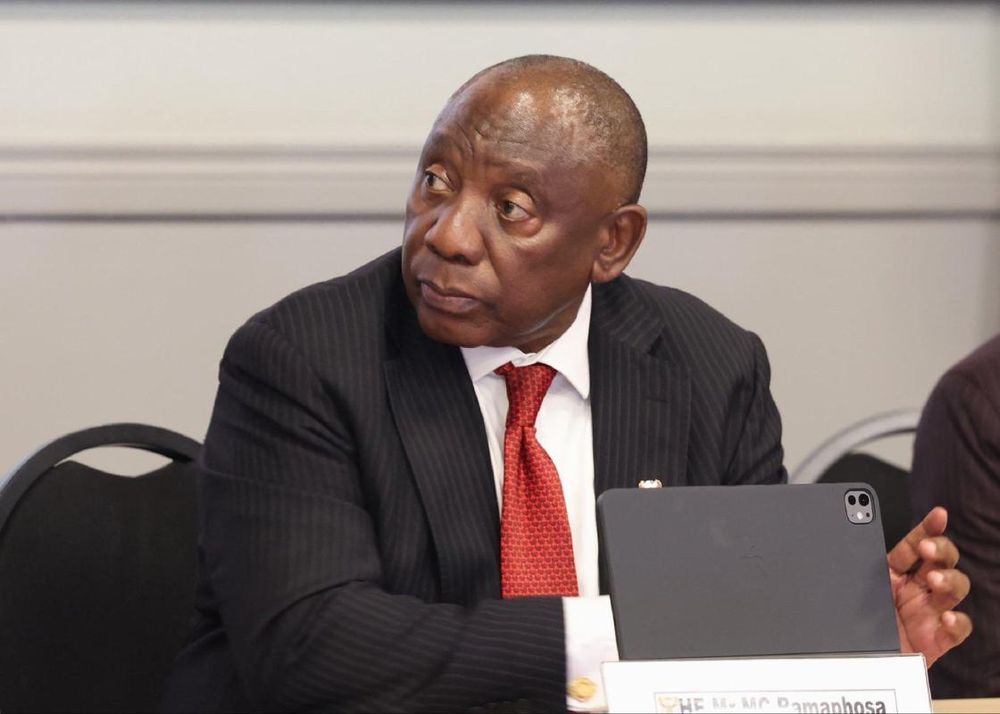
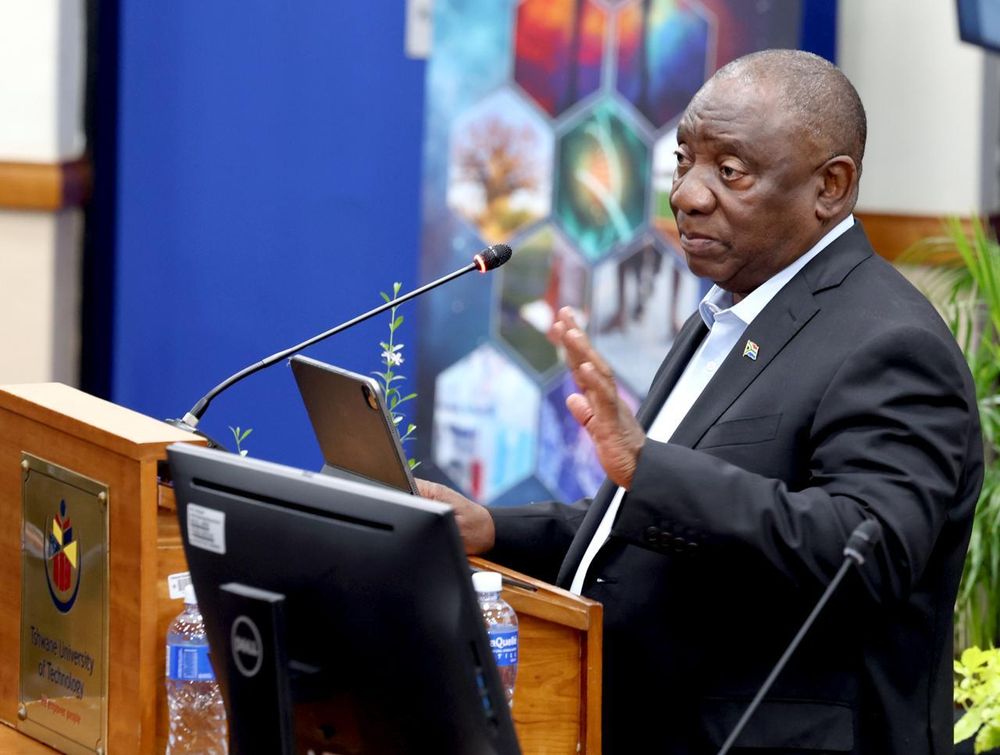
President Cyril Ramaphosa will know by next week whether he has succeed in his urgent application seeking to halt the proceedings of parliament’s impeachment committee. After a two-day hearing for the application by the president seeking an interim interdict to halt the committee’s proceedings pending a review application, Western Cape High Court judge Andre Le Grange indicated on Thursday that the court intends to deliver a judgment on the matter by next week. The application was before a full bench consisting of judges Le Grange, Matthew Francis and Diane Davis. Ramaphosa wants an interim halt to the impeachment proceedings pending his review application to set aside an independent panel’s report, which found, on a prima facie basis, that the president may have violated the law and the constitution. The panel, consisting of former chief justice Sandile Ngcobo, retired judge Thokozile Masipa and advocate Mahlape Sello, was established by parliament to conduct a preliminary probe into the president’s conduct when $538,000 (about R8.8m) was stolen from his Phala Phala game farm in 2020. The parliamentary impeachment committee, represented by advocate William Mokhare, argued that the high court has no jurisdiction in the matter, and the application should have been taken to the top court because the relief sought affects the order of the Constitutional Court. The [Constitutional Court] order gives effect to the new rule. It stops there. There is nothing in the Constitutional Court order about what should happen after the referral to the committee— Advocate Wim Trengove, representing RamaphosaIn a judgment in May, the top court referred the panel’s report to the impeachment committee. The president is not challenging the Constitutional Court order’s referral of the report to the committee but seeks an interdict of the proceedings.In his rebuttal, advocate Wim Trengove, representing Ramaphosa, argued that the president was entitled to review the report and legally had the right to seek an interdict. He argued that the interdict application was part of the review application, and the top court said in its judgment that the panel’s “recommendation that a section 89 inquiry be proceeded with must be implemented through a referral to an impeachment committee, unless and until the report is set aside on review”. “The [Constitutional Court] order gives effect to the new rule. It stops there. There is nothing in the Constitutional Court order about what should happen after the referral to the committee,” Trengove argued. “It is not correct to submit, as a number of my learned friends did, that the Constitutional Court order said anything about the way in which the impeachment committee should deal with the report. Those are matters regulated by the rules, not the Constitutional Court order.” The top court’s order to refer the report to the committee was a result of the scrapping of a parliamentary rule that provided parliament the power to shield a president from an impeachment inquiry, even if an independent panel finds a president has a case of misconduct to answer. Trengove argued that the president would suffer humiliation should he be subjected to a public trial, while the committee would not suffer as much harm should the proceedings be delayed for two to three months for an outcome of the review application.The review application will be heard in September in the Western Cape High Court.The court has reserved judgment on the matter. Business Day