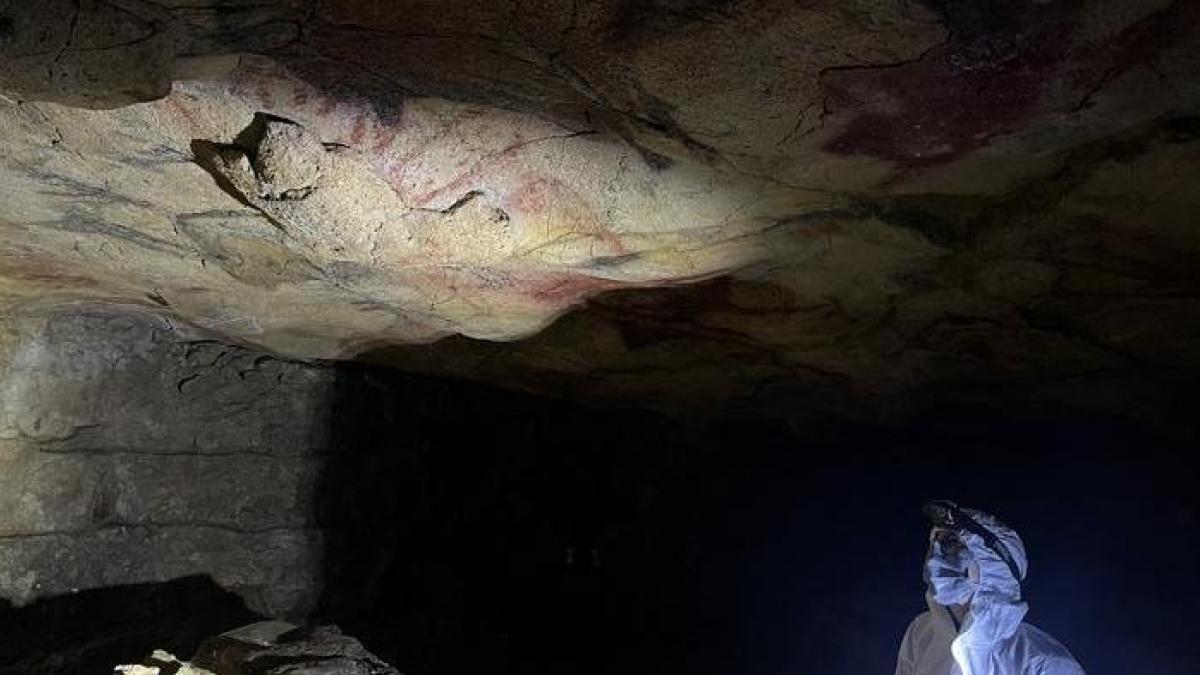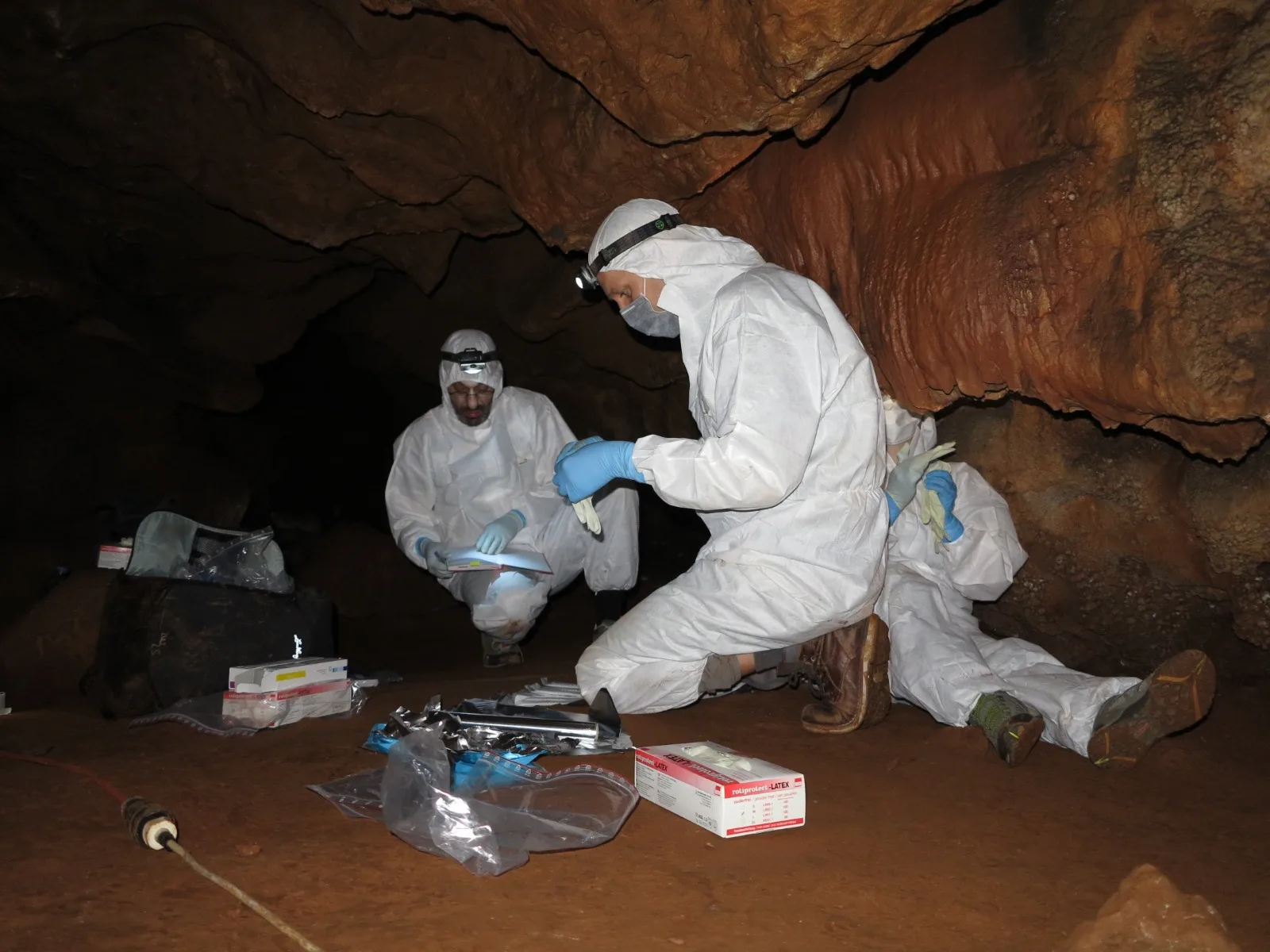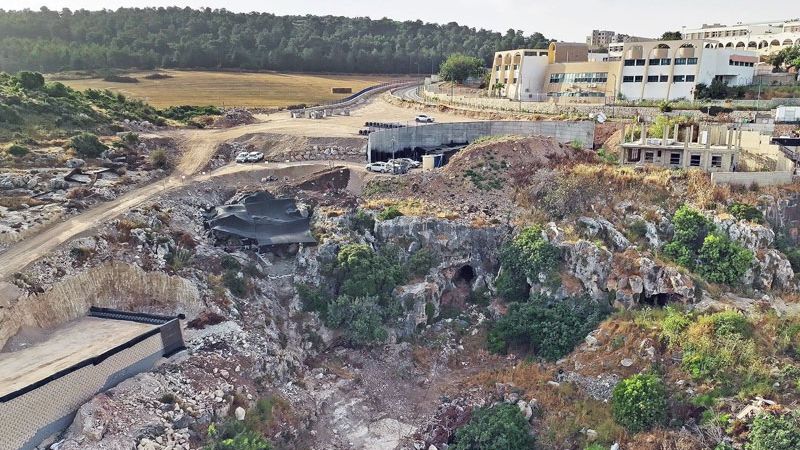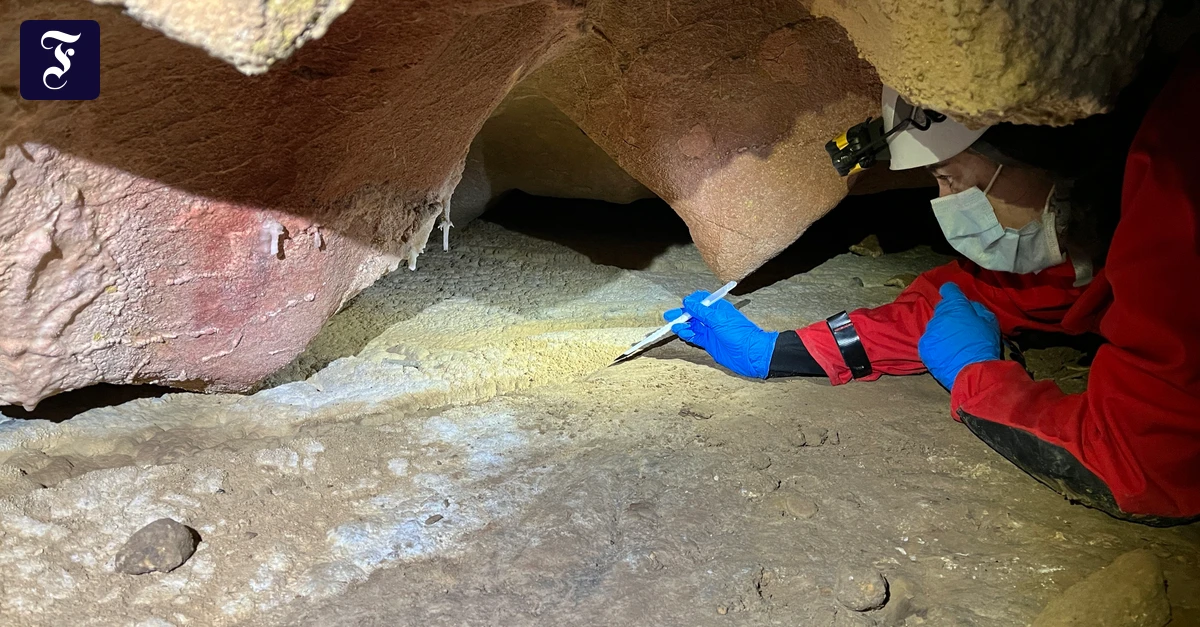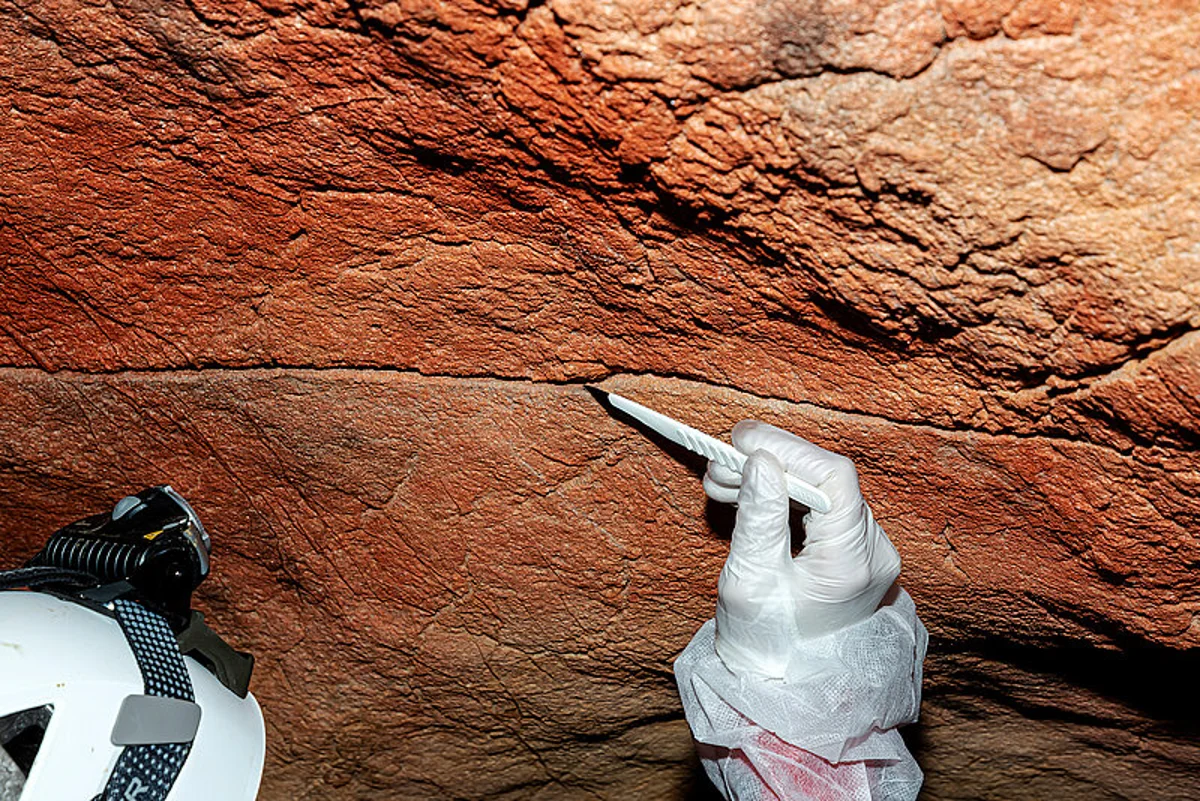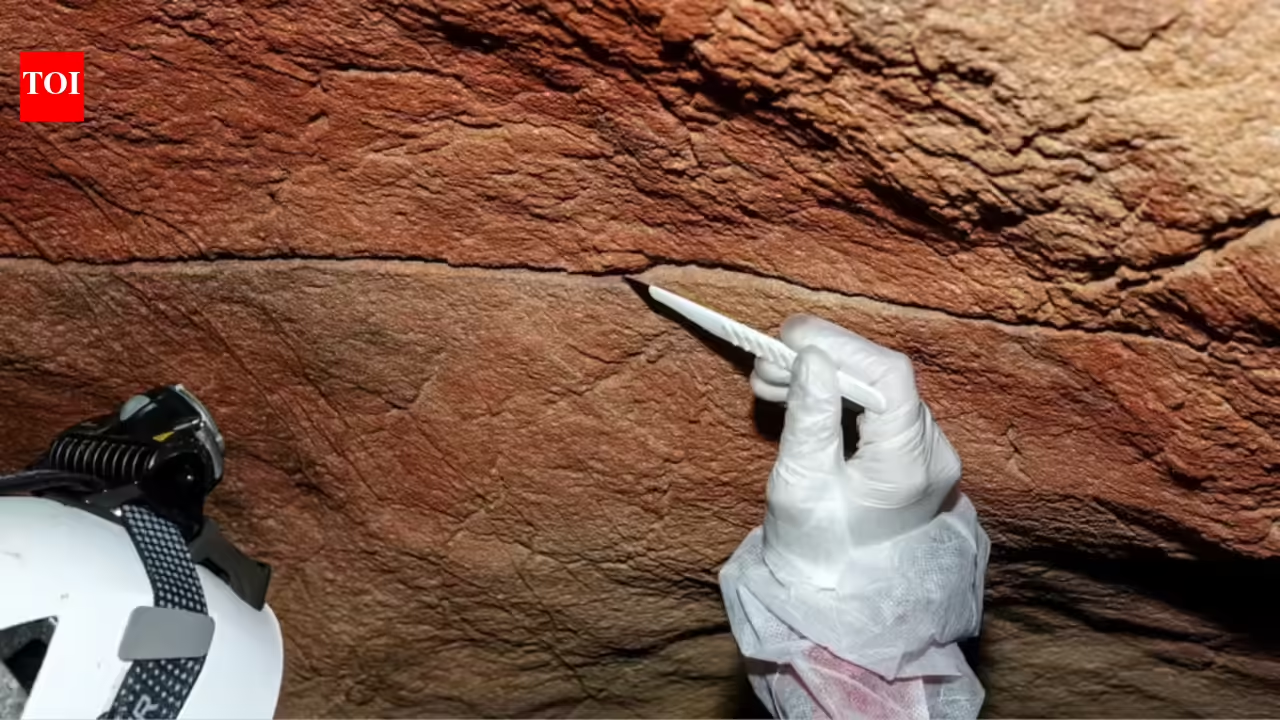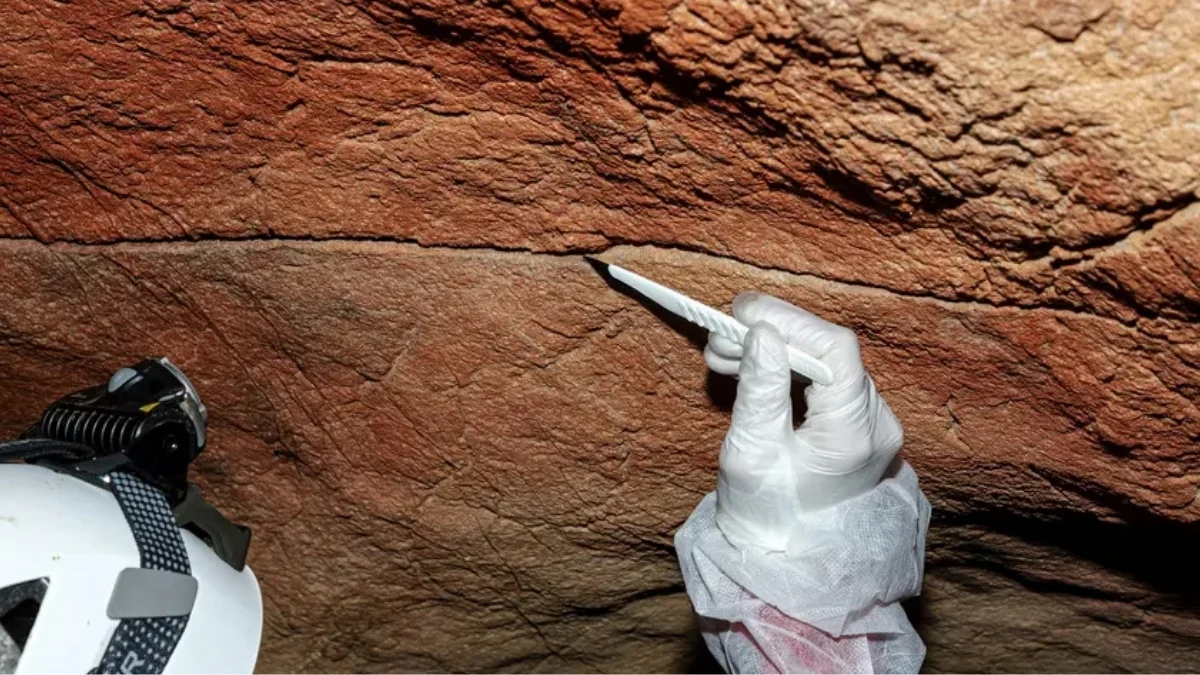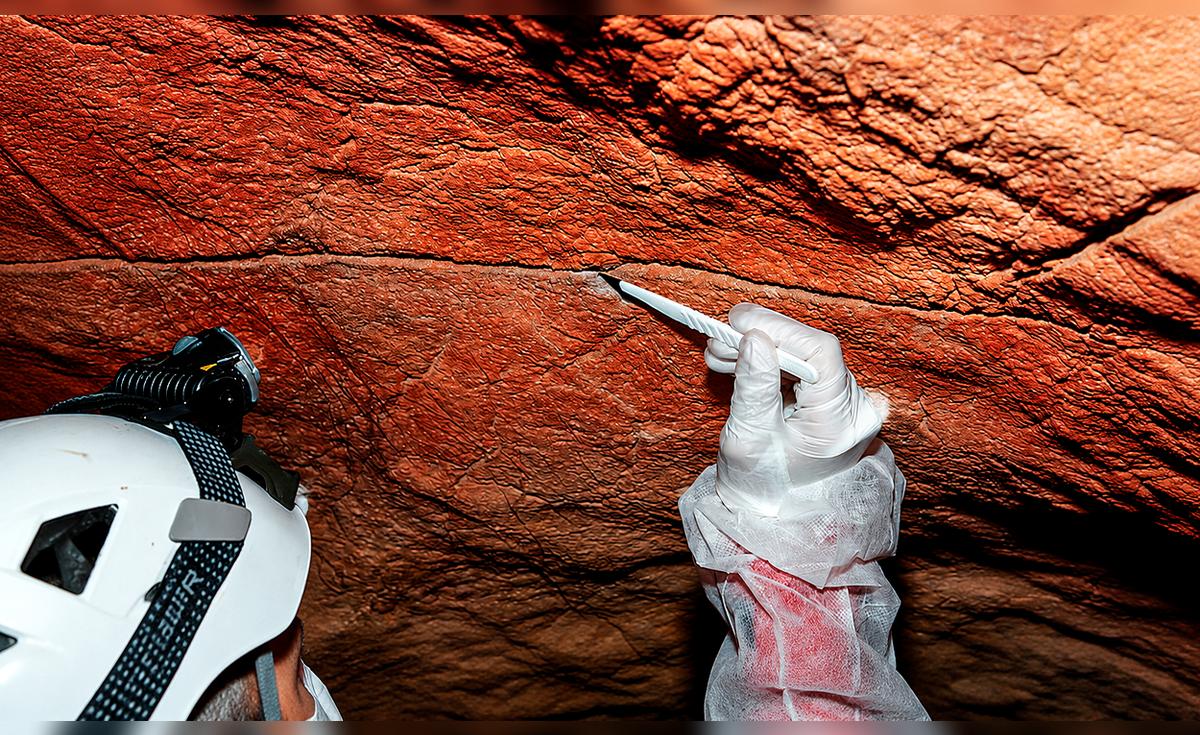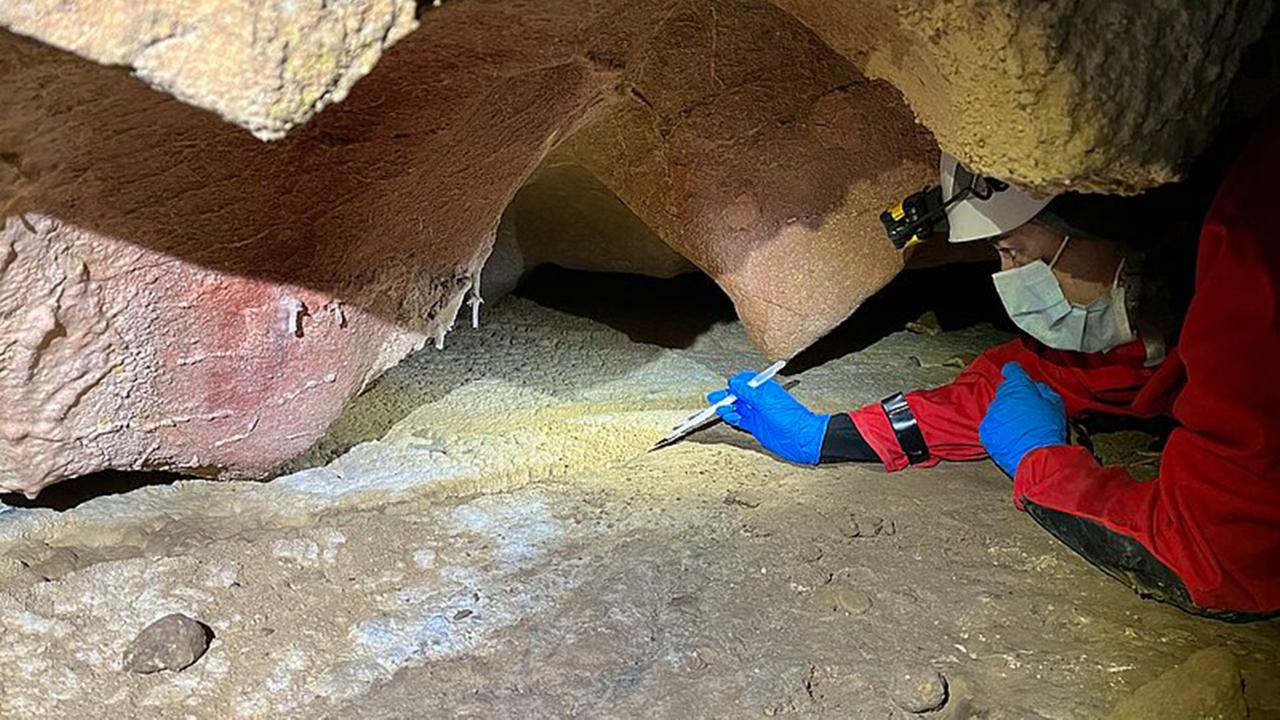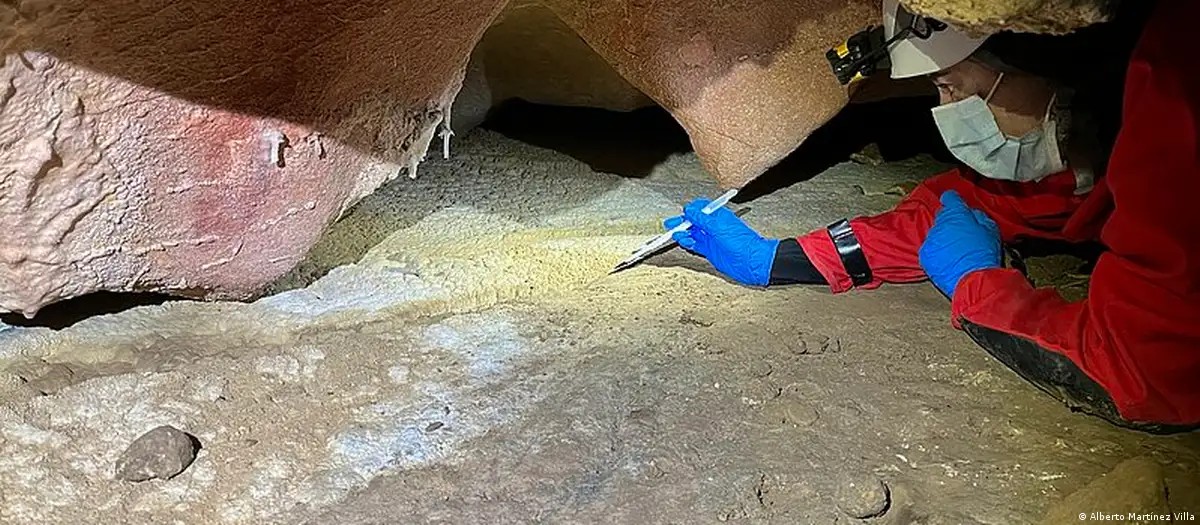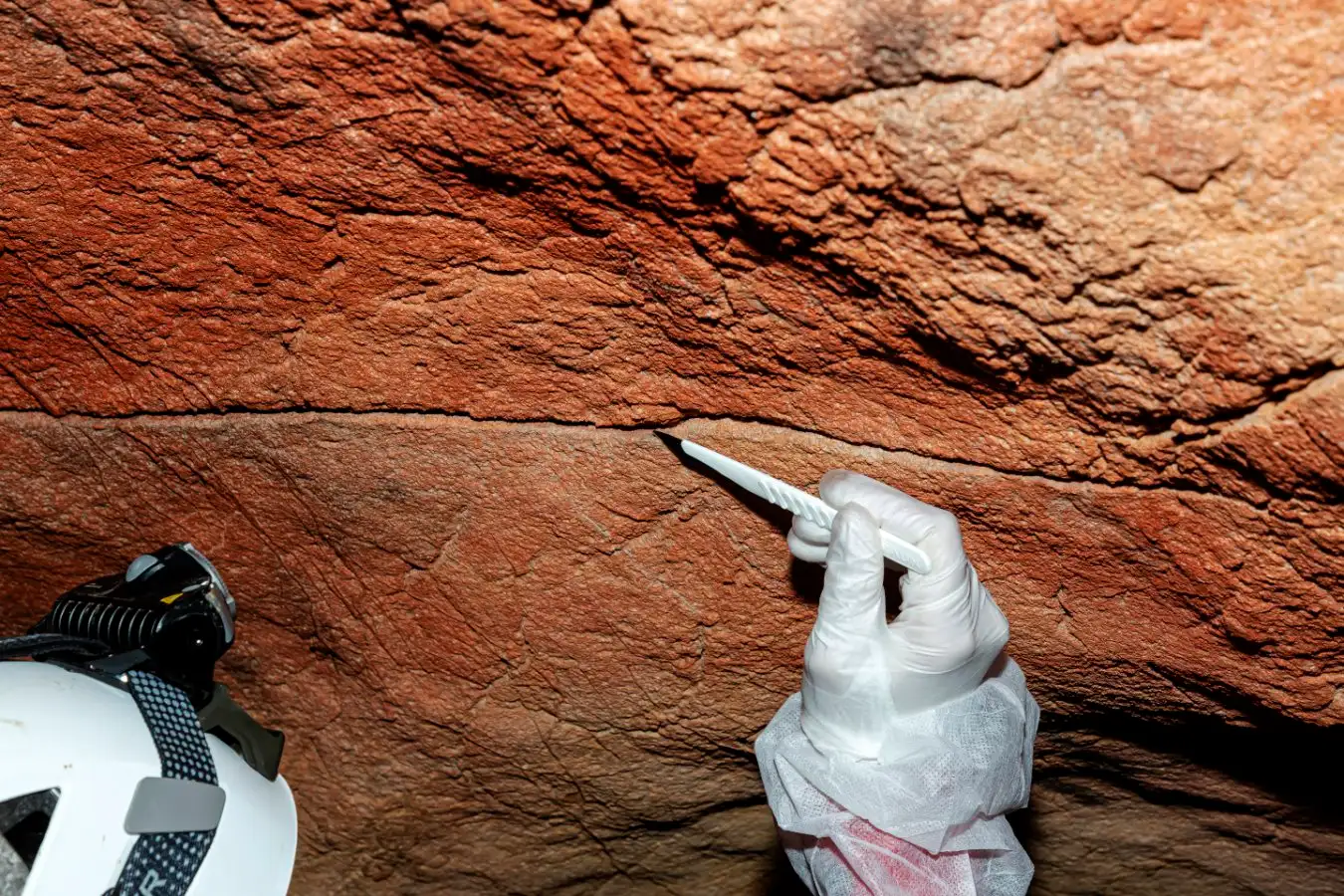
A sample is collected from a rock art figure in Tebellín, SpainABAMIA ARKEOS-ALBERTO MARTÍNEZ VILLA
Ancient human DNA can survive on cave walls and rock art for thousands of years, a study of caves in Spain and Portugal has found. This opens up new ways to understand prehistoric humans and answer questions about whether Neanderthals painted on cave walls too.
“It’s the start of a new era,” says Genevieve von Petzinger at University of the Witwatersrand, Johannesburg, South Africa. “This gives us the potential to meet the actual artists, the individual who did this art. It’s extraordinary.”
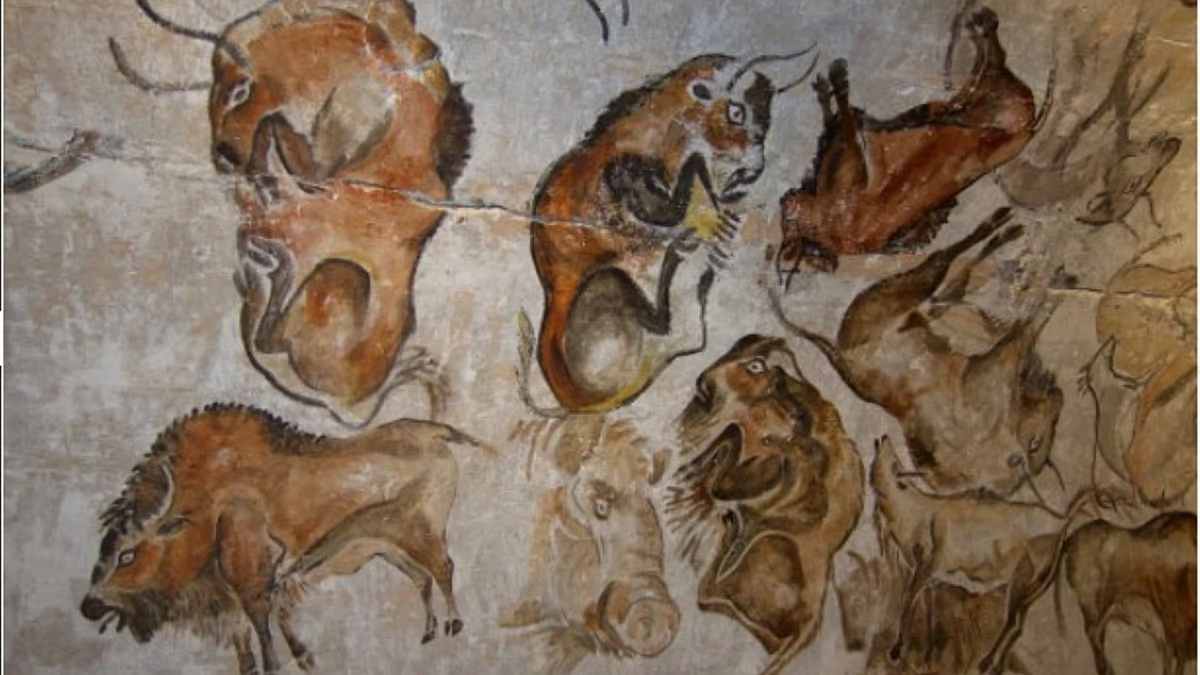
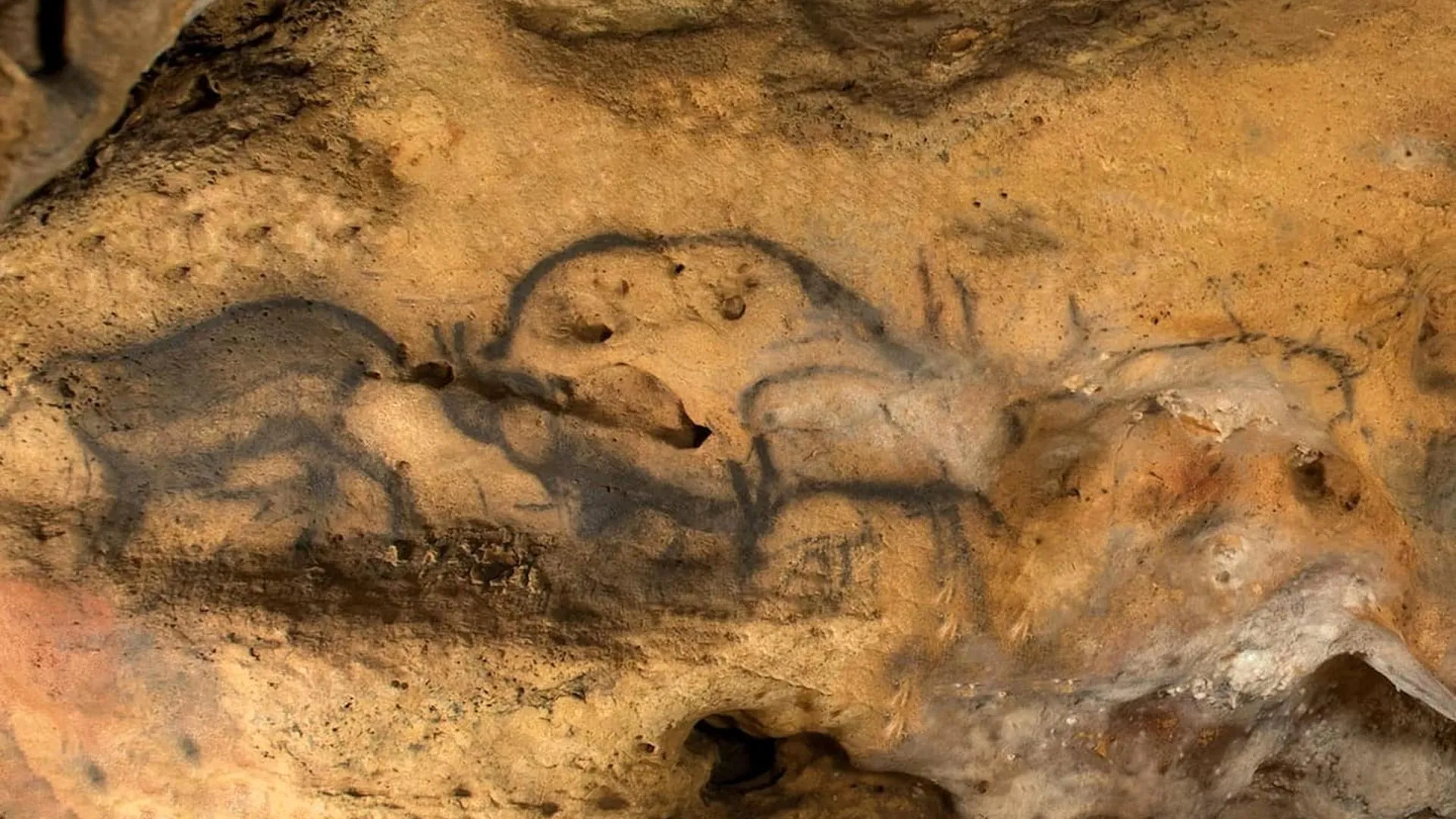
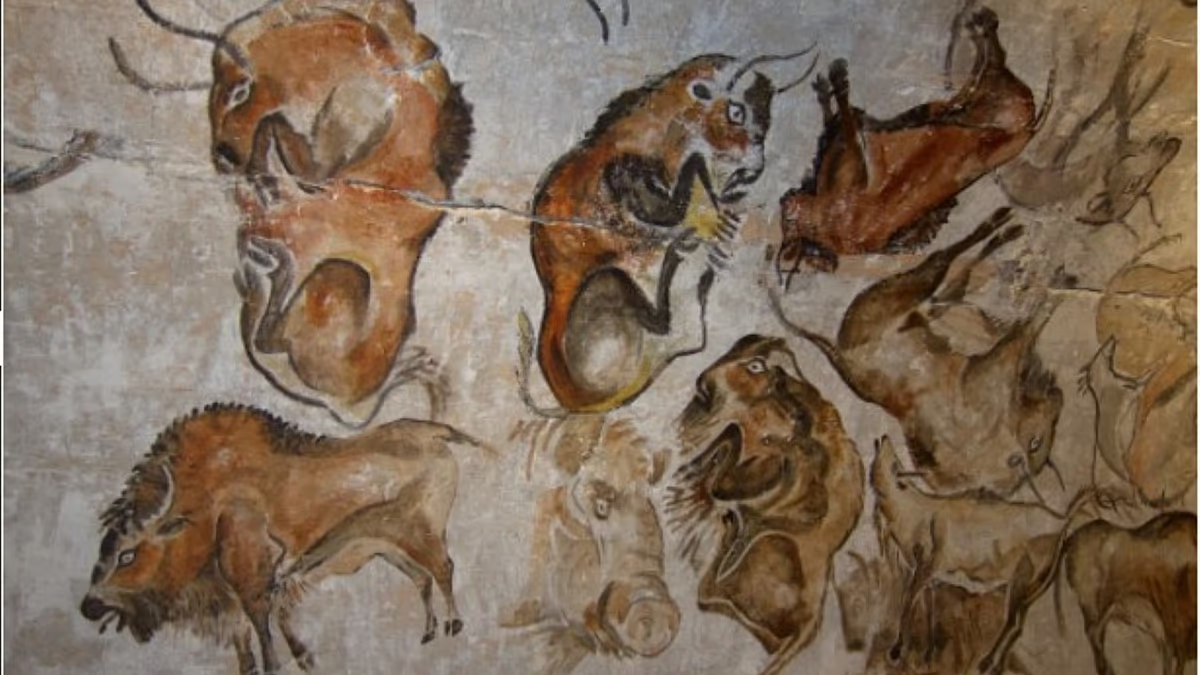
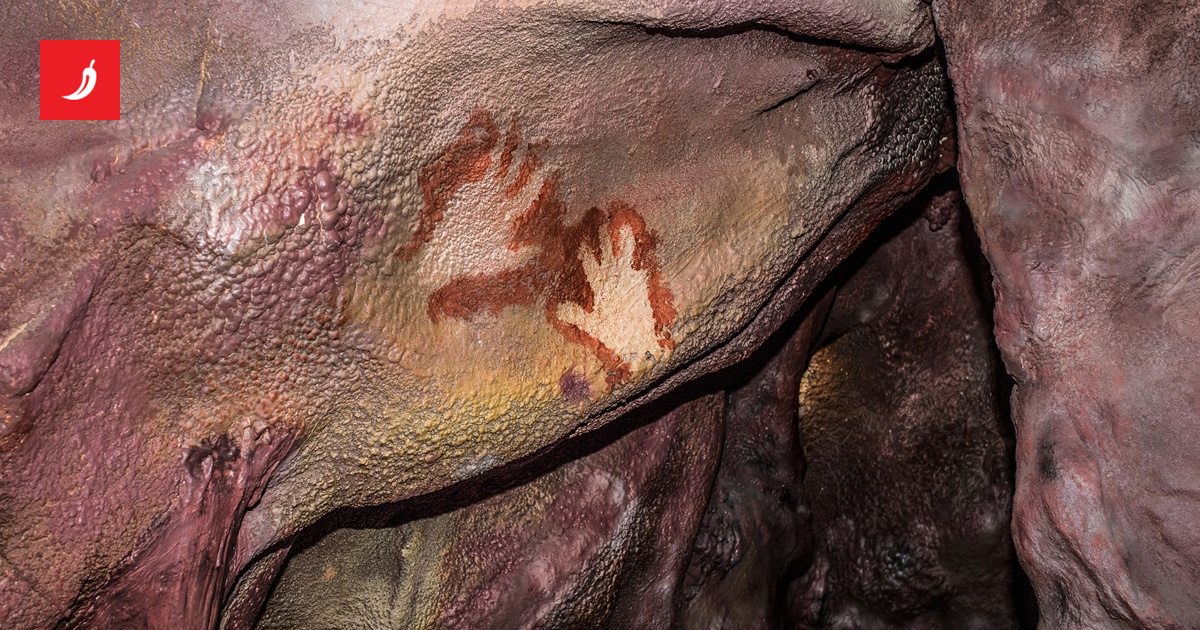
Between 2022 and 2025, a team of researchers from the First Art project, which focuses on dating the earliest cave art, took samples from 11 caves around Spain and Portugal containing rock art – mainly graphic images such as triangles, dots and hand stencils made using red ochre paint, which are thought to be the oldest forms of cave drawings. The researchers took tiny shavings of paint or removed a layer of calcite mineral that forms on cave walls by precipitation from water.
Cave art is often created by spitting paint, or applied using hands and fingers, so the researchers tested whether any DNA from the artists had been preserved. We have known for a decade that ancient human DNA can be preserved in the sediment on cave floors, but this genetic material had never previously been discovered on the walls.