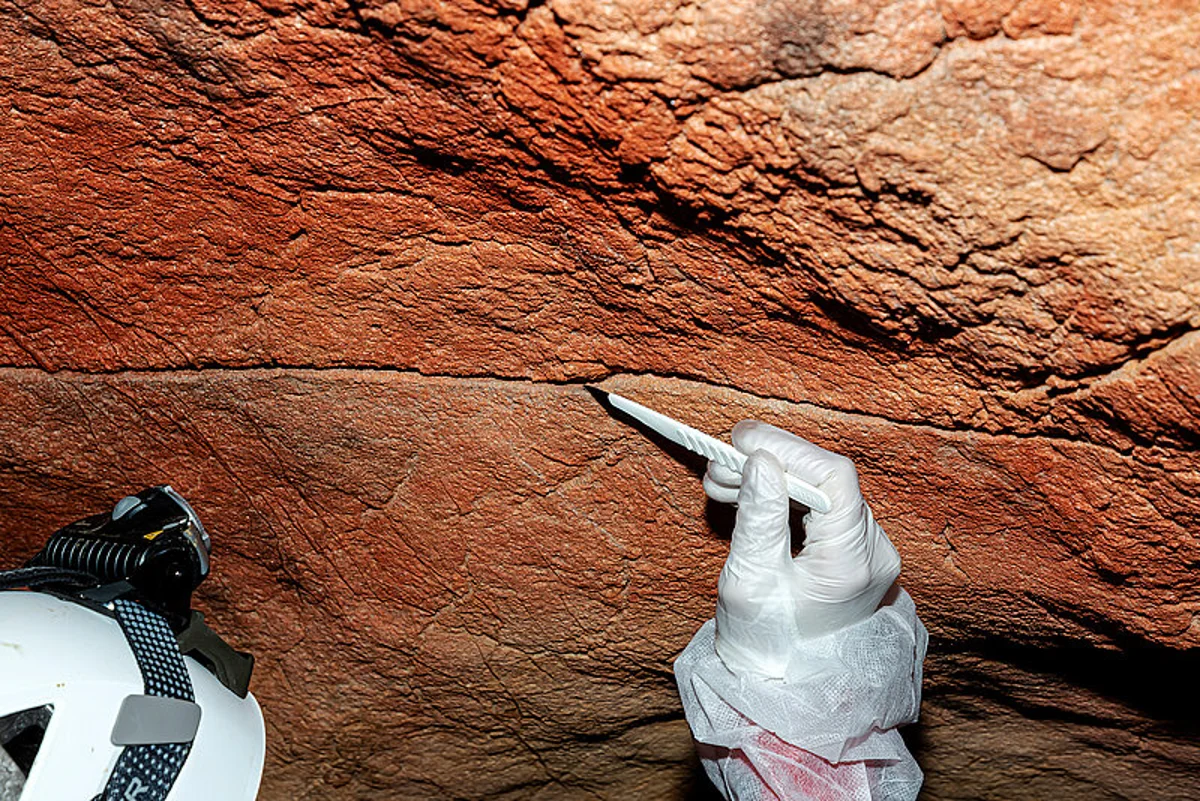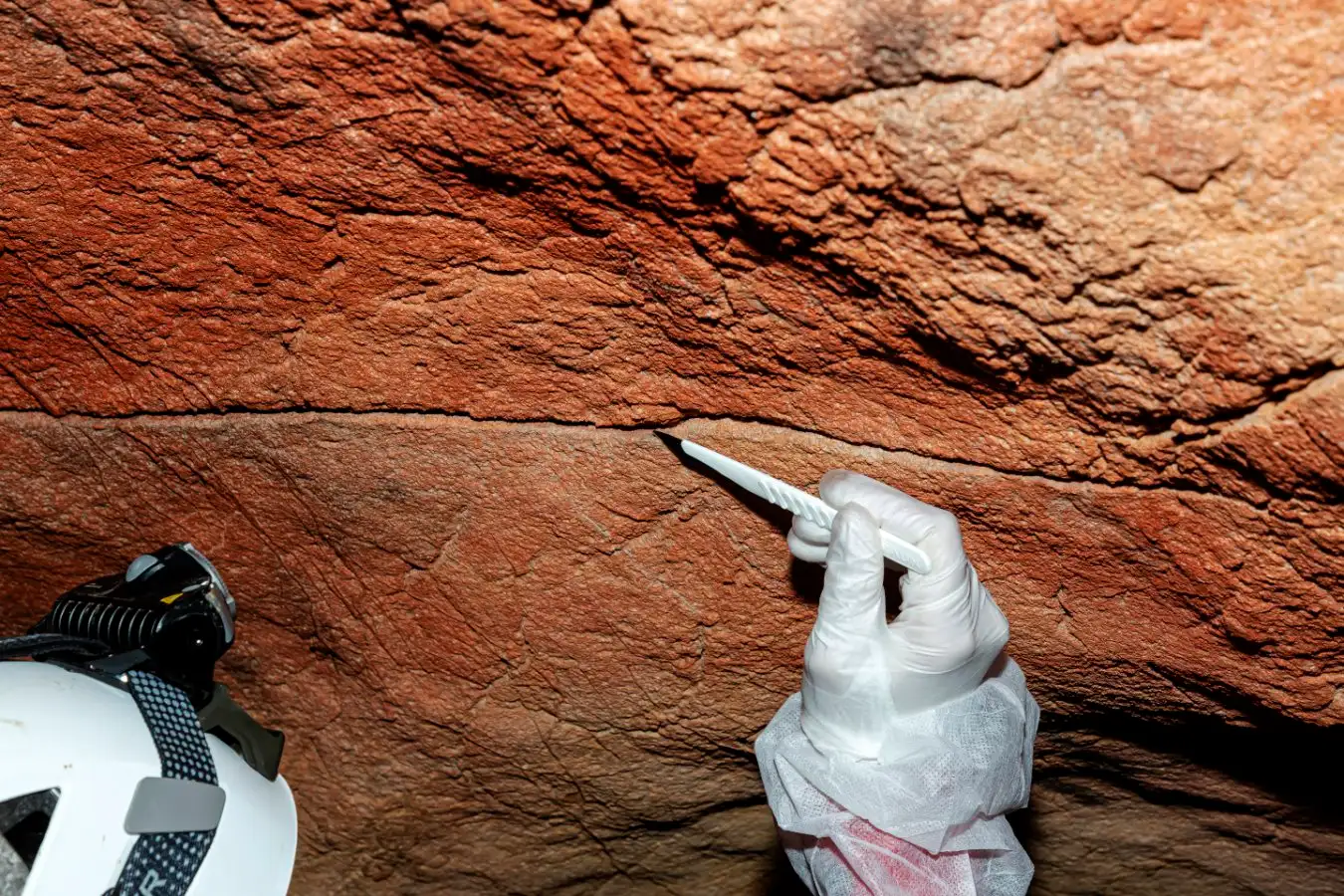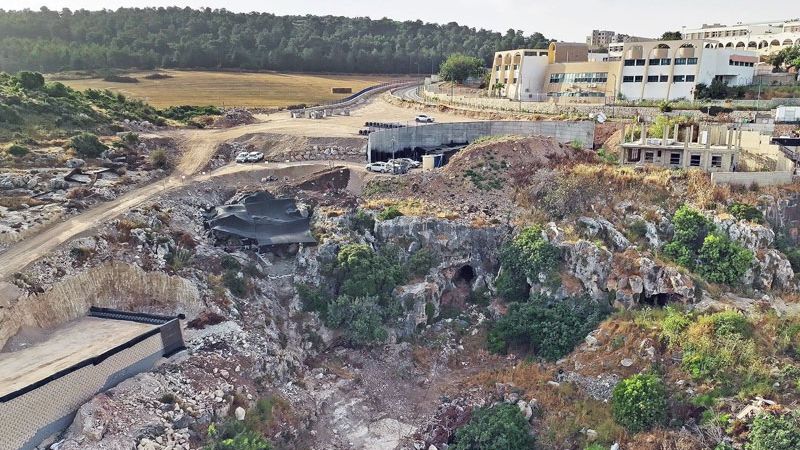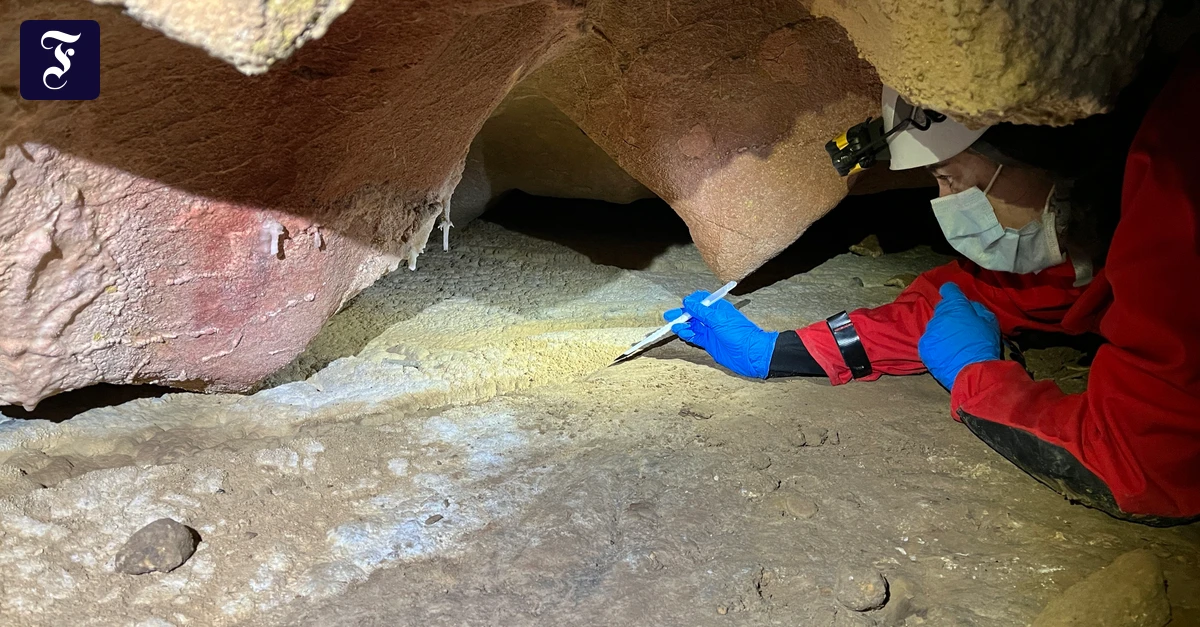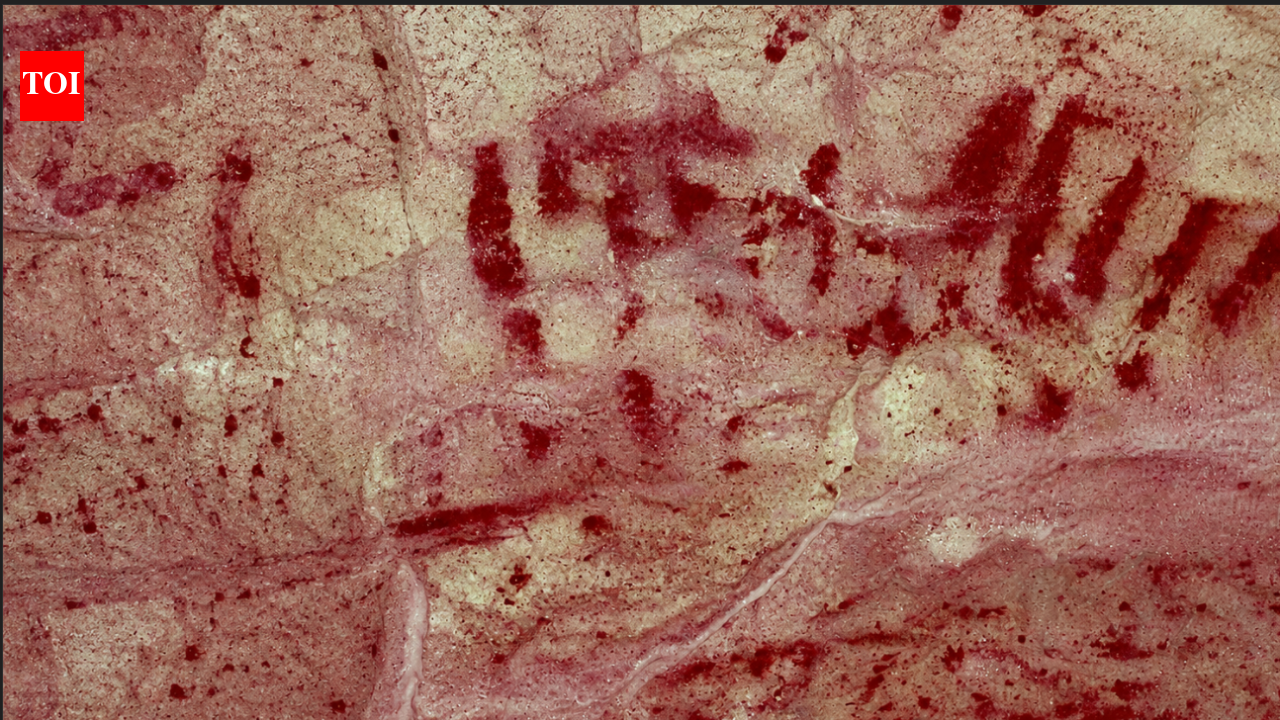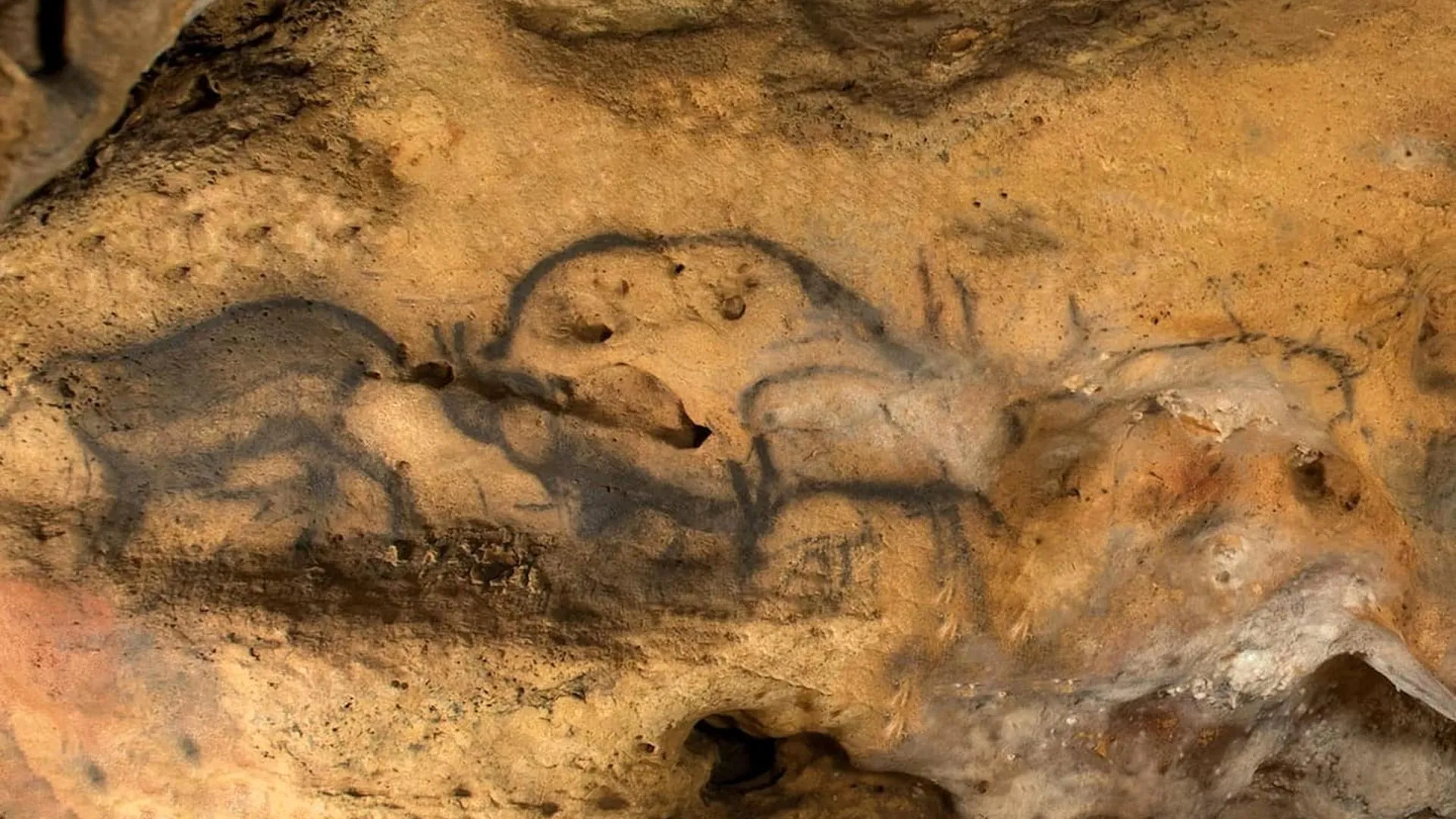
For the first time, scientists have accurately determined the age of prehistoric paintings inside Font-de-Gaume, a celebrated decorated cave near Les Eyzies in Dordogne (southwestern France).
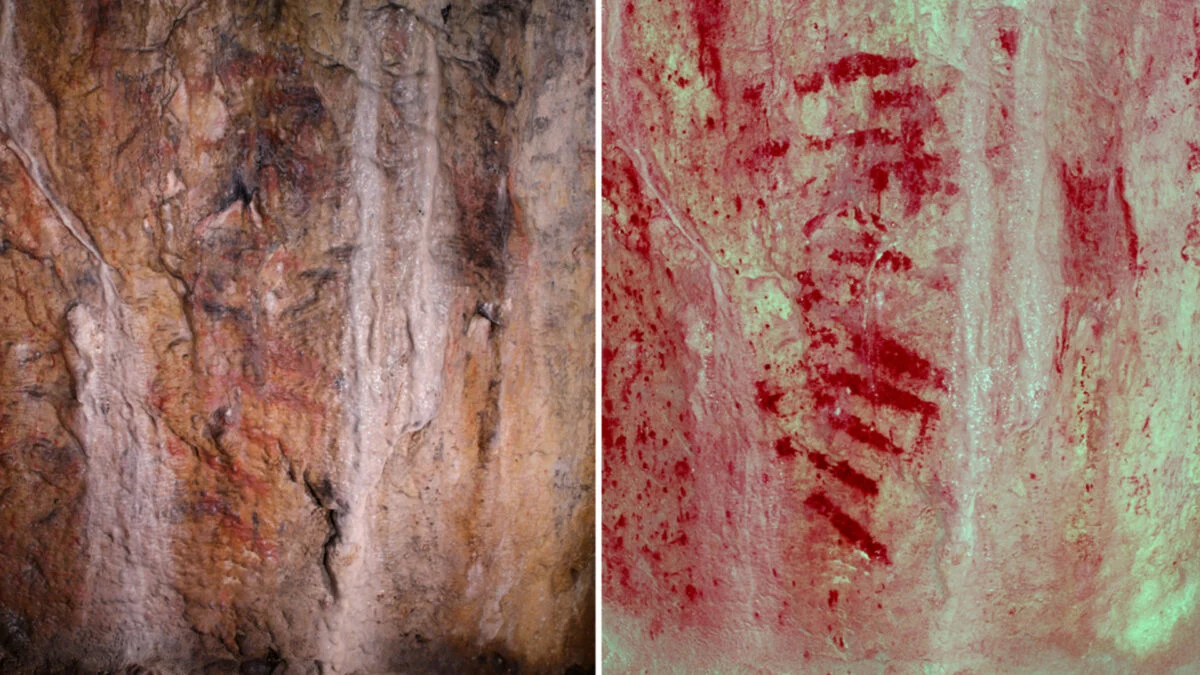
The new findings provide firm dates for two black images, a bison and a masklike figure, and reveal that parts of the artwork were created during widely separated periods. The results could give archaeologists a powerful new way to reconstruct when people entered decorated caves, made paintings, and returned to alter or add to them.
Why Ice Age Cave Paintings Are Difficult to Date
Dordogne is home to some of the best-known prehistoric art in Europe, including the paintings at Lascaux. Yet determining exactly when many of these images were created has remained extremely difficult.
Radiocarbon dating works by measuring carbon-14, a radioactive form of carbon that gradually disappears after an organism dies. Because charcoal is made from burned organic material, it can often be dated using this method. Mineral pigments, however, usually contain no carbon and therefore cannot be analyzed in the same way.