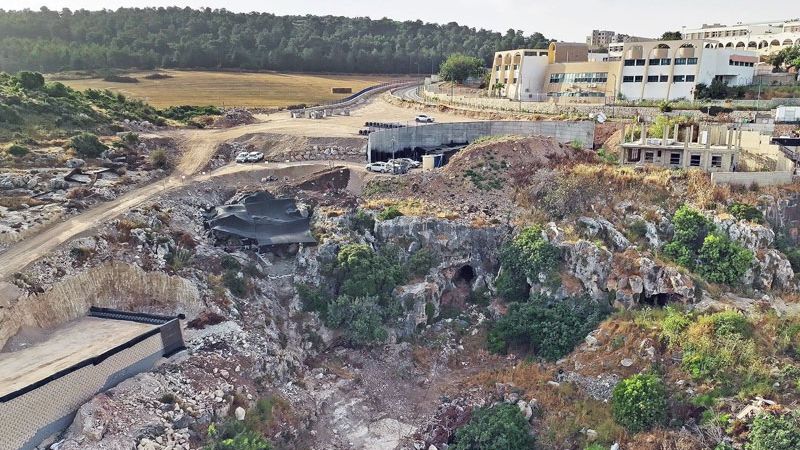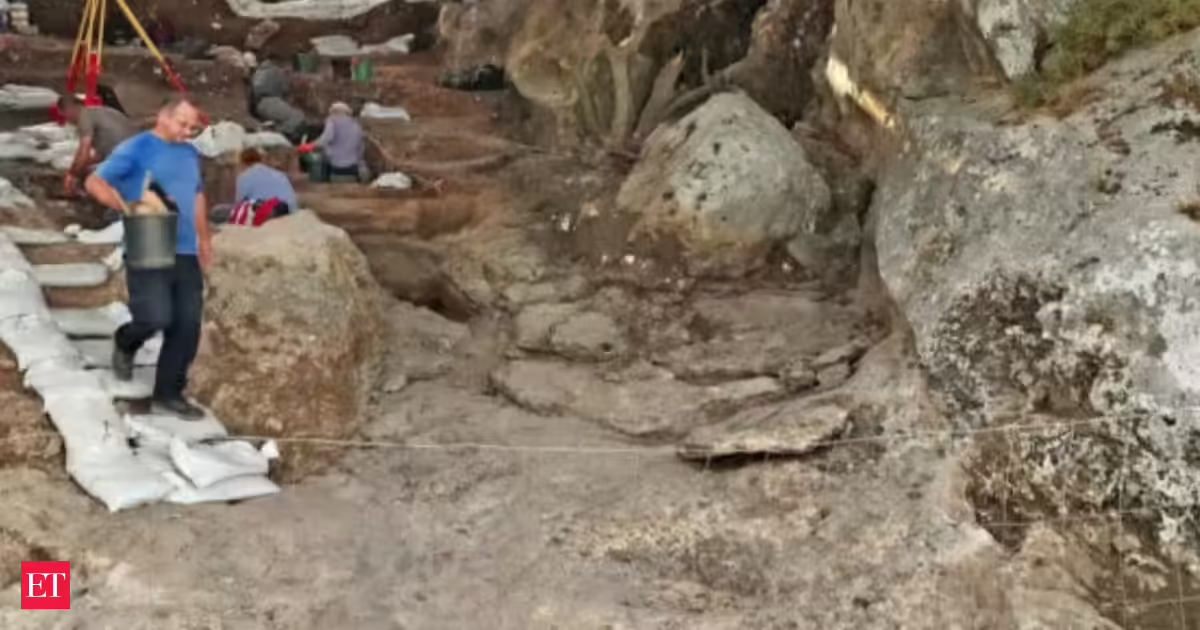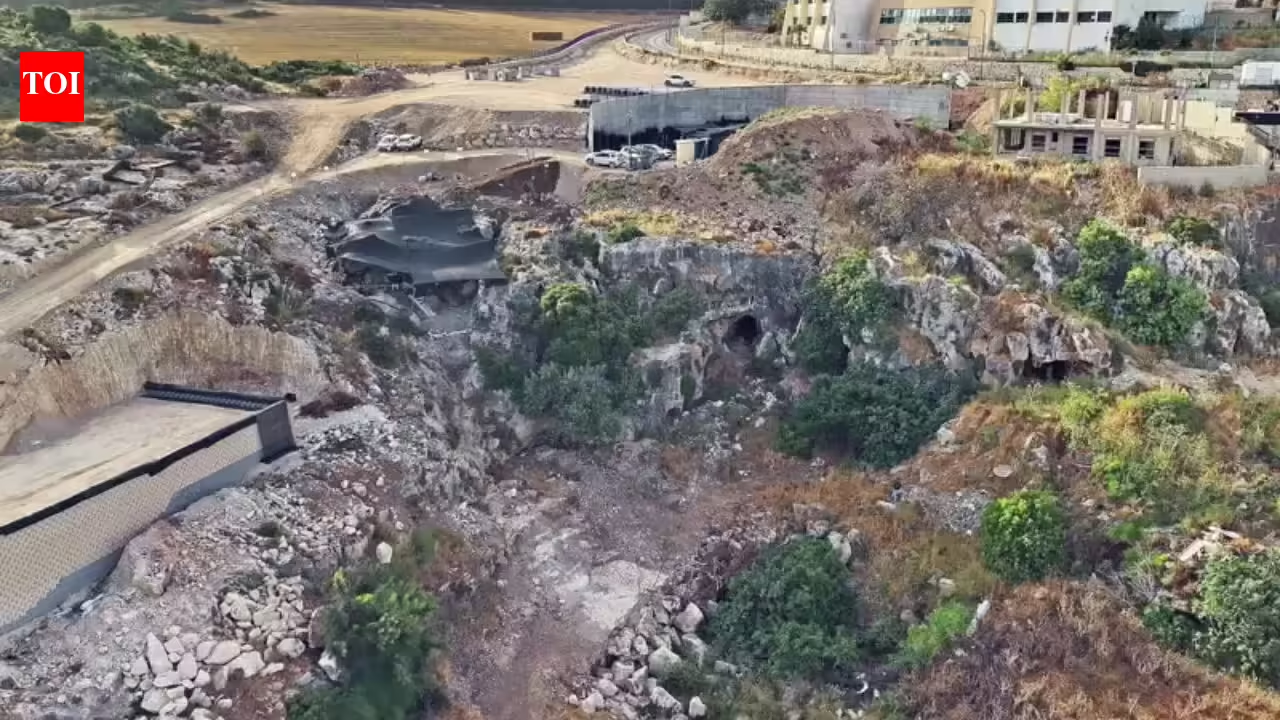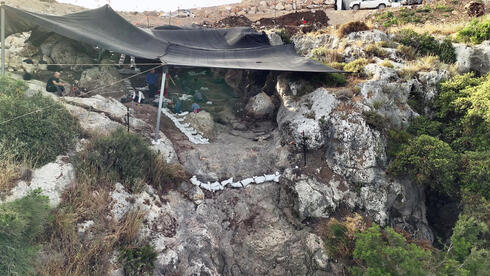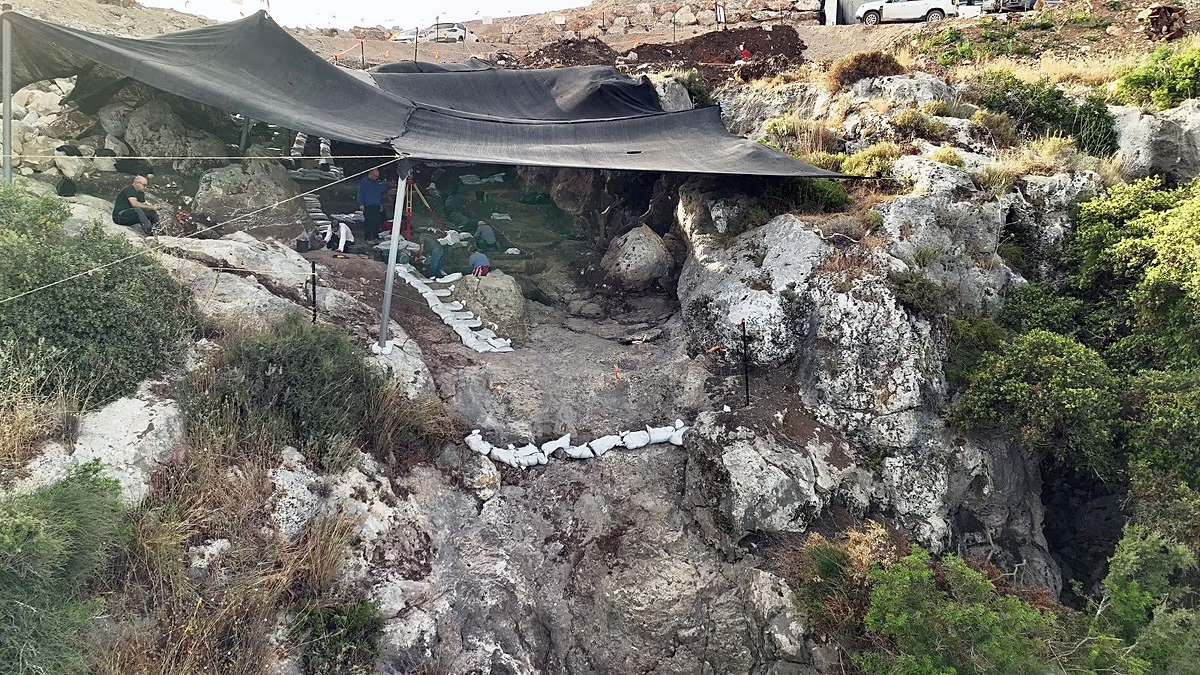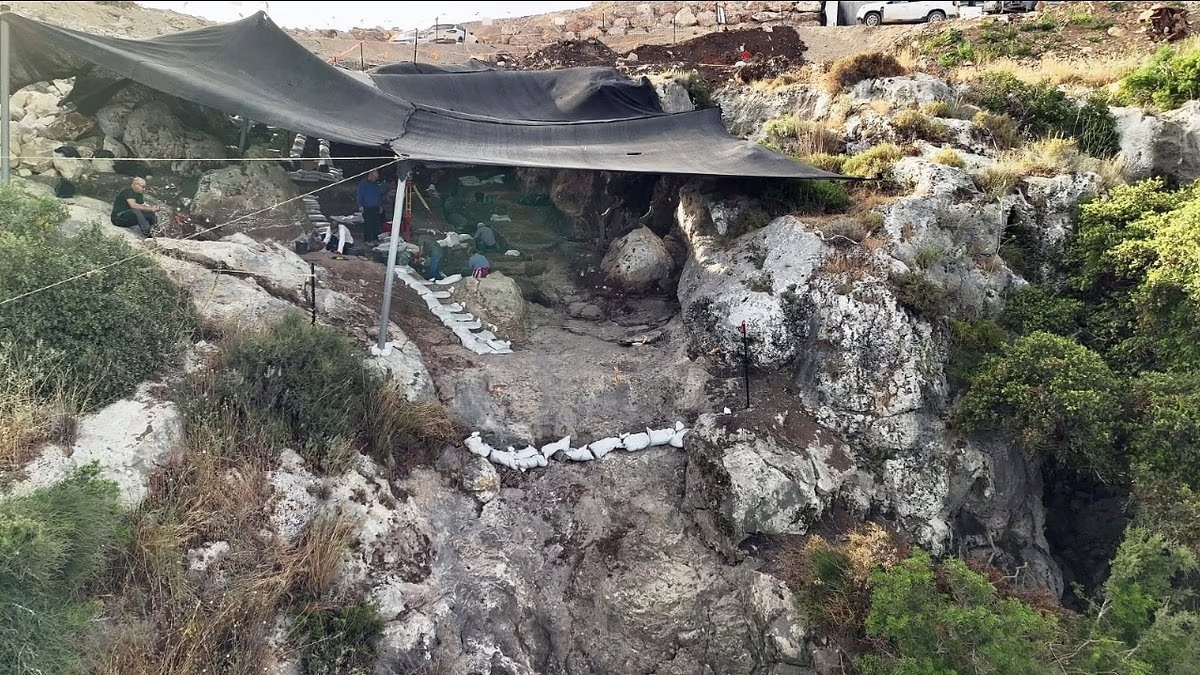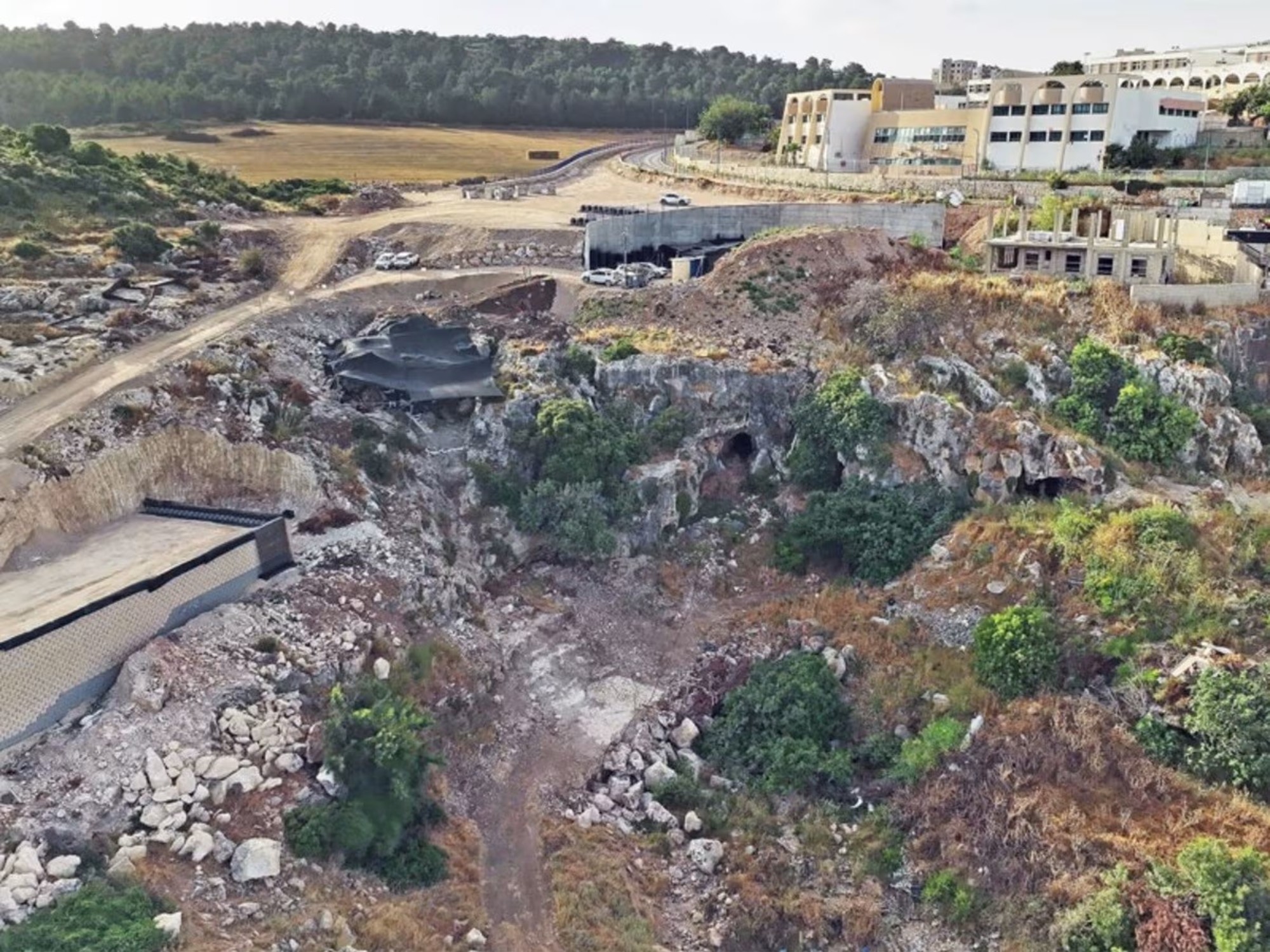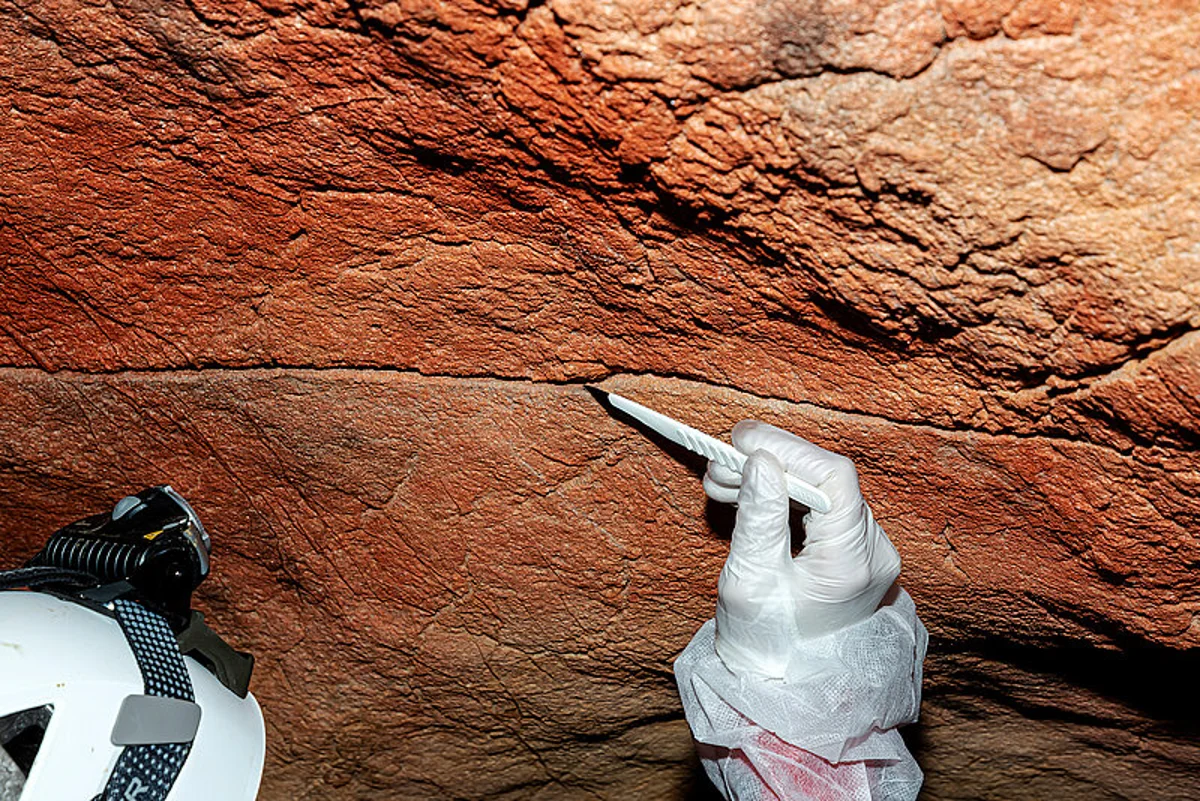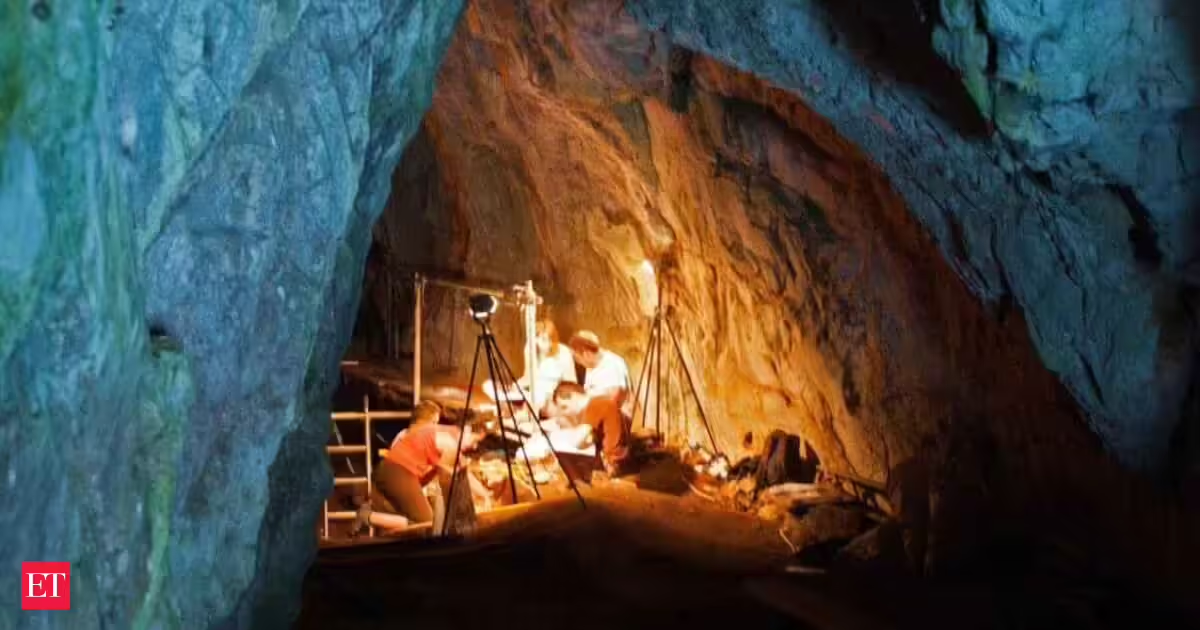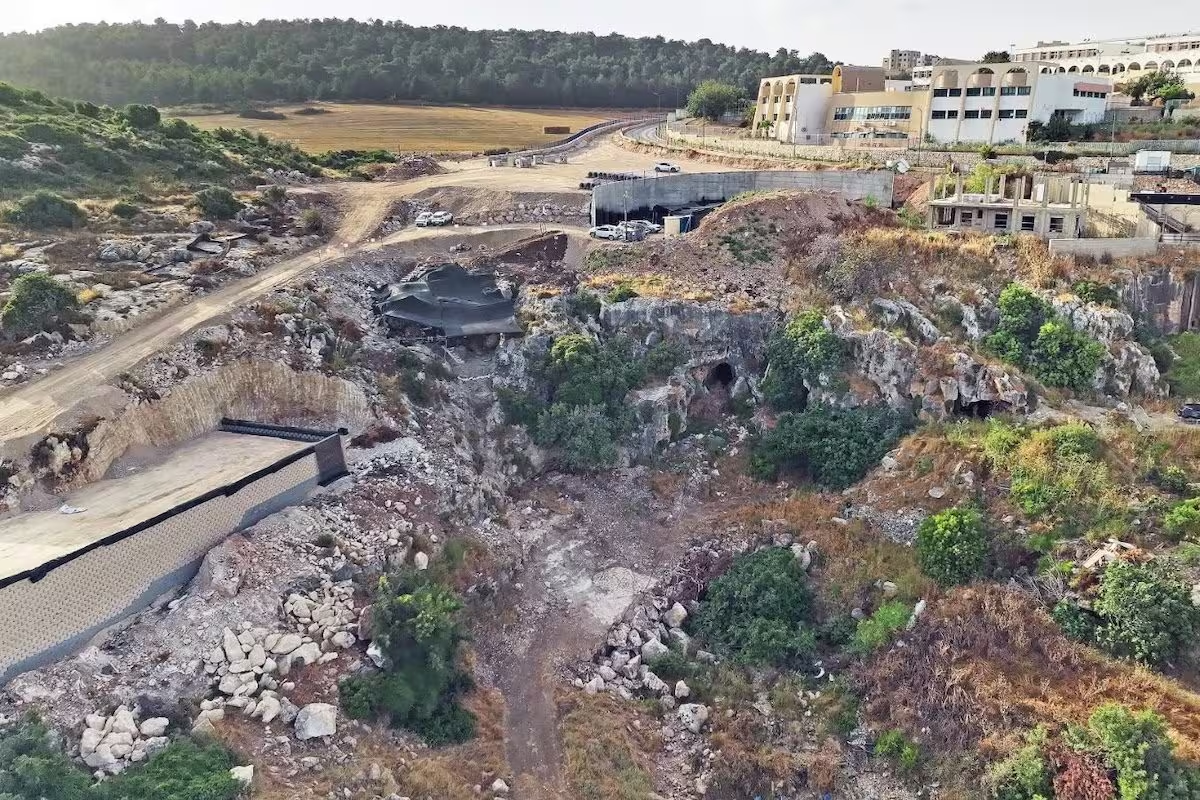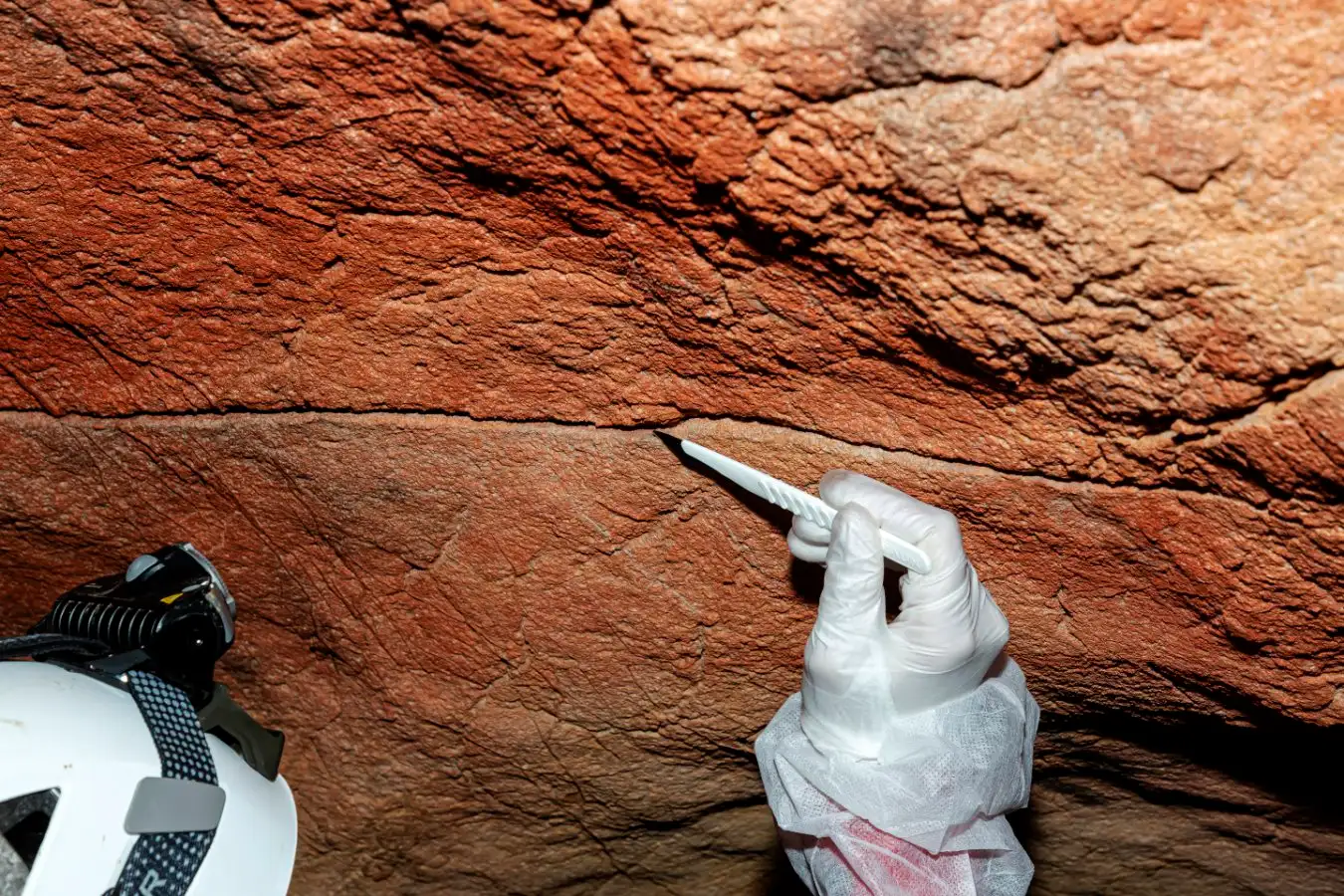
Artifacts dating back 400,000 years, found in cave, show 'complex and rich' pre-human society. Image Credit: Emil Aladjem, Israel Antiquities AuthorityWay before the existence of cities and farming, early human relatives had already formed communities, hunted large mammals, and made advanced stone tools. Now, archaeologists from Northern Israel have made a significant discovery, giving them insight into the distant past.According to the archaeologists, the cave discovered in the area of Fureidis is from a prehistoric age when people lived between 400,000 and 250,000 years ago. The finding belongs to the end of the Lower Palaeolithic era. According to the Israel Antiquities Authority and the University of Haifa, the cave has been sealed for hundreds of thousands of years, providing a unique insight into the lives of early people, as reported by the Israel National News.The researchers say the cave’s intact sediments will let them study the site in high resolution, and that only a handful of comparable remains from this phase have been found in Israel and the wider Levant. They report advanced flint-working, including small handaxes, scrapers and blades, alongside animal bones from fallow deer, gazelle and ancient horses, plus evidence of water that may have drawn hunter-gatherer groups there.The excavation has drawn wide attention because sites from that age are rare in the Levant region.Older cave than expectedThe site was explored in the 1970s, and its age was believed to be around 200,000 years old. Recent excavations have managed to move back this age another 200,000 years.According to Kobi Vardi from the Israel Antiquities Authority, quoted by CNN, the revision has been a real surprise. They found characteristic artifacts of the flint made during the Acheulo-Yabrudian culture complex that represent the time period of 400,000 to 250,000 years ago and are connected with the existence of hominins in the Levant area.These items were not made accidentally; their sharp edges suggest deliberate planning and skilled workmanship.Indicators of a bustling ancient encampmentIn addition to the discovery of stone implements, the dig provided evidence of bones of fallow deer, gazelles, and other animals, suggesting that hunting was one of the essential aspects of people’s existence.Controlled fire use, an important step in human civilisation, would have made it possible to cook food, stay warm, work at night, and strengthen social bonds.As Prof. Ron Shimelmitz of the University of Haifa stated, these findings suggest that many people frequently used the cave, creating a "complex and rich camp life." It appears to have been more than a temporary shelter; it was likely an important place where inhabitants met and made tools.The importance of this time periodThe newly dated cave comes from a little-known period in human prehistory.This is a time when neither the Neanderthals nor modern humans had yet come to dominate the regions of Eurasia where they eventually prevailed. Researchers say this was a period of behavioural advances, including improvements in stone tools and increased use of caves.Because so few sites from this period survive, each new site may provide valuable information about humanity’s past. In an official statement released by the Israel Antiquities Authority, Shimelmitz called the cave a “time capsule” from a distinctive period during the end of the Lower Paleolithic Period, mentioning that there are only a few other comparable sites in Israel and the wider Levant region.Artifacts dating back 400,000 years, found in a cave, show ‘complex and rich’ pre-human society. Image Credit: Emil Aladjem, Israel Antiquities AuthorityIt may revolutionise the way scientists understandResearchers who did not take part in the excavation have also drawn attention to the scientific significance of the findings.As Armando Falcucci, lecturer of Palaeolithic archaeology at the University of Southampton, stated, caves from this time period are very scarce in the whole region. The fact that the traces of continuous use of fire are present is especially noteworthy as it represents a significant step in behavioral evolution of people.Prof. Catriona Pickard, head of archaeology at the University of Edinburgh, said the site may offer valuable information about early hominin material culture.The greatest find could be hidden undergroundThough the number of artefacts that have been unearthed is substantial, archaeologists are still looking for one find that will be able to provide answers to many unanswered questions.No hominin fossils have been uncovered in the cave to date, which means that scientists still do not know precisely who inhabited the area in question. If fossilised bones are found, scientists may learn more about the relationship between the cave's inhabitants, Neanderthals and modern humans.The cave was at risk from the planned construction project. The cave lay in the path of a planned construction project, but after archaeologists raised the alarm, engineers redesigned it and built a road bridge to preserve the cave. The archaeologists expect the excavations there to go on for years to come.
A cave sealed for 400,000 years revealed a forgotten society that buried its dead
Way before the existence of cities and farming, early human relatives had already formed communities, hunted large mammals, and made advanced stone tools. Now, archaeologists from Northern Israel have made a significant discovery, giving them insight into the distant past.
796 words~4 min read