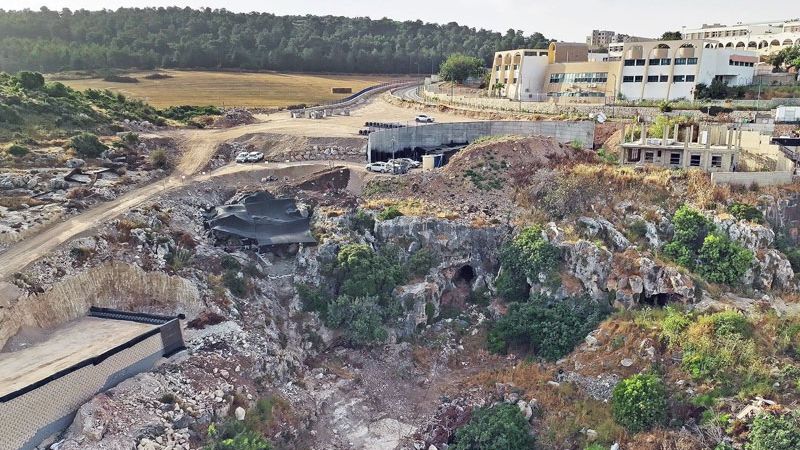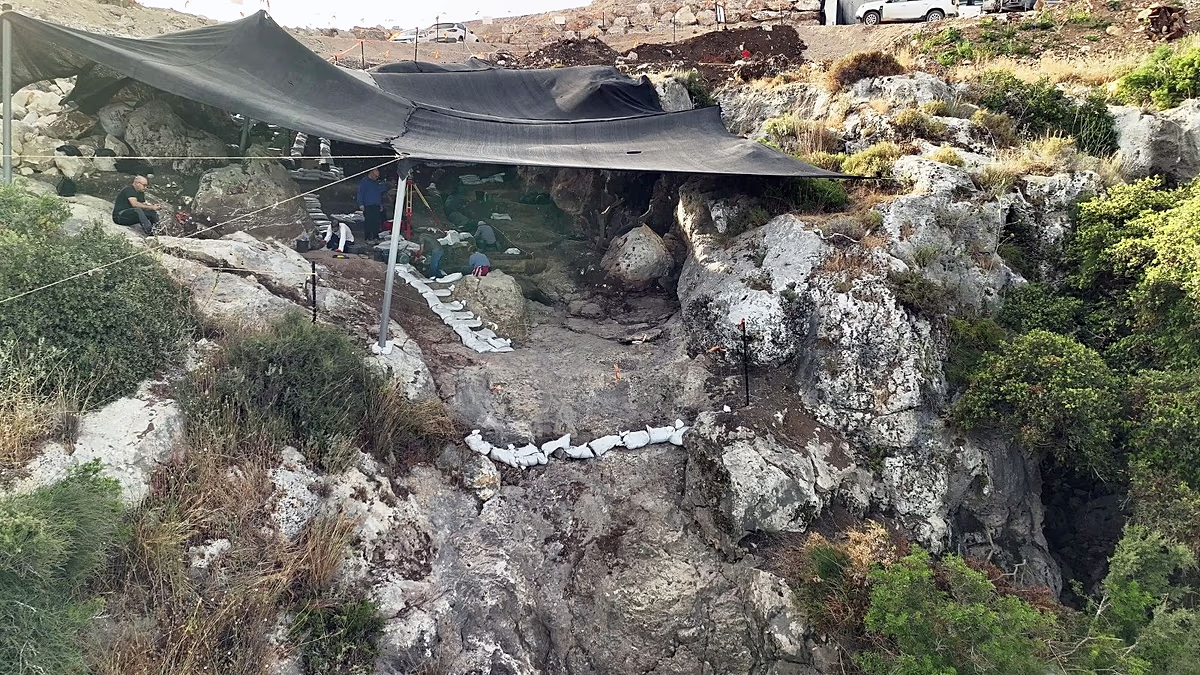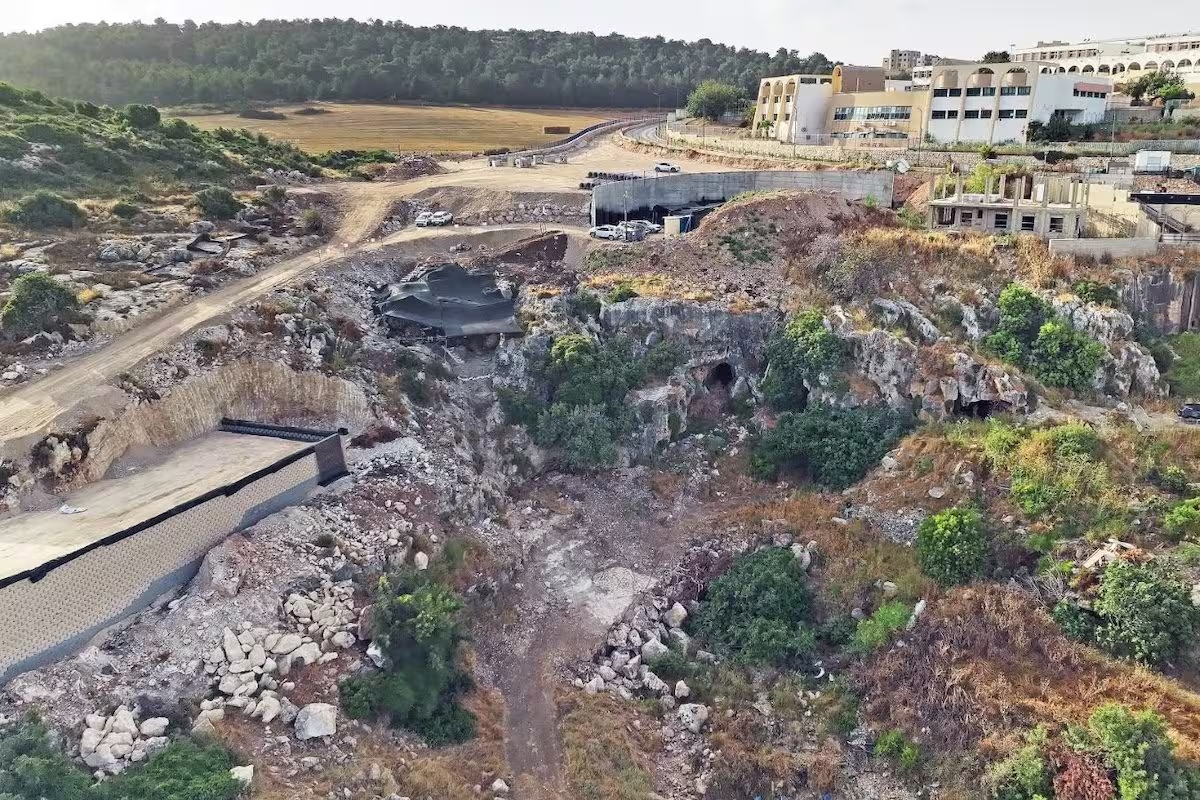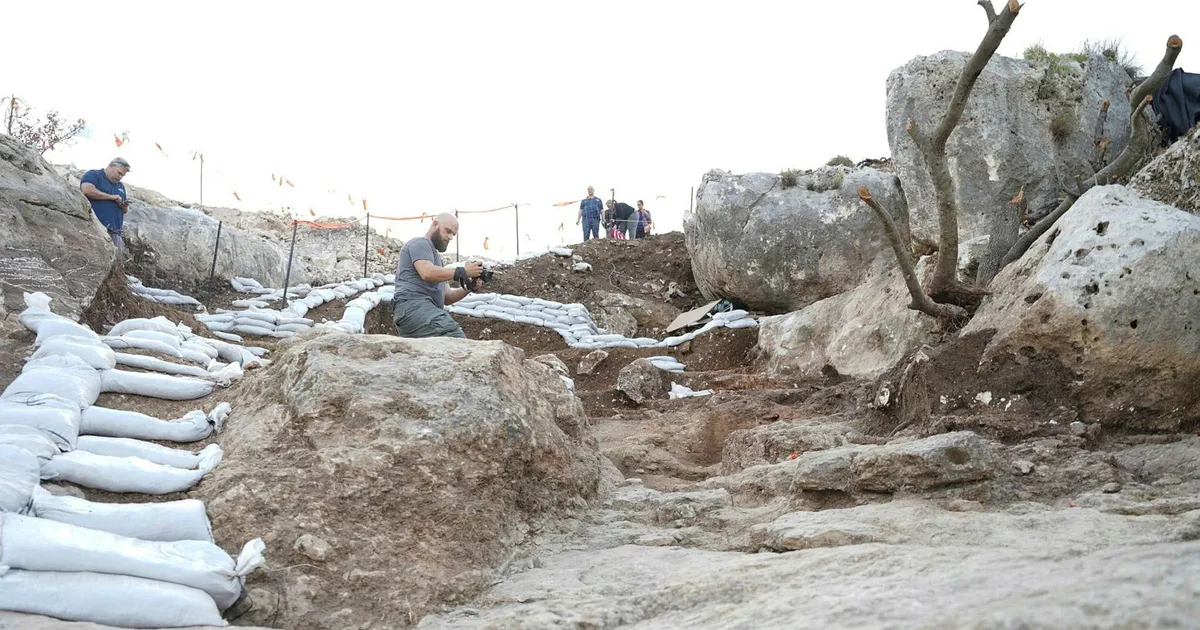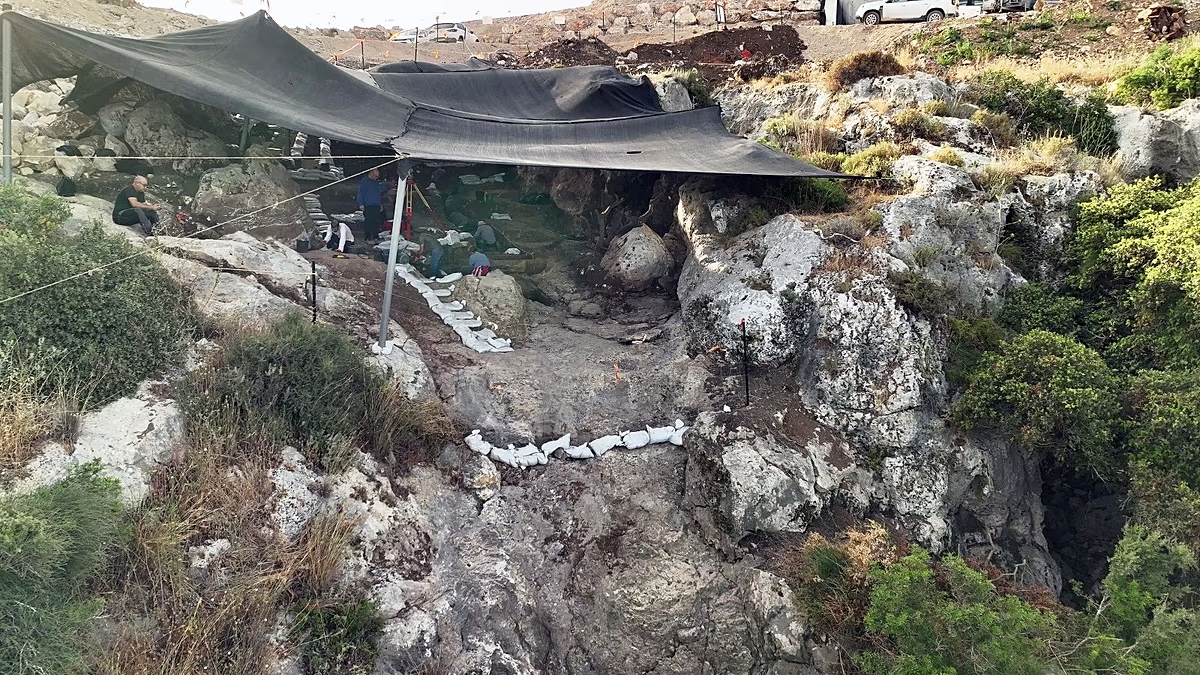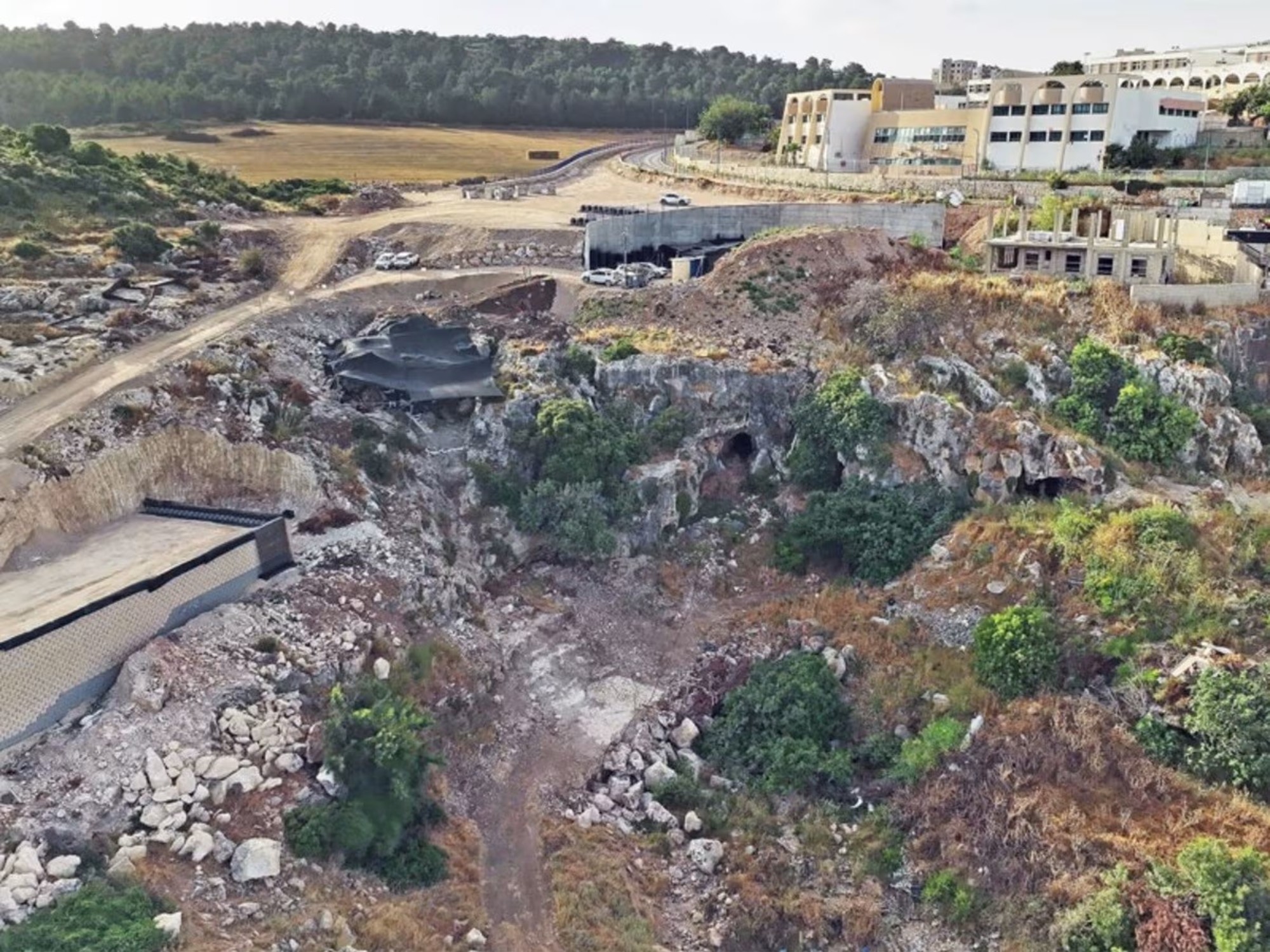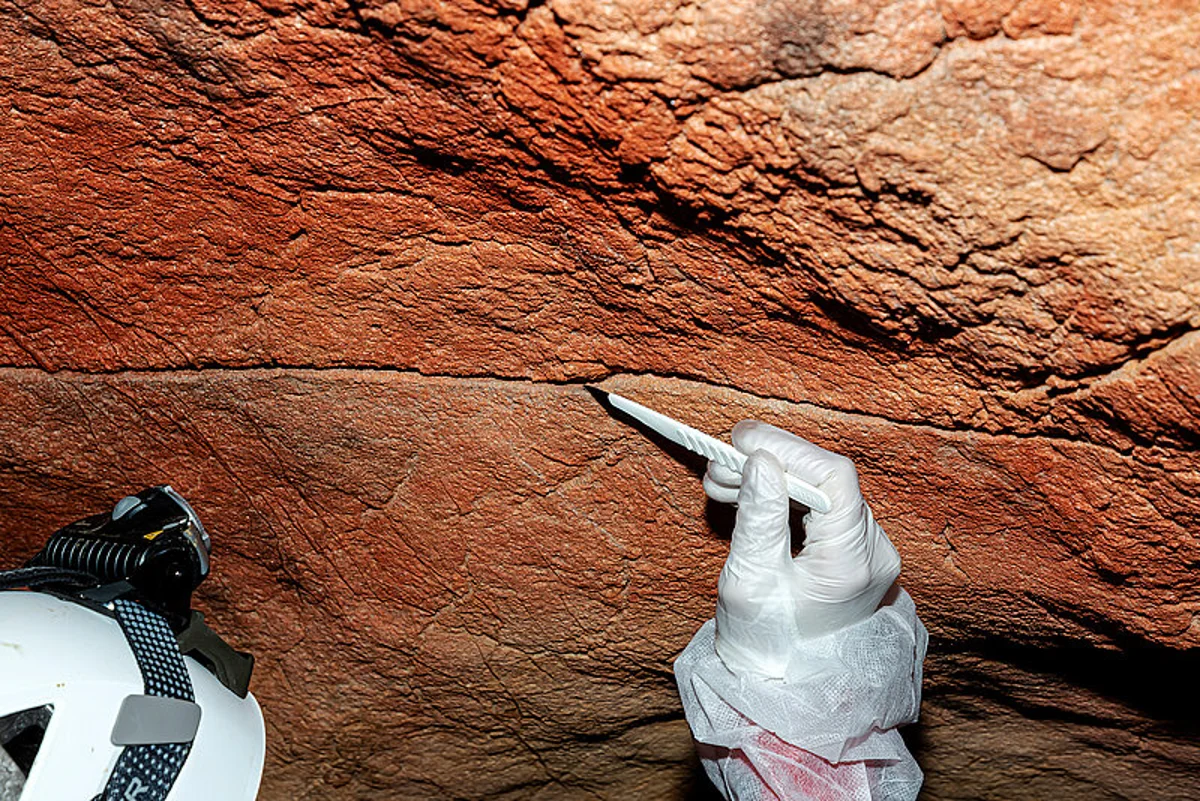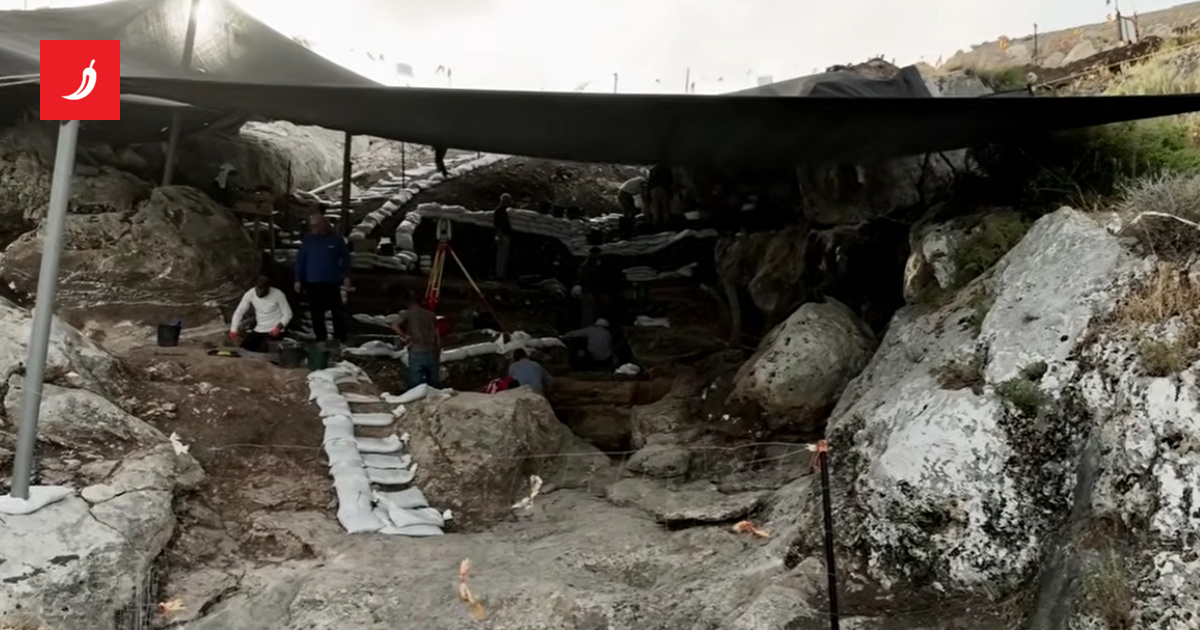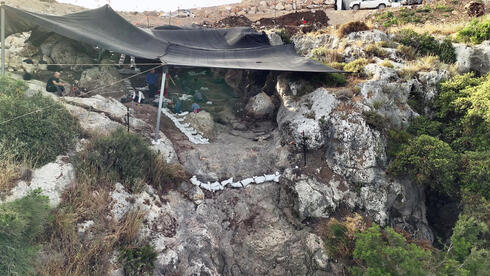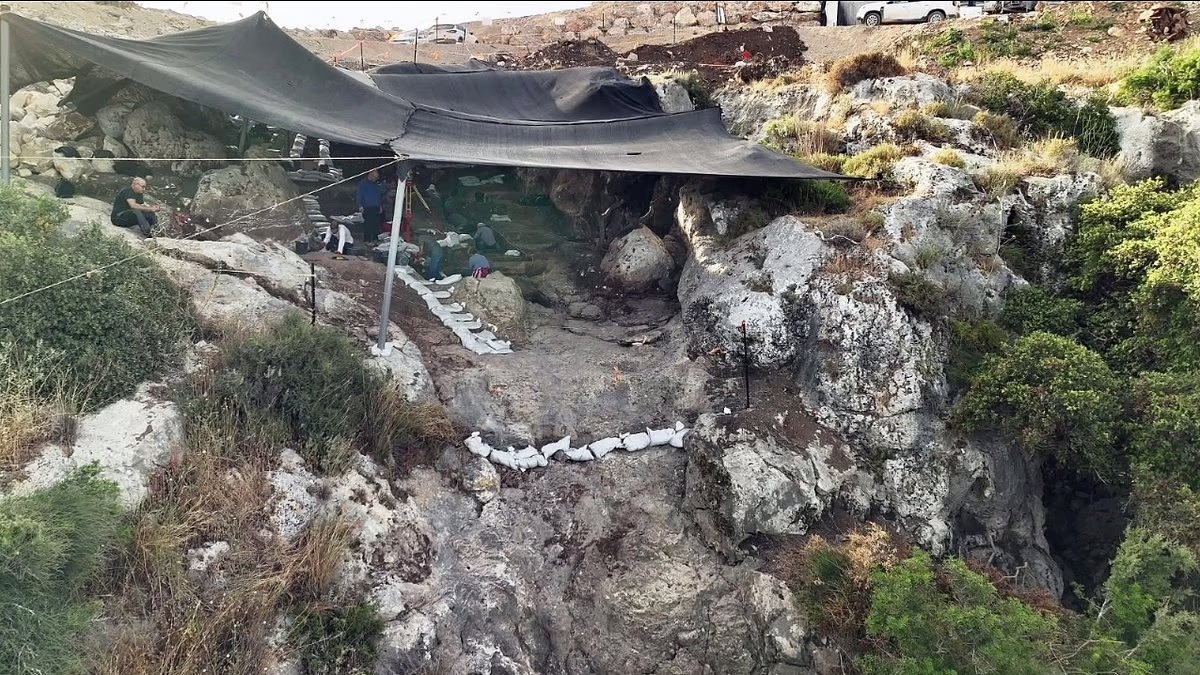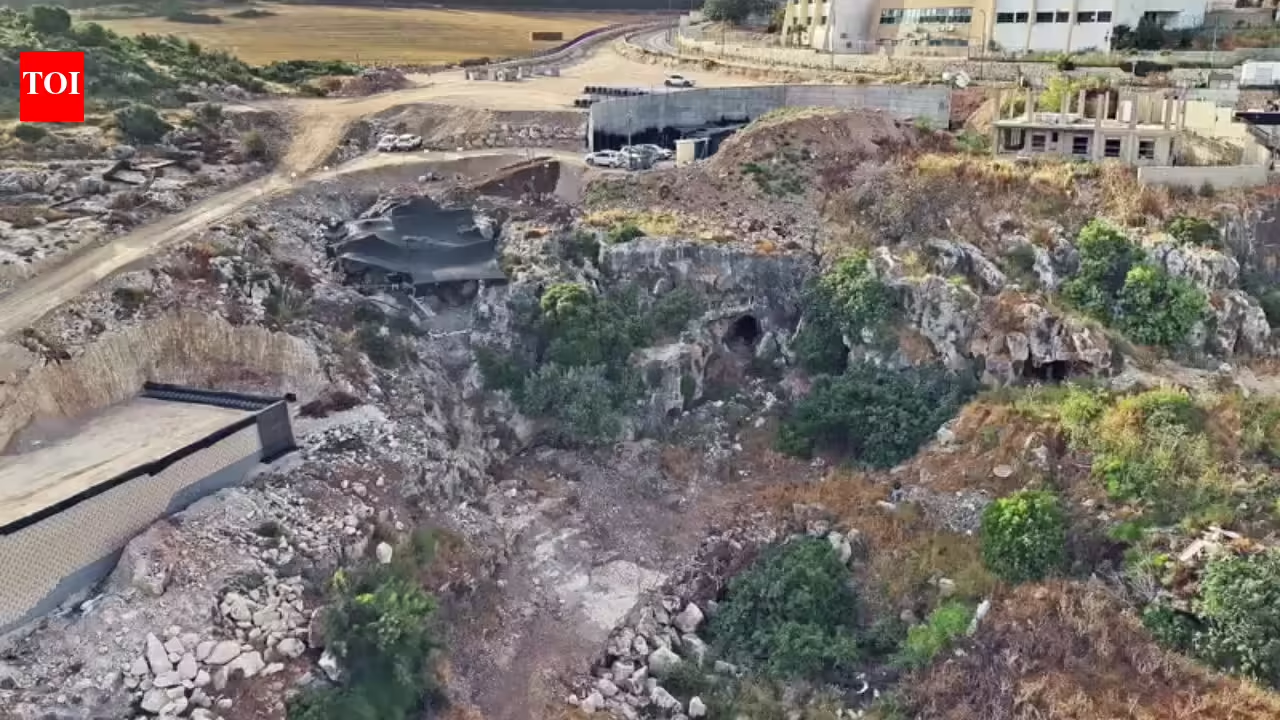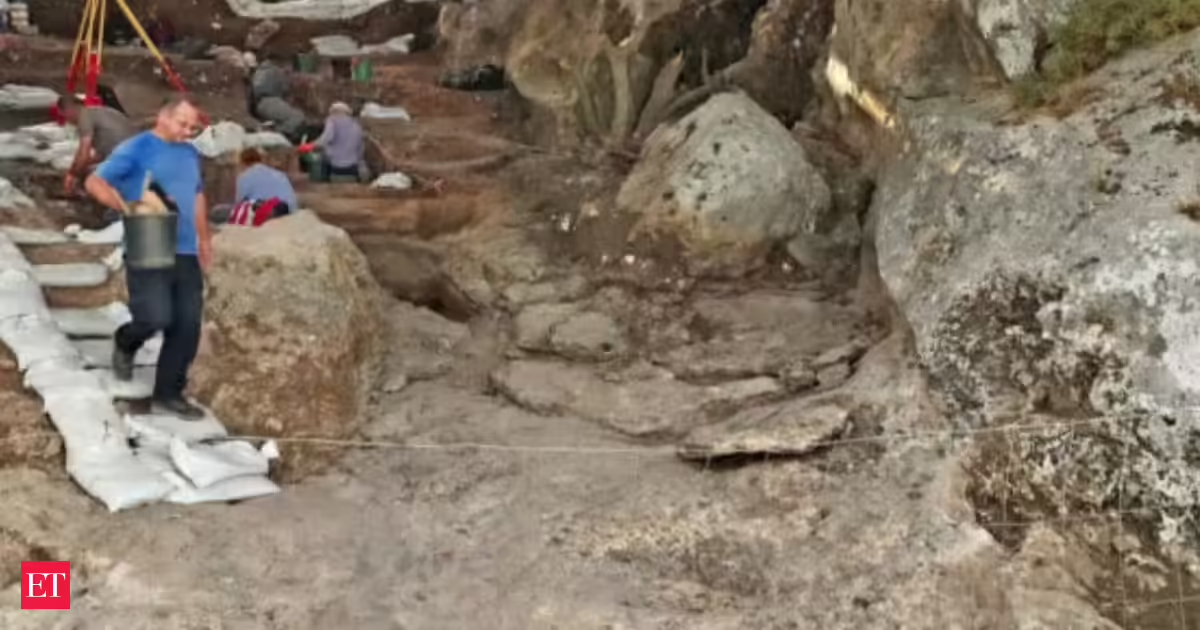
A stunning archaeological discovery in Israel is giving researchers a rare glimpse into a world that existed hundreds of thousands of years before cities, farming, or even written language. A prehistoric cave uncovered in Fureidis, south of Haifa, has been described by archaeologists as a “time capsule” frozen in time for up to 400,000 years. According to a report by Biblical Archaeology, the cave dates between 400,000 and 250,000 years ago and remained largely untouched throughout that period, preserving clues about how ancient hunter-gatherers lived, hunted, and survived. Ancient ‘Time Capsule’ Preserves Stone Age Life What makes the discovery extraordinary is its remarkable preservation. Unlike many prehistoric sites that have been disturbed over time, artifacts inside the cave were found almost exactly where they were left by their original inhabitants. Archaeologists uncovered flint tools, animal bones, and evidence of nearby water sources, creating a vivid picture of life during the Lower Paleolithic period, also known as the Old Stone Age. The finds suggest that prehistoric humans repeatedly used the cave as a shelter while hunting animals such as gazelles, deer, and horses. A Window Into a Mysterious Chapter of Human History The cave belongs to the Acheulo-Yabrudian culture, a little-known prehistoric tradition identified through distinctive stone tools including handaxes, scrapers, and blades. Experts say this period remains one of the least understood chapters of human evolution. The newly discovered site could help fill major gaps in knowledge about how ancient populations lived before the rise of Neanderthals and modern humans. Because no written records exist from the era, archaeologists rely on artifacts and geological evidence to reconstruct the lives of the people who once occupied the region.Clues to Early Human Innovation Researchers believe the cave dates to a crucial transitional period when humans began developing more sophisticated stone tools, making greater use of caves as living spaces, and increasingly controlling fire. The site's untouched condition offers a unique opportunity to study these developments in detail. Scientists hope ongoing excavations will reveal how long people stayed at the cave and whether it served as a temporary hunting camp or a more permanent gathering place.Why Archaeologists Are Excited Experts say well-preserved sites from this period are exceptionally rare across Israel and the wider Levant. Every artifact recovered from the cave could help answer long-standing questions about early human behavior, technology, and social life. The discovery also highlights how much of humanity's ancient past remains buried beneath modern landscapes, waiting to be uncovered. If future excavations continue to produce intact evidence, the Fureidis cave could become one of the most important prehistoric sites in the region—offering an unprecedented look at everyday life hundreds of thousands of years before the birth of civilization.
‘Time Capsule’ cave found in Israel reveals secrets of human life 400,000 years ago
A remarkable 'time capsule' cave discovered in Fureidis, Israel, offers an unprecedented look at life up to 400,000 years ago. Archaeologists found remarkably preserved flint tools and animal bones, providing clues about early hunter-gatherers. This untouched site from the Acheulo-Yabrudian culture could illuminate a poorly understood chapter of human evolution, revealing insights into early tool innovation and the use of fire.
449 words~2 min read