How do you put the unspeakable into words? Following the horrors of the Holocaust, this question haunted postwar German authors.
They aimed to reject the heritage of the Nazi era while documenting the trauma of bombed-out cities and the country's starving population. They explored the complexities of collective guilt and individual responsibility.
But the German-language literary scene that took up these daunting issues was dominated by male authors. Women's writing was frequently dismissed as trivial.
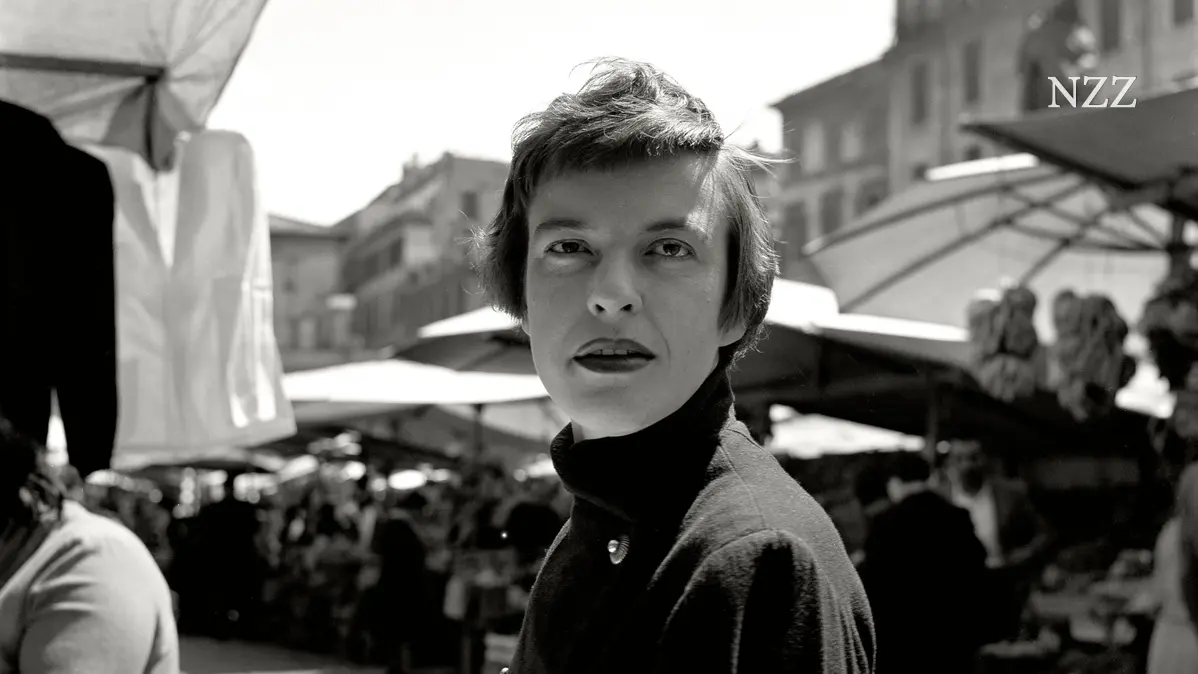
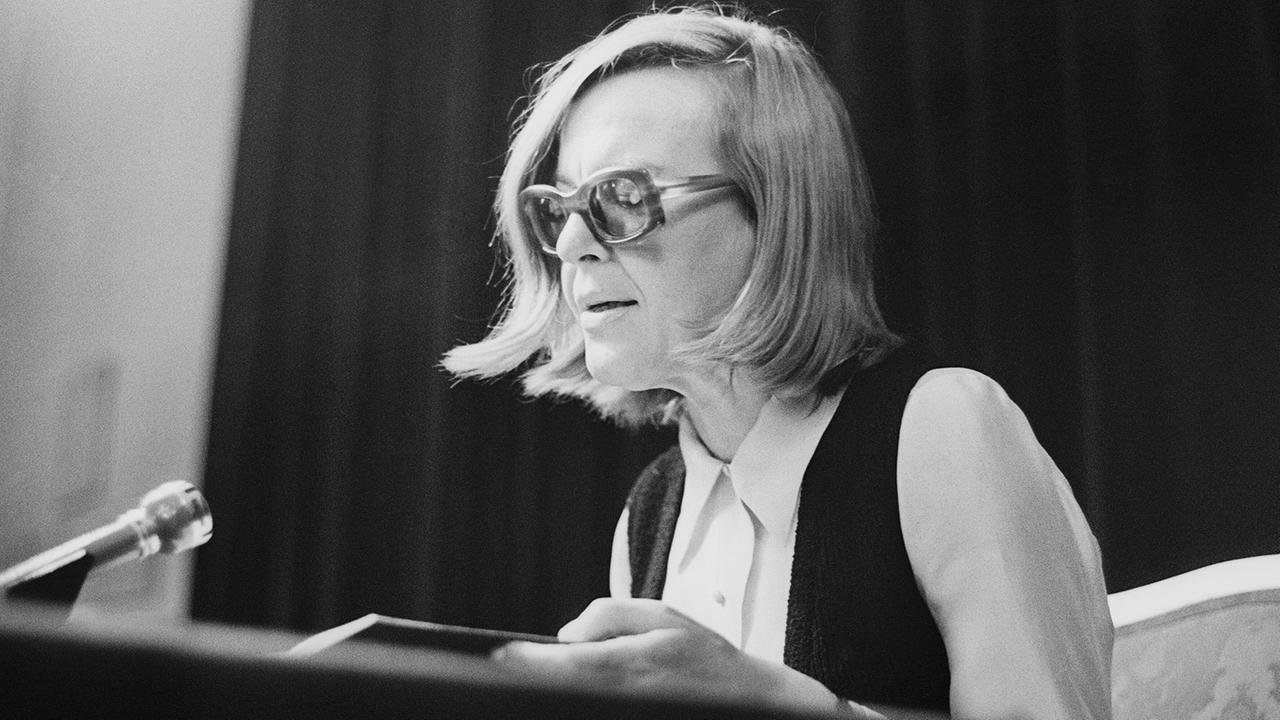
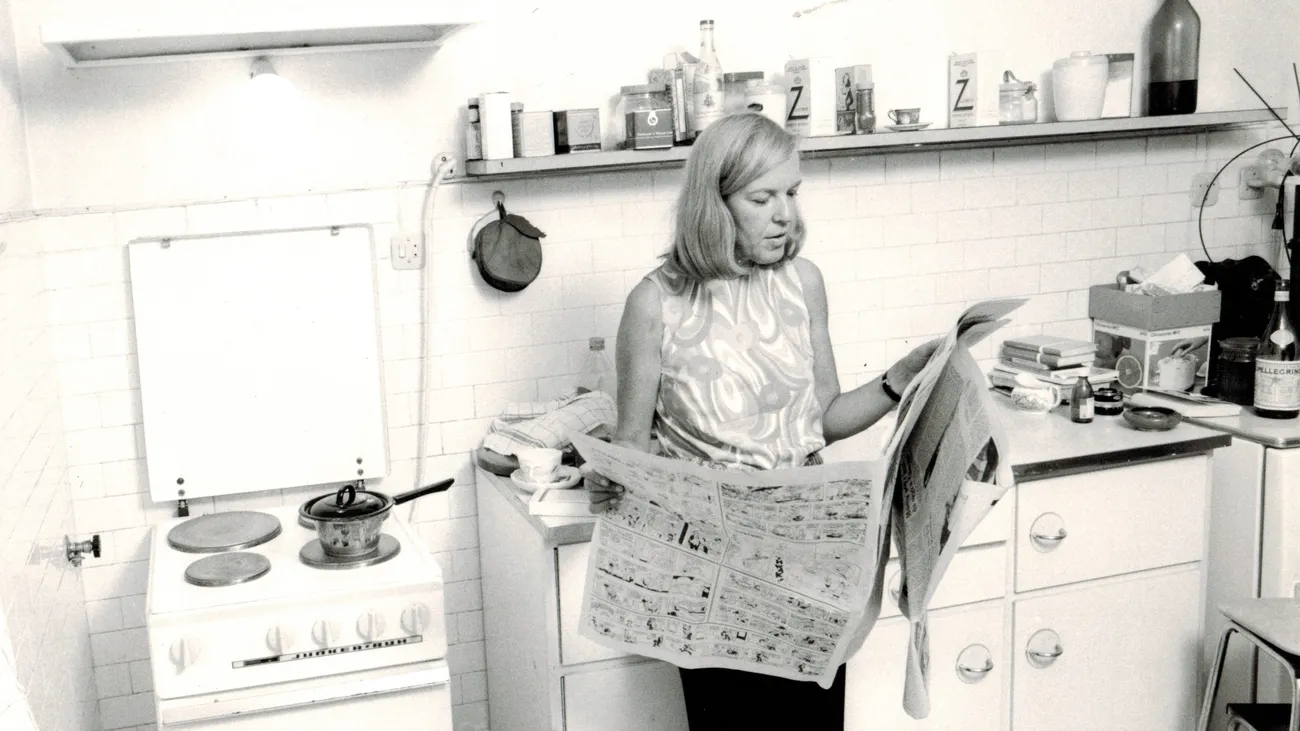
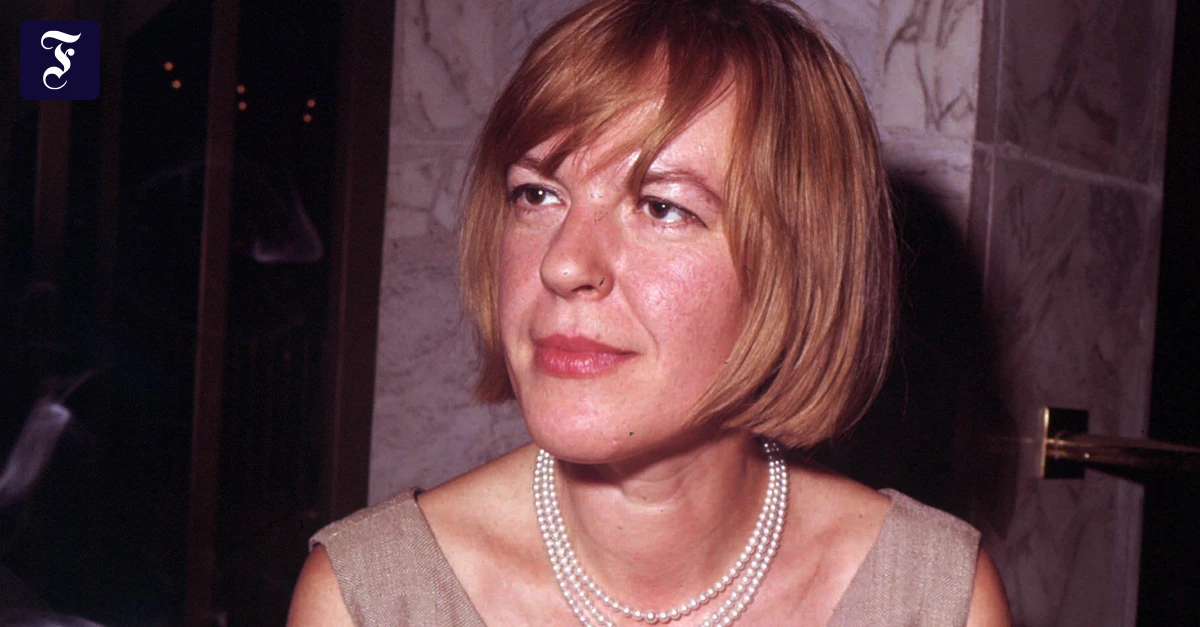
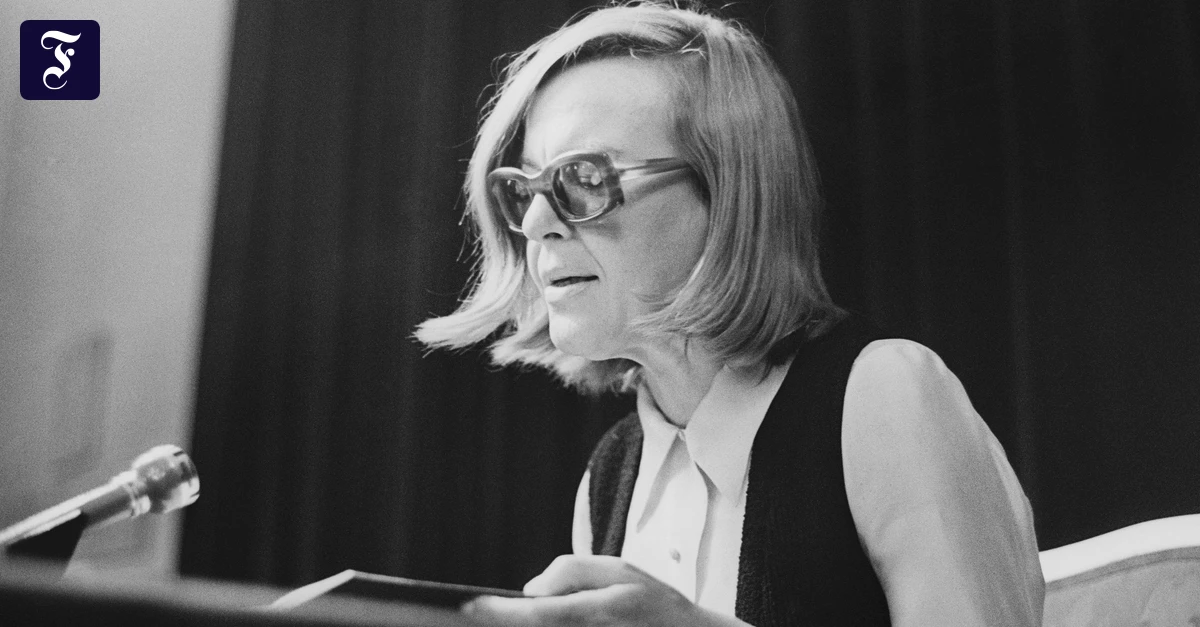
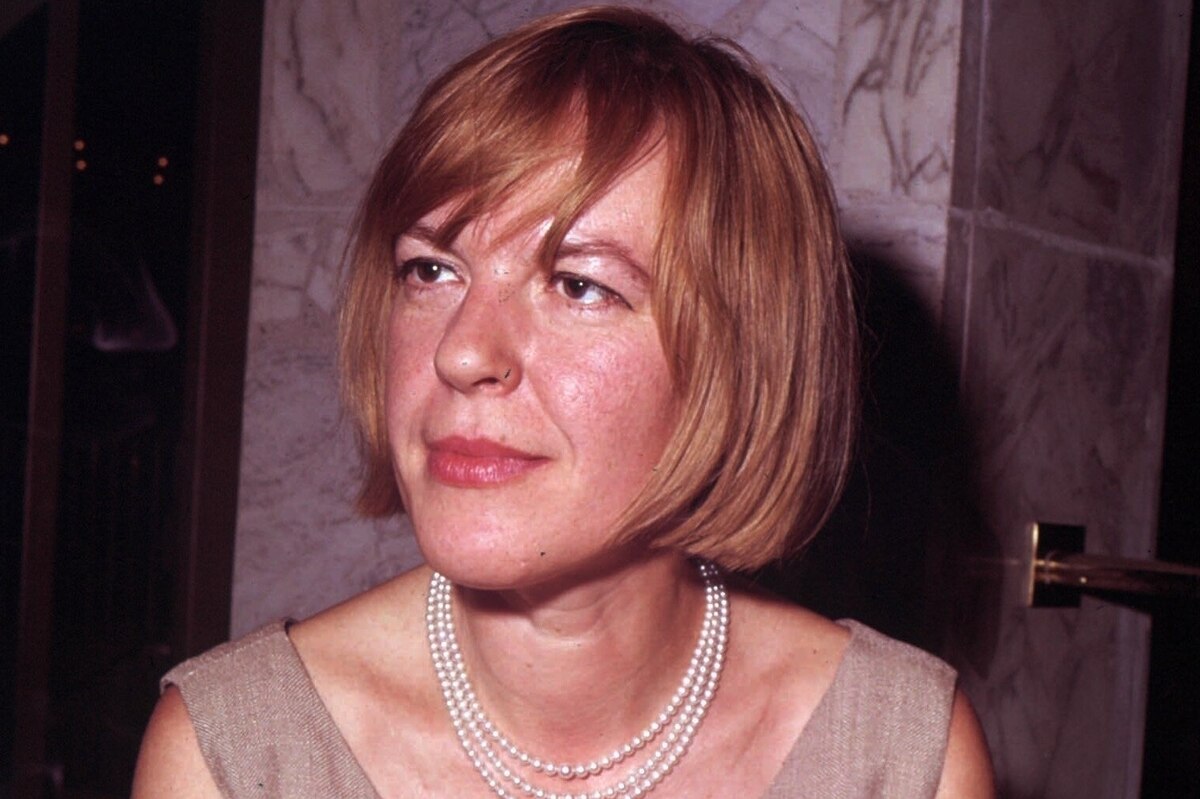
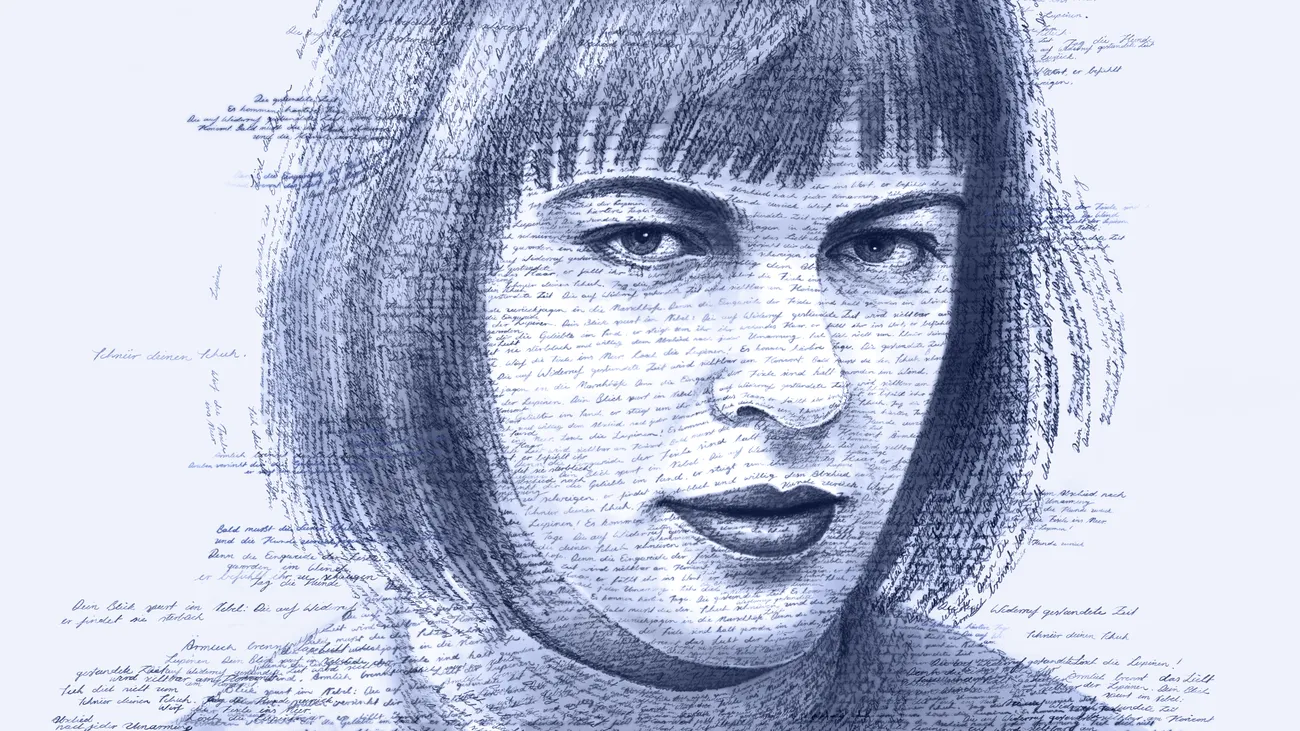
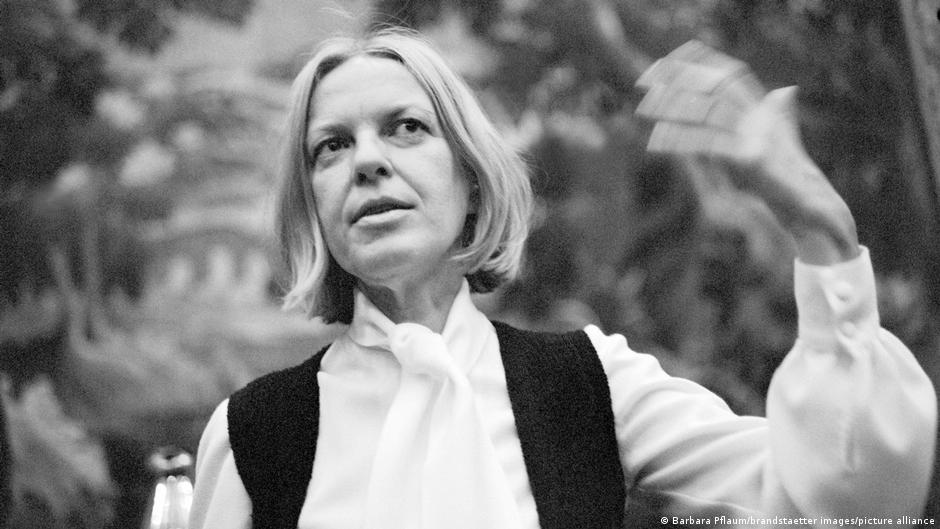
The anti-fascist and feminist Austrian writer and poet, Ingeborg Bachmann, was one of the few women to assert their voice in the face of a deeply sexist literary industry.
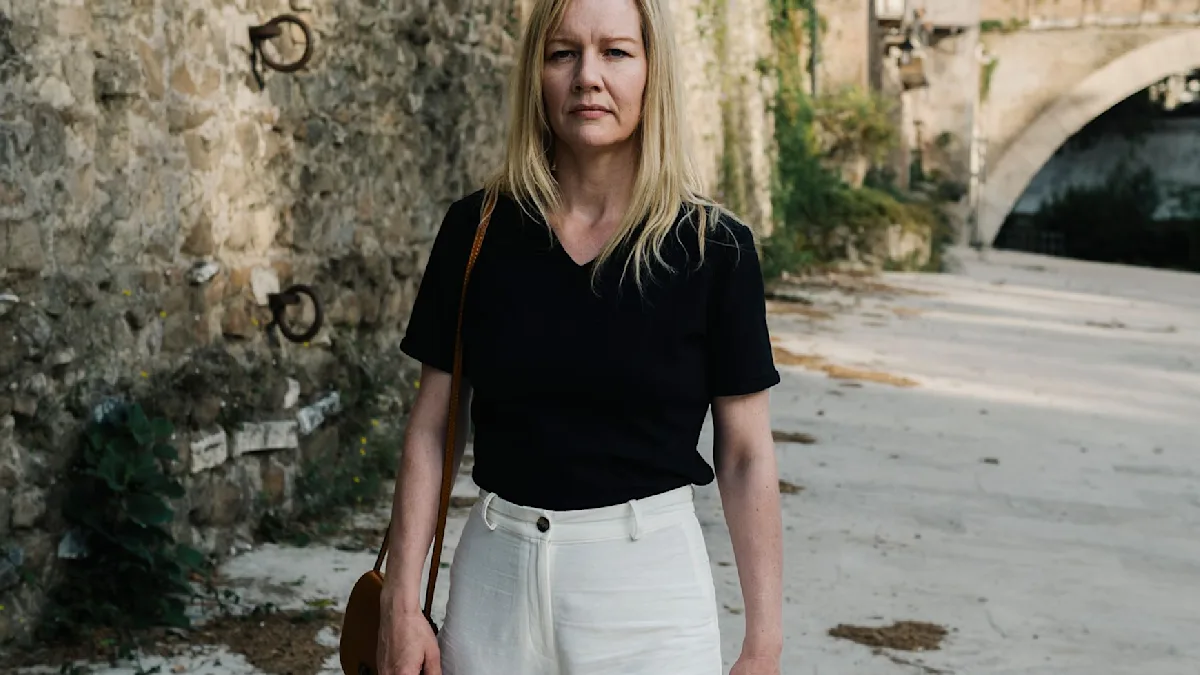
The literary icon remains extremely relevant today, notes Regina Schilling, a longtime Bachmann fan and director of the new documentary, "Ingeborg Bachmann: Someone who was once me."