It’s almost impossible to comprehend how much the South African wine industry has changed in a single generation: in the 1980s, almost 80% of the national vineyard was planted to white varieties, mainly chenin. Chardonnay and sauvignon blanc represented less than 5%. The red grape plantings were primarily cinsaut, with smatterings of cabernet sauvignon, pinotage and shiraz making up the balance.Not many producers would put “cinsaut” on the label — back then it was regarded in the same way as a family scandal: everyone knew but no-one spoke about it. Even pinotage and shiraz didn’t deliver much cachet. A fair percentage of the little there was of them was used to add colour and complexity to the cinsaut. We can tell from this much about what was actually being sold (rather than what people thought they were buying). With limited availability of premium red varieties, pretty much everything was actually a blend.There was substantially greater demand for cabernet than there were vineyards: in fact, in the early days of the wine of origin scheme, there was so little cabernet about that producers were allowed to call a wine a cabernet (not a cabernet blend) if there was just 30% of the variety in the final wine. Much of what was sold as cabernet contained cinsaut (often spiced up with additions of shiraz). You couldn’t exactly take what was printed on a wine label at face value — even after legislation was introduced with a view to making the industry vaguely honest.Through the 1980s cabernet plantings increased, with merlot (a new arrival in the Cape), some cabernet franc, cleaner shiraz clones, pinot noir and even malbec. These new vineyards generally replaced the ubiquitous cinsaut, the unloved red wine equivalent of the equally unloved chenin blanc. Come the 1990s and the end of sanctions, the national vineyard was still about 65% white. By then, however, cinsaut’s share of the red grape component had dropped to less than 5%. None of the producer-wholesalers wanted it — not with the increasing availability of merlot. Unsurprisingly, and over time, growers grubbed it up and planted the more fashionable red cultivars.By the early 21st century it appeared as if cinsaut would vanish completely: even with the chenin renaissance in full swing, and the idea that some of the more traditional white varieties might find a place in the new pantheon, no-one was raising a flag with anything like the same conviction for cinsaut. When I persuaded the new owners of a Stellenbosch property to work at saving an old chenin vineyard they readily agreed; when I proposed that the adjacent cinsaut block might also be worthy of the effort, they gave my suggestion short shrift.However, mainly in the past 10-15 years, cinsaut has gone from being a component in a few small-volume geeky blends to a newly fashionable cultivar. Some of this is no doubt the result of the Old Vine Project: the Cape’s oldest vineyard is a cinsaut block in Wellington. Many of the country’s more exclusive producers offer a cinsaut or a cinsaut blend. As a result of the variety’s new-found prominence, more is being done to preserve old vines. New cinsaut vineyards are also being planted. There are even producers — like the Mullineuxs — who have resurrected the traditional cabernet-cinsaut blends in a conscious move to offer a modern take on old-timer wine.This combination of fashionability and relative fruit shortage has transformed the positioning of the cultivar. You’ll look long and hard for anything decent selling for less than R150 a bottle. But there are many beautifully crafted, perfumed and evocative examples to be found for those with deepish pockets. From Sadie’s Pofadder, Coen Snyman’s Rock of Eye, Mullineux’s Leeu Passant (from the famed Wellington block), via Stellenrust’s Old Bush Vine, Allée Bleue’s fabulous bottling made from Piekenierskloof fruit, to Lukas von Loggerenberg’s Geronimo and his even more splendid Lötter, cinsaut is fighting back.Business Day
MICHAEL FRIDJHON | Cinsaut back in vogue after standing the test of time
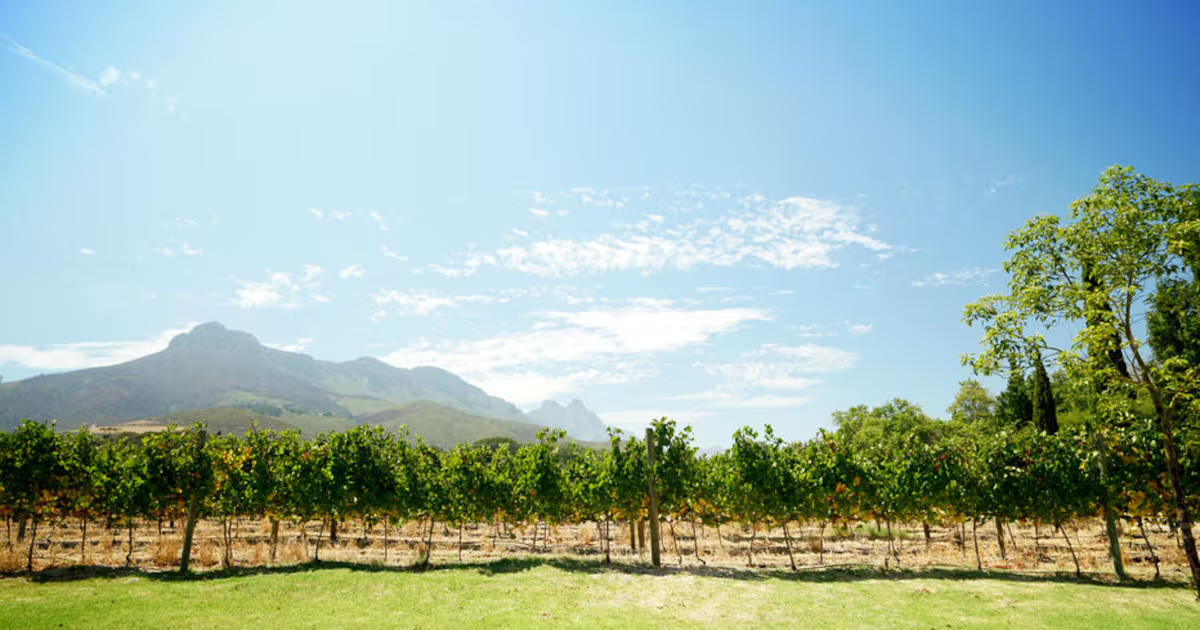
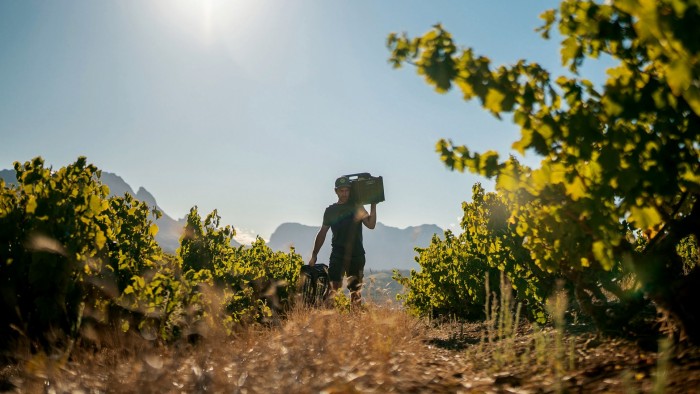
Through the 1980s new cabernet plantings generally replaced the ubiquitous cinsaut
653 words~3 min read