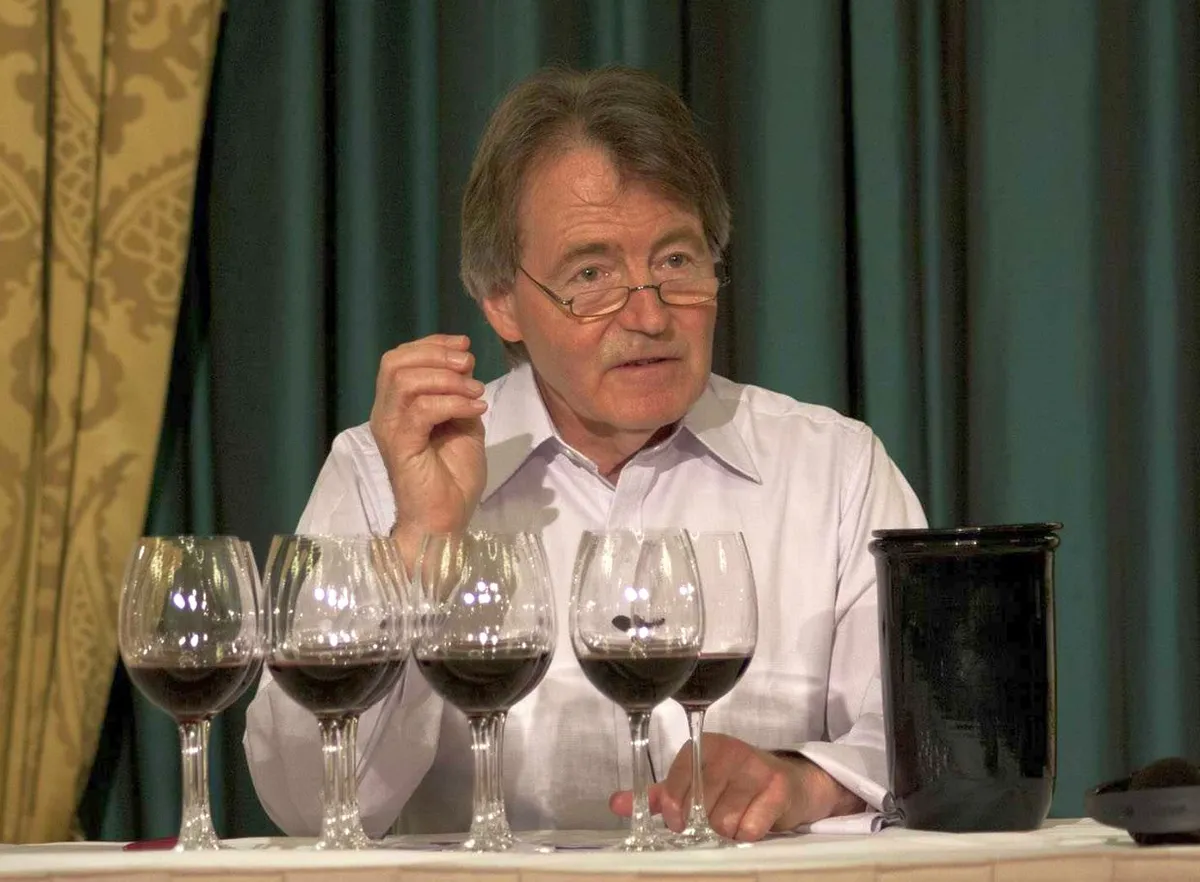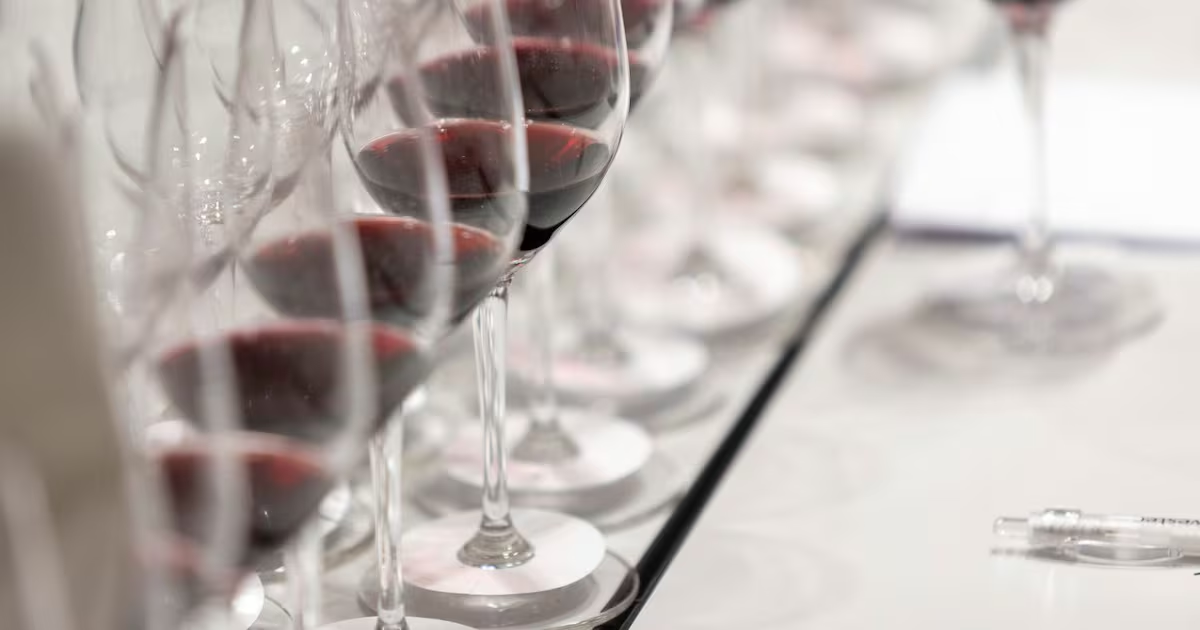
Wine judging and wine judgment have been in the news over the past few weeks. May 24 was the 50th anniversary of the famous “Judgment of Paris” tasting (France versus California) hosted by the late Steven Spurrier in Paris. At the event the Americans topped both the red and white wine rankings. George Taber, Time magazine’s Paris correspondent, was the only journalist who accepted the invitation to attend, so he scooped the story.The Californian triumph, in the year of the American Bicentennial, was trumpeted far and wide. Taber turned it into a book, Hollywood produced a movie, and the Academie du Vin Librairie, a publishing venture inspired by Spurrier, has issued a 50th anniversary album to celebrate the occasion. That’s a vast amount of verbiage about a wine tasting attended by a handful of people.Henry Jeffreys, writing in his Drinking Culture substack, concludes: “So what does the Judgment of Paris tell us about wine? Very little really. California and other New World wines would have become accepted eventually. Bordeaux would have bounced back anyway. I think the wine world would look much as it does today if it had never taken place. But as a human tale, a story of folly and hubris, David vs Goliath, it remains as compelling as ever.”Wine judging is also in the news because South Africa Wine, the Cape producers’ umbrella organisation, has set up a wine sensorial council as part of the industry’s professional body. It’s hoped that by establishing a more rigorous wine judging environment, real benefits will flow to wineries and to consumers. This won’t be simple. You can train for acuity and for sensitivity when it comes to tastes and aromas, but aesthetic judgment, by its very subjectivity, remains elusive.This was made abundantly clear to me reviewing the results of this year’s Investec Trophy Wine Show — a four-day blind-tasting exercise where I served as the show chairperson. There were three panels, each with three senior judges, one of whom was an international specialist flown in for the occasion. Two were Masters of Wine (MW, and probably the world’s most rigorous wine qualification). The third was Oz Clarke, winner of the World Wine Tasting Championship, author, broadcaster and wine personality (voted the best-known wine critic in the UK). The local judges included an MW and distinction graduates of the Wine Tasting Academy hosted under the auspices of the University of Cape Town’s graduate school.In short, there was no absence of competence or talent: as show chair, I review every class with the judges while the wines are still on the tasting bench. Medal awards are rarely unanimous. They are arrived at by discussion and disputation. The arguments aren’t merely about the actual scores (which follow the medal award) — they are sometimes about whether a wine even receives a medal, or gets a bronze, silver, or gold. Things are not as clear cut as the theoreticians would like them to be.When the gold medal winners are brought back on the last day of the competition, and reviewed by all the judges sitting as a full jury (again blind, labels out of sight), the best-in-class wines acquire their trophies. But the judges can also vote against a particular wine awarded a gold by another panel. Every year there are a few thumbs-down scores at this point. Even with wines that have passed through several filters, there isn’t always unanimity.This is as it should be: fine wine is not quantifiable in the absolute sense. The fastest car in the world may not give the greatest driving pleasure. The most accurate image is not the best painting. As it happens, 30 years after the original Judgment of Paris tasting Spurrier convened another panel that reviewed the identical wines, and California again emerged victorious. On another day — wine being performance art — the outcome might have been different.The full results of the Investec Trophy Wine Show are available here.
MICHAEL FRIDJHON | Fine wine is not quantifiable in the absolute sense
Investec Trophy Wine Show shows how medal awards are contested and rarely unanimous
655 words~3 min read