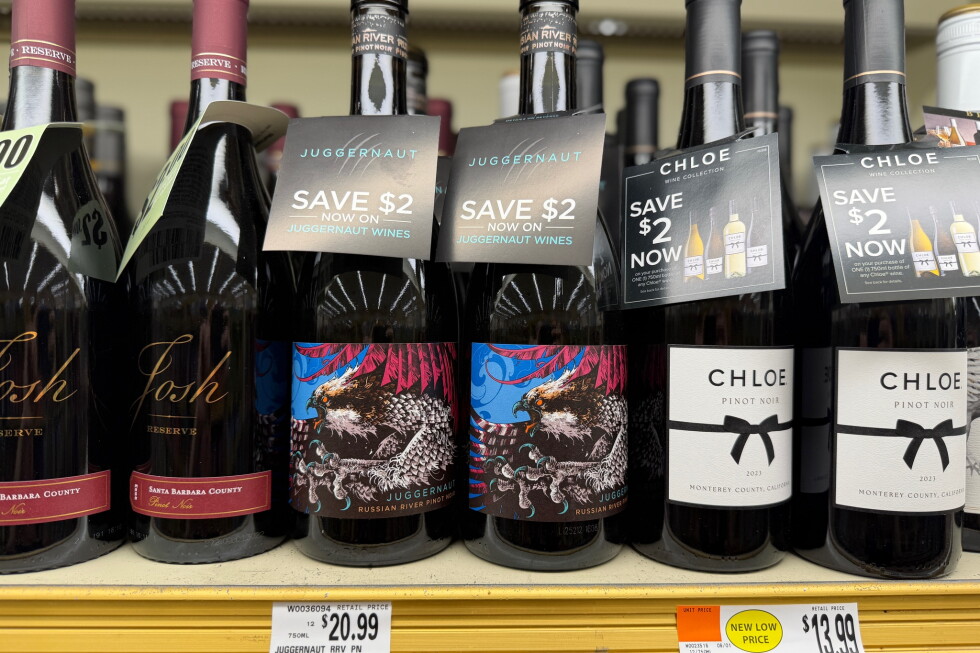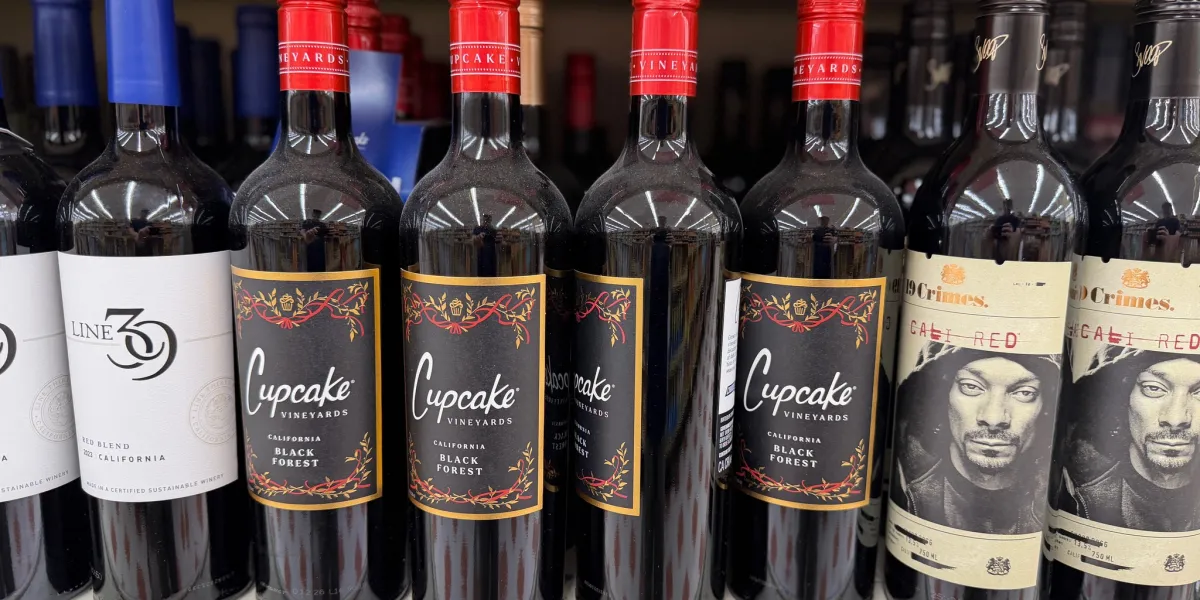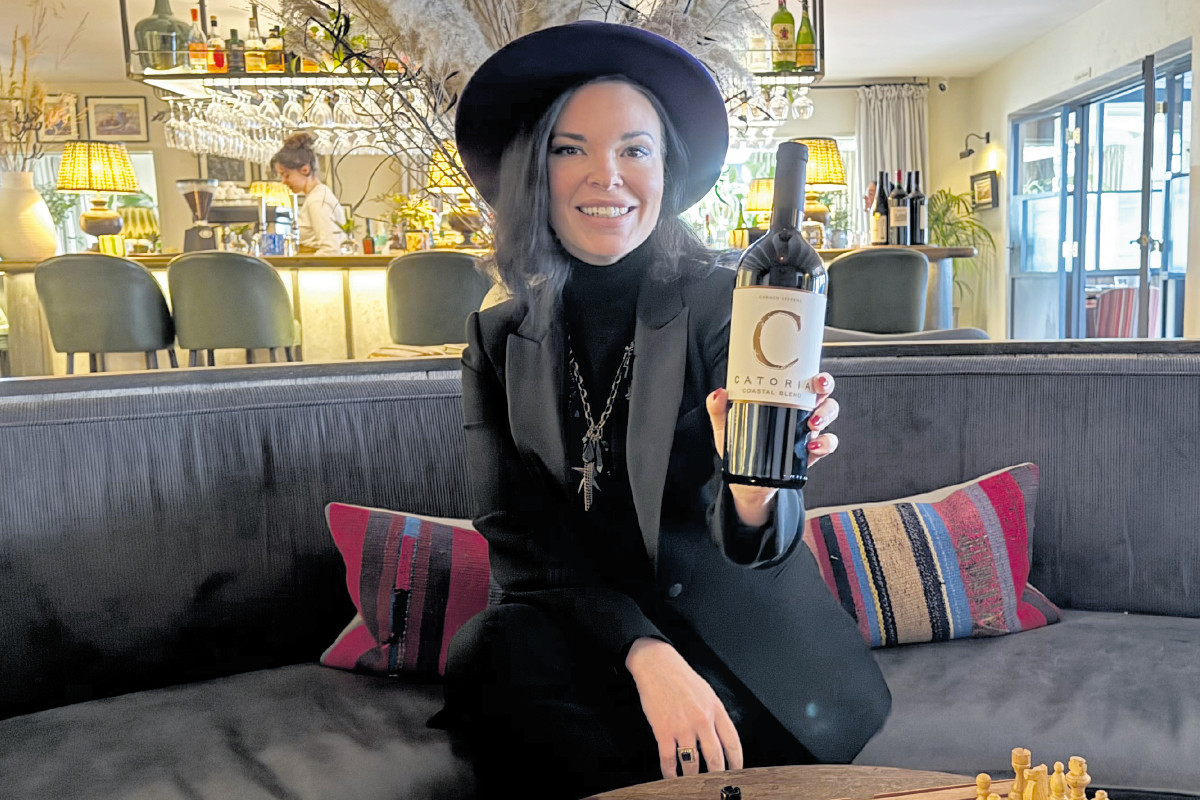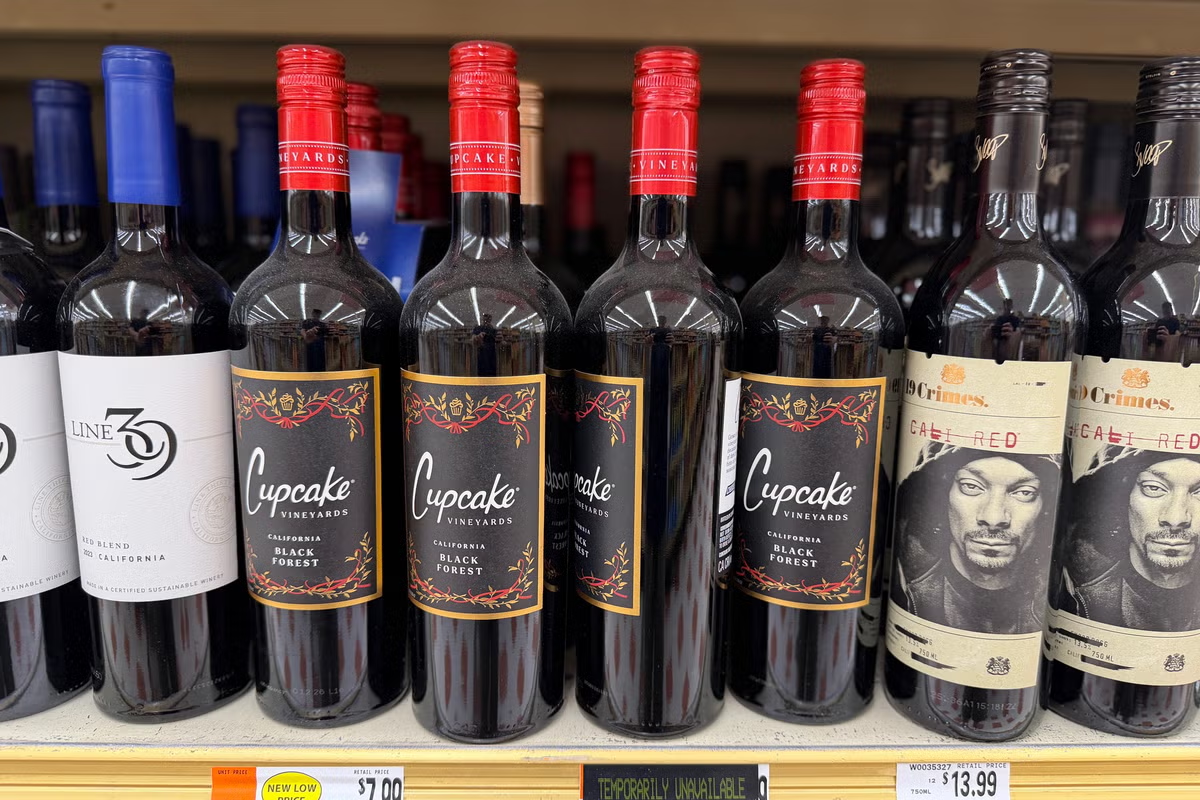
Forget traditional pairings; today's wine marketers are grappling with questions like which vintage complements Shark Week, or if a robust cabernet is the perfect pour for an evening dedicated to naming deceased rodents after an ex. Even the provocative name 'SEX' for a wine raises eyebrows – but is it too much, or not enough, for modern palates?These seemingly absurd queries underscore a serious challenge for the wine industry: slumping sales and an increasingly elusive consumer base, particularly among younger demographics. The industry, long defined by its 'fuddy-duddy pretense,' is now scrambling to redefine itself for 2026 and beyond.These seemingly absurd queries underscore a serious challenge for the wine industry (Getty)Helen Kurtz, chief of marketing for The Wine Group, acknowledges this shift, stating, "That self-important way that wine can refer to itself — we’re really trying to tip that on its head." Her company aims to attract a generation raised on Frappuccinos and BuzzBallz with offerings like its easy-drinking Cupcake Vineyards wines.Kurtz emphasizes, "It’s about being less serious about ourselves, because that’s what this consumer is demanding." This strategy translates into unconventional partnerships, such as aligning MD 20/20 (yes, it’s a wine) with World Wrestling Entertainment for "Mad Dog Enters the Ring," and launching the "Full Throttle Flavor" Fuel by Franzia boxed wine beverages for NASCAR enthusiasts.Alcohol consumption has droppedAlcohol consumption is in decline across the board, a trend that has accelerated since the pandemic, presenting a stark challenge to an industry valued at approximately $560 billion in the U.S. While some sectors are adapting, the wine industry faces a particularly complex set of hurdles, many of its own making.This downturn is fueled by a confluence of factors, including aging Boomers embracing healthier lifestyles, Gen Z's growing preference for low- and no-alcohol beverages, and the widening availability of alternatives such as marijuana. Different segments of the alcohol market are responding uniquely. Hard liquor, for instance, has found a rare growth niche in ready-to-drink canned cocktails. However, the wine industry struggles to connect with new consumers.This downturn is fueled by a confluence of factors, including aging Boomers embracing healthier lifestyles, Gen Z's growing preference for low- and no-alcohol beverages (Getty/iStock)For those new to wine – especially the highly sought-after 20-somethings – navigating its complexities can be daunting, creating what some might call a "Château du Stuffy" effect. Christian Miller, director of research for the Wine Market Council, explains, "You’ve got a bunch of things, what you might call friction points, with wine, that are particularly salient to younger consumers," highlighting cost and drinkability as primary concerns. A pretentious image keeps some customers awayWine, historically perceived as a realm of pretension and high prices, is struggling to connect with a new generation of consumers. Its traditional language, often featuring esoteric descriptors, and a preference for potent styles, proves a difficult sell for those accustomed to more casual drinks. A telling report from British household products company Lakeland reveals fewer than a third of Gen-Z households own a corkscrew, highlighting a significant disconnect.Beyond image, sampling wine typically demands a full-bottle commitment, unlike spirits. In response, a cohort of wineries is actively challenging this "fussy façade," embracing a "sassy vibe" and accessible language. While an $8 to $20 price point is often key, the message of approachability is proving even more critical.Charles Smith, founder of House of Smith, behind brands like Kung Fu Girl Riesling, explains this modern approach. He states, "My mantra is always to communicate the language of wine to everyone because not everyone speaks wine. The wine should be a reflection of the consumer who is going to buy it." This strategic shift aims to make a centuries-old product resonate with contemporary palates. Can tie-ins to pop culture make wine more relatable? Bogle Family Wine Collection is making waves with its Juggernaut Wines, distinguished by their striking labels featuring aggressive alpha predators and an equally unconventional marketing strategy. Far removed from the placid villas and languorous ladies often depicted on wine bottles, Juggernaut’s labels showcase sharks, grizzlies, orcas, lions, and even an angry bird of prey.This bold aesthetic is paired with a deliberate effort to introduce the wines into non-traditional settings, according to Jessica LaBounty, the company’s marketing director. For two years, Juggernaut has sponsored the grueling Tough Mudder races, promoting an "Adventure awaits" theme. The brand has also made placements at zoos hosting unique nights where people can name dead rodents and insects after former partners and feed them to animals.This year, Juggernaut has partnered with Discovery network’s Shark Week. Its chardonnay label now sports an especially "snappish great white" and promises "just the right amount of bite." LaBounty explained the strategic alignment, stating: "The viewer base of Shark Week lines up really, really nicely with who we know our consumer to be. It’s another way to meet them where they are already versus kind of asking them to come to us."Learning to speak Gen Z is keyA significant generational divide is emerging in the world of wine, as younger consumers increasingly reject the traditional language and rituals associated with it. This shift is perhaps best encapsulated by a popular social media meme contrasting a Millennial marketing team's elaborate pitch about "terroir and full-bodied flavors" with a Gen-Z team's succinct, "it’s giving… yummy".Amidst this evolving landscape, Bread & Butter Wines is carving out a niche with a refreshingly direct approach, encapsulated by their tagline, "Don’t overthink it." For this brand, "vibe is everything," encouraging consumers to pair their red blend with a candy charcuterie board, or a pinot noir with a Thanksgiving leftovers sandwich. Even prosecco is suggested as an accompaniment to fries.Caitlin Ward, the brand and digital marketing director, articulated the strategy behind this unconventional marketing. "The No. 1 goal is to disrupt the shelf because it is so crowded," Ward stated, adding, "Sassiness is a way to do that."
Why wine brands are ditching tradition to win over younger drinkers
The industry, long defined by its 'fuddy-duddy pretense,' is now scrambling to redefine itself for 2026 and beyond
971 words~4 min read