In the tasting room of a Bordeaux winery, a photo on the wall shows a pastoral tableau: three generations of the Dubois family, sipping wine on the patio of their Les Bertrands château, with their Australian shepherd, Namek, perched at their feet. Out the window, chestnut trees sway in the breeze, with sunlit vines stretching for acres beyond.
It’s this mesmerizing serenity that draws millions of tourists to southwest France every year to revel in the craftsmanship and lifestyle that have made Bordeaux an icon of the $515 billion global wine industry. Last year, the region produced 484 million bottles, about 14% of France’s output; according to the Bordeaux Wine Council, every 15 seconds, somewhere in the world, someone buys a bottle of Bordeaux.
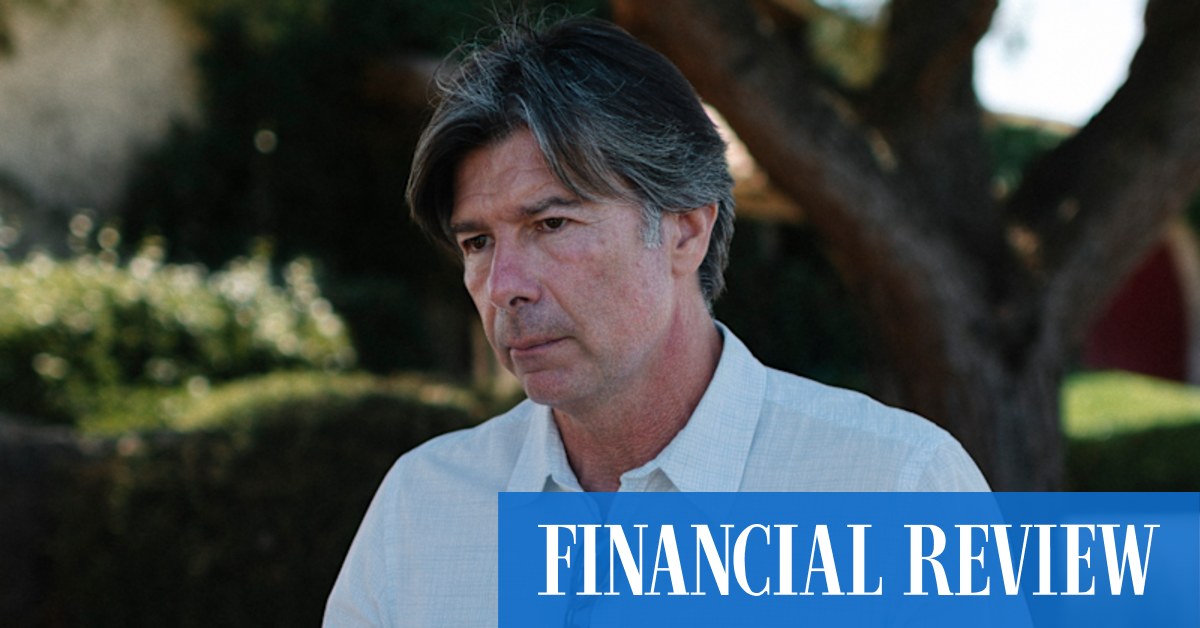
But the idyllic calm is deceptive. Amid the old stone villages and winding gravel roads, winemakers are reeling from a multitude of problems that feel largely out of their control—from geopolitics and trade tensions to the changing tastes of younger consumers. Traveling through Bordeaux, one thing seems clear: It will take more than the traditional Christmas spike in wine sales to turn things around. “The crisis is very strong,” says Laurent Dubois, 57, sipping espresso, not wine, one morning in the tasting room during a break in the harvest. “We have never seen this.”