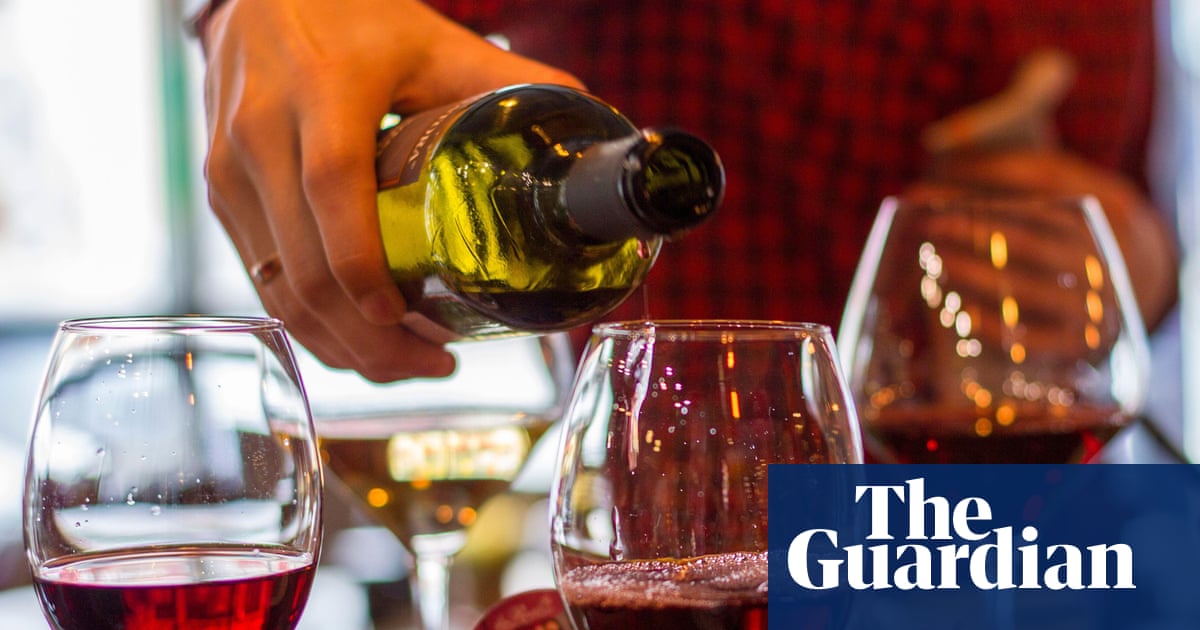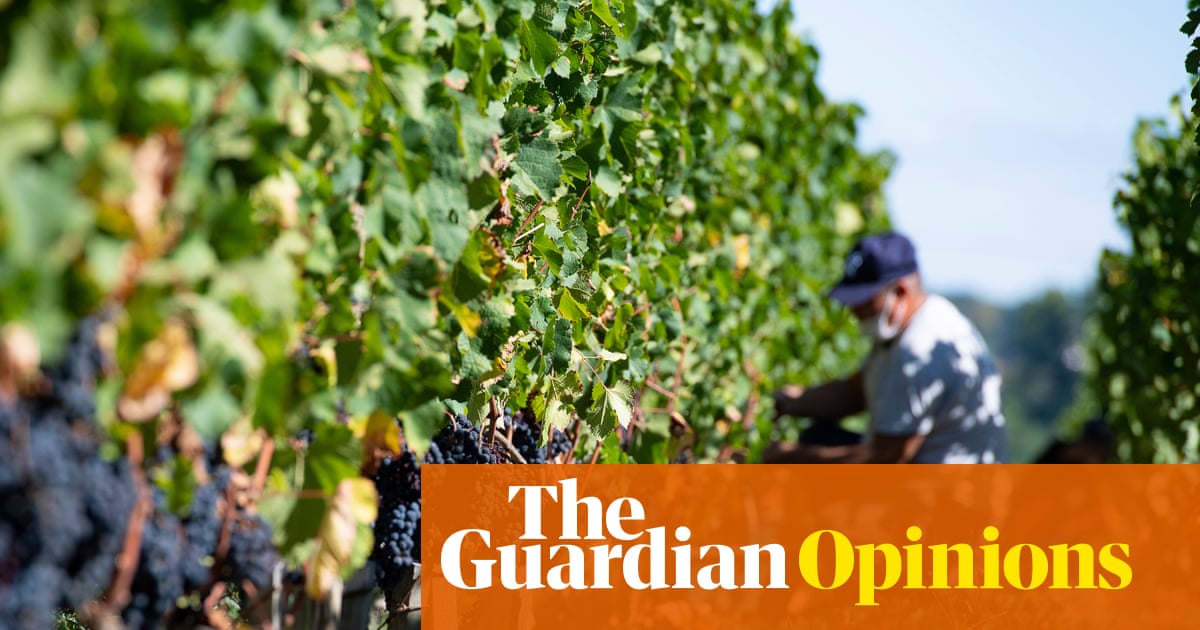
Consumers are drinking less red wine than ever. Producers need to revive the fresher and lighter vintages that their medieval ancestors once harvested
T
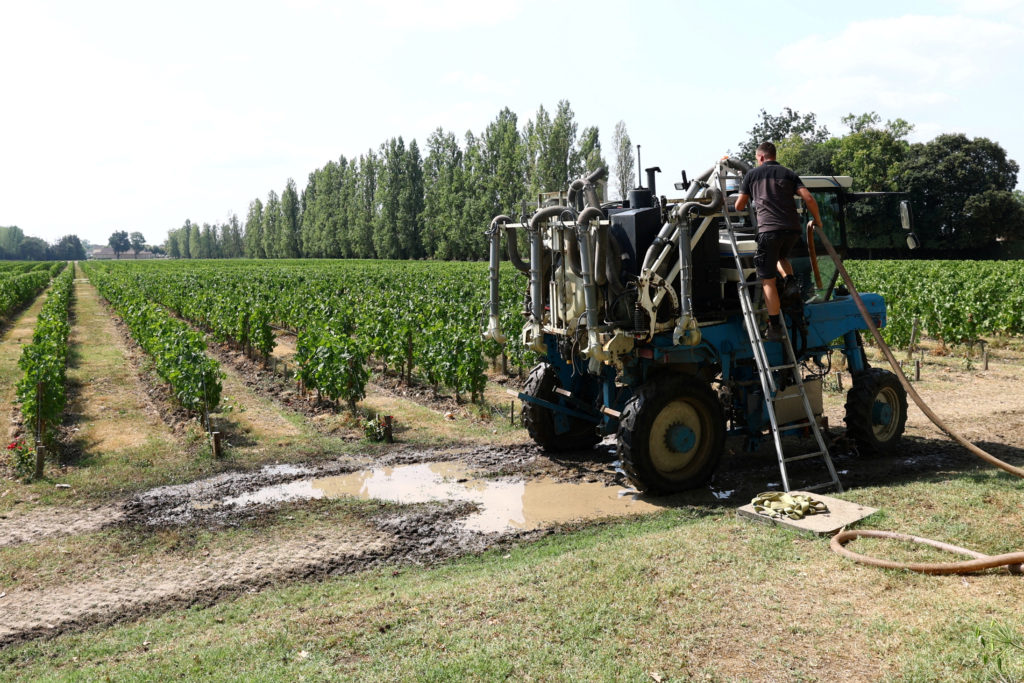
hese are always anxious weeks in the Bordeaux vineyards, where 15% of France’s wine is grown, including in celebrated places like Chateau Latour and Chateau Mouton-Rothschild. In earlier years, this ritual anxiety among the region’s winegrowers had a pleasingly folkloric quality. In the middle of August, the grapes would ripen and their colour start to turn. About 45 days from now, tradition dictates, it will be time to start picking the 2025 vintage. As the wine writer Edmund Penning-Rowsell put it: “To pick or not to pick is the most momentous decision in the winemaking year in Bordeaux.”
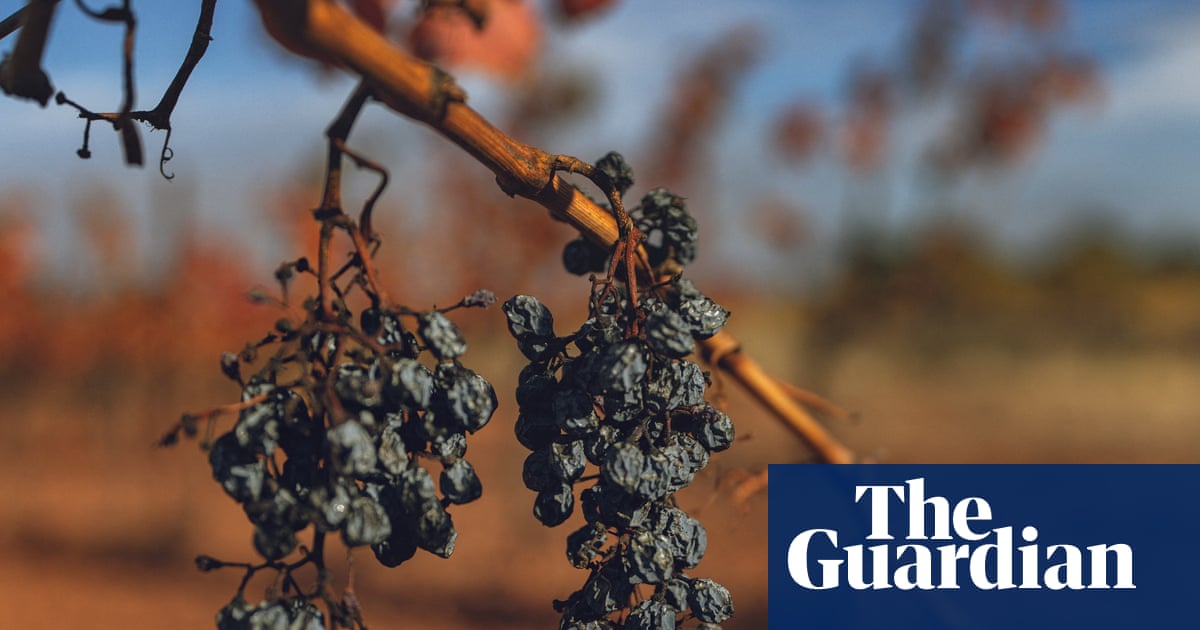
This once timeless rhythm is now collapsing. Part of the problem is the climate crisis. Bordeaux still benefits from its moderate Atlantic climate. But south-west France is getting much hotter and drier. Even in the Gironde region, maximum temperatures have been close to 40C at times this past week. Adaptation, in the form of hardier grapes and greater crop diversity, feels unavoidable.
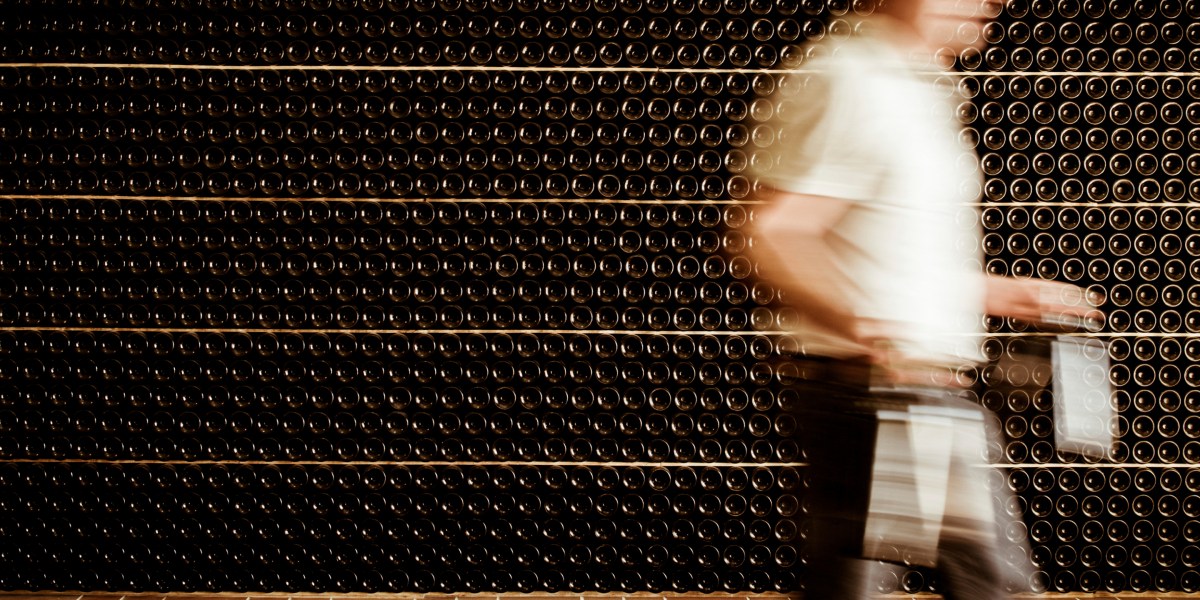
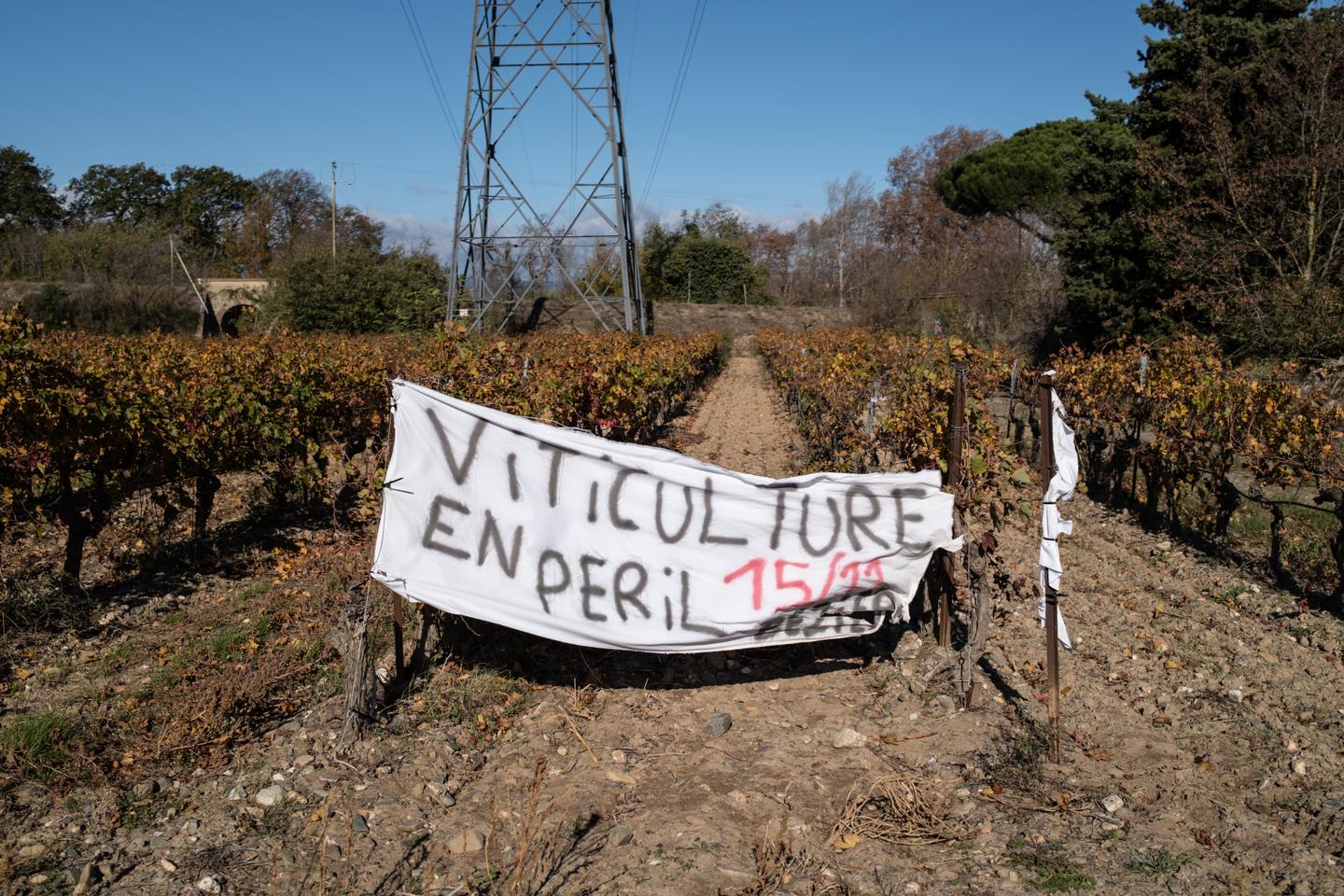
A much larger challenge, however, is today’s changing wine market. Demand for red wine in general, and for the full-bodied, long maturing red wines with generally high alcohol content that are synonymous with Bordeaux in particular, has slumped. This has affected not just the signature premiers crus in which monarchs and the global rich have always invested, but also the vineyards producing the ordinary Bordeaux red wines sold in supermarkets around the globe. For a region whose wine output is 85% red, this is an existential crisis.