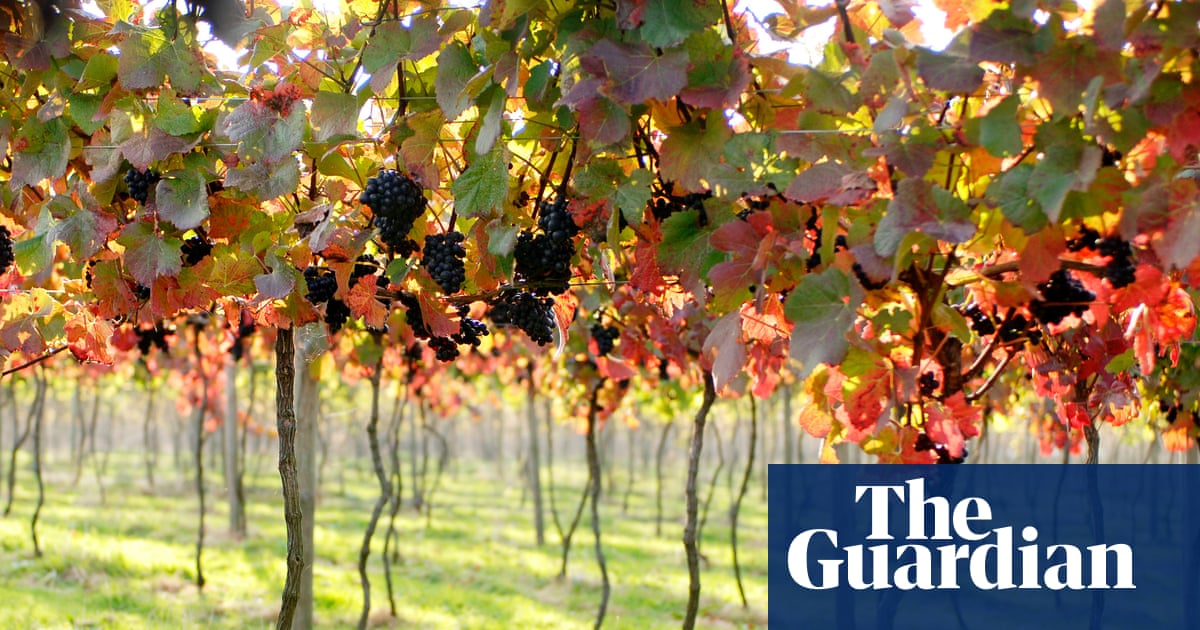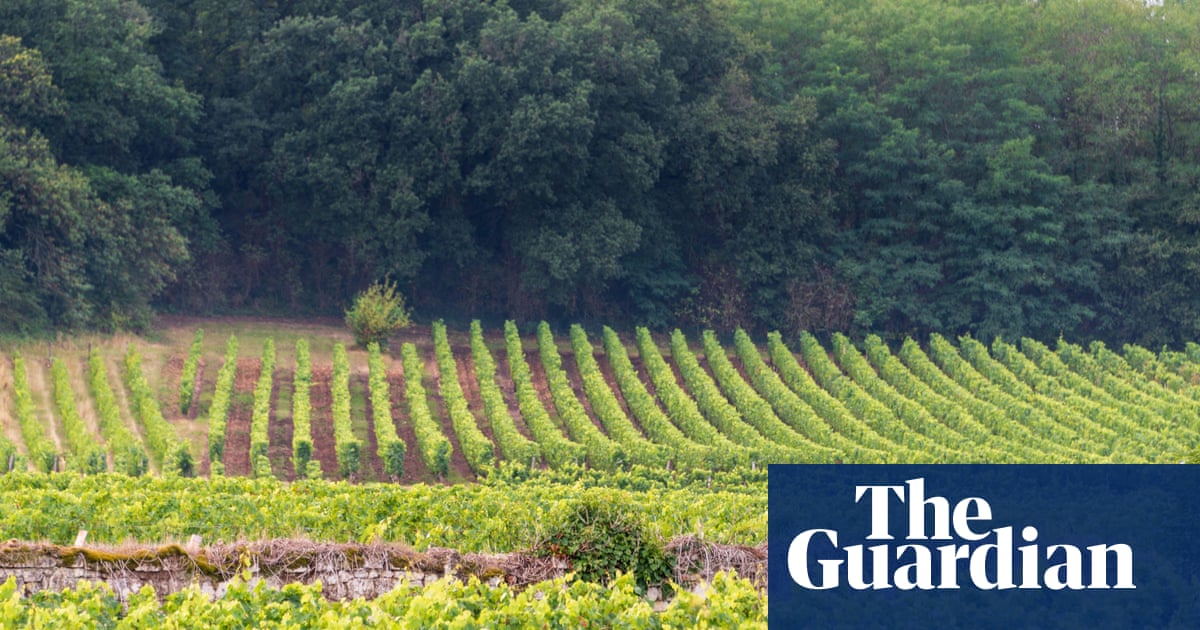
In spring, a wine-drinker’s fancy may well turn to youthful reds from the Loire, made from pinot noir, cabernet franc and even hillside gamays
C
an wine ever be good for you? The question has surely occurred to most of us after a night on the chȃteau de migraine, especially if we’ve read the increasingly dire warnings on alcohol consumption. Still, as with chocolate, a lot depends on what type of alcohol you drink. After all, a 90% cocoa solids situation is probably going to do less harm than, say, a family tub of Celebrations, and, while all alcohol is, I hate to break it to you, alcohol, there are definitely better choices you can make.
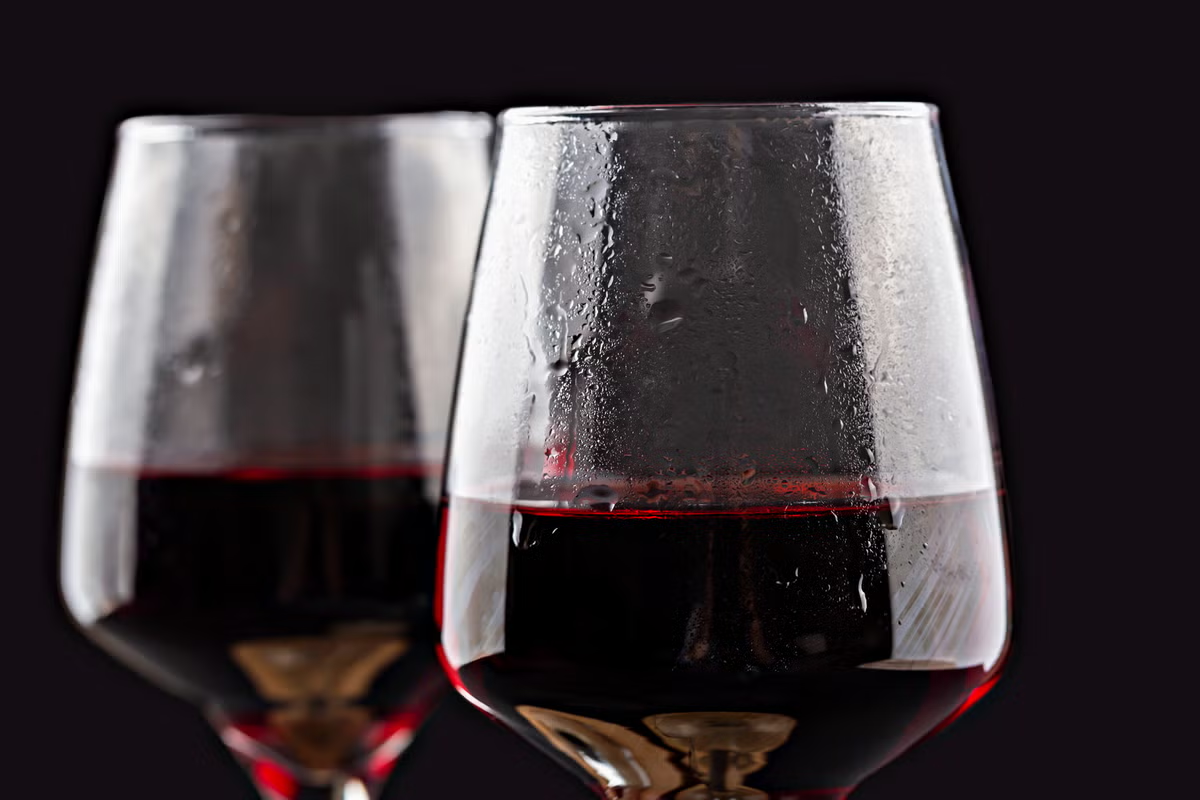
Red wine, for example, contains more heart-protecting polyphenols than white wine does, as well as a richer variety of minerals. But it needs to be young, not too tannic and not too sweet, either. It should also be low-alcohol (about 12.5% ABV, say) and ideally drunk with food. You should also seek out unusual grape varieties, too, not least to increase your variety of gut microflora. This, at least, is the counsel of Dr Tim Spector, who swears by two glasses a day.
So the health-conscious oenophile has a fair bit to work with. A sprightly beaujolais seems the obvious choice, luscious Sicilian frappato the hipster alternative, and cooler climate pinots offer another avenue altogether. But the spiritual home of what we might term “health wines” lies in the fragrant valleys of the Loire, a region of temperate gardens, grand chateaux and lazy river views. The Loire is most celebrated for its whites (pouilly-fumé, sancerre, vouvray …), but increasingly I find myself gravitating towards the area’s light, elegant, youthful reds, not least because they are perfect for early spring drinking.