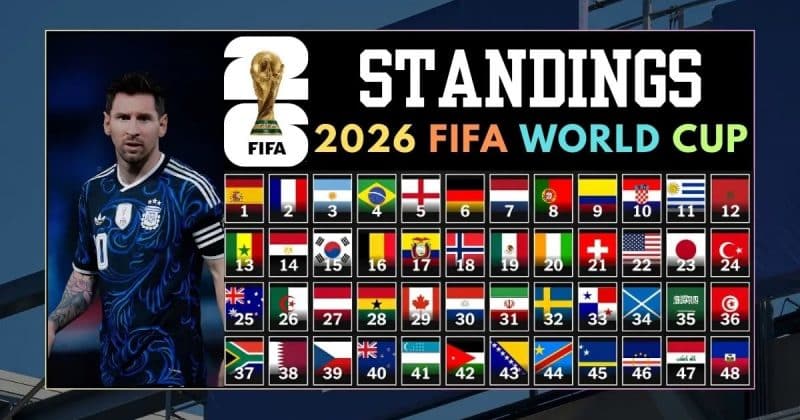
FIFA has done something it has never done in nearly a century of World Cup history: made head-to-head results the primary tiebreaker when teams finish level on points. The change sounds technical. Its consequences are anything but.
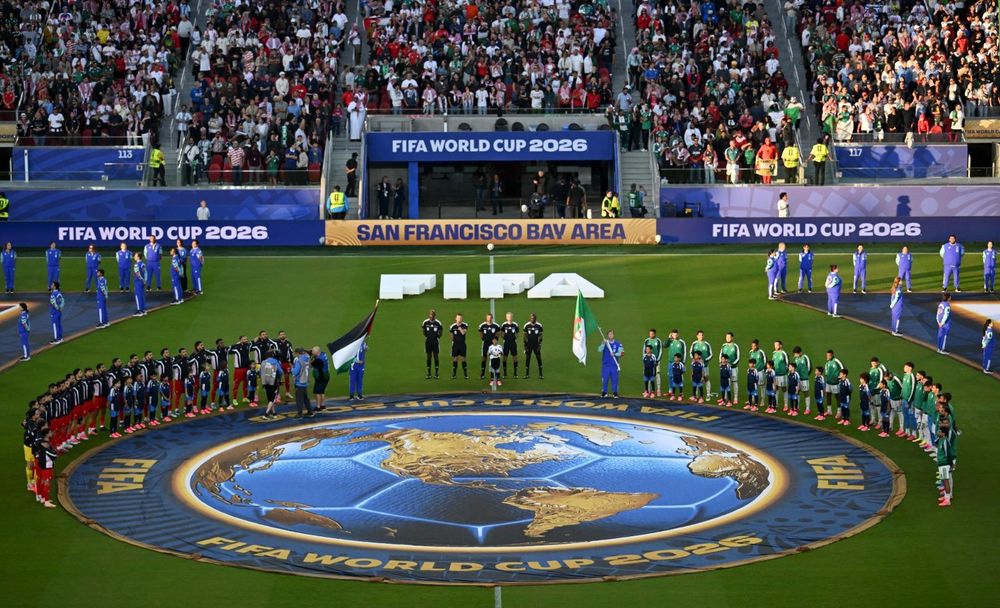
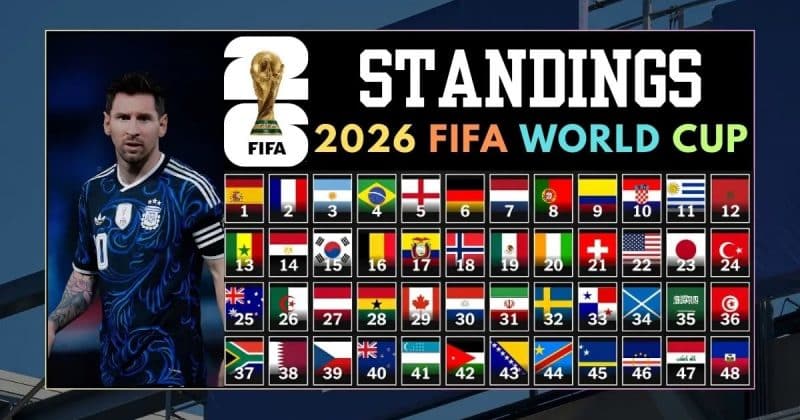
The 2026 World Cup, spread across Canada, Mexico, and the United States, features 48 teams split into 12 groups. Each group has four teams. The top two advance automatically. Then the eight best third-placed teams across all 12 groups also go through, creating a 32-team knockout bracket.
When two or more teams are tied on points, FIFA now looks at head-to-head results first. That means the result between the tied teams matters more than their overall goal difference across all group matches. After head-to-head points, it goes to head-to-head goal difference, then head-to-head goals scored, and only then to overall group goal difference.
This is a clean break from how the World Cup has operated historically. Previous tournaments used overall goal difference as the first separator after points.
If head-to-head results are king, a team that has already beaten its main rival for qualification has less reason to chase a big win in its final match. The old system punished conservative play because goal difference across all games could be decisive. The new system doesn’t, at least not as directly.