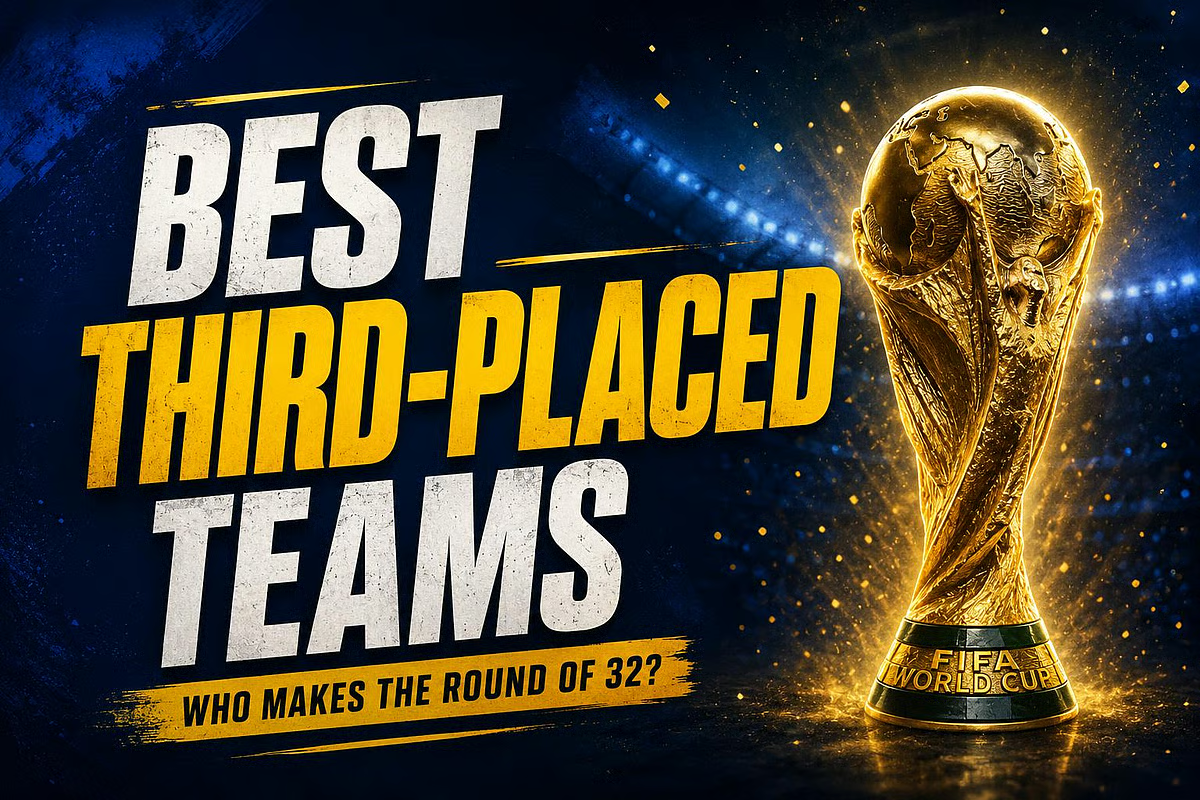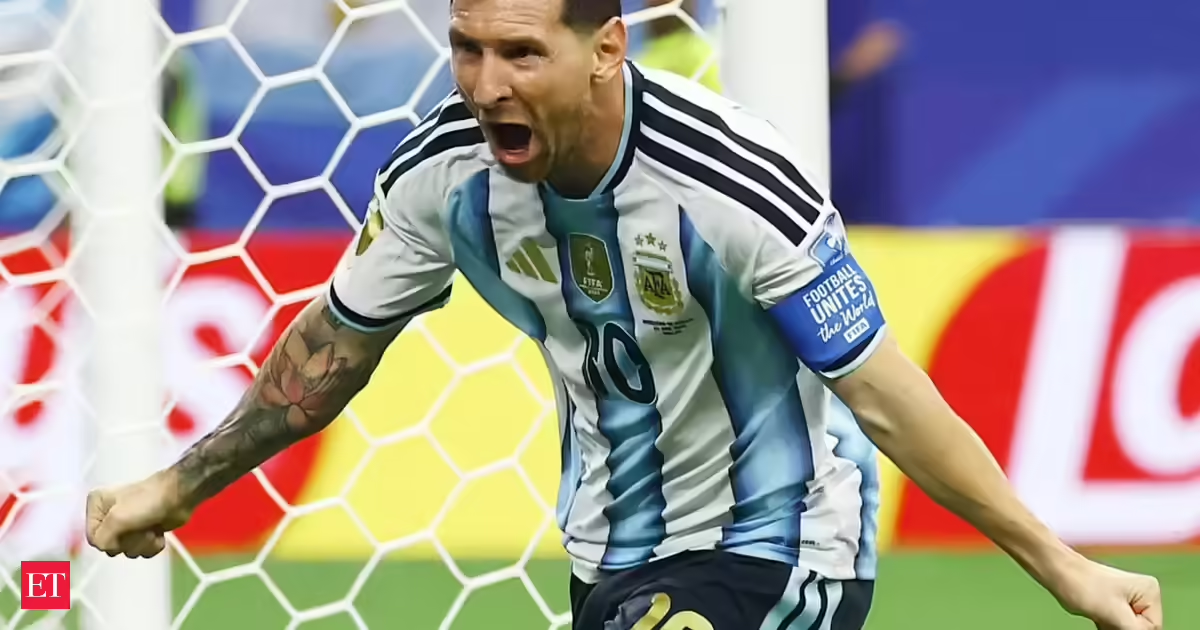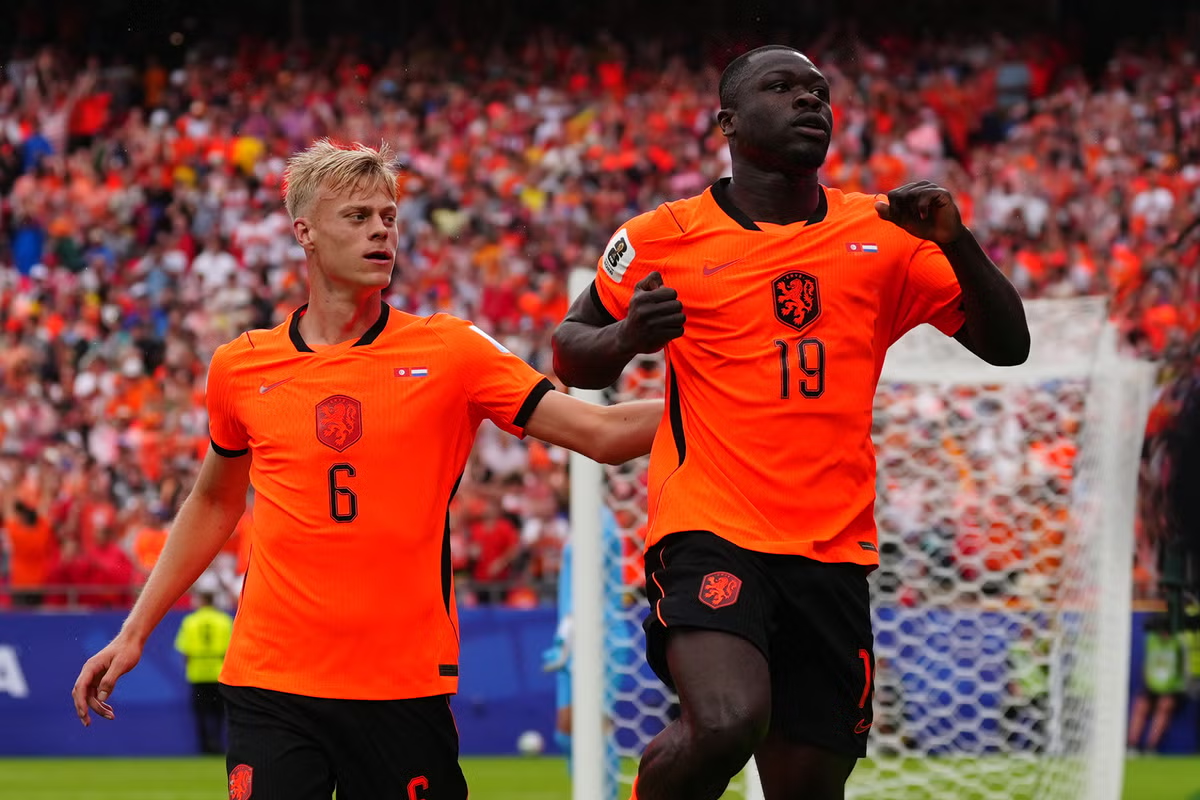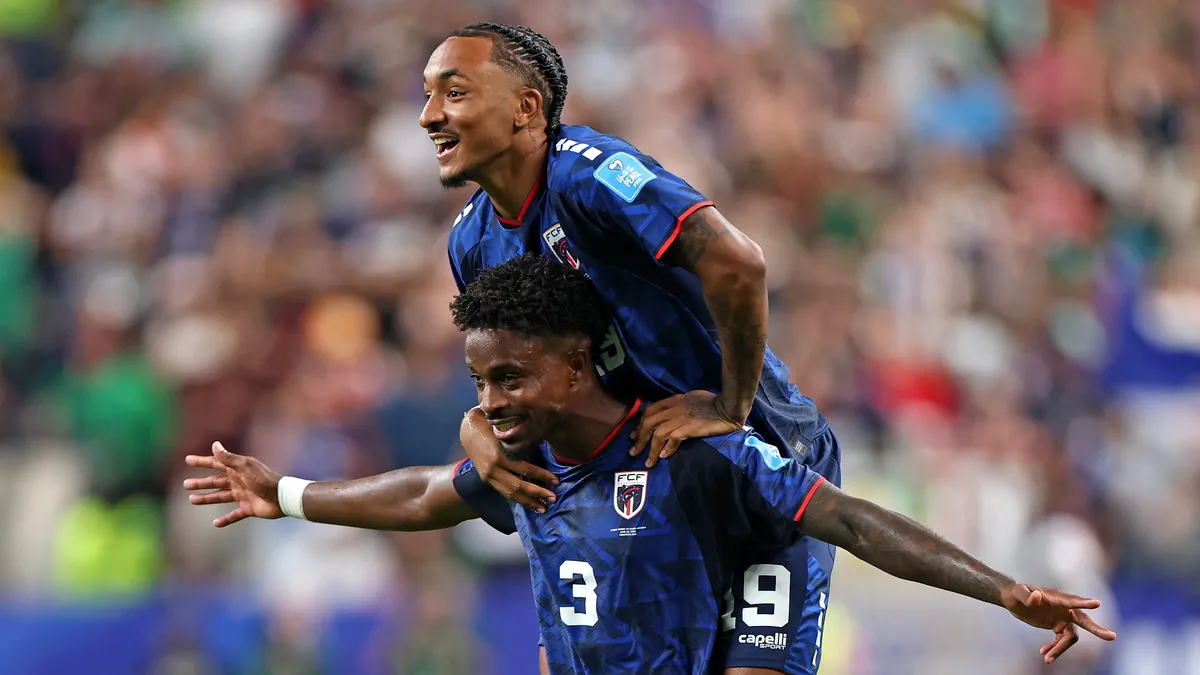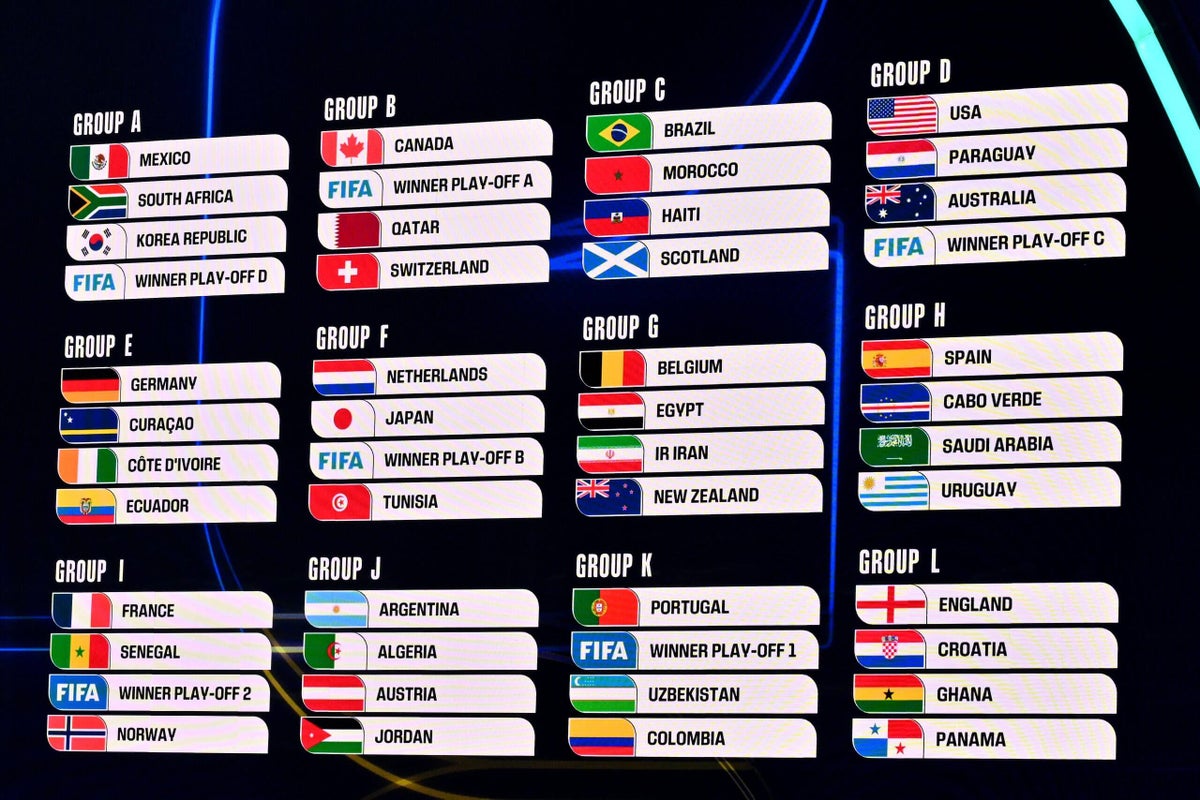
June 25, 2026 — 5:00amThere have been some major changes at this year’s FIFA World Cup, and we are about to experience one of the biggest for the first time.No longer will only the top two teams from each group go through to the next stage. Now that the tournament features 48 teams, there is an additional round of knockout matches. There will be 32 teams in that round – which means the last eight qualifiers will be the best performers from third place.Many World Cup nations face a nervous wait to see if they make the round of 32. South Korea’s Son Heung-min is pictured against the Czech Republic.AP PhotoThis will leave a bunch of nervous nations as every goal or card could prove decisive when teams play their final group games, starting on Thursday (AEST). Just to add another layer of uncertainty, those teams in the early groups who finish third may not know if they have qualified until other teams have played their last games.Only Turkey, Tunisia, Haiti, Panama and Jordan are statistically out of the running while 16 teams have done enough to be 100 per cent certain of making the knockouts according to data analysts Opta.This is how the best third-place finishers will be decided – and who they could face.How do they decide which are the best third-placed teams?The group winners and second-placed teams progress to the knockout stages, as they did in previous World Cups under the old 32-team system.But once every team has played their three group games, the third-placed side from each group will be ranked No.1 to 12, with the top eight progressing to the knockout rounds.The first tie-breaker is match points. Any side with three points (one win) or more has a strong chance to make it to the next stage.For those sides who tie on points, and there could be several, the next figure is goal difference – the number of goals scored, subtracted by the goals conceded.If there are teams who have the same points and same goal difference, goals scored is the next tie-breaker.Referee Wilton Sampaio of Brazil shows a red card to South Africa’s Themba Zwane in the match against Mexico.AP PhotoIf teams are still tied, then it will come down to whoever has the highest “team conduct score”, which reflects a team’s disciplinary record during the group games.This figure starts at zero and goes into the negative for each yellow (-1) or red card (-4 or -3 if the result of two yellow cards). This also includes those given to team staff on the sidelines.For example, South Africa, who had two red cards in their first match, have a score of -12 from two games. In the unlikely case any teams are still tied after all those tiebreakers, it will come down to the most recent FIFA world rankings.Who faces these third-placed teams?Eight group winners will face the third-placed sides in the round of 32.FIFA has already planned out the options, as teams from the same group can’t play each other.Since some third-placed teams won’t make the next round, there needs to be several potential match-ups for each place.Let’s use group D, the Socceroos’ group, as an example. The US are guaranteed to finish on top.In the round of 32, the US will play the best third-place finisher from either group B, group E, group F, group I or group J (which will likely be Bosnia and Herzegovina). If the teams for groups I and J don’t make the top eight, then they will play the highest team from B, E or F.The team that finishes second in the Socceroos’ group will face the second-placed team from group G (the Socceroos can finish second if they win or draw against Paraguay on Friday as head-to-head results matter most in deciding group positions).The third-placed team will go into the pool and hope they rank high enough to make the top eight.What matters most in the last group games?Finishing with at least one win and a goal difference of zero or better will all but assure a spot in the top eight – most statistical models put the probability of progress at above 90 per cent with those figures.But those with three points plus a goal difference below -2 are in danger of missing out – Senegal and Graham Arnold’s Iraq in Group I are a good example as both have no points and poor goal difference (-3 Senegal and -6 Iraq). They play each other in their final group game. From our partners
There’s more on the line than ever in this last round of World Cup group games. This is why
In past years, finishing third meant elimination. But the expanded World Cup means many more sides have a chance to make the knockout stages. Here is how they decide who progresses to the last 32.
758 words~3 min read