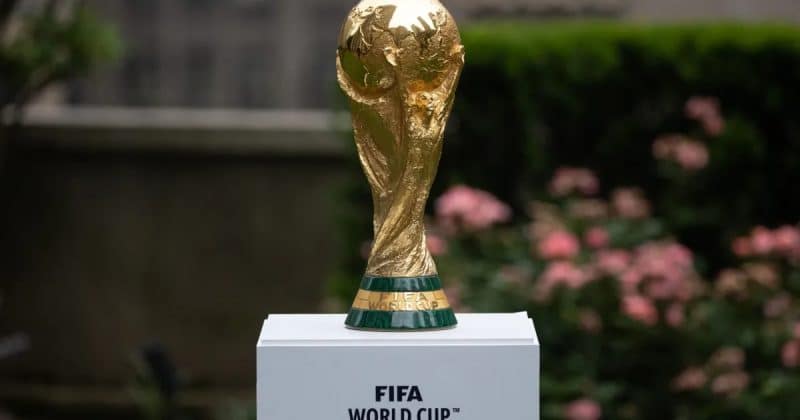
The 2026 FIFA World Cup isn’t just bigger. It’s structurally different in ways that will keep managers up at night with a calculator.
With the tournament expanding from 32 to 48 teams across the United States, Canada, and Mexico, FIFA has introduced a format where 12 groups of four teams each feed into a Round of 32 knockout stage. The top two finishers from each group advance automatically, giving 24 teams a straightforward path. The remaining eight spots go to the best third-place finishers across all 12 groups, meaning four third-place teams go home while eight survive. That distinction will be decided by tiebreaker criteria that could turn a single yellow card into a tournament-ending event.
How the third-place ranking actually works
Here’s the thing about finishing third in a four-team group: it’s not inherently terrible. In a format with 12 groups, two-thirds of all third-place teams still advance.
FIFA’s tiebreaker system for ranking third-place teams operates like a cascading series of filters. Points come first, which is obvious. After that, goal difference separates the pack. If teams are still level, total goals scored becomes the deciding factor.