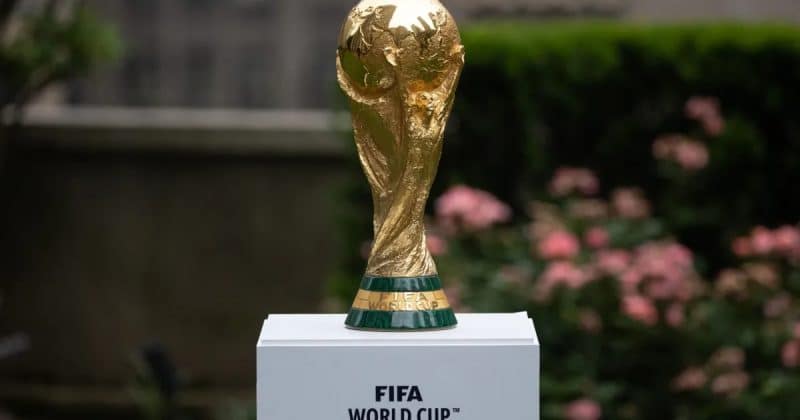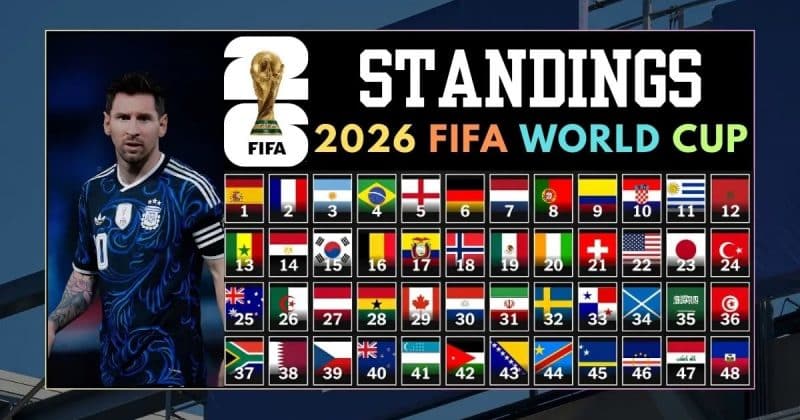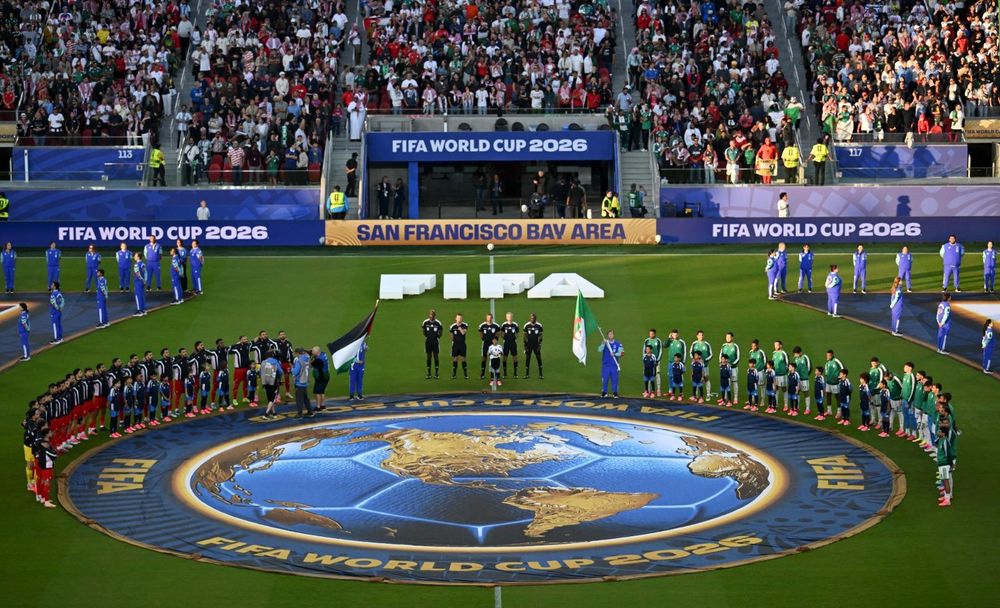
The 2026 FIFA World Cup in North America represents a fundamental shift in tournament architecture. For the first time in history, 48 teams compete in 16 groups of three, fundamentally altering the statistical landscape of knockout qualification. Early group stage results are already revealing surprising patterns that challenge conventional wisdom about tournament dynamics.
With matches like Spain's demolition of Saudi Arabia (4-0), Netherlands' 5-1 victory over Sweden, and the shocking 0-0 stalemate between Belgium and Iran already in the books, the data tells a compelling story: the expanded format hasn't increased upset probability—it's redistributed it in ways that favor underdog advancement while simultaneously making dominant performances more consequential.
The Format Change: A Statistical Reset
The transition from 32 to 48 teams with group-stage reform creates unprecedented dynamics. Previously, groups of four meant teams faced three opponents. Now, with groups of three, each team plays only two matches—a 33% reduction in sample size for qualification determination.
Let's examine what this means mathematically: