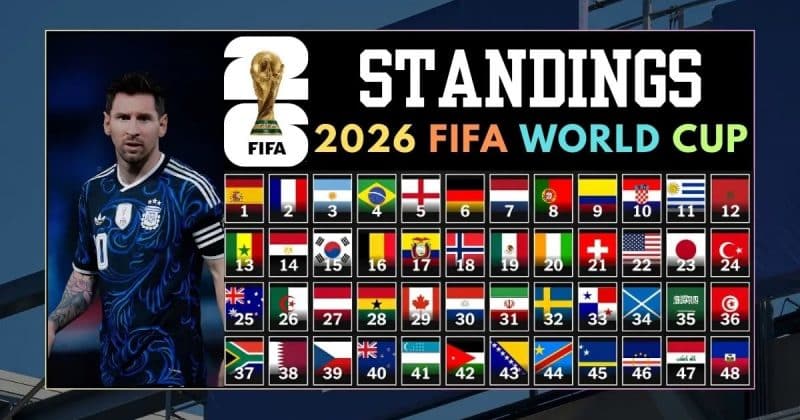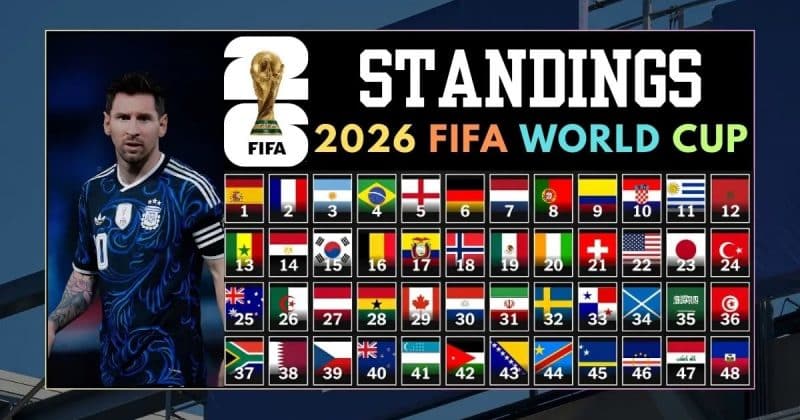
The 2026 FIFA World Cup in North America is reshaping one of sports' most fundamental probabilities: the likelihood of a "Cinderella story" advancing from the group stage. For the first time in the tournament's history, we have a 48-team format split into 16 groups of 3, where the top 2 teams advance. This structural change—seemingly innocuous on the surface—has profound implications for upset probability that we can quantify using basic combinatorial analysis and historical performance data.
The early matches bear this out. Through the first round of group play, we've already witnessed narrative-defining results: Norway's 3-2 upset over Senegal, Jordan's spirited 2-1 loss to Algeria, and Tunisia's shocking 0-4 capitulation to Japan. But beyond the headlines, there's a mathematical story unfolding that should fascinate any sports analytics professional.
The Format Change: Why 16 Groups of 3 Matters More Than It Seems
Let me establish the baseline. In the traditional 32-team format (8 groups of 4), advancement probability followed a relatively predictable pattern:
Probability of a top-seeded nation advancing: ~95%