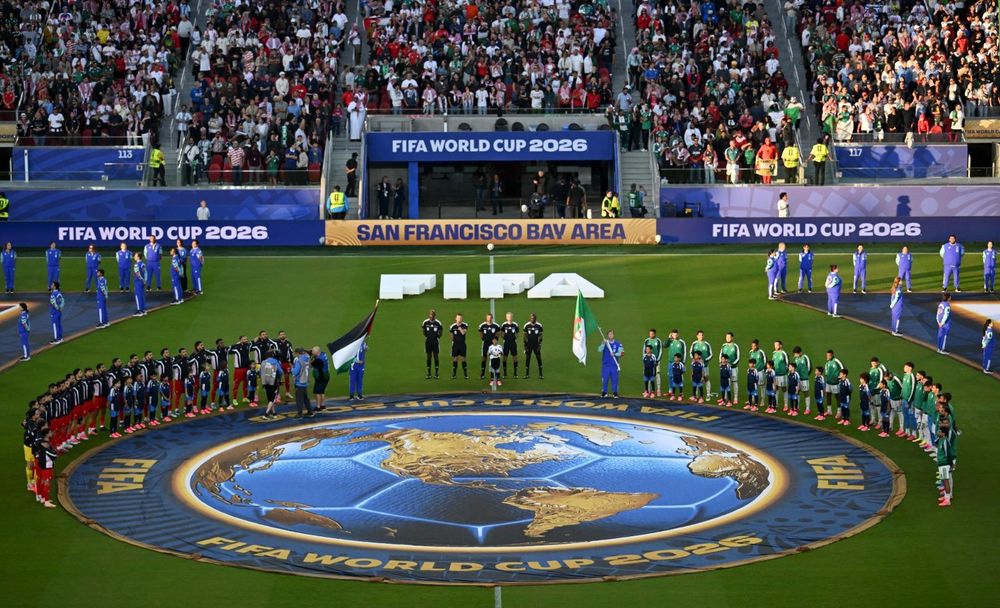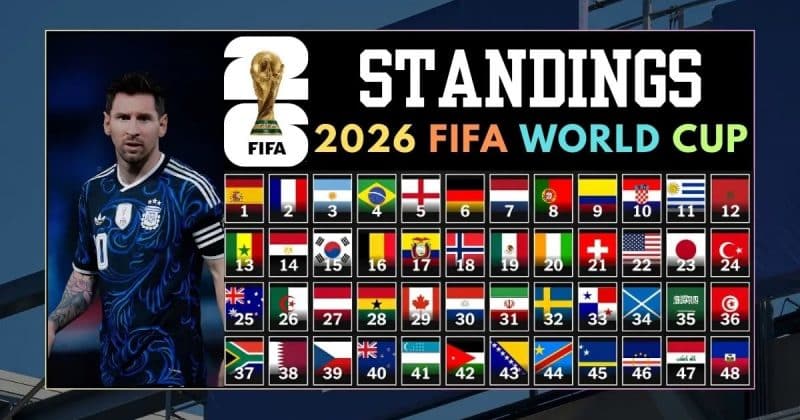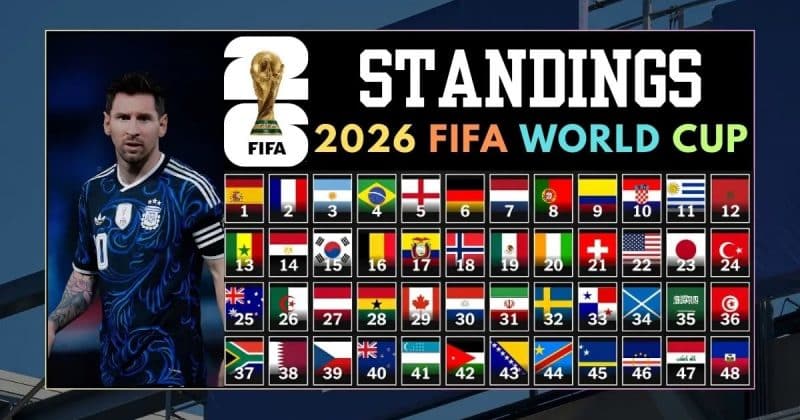
FIFA’s biggest World Cup ever is also its most controversial. The 2026 tournament, expanded from 32 to 48 teams, was designed to be more inclusive and more competitive. Instead, it’s drawing fire from fans, analysts, and academics who worry the format still carries the very risks it was built to eliminate.
The core concern: the final round of group-stage matches could incentivize teams to collude. It’s a problem as old as international soccer itself, and one that FIFA’s format gymnastics have not fully solved.
The format, explained
Here’s how the 2026 World Cup is structured. Forty-eight teams are divided into 12 groups of four, producing 72 group-stage matches. The top two teams from each group advance, along with the eight best third-placed finishers, creating a 32-team knockout bracket.
This wasn’t the original plan. FIFA initially proposed 16 groups of three teams each. In English: fewer games per group, faster resolution, but a massive structural flaw.