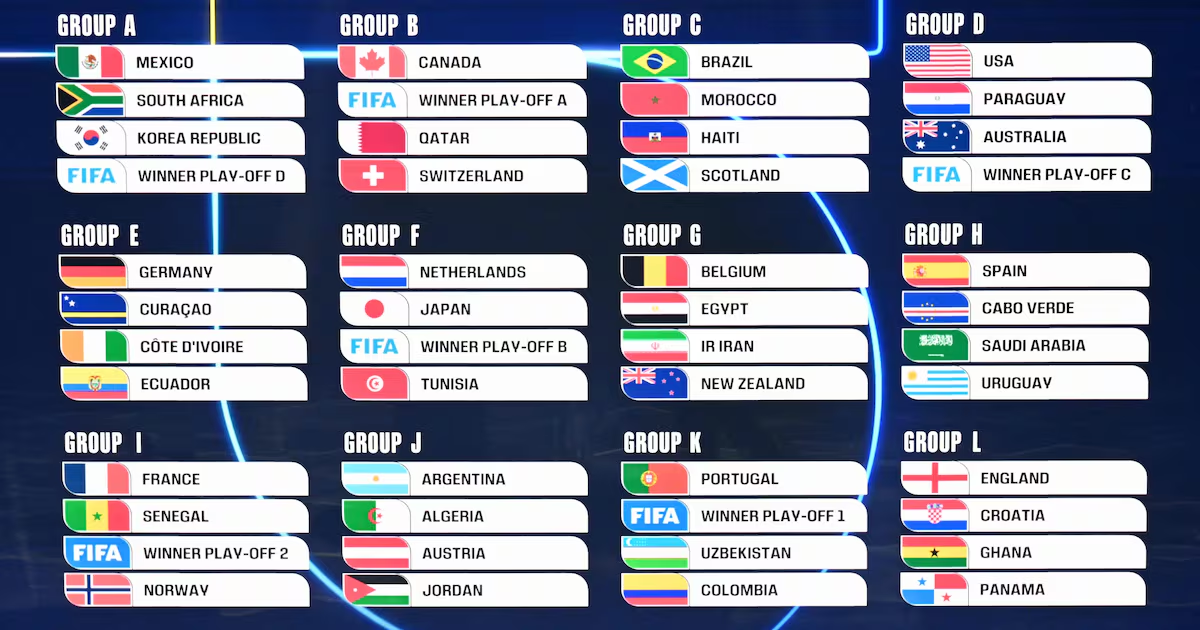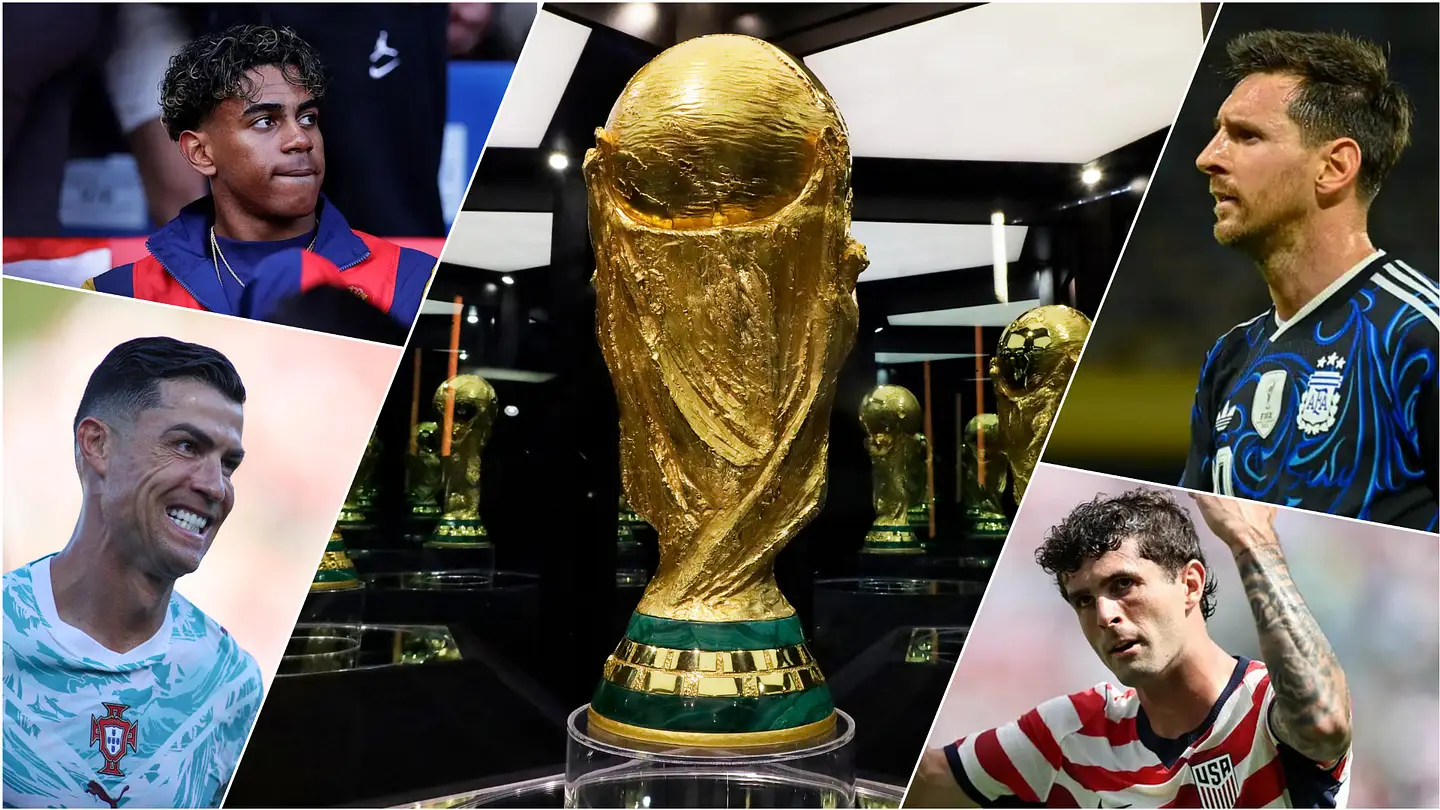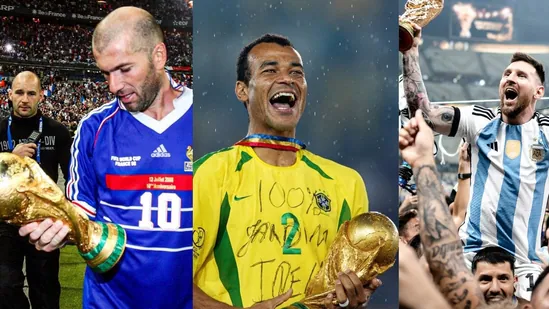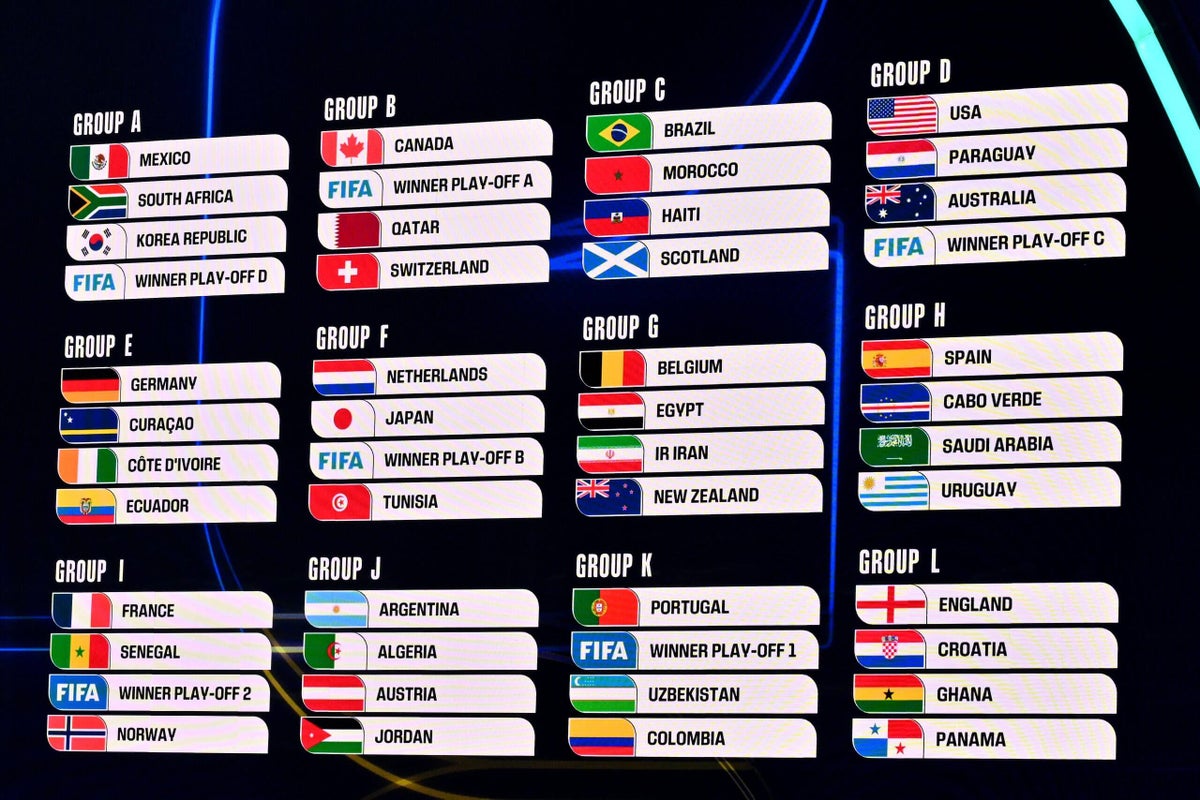
The World Cup is larger than ever, with the 2026 edition expanding from 32 to 48 nations.Not only did the tournament revamp increase the number of games from 64 to 104, but it also changed the format.The previous 32-team formula, which ran from 1998-2022, began with a relatively straightforward group stage. Consisting of eight different four-team groups, the top two nations from each section advanced to the last-16 stage, with the remaining 16 sides eliminated.Adding a further 16 nations has resulted in four more four-team groups, with the top two sides in each of the 12 groups progressing to the round of 32 — an additional knockout round to accommodate the expansion.All 12 nations who rank fourth in their group will be automatically eliminated.However, there are an additional eight knockout spots for teams who finish third in their group.The eight highest-ranked third-place teams will advance, with group points won the first factor considered. If points are equal, goal difference will be used to determine rankings and if this is the same, then the team with the most goals scored will rank higher.If any teams are still tied after these criteria are applied, then the team with the best ‘fair play’ disciplinary record — ie, the fewest yellow and red cards — will be used.A yellow card counts for one point, an indirect red card (resulting from a second yellow card) is three points, a direct red is four points and a yellow plus a direct red card is five points. The team with the lowest points has the best ‘fair play’ score.If these numbers are the same for different teams, the side with the higher FIFA world ranking edges the tiebreak.The eight third-place sides that advance will be paired with eight group winners in the last-32 stage, with the four remaining group winners playing second-place teams and the remaining eight second-place sides paired with each other.
World Cup 2026 group stage explained: How teams can qualify for the knockout stage
Eight knockout-stage spots are reserved for teams who finish third in their group, determined by group-stage performance.
332 words~2 min read