Without a credible “shock plan” to accelerate European competitiveness, protection of critical sectors risks becoming a managed decline
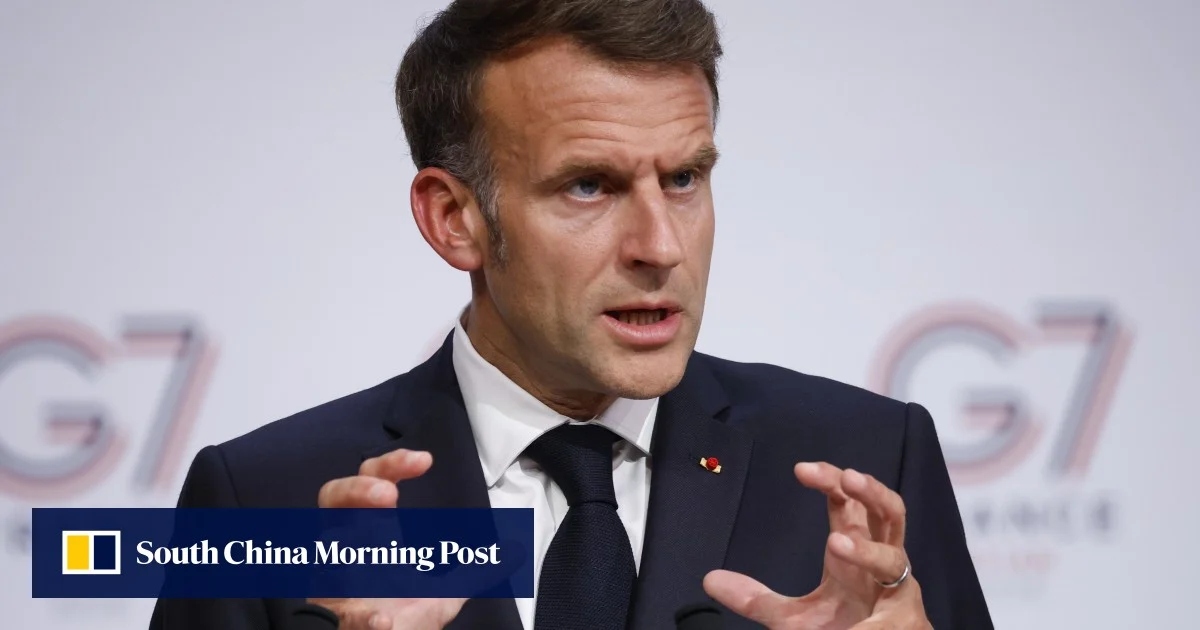
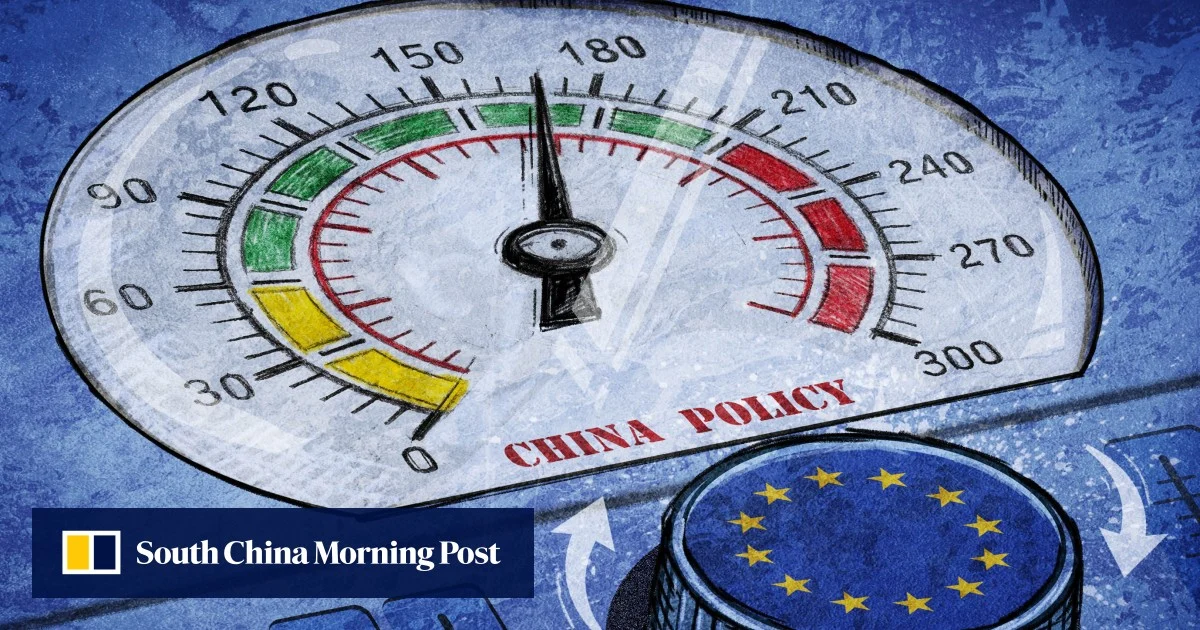
After more than two hours of discussion at the June European Council, EU leaders emerged with what looks like a mandate for the European Commission to strengthen the bloc’s defences against China’s overcapacity and unfair trade practices.
While the official conclusions remained deliberately vague – referring only to a “strategic debate on global macroeconomic imbalances” – reporting from the summit indicates that leaders tasked the Commission with developing new tools to address the problem, while also maintaining engagement with Beijing.
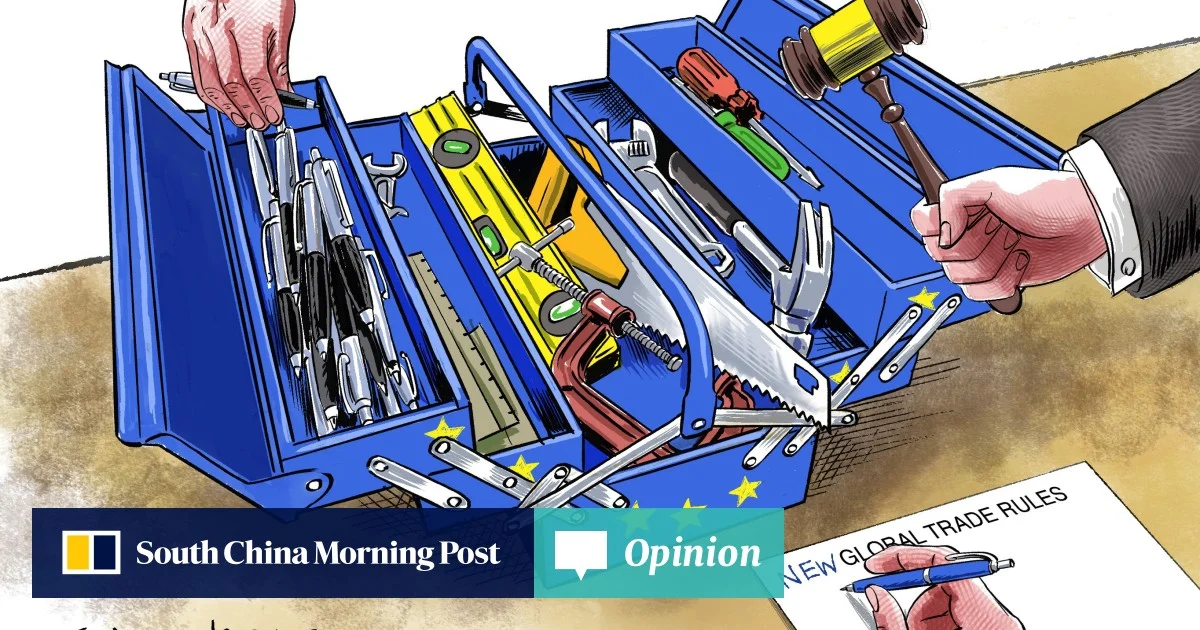
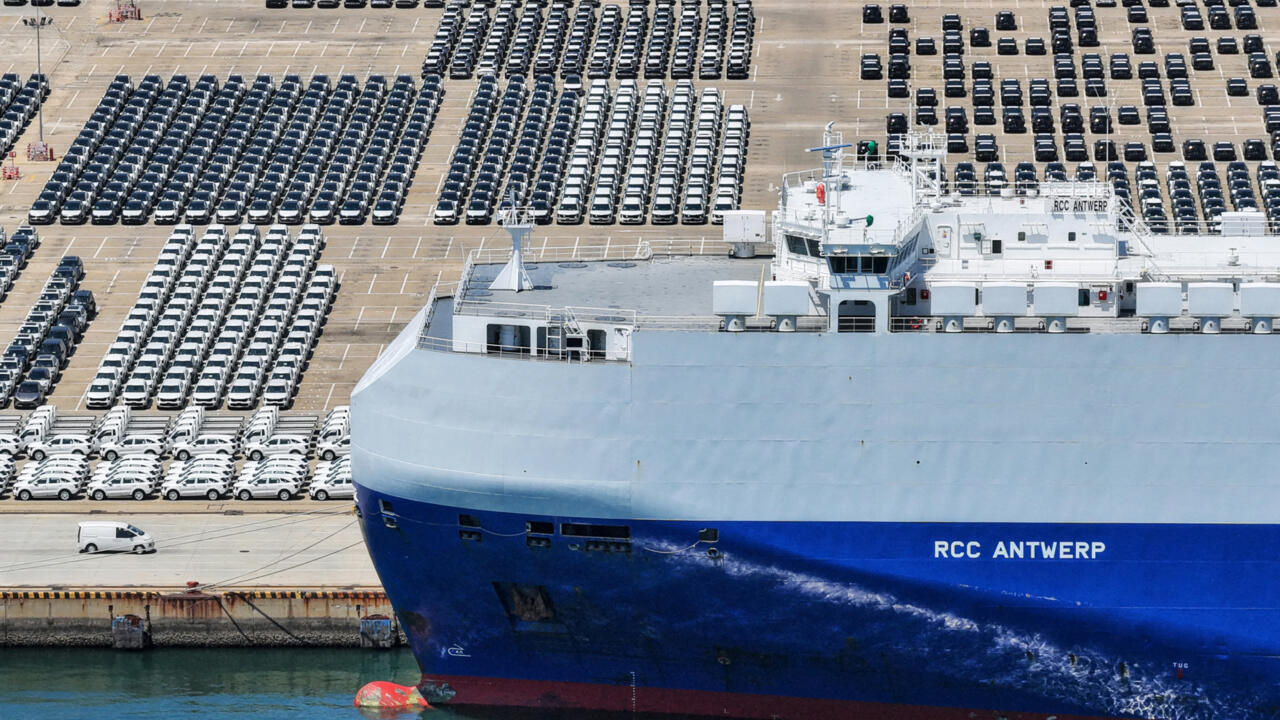
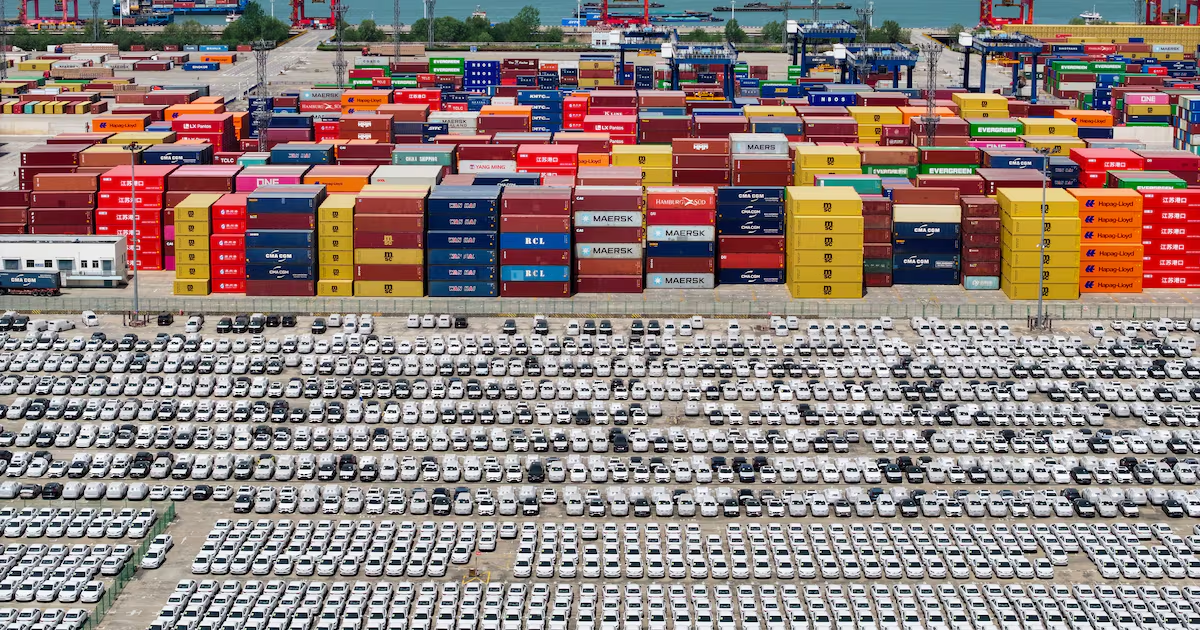
This represents a step forward from pure diplomatic ambiguity. For months, Brussels has been preparing measures such as the Industrial Accelerator Act and potential new instruments to counter Chinese overcapacity in electric vehicles, batteries, steel and other sectors. The Council appears to have given political cover for the Commission to move ahead with concrete proposals over the summer.
German Chancellor Friedrich Merz was particularly blunt, stating that China was “flooding markets” through “high subsidies” and that “subsidising overcapacities” combined with a “currency that isn’t convertible freely” was “not acceptable”. He even floated the idea of “Plaza Accord”-style talks on the yuan. Such language from Berlin marks a notable hardening and gives the Commission more room to act.