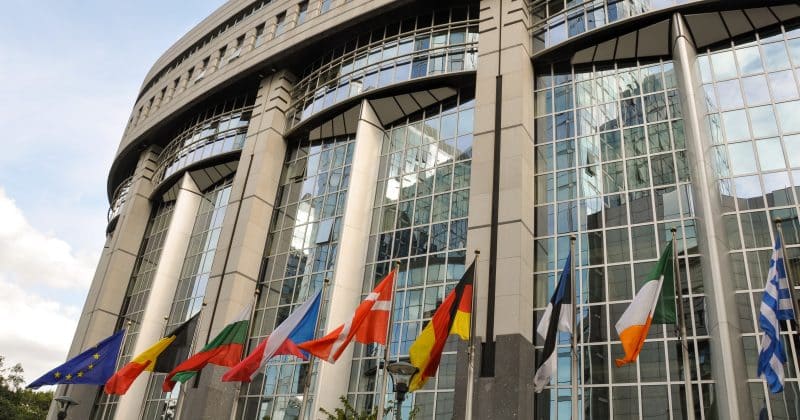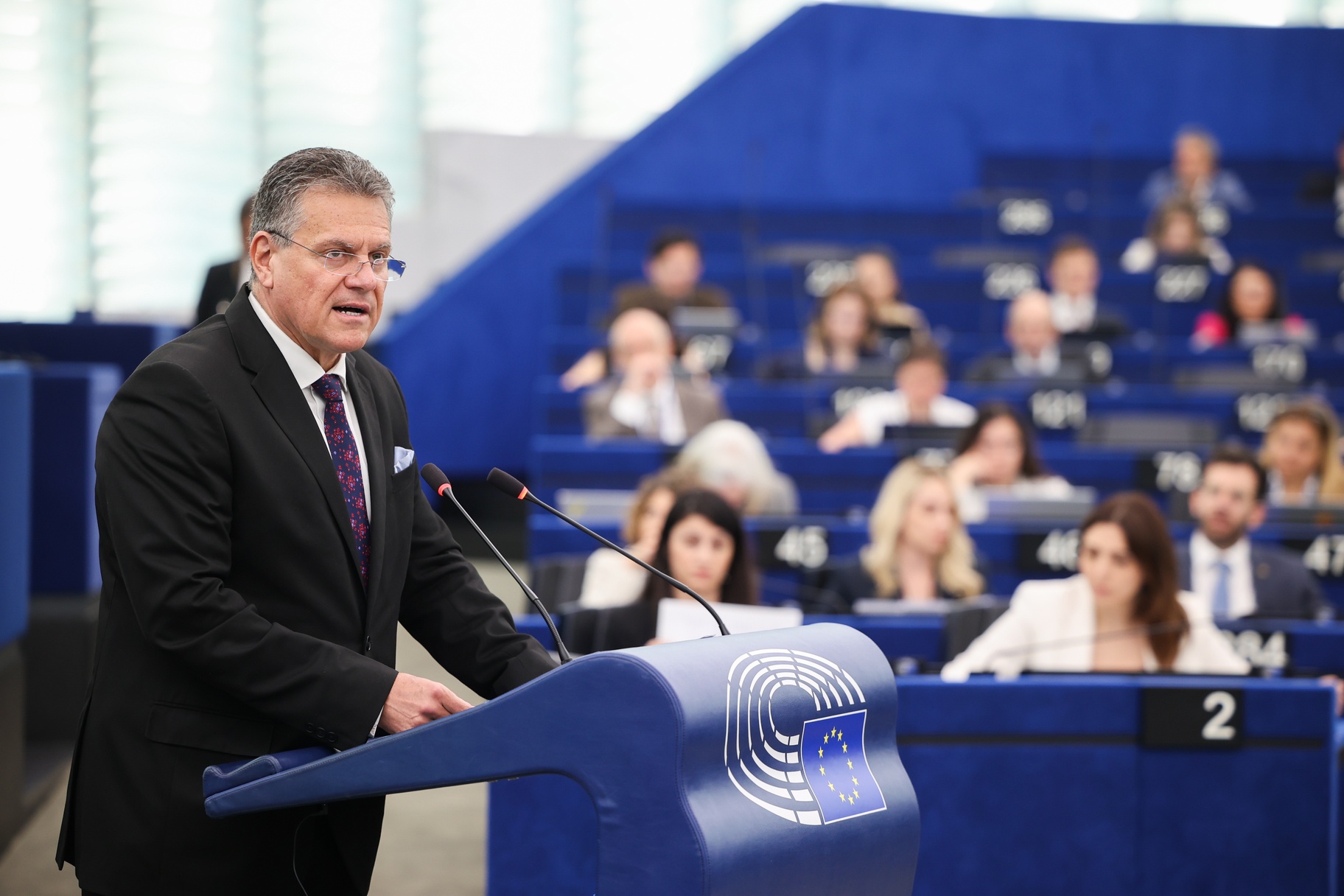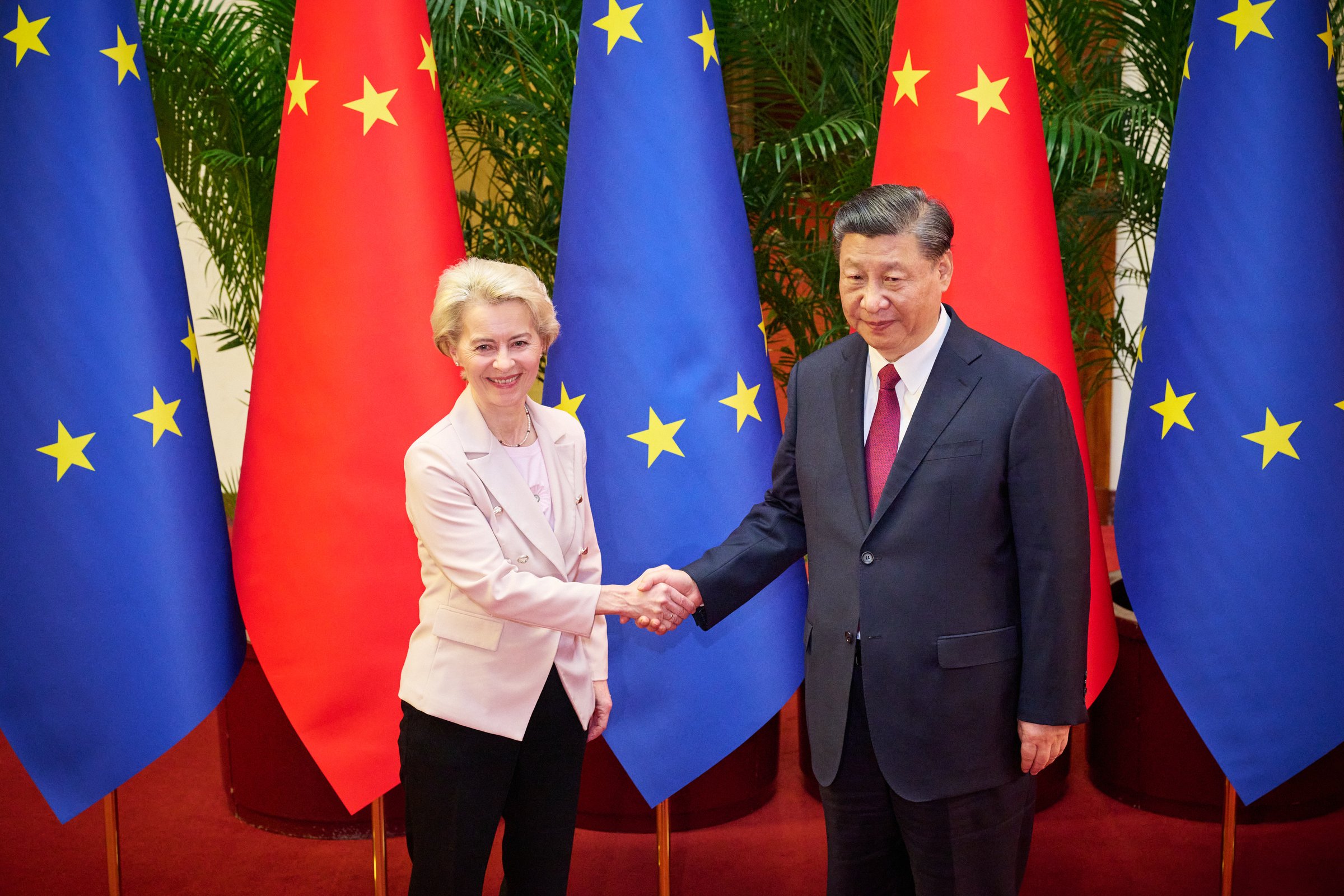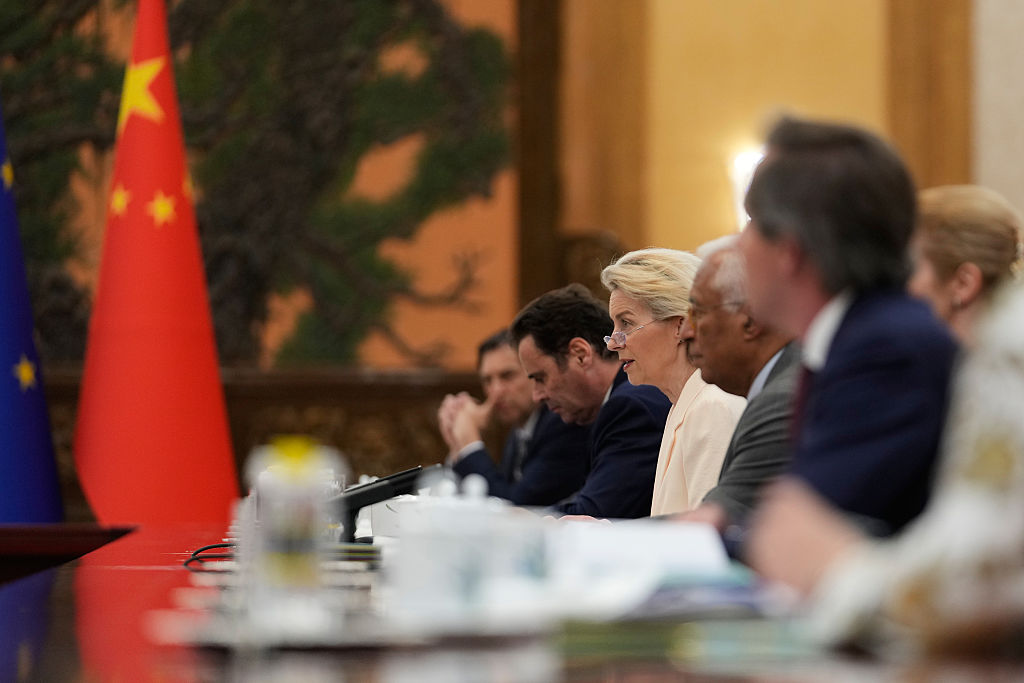
When EU leaders gathered in Brussels on June 18-19, their agenda was packed with the bloc’s long-term budget, regional conflicts in Ukraine and the Middle East, and global trade frictions. Although China was not explicitly named in the final European Council conclusions, the leaders’ discussions on “global macroeconomic imbalances” probably referred to the bloc’s fraught economic ties with Beijing.
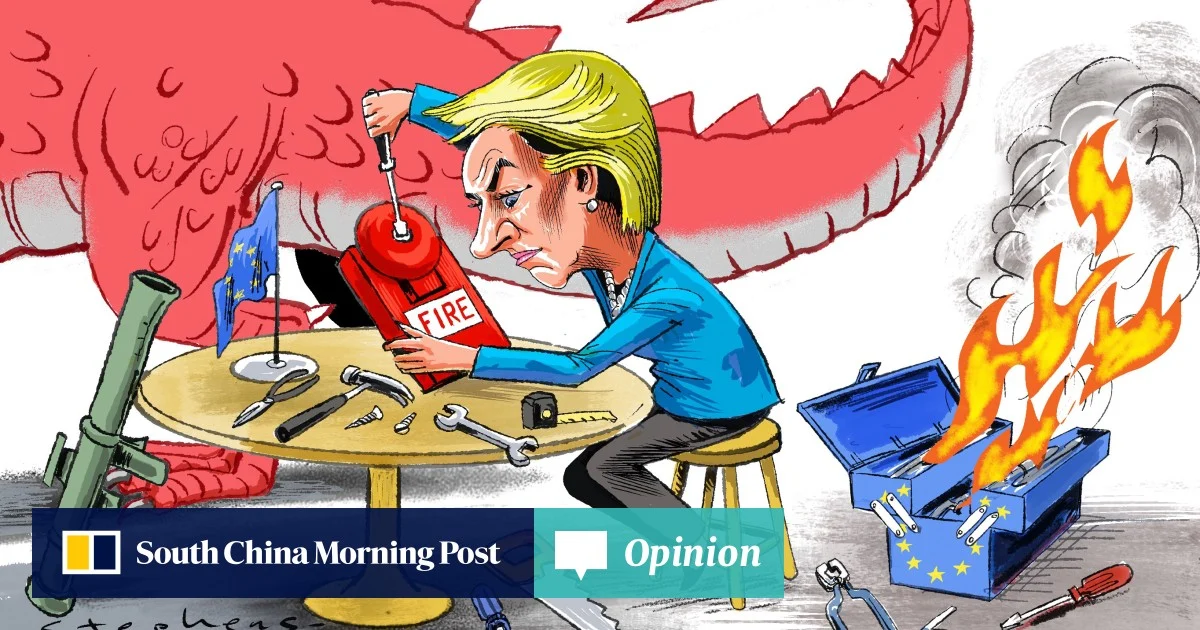
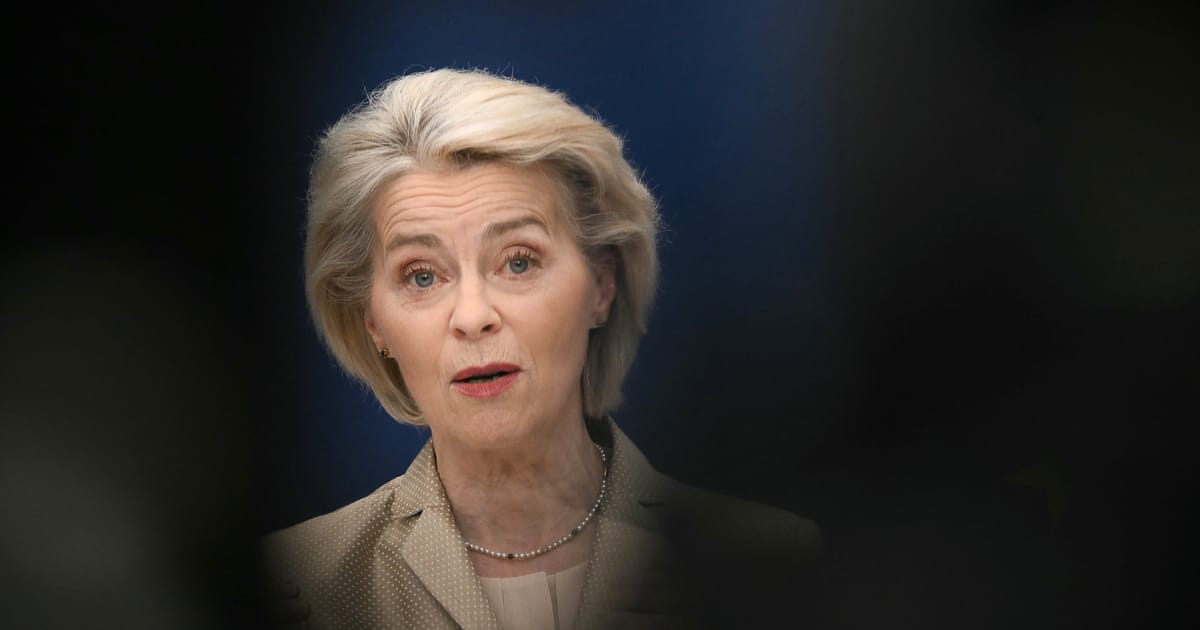
The summit yielded an ambivalent mandate. EU leaders called on European Commission President Ursula von der Leyen to maintain dialogue with key economic counterparts, while simultaneously urging an evaluation of the EU’s trade defense toolbox to design new regulatory instruments.
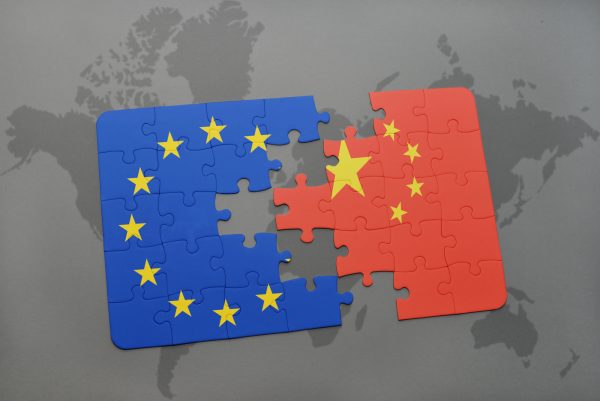
This leaves China-EU relations suspended in a familiar state of friction. Brussels’ bifurcated policy toward Beijing, which simultaneously pursues diplomatic engagement while clamping down on specific aspects of the economic relationship, is set to continue. Crucially, the summit offered no indication of a broader, unifying strategic framework to make this dual-track policy predictable. This lack of a coherent EU approach, compounded by member state policy oscillations, structurally caps what Brussels can achieve with Beijing, as it erodes the strategic confidence needed to reach meaningful compromises.