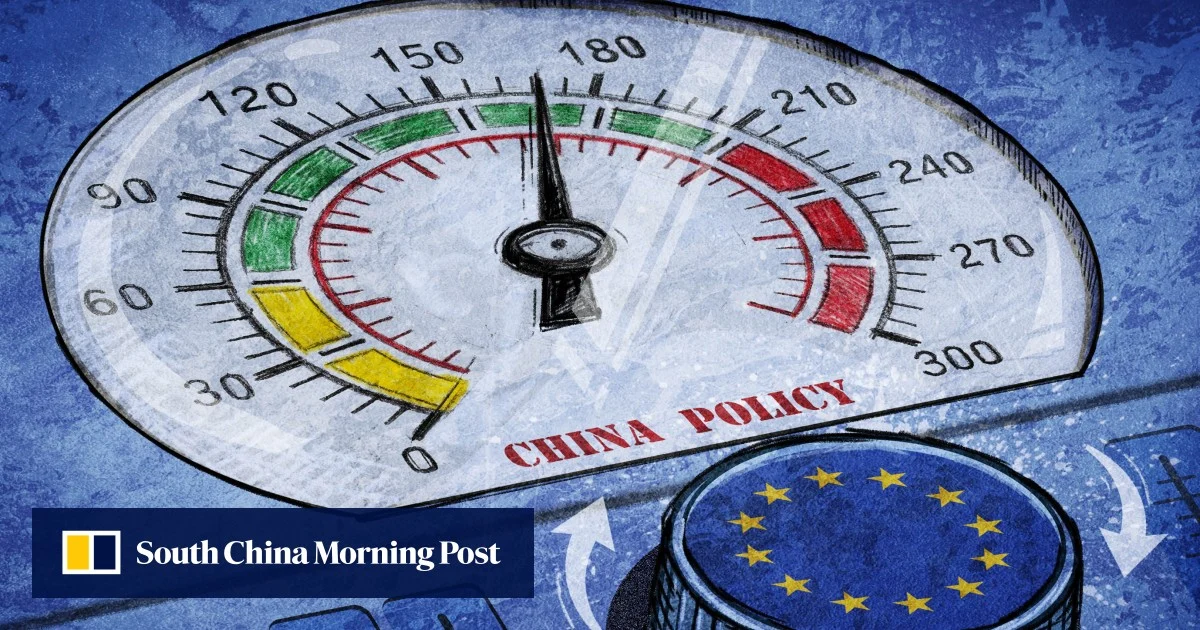
Europe stands at a crossroads in its relationship with China: cling to fragmented responses, or forge a bold, unified strategy. As dependencies deepen and industries strain, defending jobs, values, and sovereignty demands urgent, decisive action now.
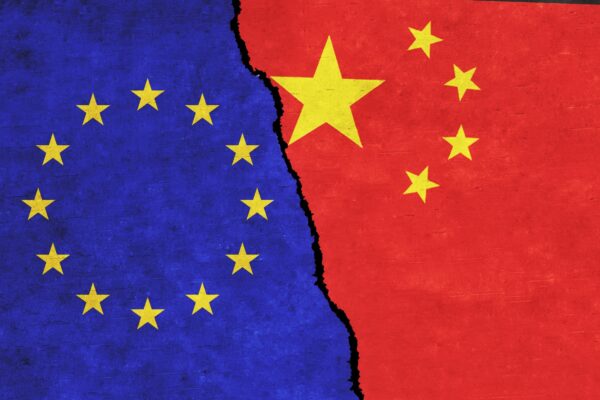
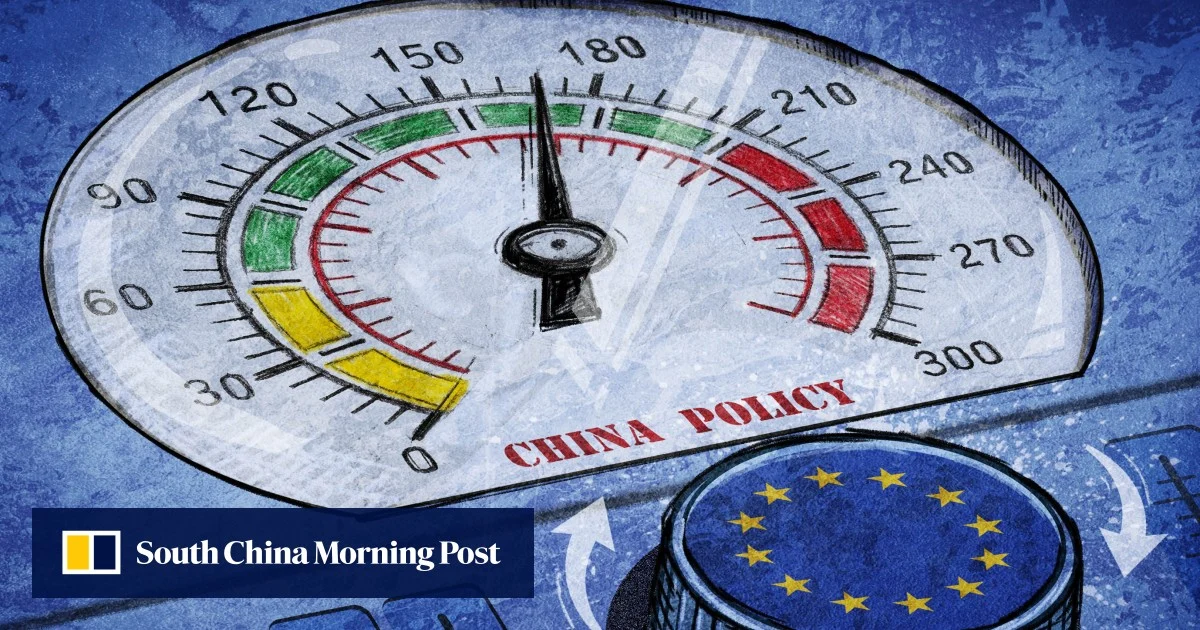
As EU leaders gather for the European Council on 18 June, the EU–China relationship is once again on the agenda. But repetition cannot substitute for strategy. Europe stands at a decisive moment: we must move beyond fragmented responses and agree on a coherent approach that defends our economic interests while upholding our core values — social progress, human rights and democracy.
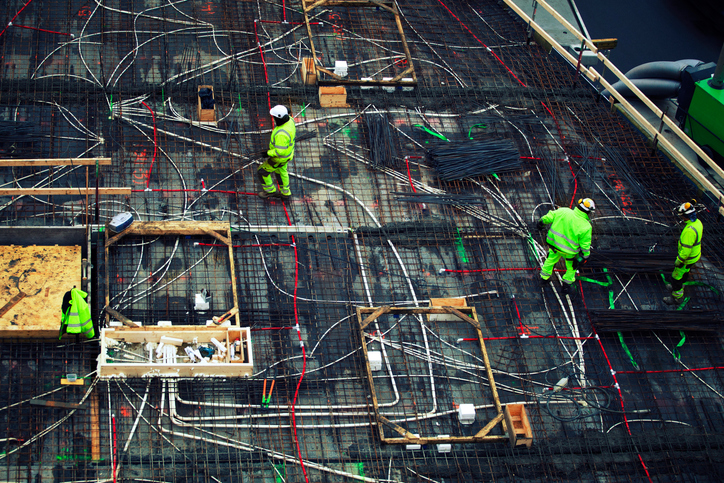
Trade unions are clear: Europe needs a genuine industrial strategy that strikes the right balance between economic security and balanced partnerships. This means equipping the EU with a robust toolbox — effective trade defence instruments, stronger screening of foreign investment, and clear conditionalities to ensure that openness delivers tangible benefits for Europeans, starting with good industrial jobs.
Recent crises have exposed the risks of complacency. From pandemic disruptions to export restrictions on critical raw materials, Europe has learned the hard way that strategic dependencies can be weaponised. Control over key inputs — rare earths, chemicals, advanced components — is no longer just an economic issue; it is a source of geopolitical power.