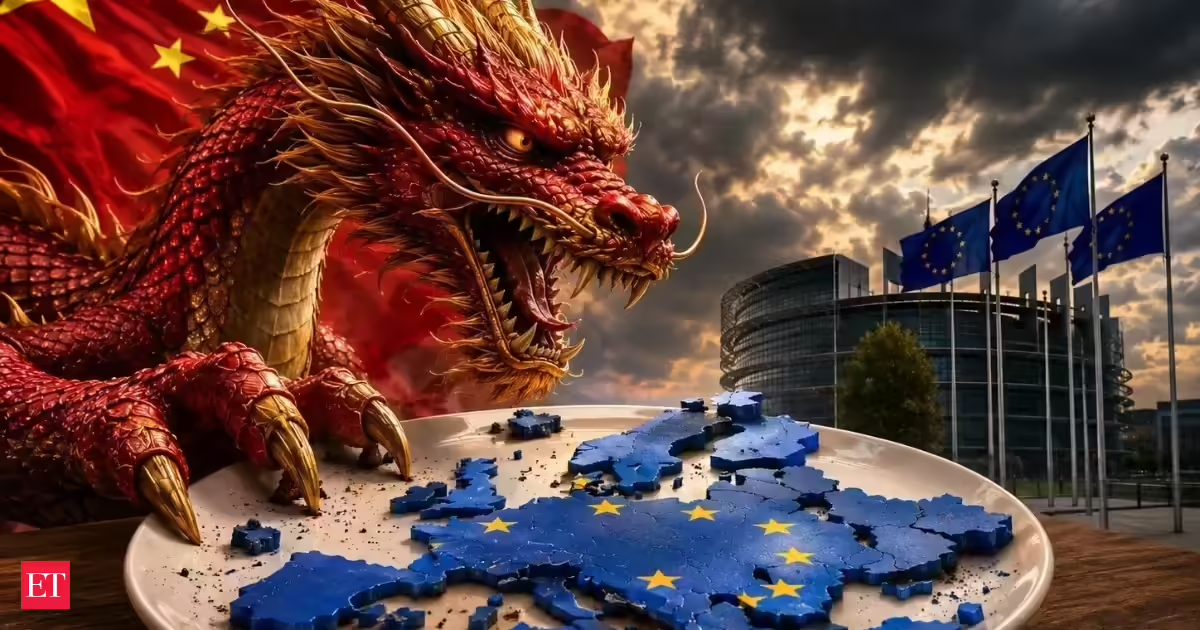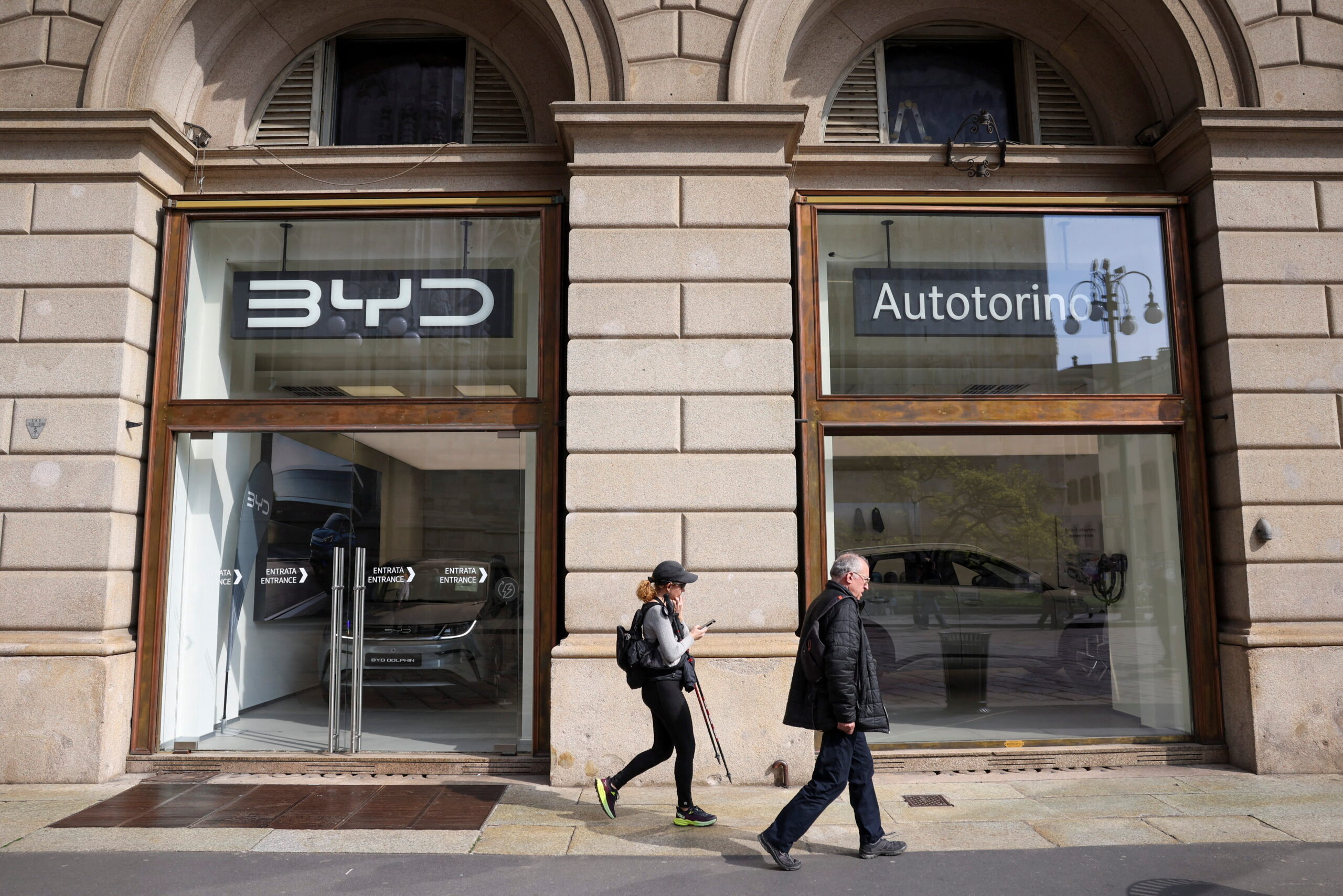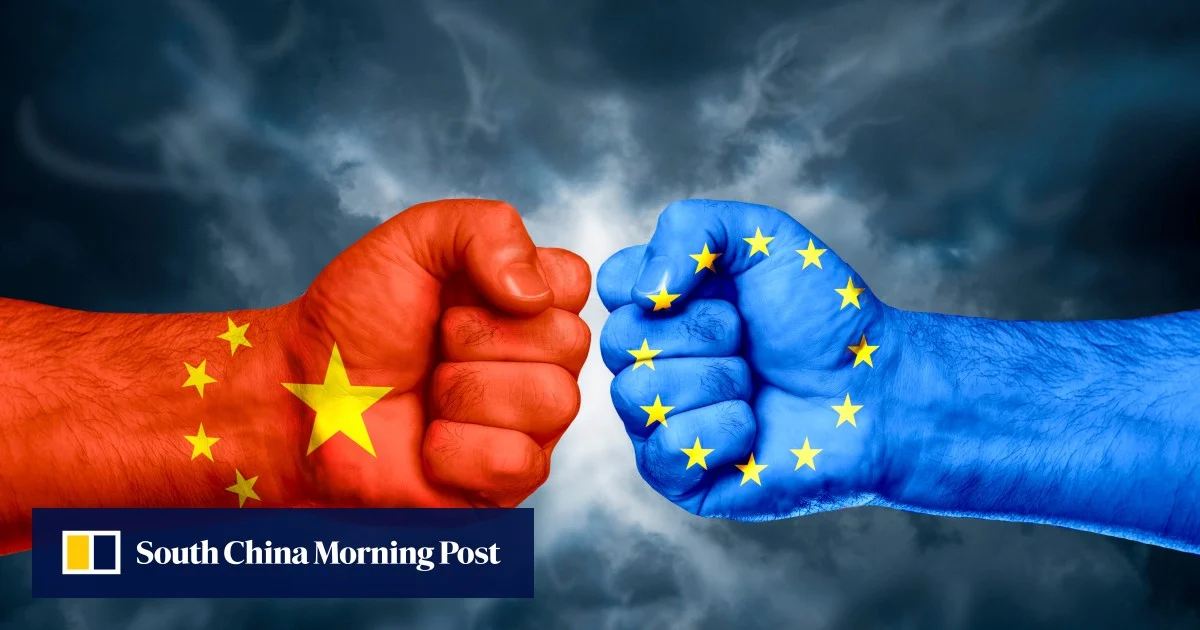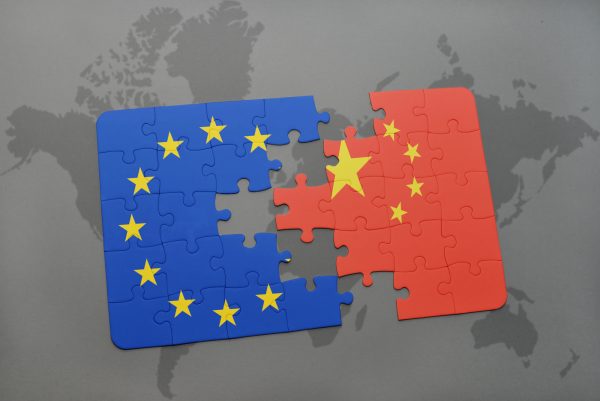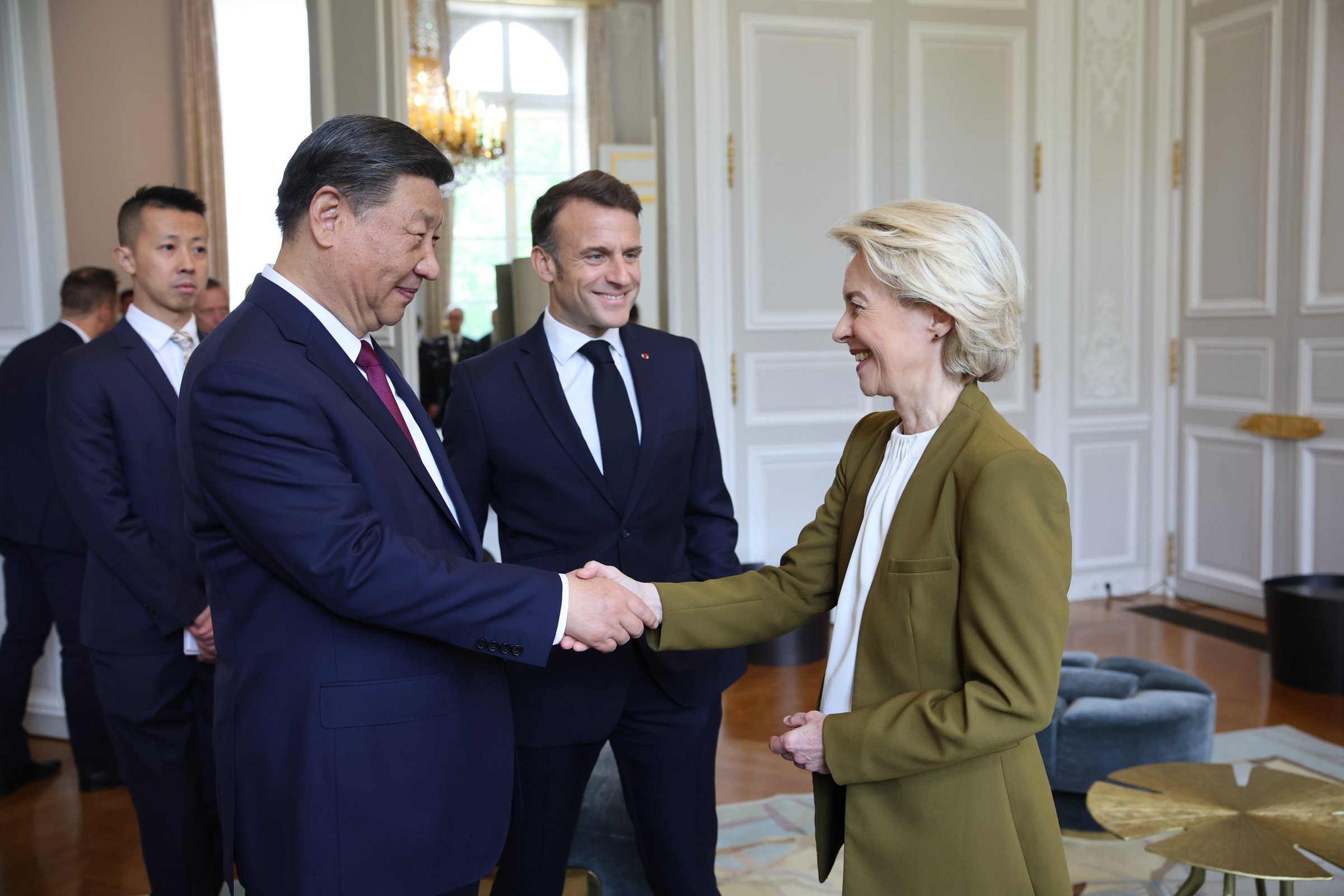
European leaders have developed quite a talent for talking tough on China. In June 2026, the dominant centre–right European People’s Party issued a statement decrying ‘naivety’ towards China’s long-term ambitions and calling for an upgrading of existing tools to combat China’s economic advance in Europe.
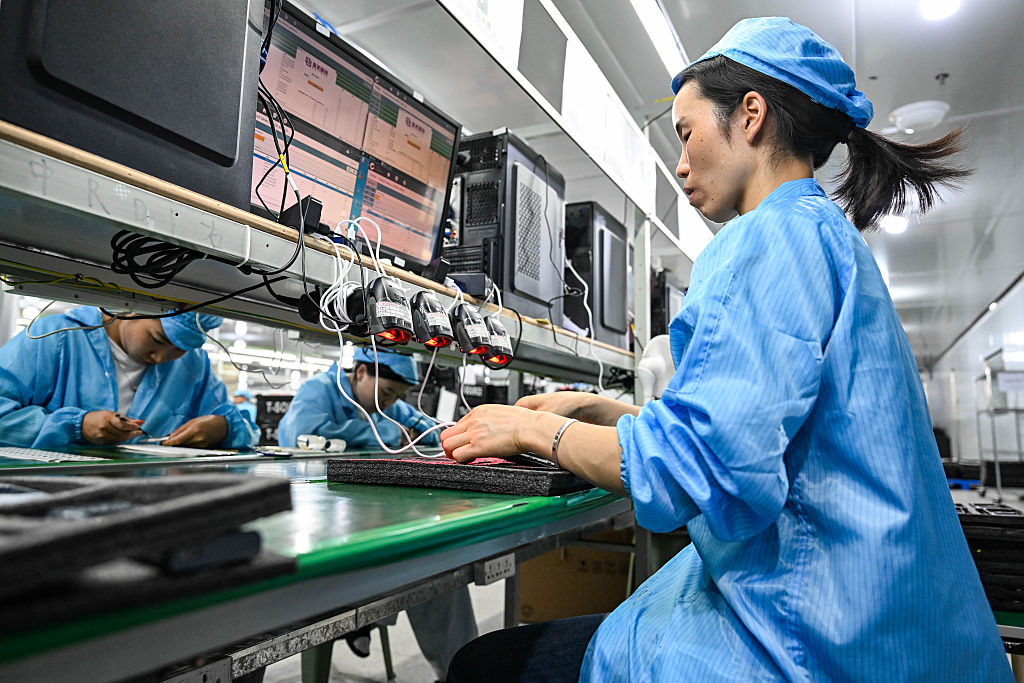
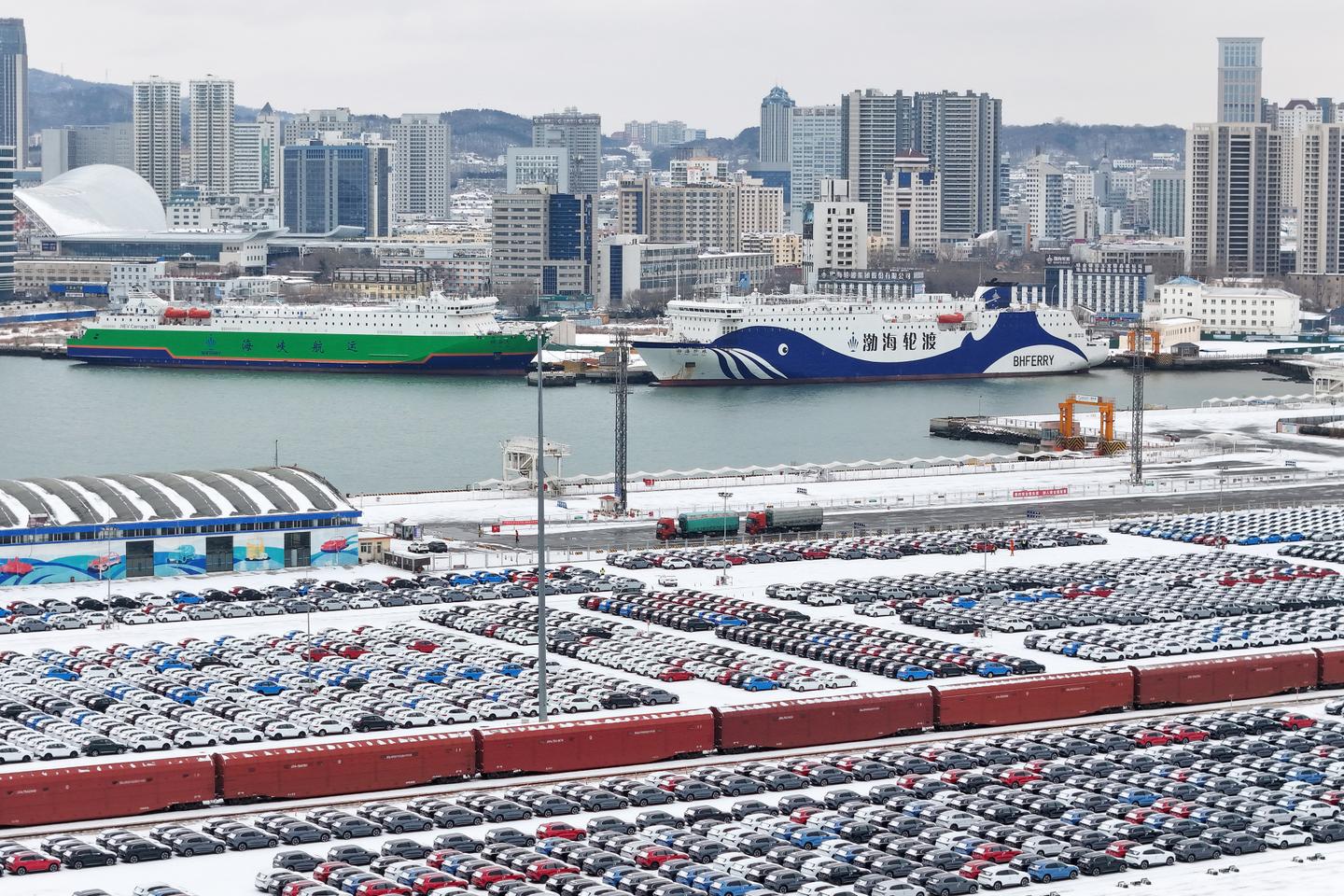
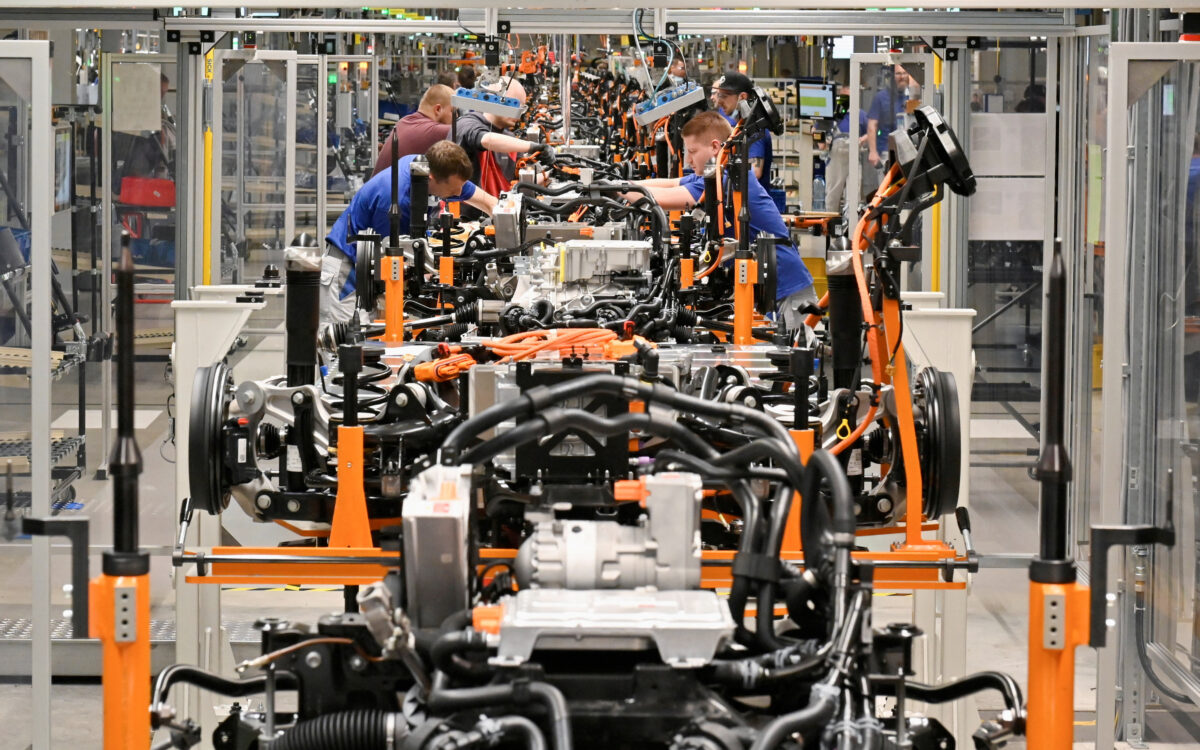
The problem, as Europe sees it, remains one of Chinese industrial ‘overcapacity’. In particular, Chinese manufacturing prowess is increasingly spreading to the most sophisticated goods, including the capital goods sector where German manufacturers have traditionally excelled. European firms are struggling to compete and job losses are expected to rival those of the first so-called ‘China shock’ in the American midwest. Given widespread state intervention in the Chinese economy, European policymakers are, in this manner of thinking, understandably frustrated that their national champions are generally less able to draw on state resources.
The view from Beijing is quite different. The plight of German manufacturers will elicit little sympathy from a country that — whatever one thinks of ‘overcapacity’ and industrial subsidies — has at least invested in green technology at a scale necessary to meet the challenge of climate change. German car manufacturers have had a quarter of a century or more to plan a transition to electric vehicle manufacturing and have failed catastrophically.