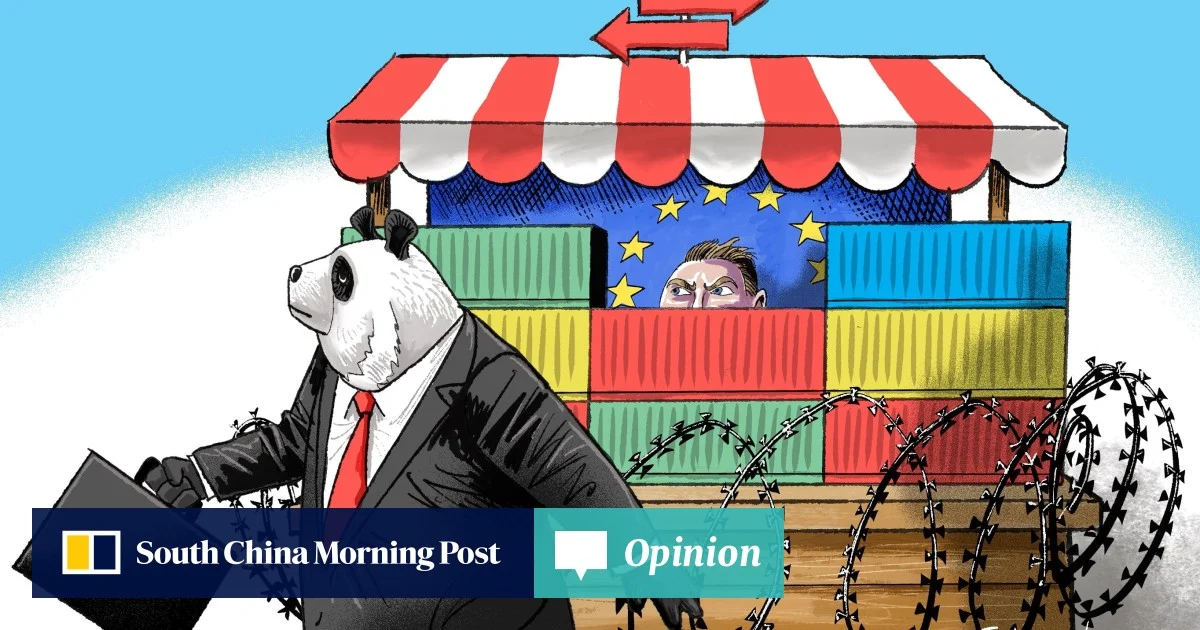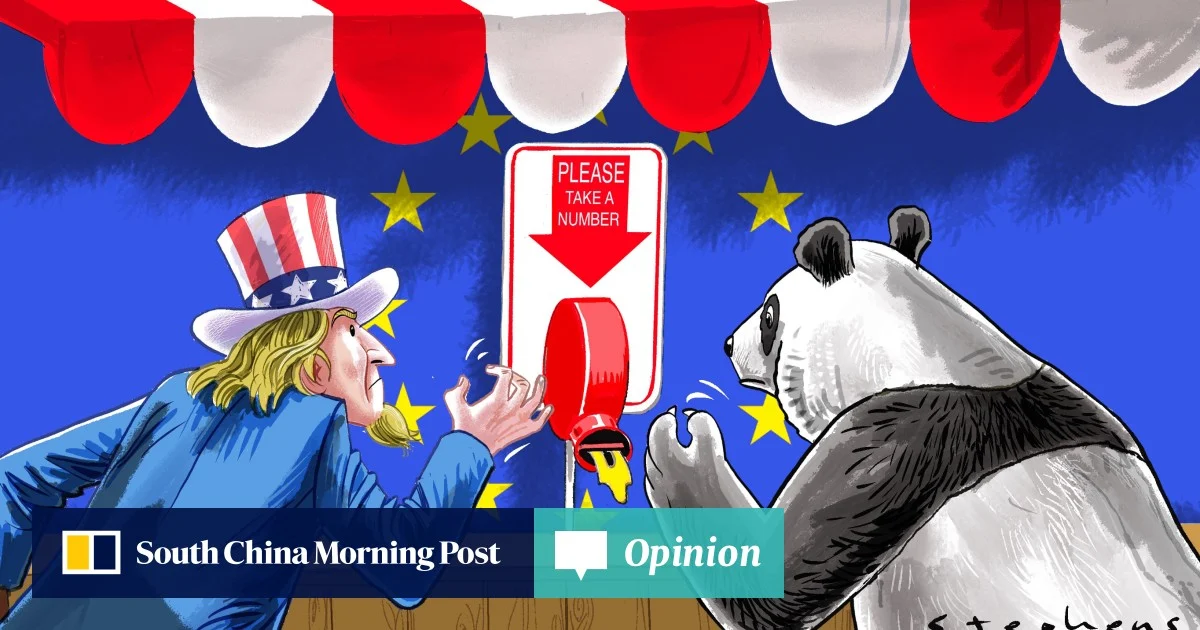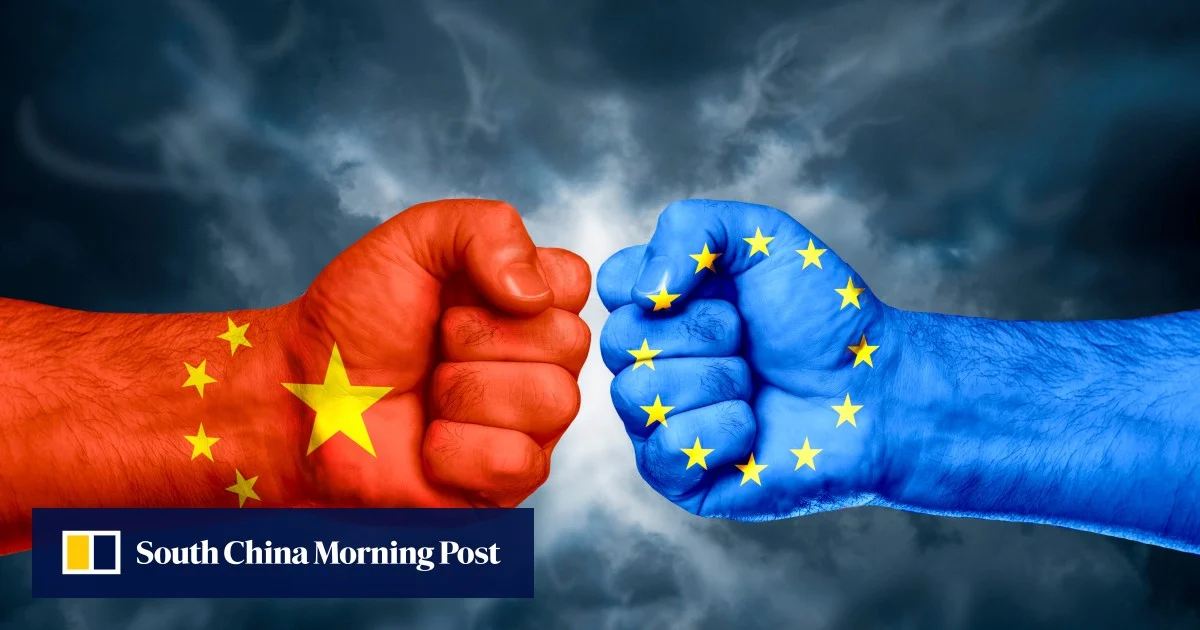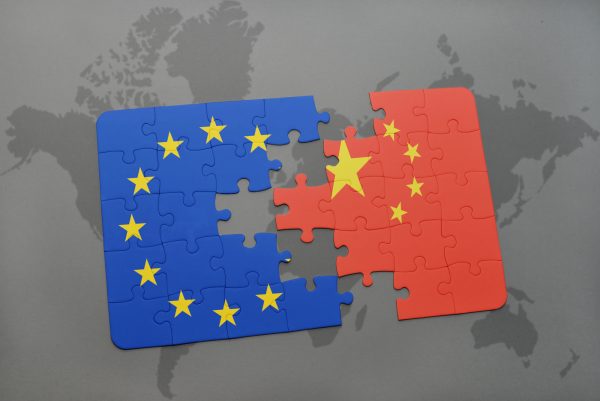
Europe’s China debate has long been shaped by the assumption that China’s power would continue to grow almost automatically and that this rise would lead to liberalization. When this did not happen, Europe thought it could get away with adapting and managing risks.
That’s no longer the case.
China is without question a heavyweight. It is an industrial power, a technology innovator and a geopolitical actor. But it is not the unstoppable giant many in Europe still take it to be. Behind the display of strength lie mounting structural pressures: an ageing society, a shrinking workforce, a deep property crisis, weak consumption, high debt and slowing growth. China’s population is becoming more pessimistic, saving rather than spending.
This vulnerability is not good news for Europe. If anything, China’s fragility is reinforcing political control at home and a more assertive posture abroad. Beijing seeks to reduce its own dependencies while deepening those of others.
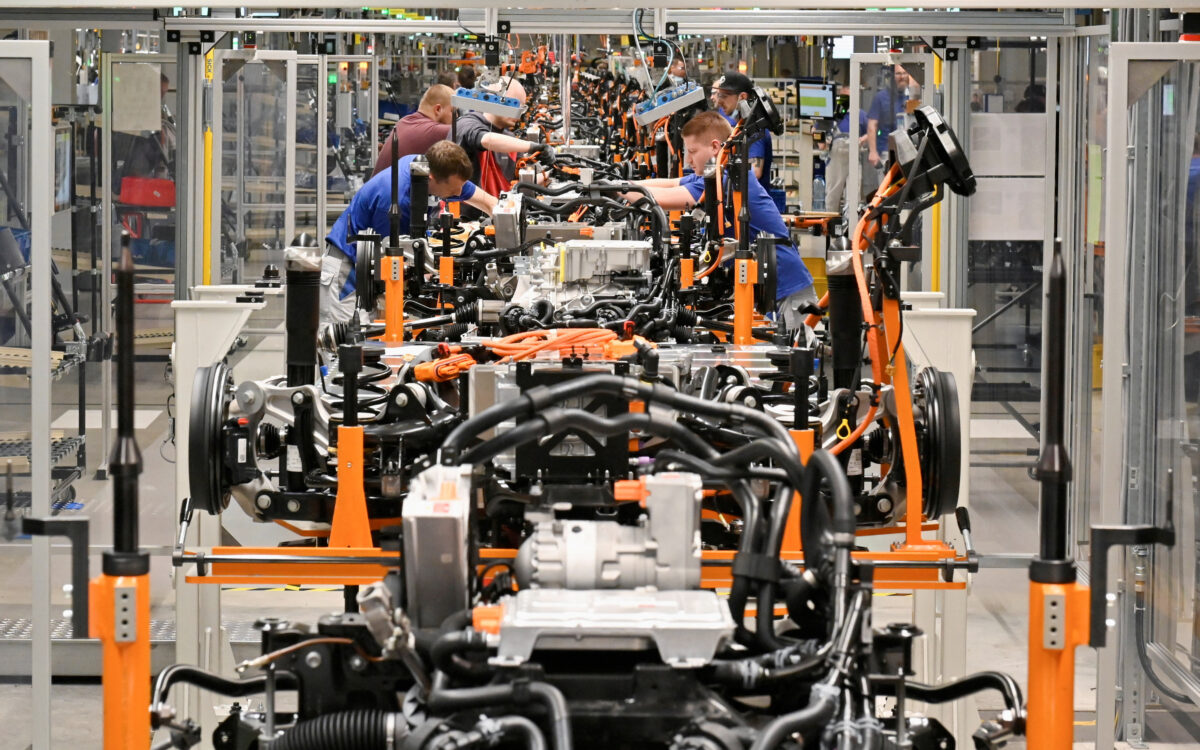
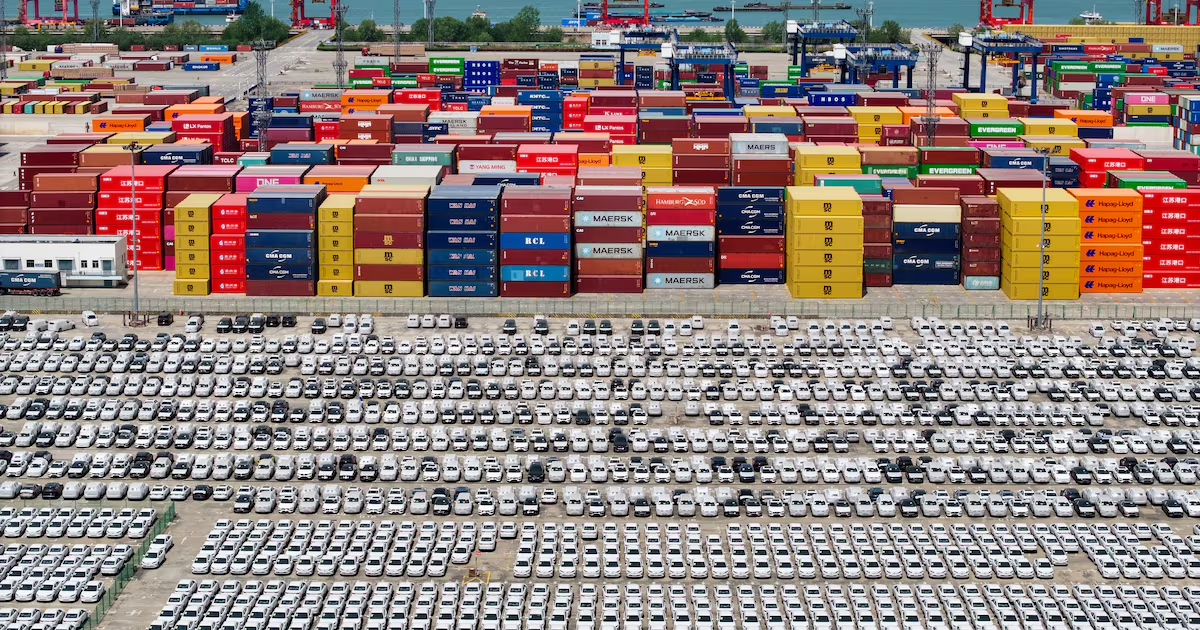
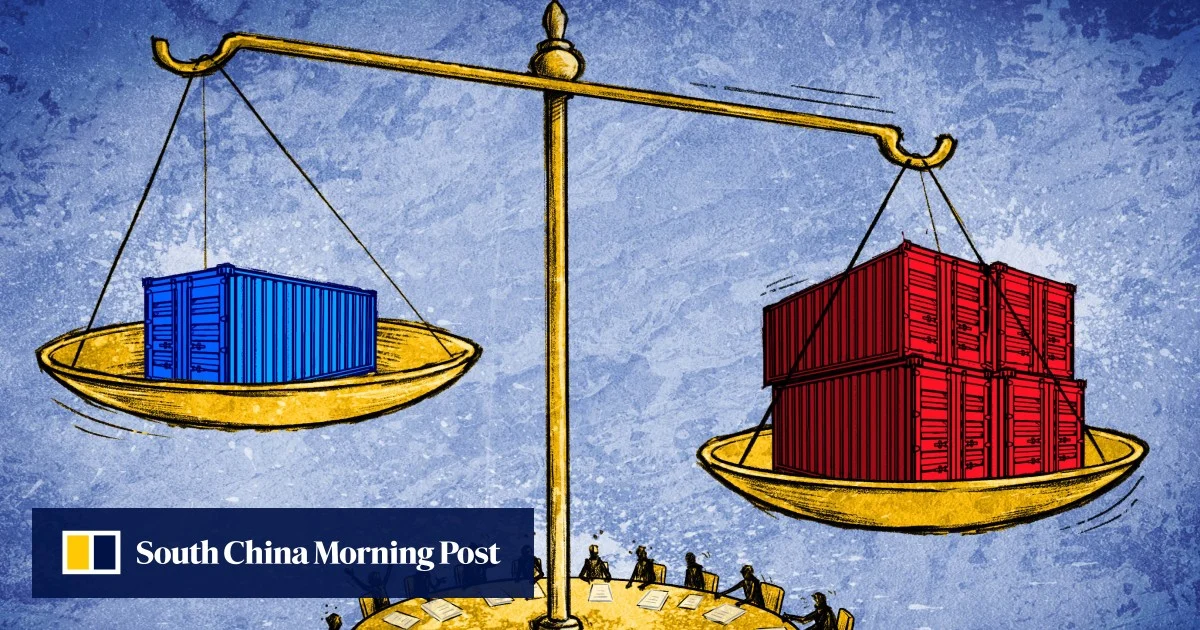
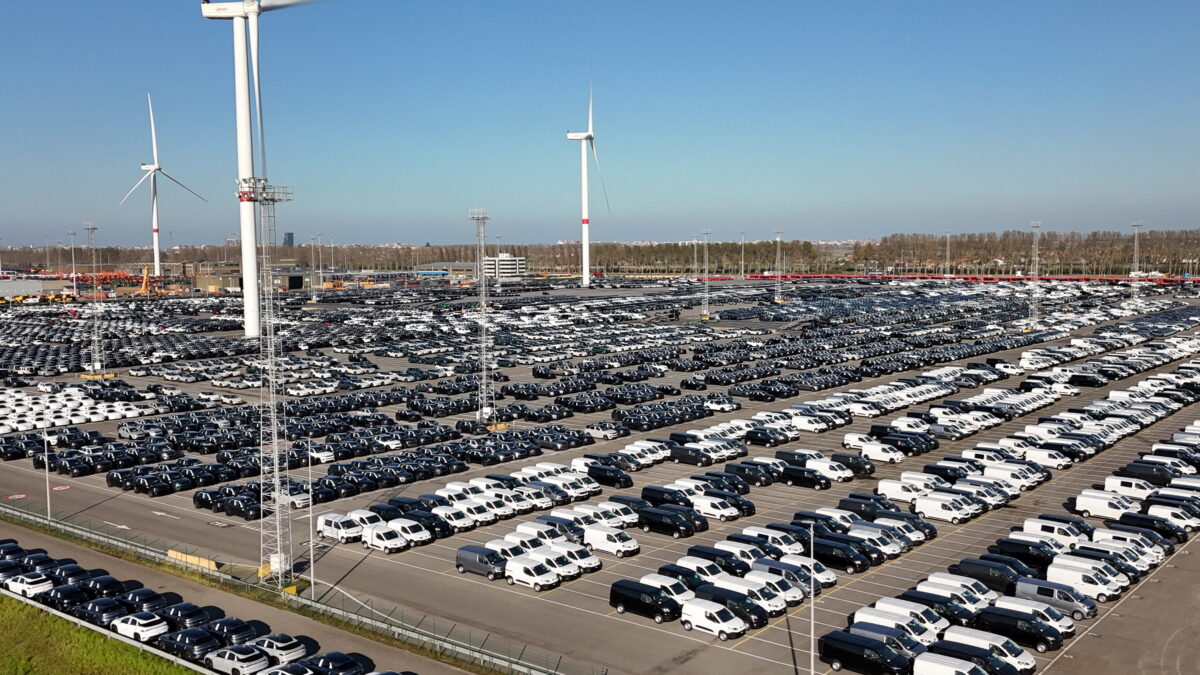
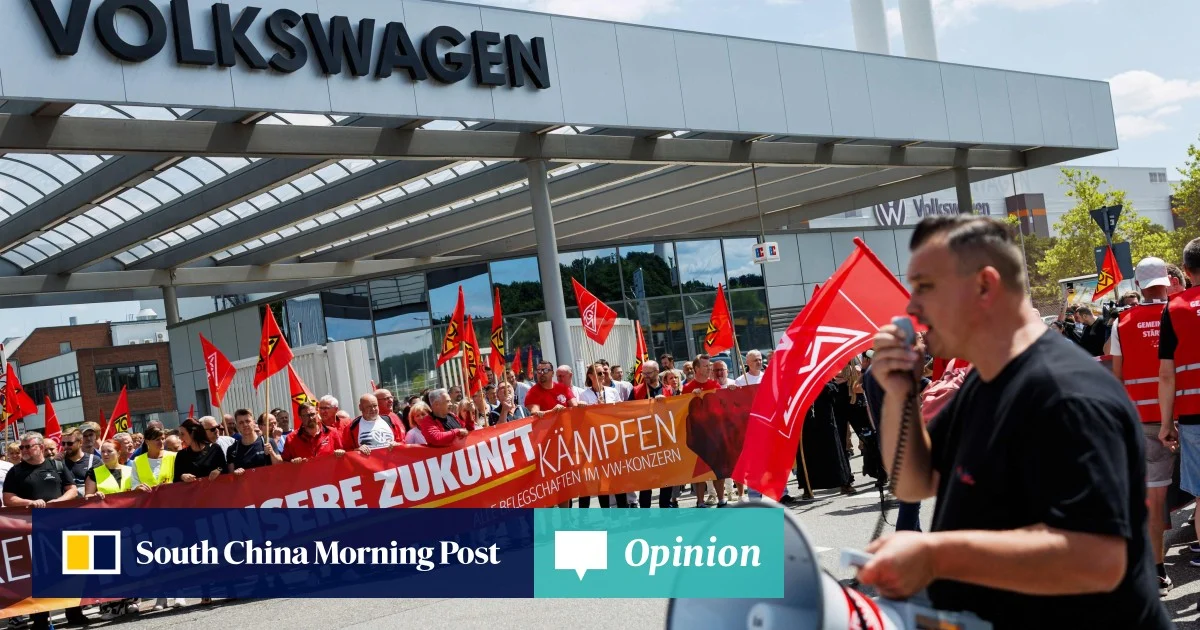
This has consequences for Europe. China’s weak domestic demand is pushing excess capacity abroad. Massive state backing, including subsidies, allows Chinese firms to pursue aggressive pricing wars, which threatens the competitiveness of non-Chinese manufacturers globally. As Beijing expands its industrial dominance, it creates dependencies on Chinese technology and innovation. This is not just a trade issue but one of power. A Europe dependent on China in key sectors is more vulnerable to political pressure.