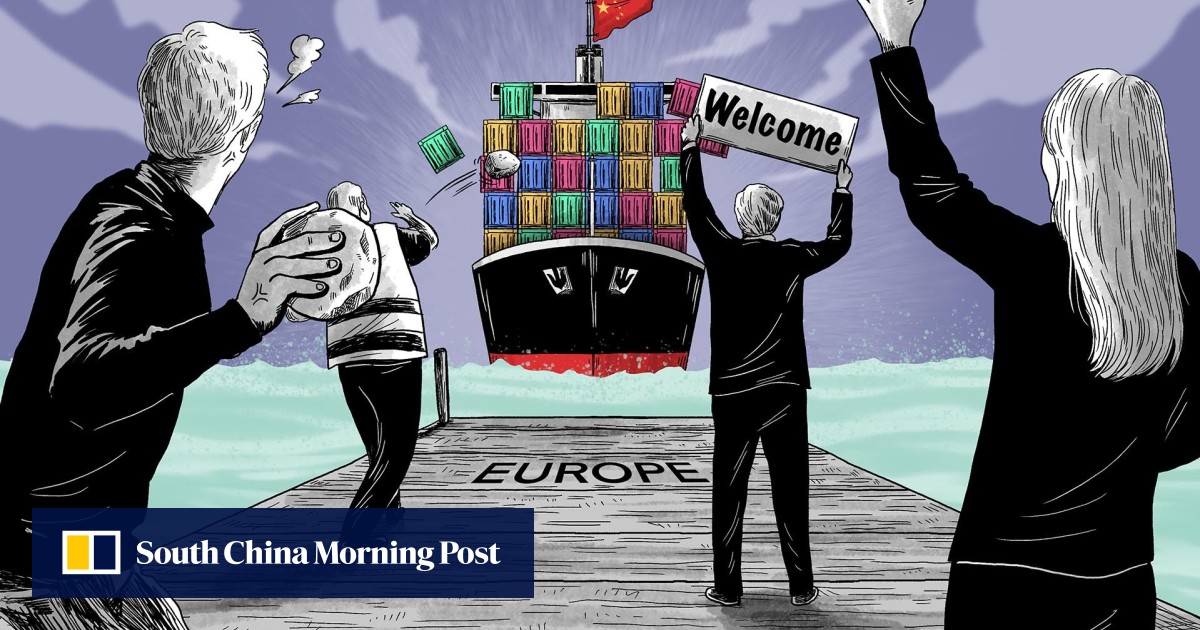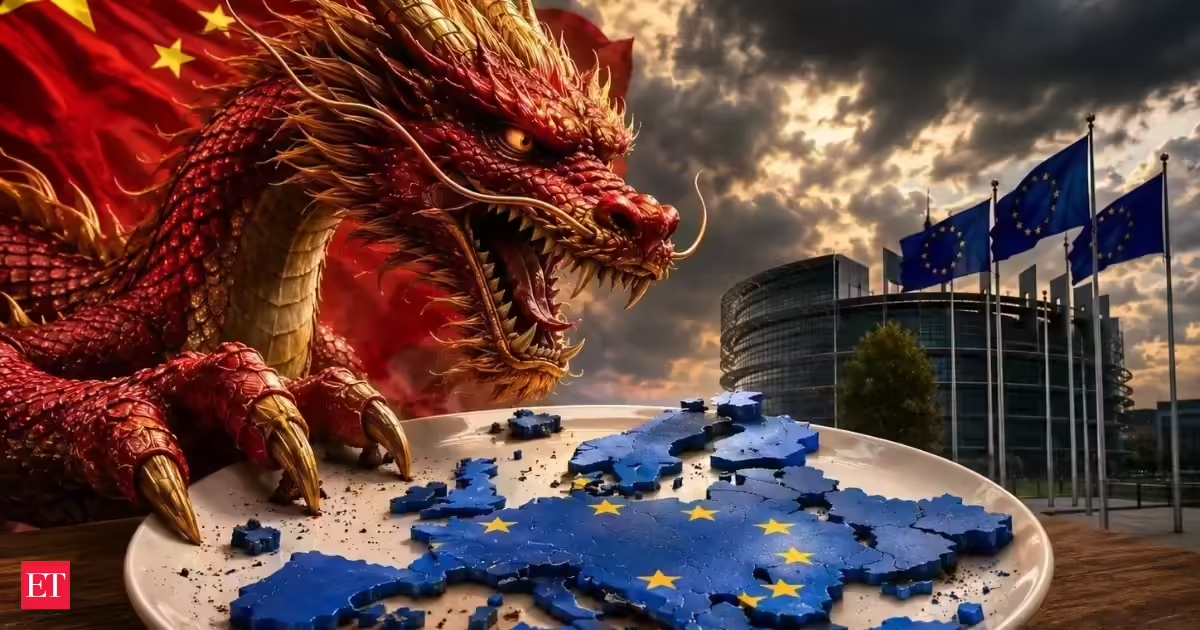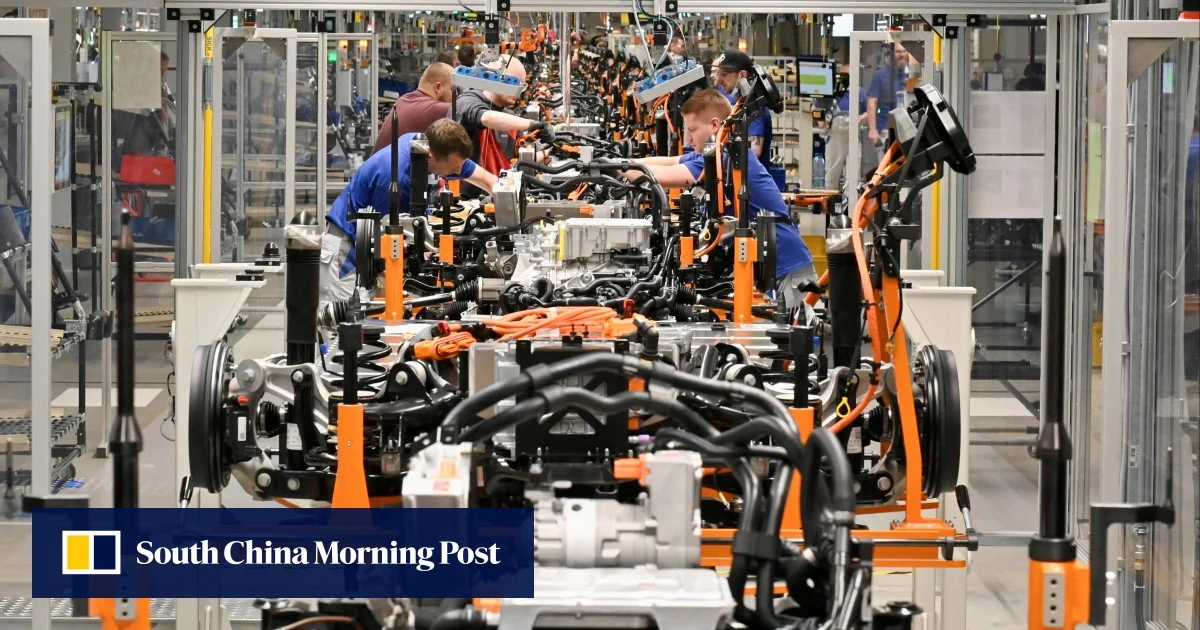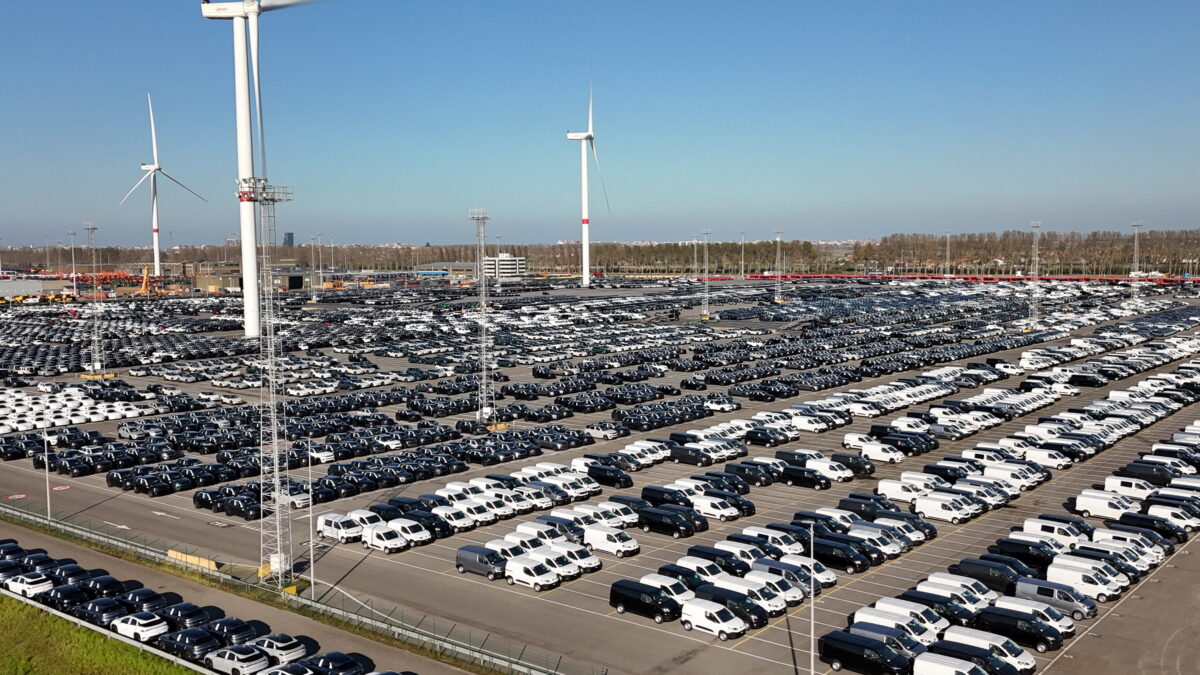
Europe’s current ‘China shock’ debate is delicately poised. While a growing sense of alarm over deindustrialisation, Chinese overcapacity and rapid job losses grips much of the continent’s policy elites, the tough talk is yet to translate into an aligned policy response.
This lack of agreement was the key takeaway from discussions in Brussels and Berlin in May and June 2026 with EU and German officials, policymakers and analysts.
Europe is in a defensive crouch, with stress mounting on all sides. US President Donald Trump’s taunts and tariffs, Russia’s war on Ukraine and China’s economic challenge reveals the limits within the EU’s strategic capacity to deal with multiple pressures at once.
This doesn’t necessarily mean complete policy stasis. To be sure, Brussels and Berlin are formally pursuing certain lines of effort in reaction to the ‘China shock’. The European Commission is set to develop a dedicated instrument supporting companies in key sectors to diversify their supply chains. Safeguard tools like reduced tariff quotas and high out-of-quota duties are being used and industrial re-expansion has been envisaged through legislated instruments such as the 2026 Industrial Accelerator Act.