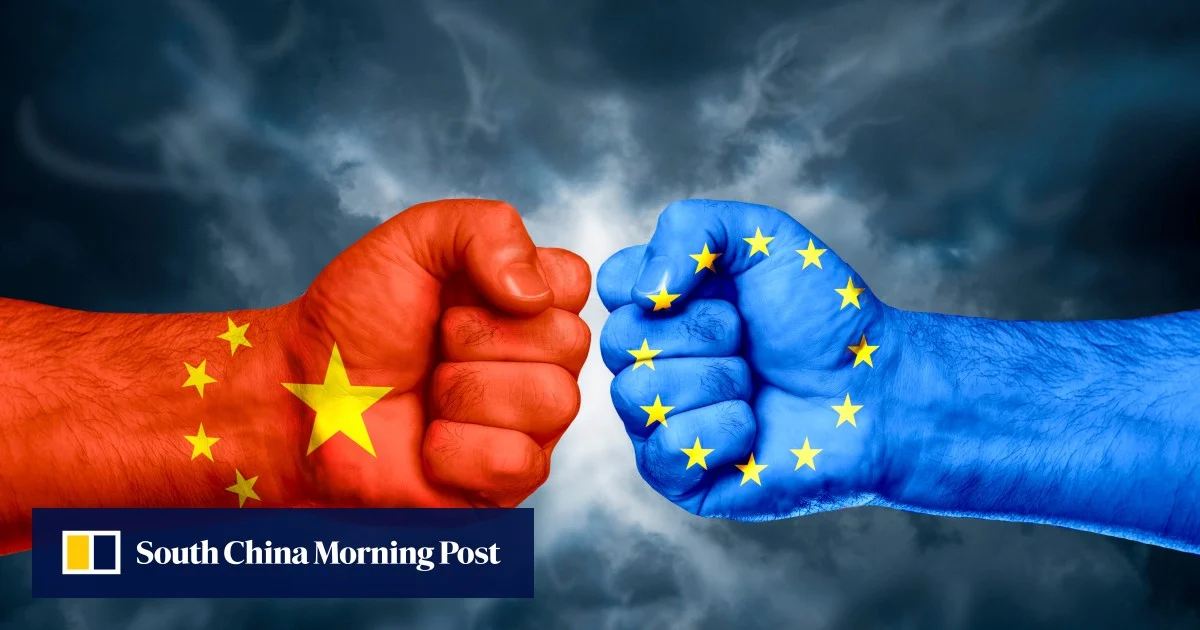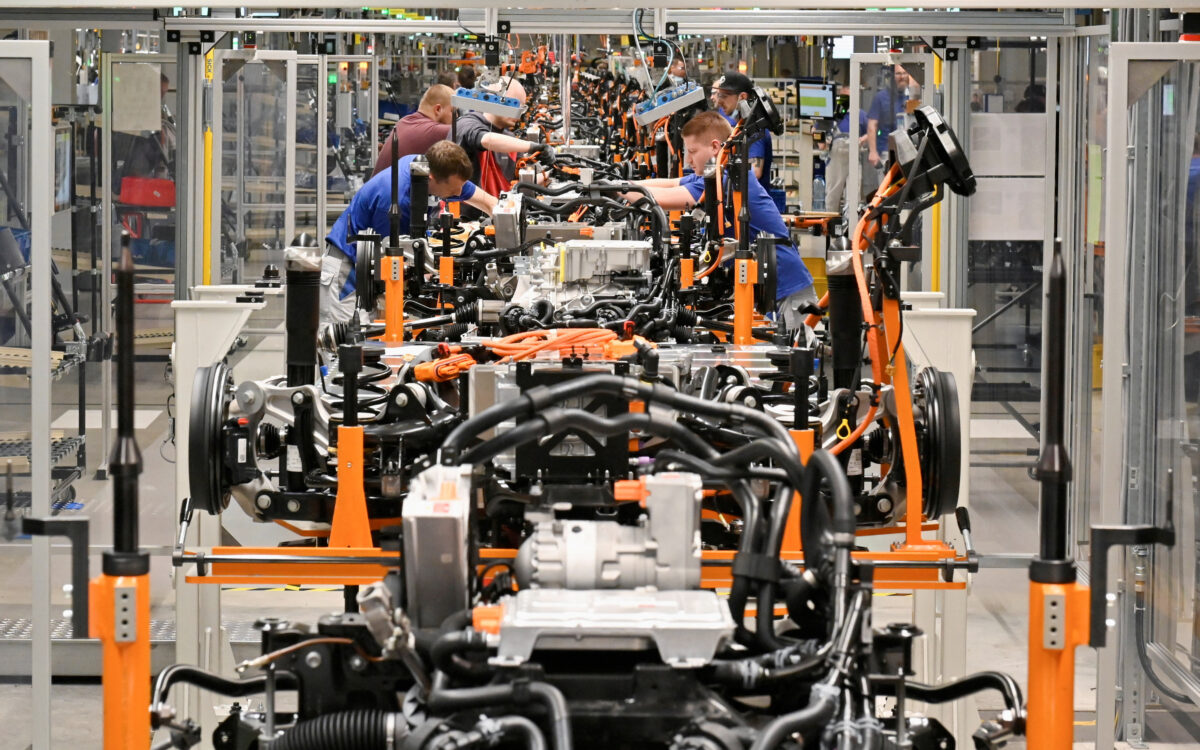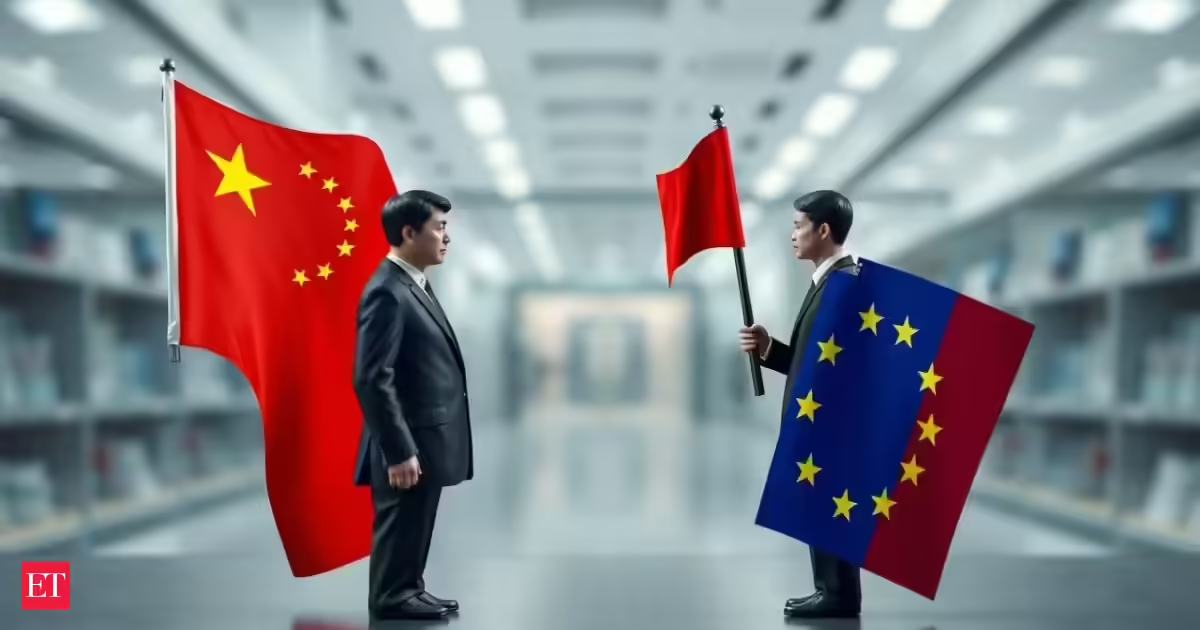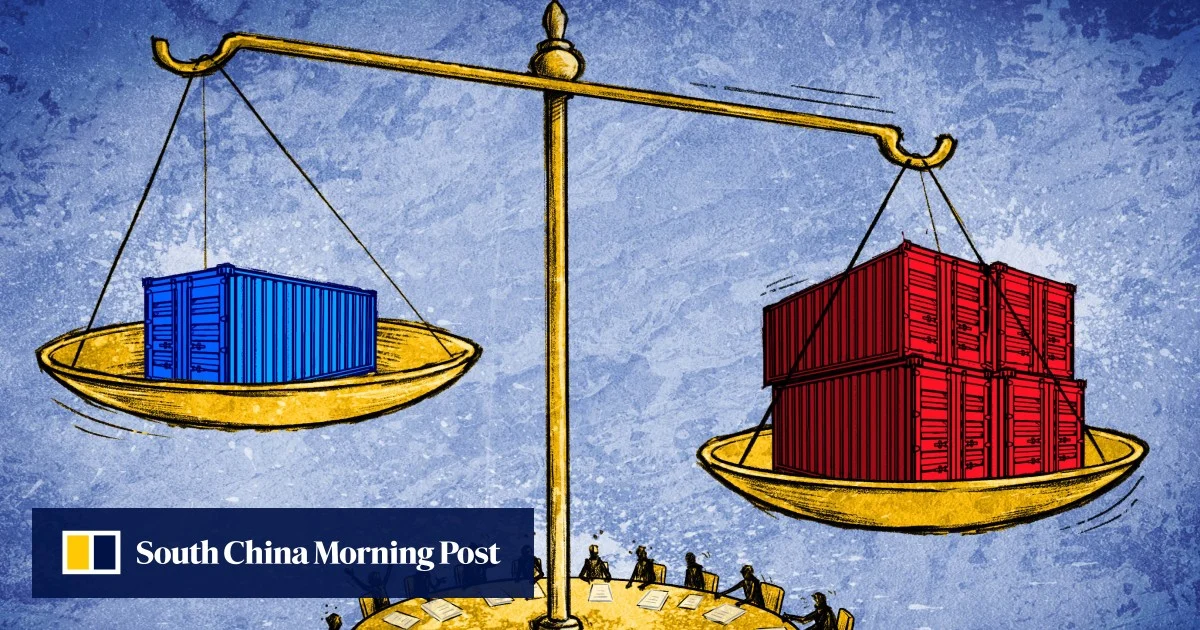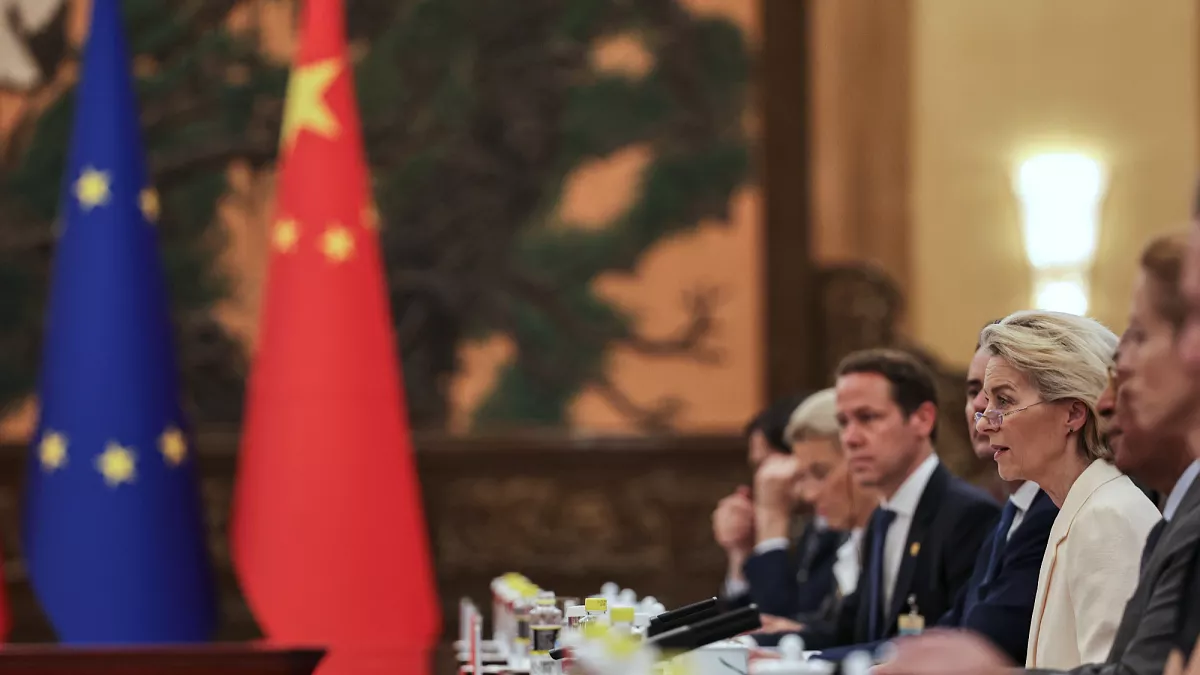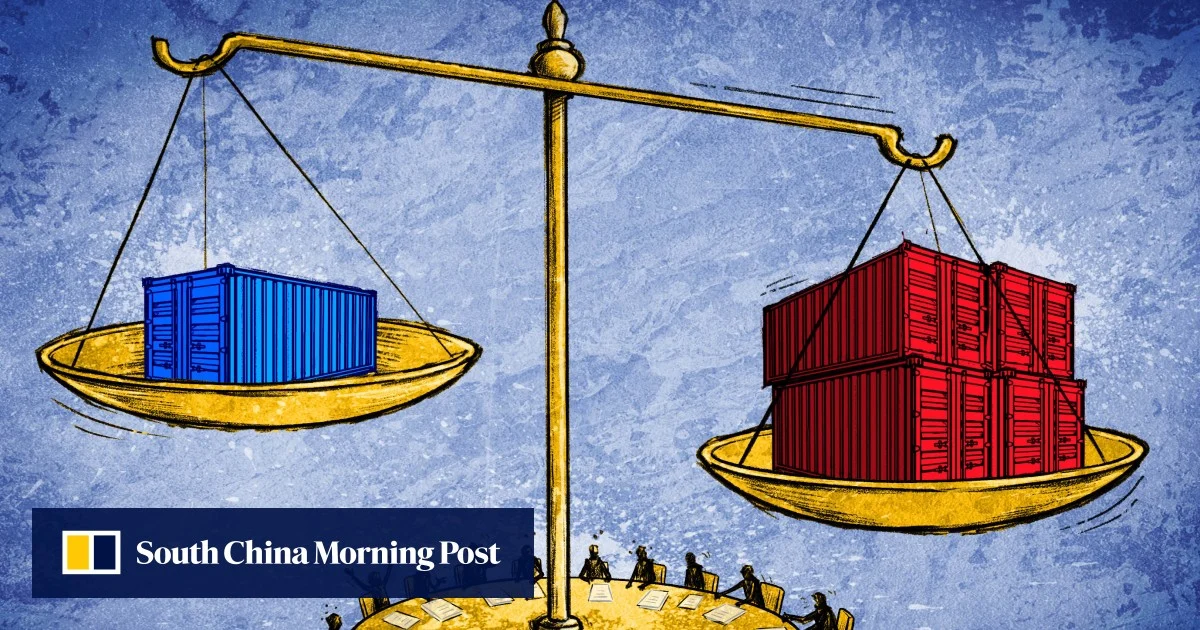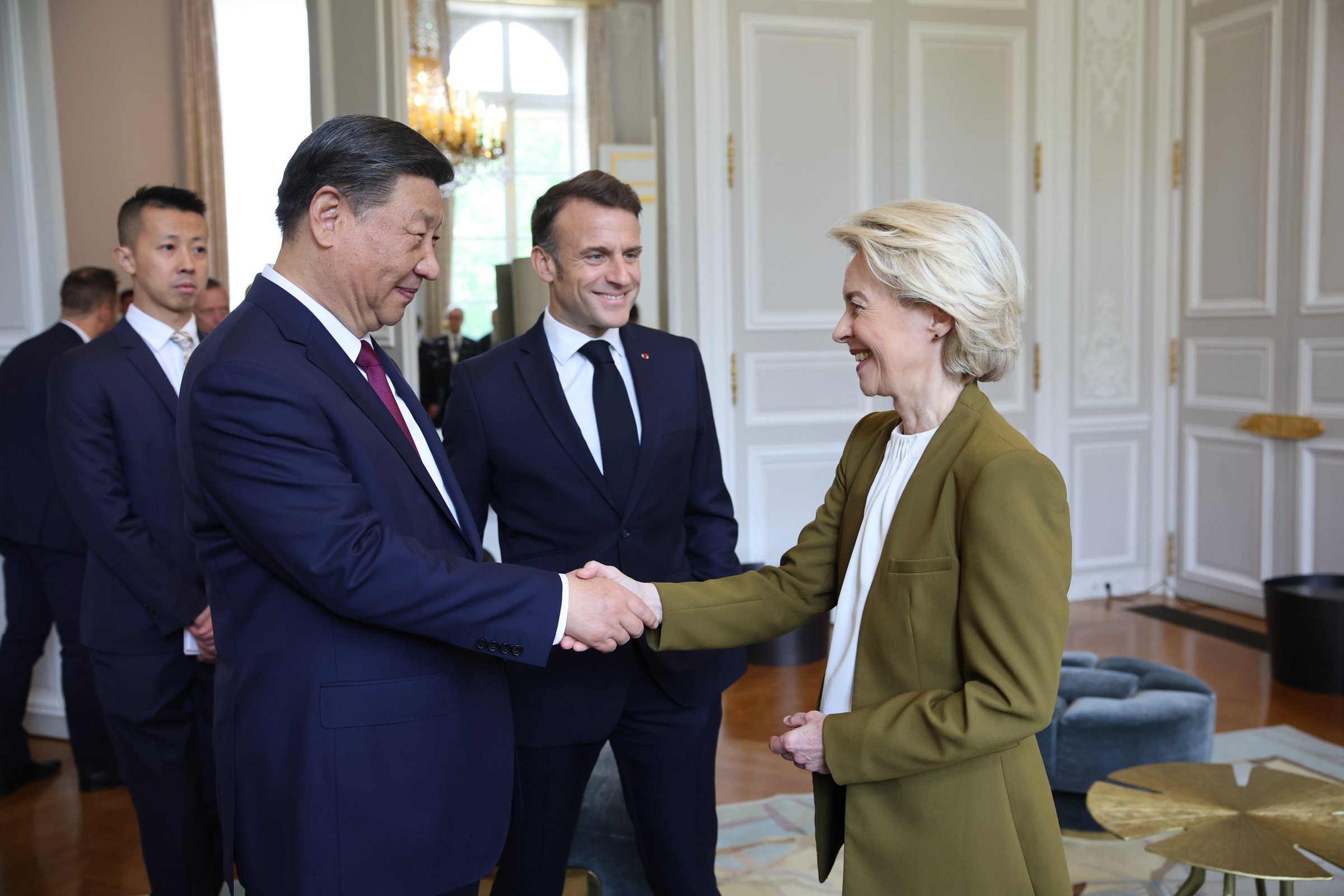
EU leaders are increasingly sounding the alarm over China’s dominance of green tech and its state-backed industrial model. As Brussels searches for ways to protect Europe’s industrial base, the temptation is to strike hard in response, through the use of aggressive trade measures and an expansion of the EU’s trade-defence and industrial-policy toolbox.
But an aggressive response risks provoking retaliation from the EU’s second-largest trading partner. That tension was evident at the June European Council summit, where leaders sounded alarm about “global macroeconomic imbalances” but stopped short of endorsing a more confrontational approach.
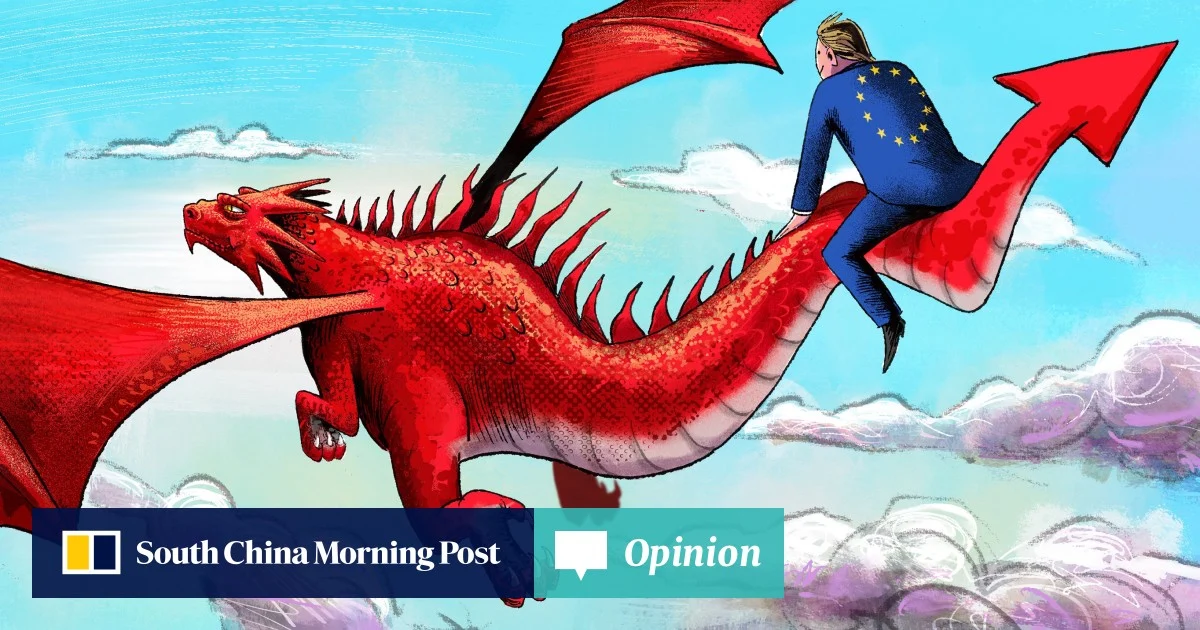
Pursuing a policy that Beijing perceives as offensive carries real risks, given that Europe’s dependence on China is a structural reality.
EY-Parthenon [Ernst & Young’s global strategy consulting arm] estimates that replacing the infrastructure, research, software, manufacturing capacity and supply chains on which the eurozone currently relies on China would cost around $9.1 trillion [€7.95 trillion] by 2050 – requiring annual investment equivalent to almost double the EU’s current annual budget.
Will and able to hit back