E
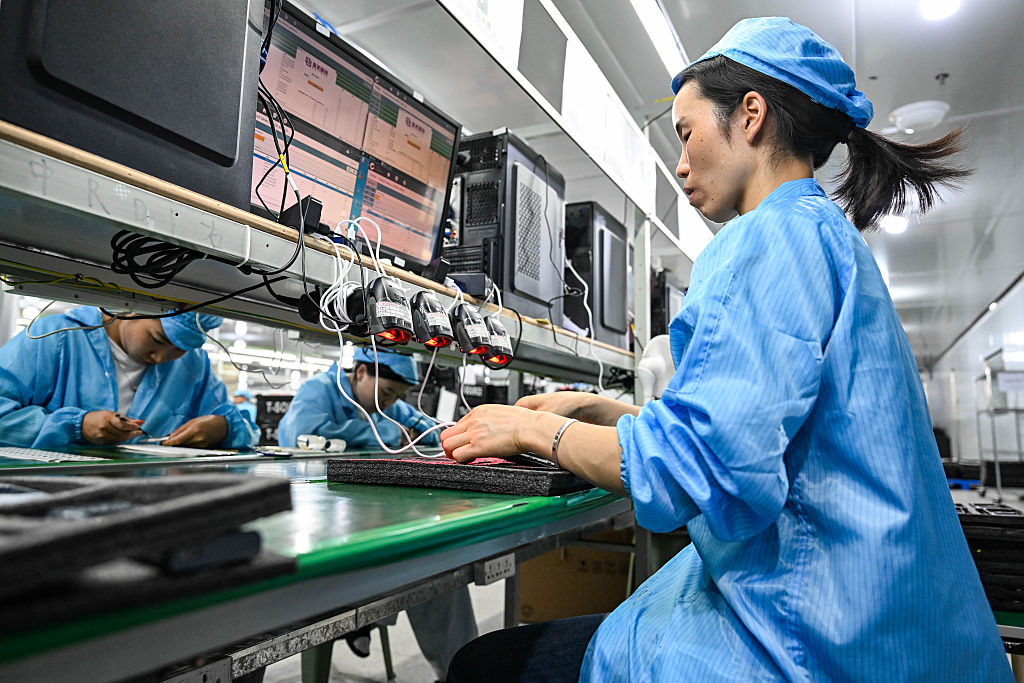
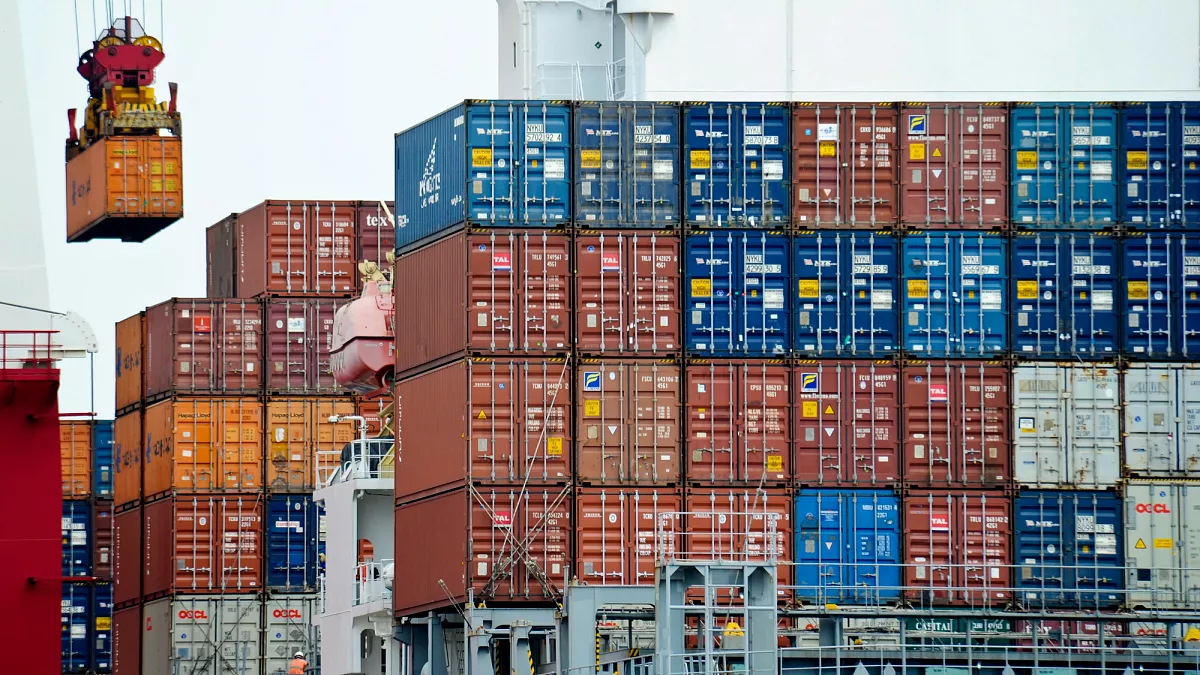
urope has been hit hard by a second "China shock." The first, in the early 2000s, followed China's entry into the World Trade Organization and brought a flood of low-cost, low-end "Made in China" goods such as textiles, toys and steel. That model is now largely outdated. China has become a formidable competitor in advanced technologies. It wiped out Europe's solar panel industry a decade ago, has emerged as a global leader in building new nuclear power plants and is now a major force in developing new pharmaceuticals.
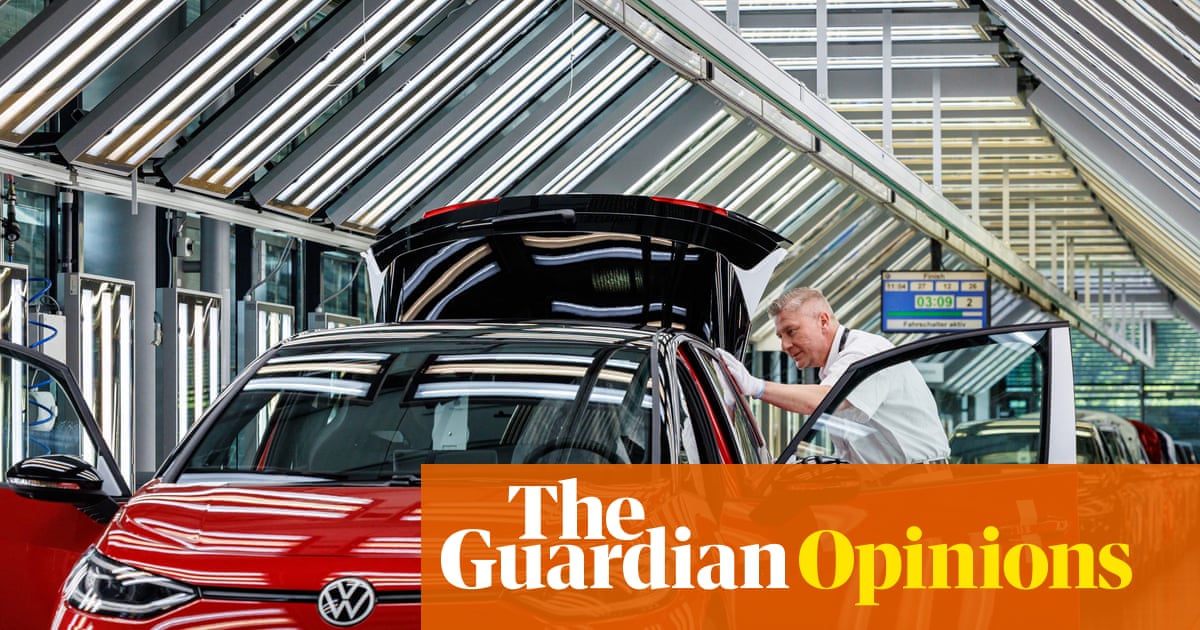
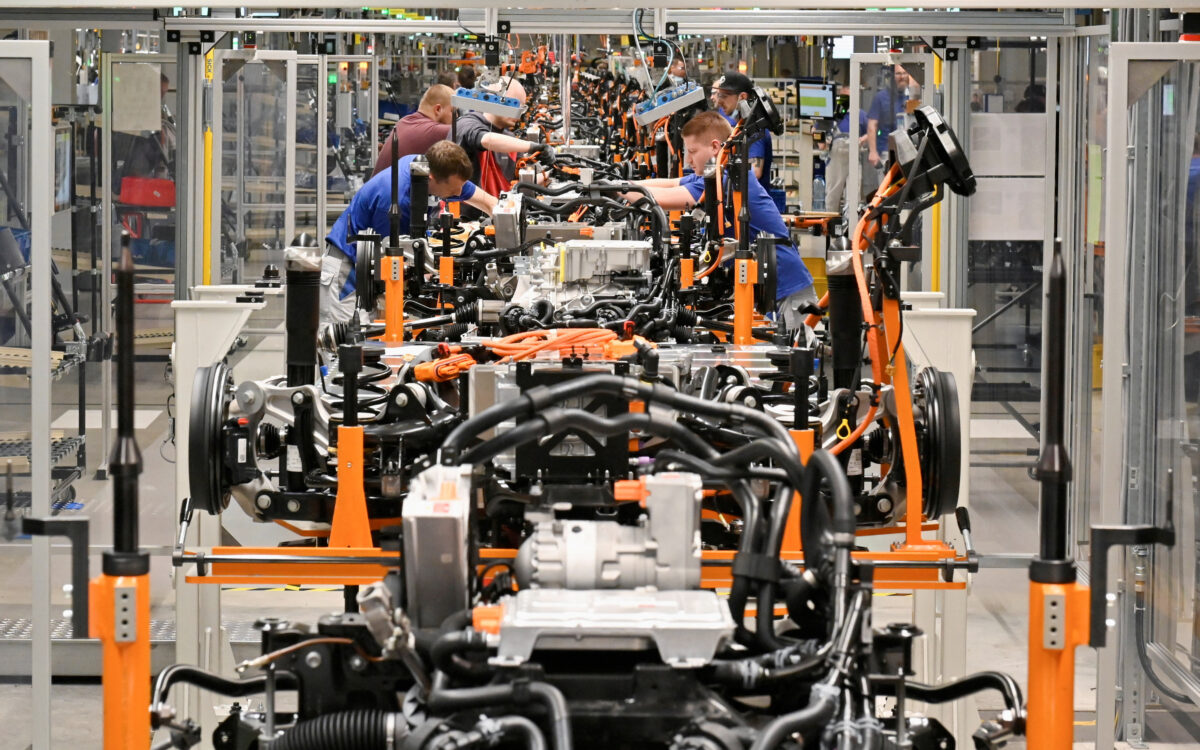
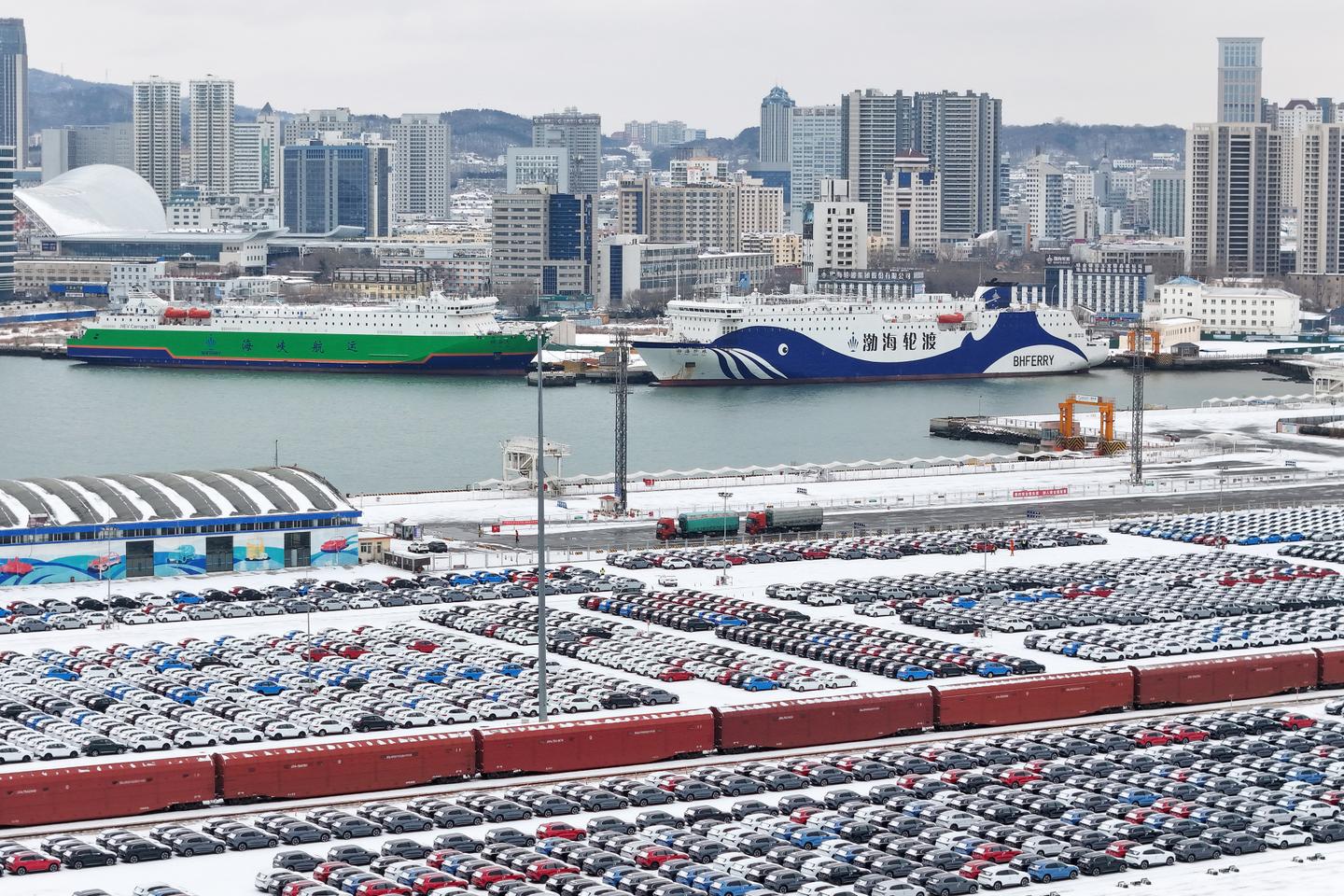
The automotive sector is the clearest example. Before the Covid-19 pandemic, China was a net car importer. Today, 40% of the world's passenger vehicles are produced in Chinese factories. More importantly, thanks to its dominance in battery technology, China has taken a decisive lead in electric vehicles – the future of the industry. Europe is still struggling to keep up.
On Thursday, February 12, European Union leaders will gather in Belgium for a summit on competitiveness. In September 2024, former European Central Bank president Mario Draghi delivered an alarming report on Europe's economic decline. Nearly 18 months later, his recommendations have only just begun to be implemented. Meanwhile, US President Donald Trump imposed 15% tariffs on the EU.