Defending European strategic interests must be a priority to level the economic playing field in an increasingly volatile world
G
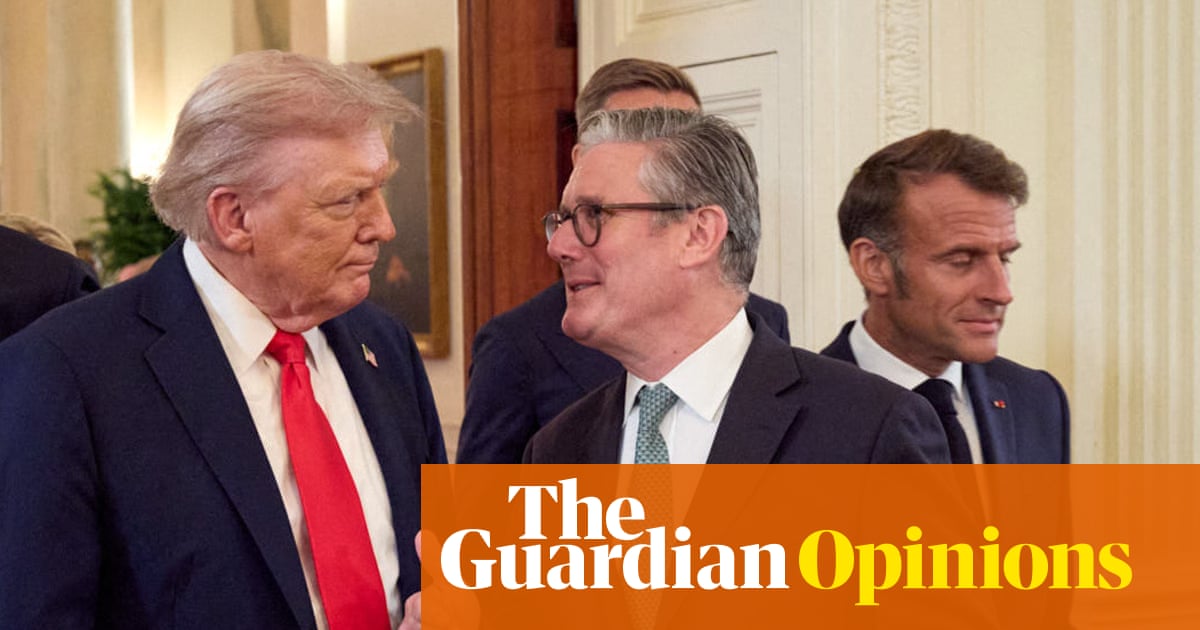
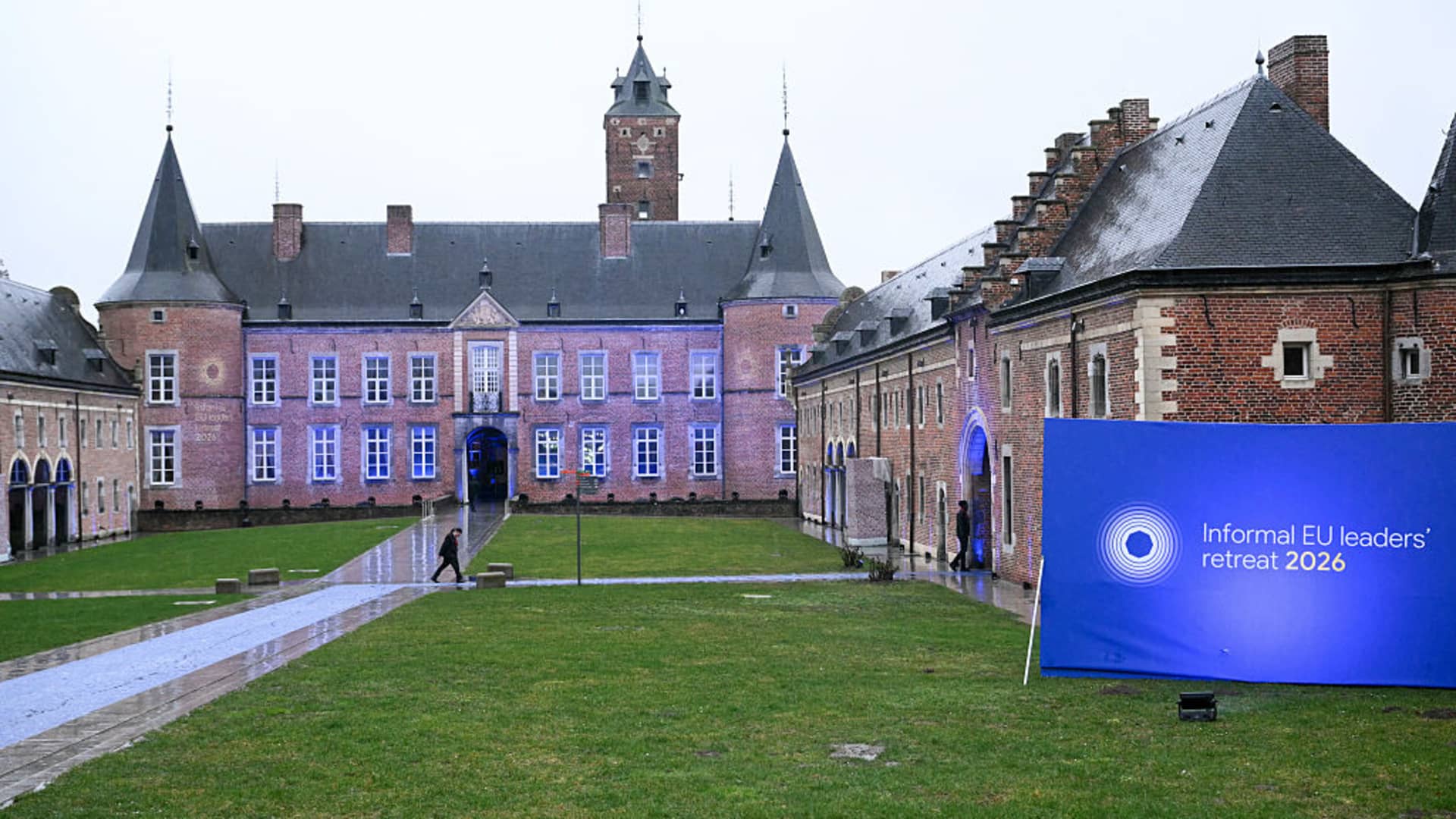
iven the daunting nature of the challenges they face in the era of Donald Trump, it is perhaps understandable that European politicians should wish to get away from it all. This week, in what is being billed as a “leaders’ retreat”, a remote castle in the Belgian countryside has been selected for an EU summit on competitiveness. The pastoral setting may soothe the spirits of attending heads of state; but it belies the urgency of the debate they need to have.
Europe in the postwar period has never felt so insecure. Mr Trump’s America First administration has made clear its intention to bully the continent economically through tariffs and threats, and the transatlantic alliance can no longer be relied upon for its defence. Hi-tech competition from China threatens to overwhelm European industry’s attempts to keep up in key areas, such as the green transition. Across the European Union, support for the far right is on the rise.
Against this sombre backdrop, the French president, Emmanuel Macron, is surely right to suggest that business as usual cannot be an option. He and others are pushing for a newly assertive “Made in Europe” industrial strategy, versions of which will dominate the summit’s agenda. On defence, this is already the EU’s direction of travel: Security Action for Europe (Safe), its new joint defence-procurement scheme, mandates that the lion’s share of purchases are made from EU members, or closely associated countries.